 Khizar Seo
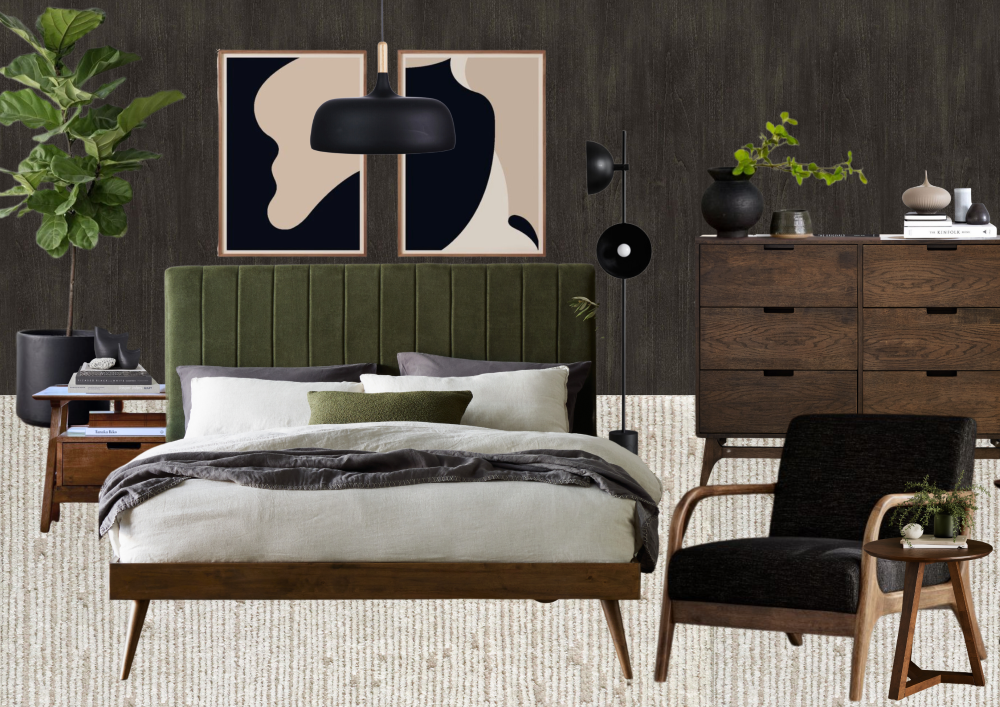
Dark furniture can give a bedroom a beautiful, timeless look. Whether you have a deep brown wooden bed frame, a black dresser, or a dark walnut nightstand, these pieces can make your space feel warm and sophisticated. However, if you don’t balance them with the right colors and decor, your bedroom may start to feel smaller or darker than you’d like.
The good news is that you don’t need to replace your furniture to brighten things up. A few thoughtful changes to your bedding, lighting, and accessories can completely change how your room feels. Here’s how to style a bedroom with dark furniture while keeping it comfortable, balanced, and inviting.
Choose Wall Colors That Complement Dark Furniture
Your wall color plays a big role in how dark furniture looks in your bedroom. Lighter shades can create contrast and keep the space from feeling too heavy.
Warm white, cream, beige, and light gray are popular choices because they work with many dark wood tones. These colors also help reflect natural light, making the room feel brighter.
If you prefer more color, consider soft sage green, dusty blue, or muted blush. These shades can add personality without competing with your furniture.
You can also embrace darker walls for a dramatic look. Deep green or navy can work beautifully with dark furniture, especially when the room has plenty of lighting and lighter accents.
Use Light Bedding to Create Contrast
One of the easiest ways to style a bedroom with dark furniture is to choose bedding that contrasts with your bed frame and headboard.
White or ivory sheets can instantly brighten the sleeping area, while a cream comforter adds warmth without making the room feel too busy. If you prefer a little color, soft blue, sage green, or pale beige can create a similar effect.
You don’t have to stick with an entirely light color palette. Try combining a neutral comforter with darker decorative pillows or a textured throw blanket.
The goal is to create enough contrast that your bed stands out rather than blending into the furniture around it.
Balance the Room With Different Textures
When your bedroom has several dark furniture pieces, adding different textures can keep the space from looking flat.
Consider pairing a smooth wooden bed frame with a soft upholstered bench or a woven area rug. Curtains with a linen-like texture can also soften the appearance of dark dressers and nightstands.
Your bedding is another opportunity to introduce texture. Mixing smooth sheets with a quilted comforter or knitted throw creates depth without requiring additional furniture.
If you’re going for a more polished look, designer bedding in coordinating colors and textures can help bring the room together. Choose pieces that complement your furniture rather than matching every shade exactly.
Add Lighting to Brighten Dark Corners
Dark furniture can absorb light, especially in bedrooms with small windows or limited natural sunlight. Adding different light sources can help the room feel more open.
Start with bedside lamps that provide enough light for reading and relaxing. Lamps with light-colored shades can soften the glow and help balance darker surfaces.
If you have space, consider adding a floor lamp near a dresser or reading chair. Wall sconces are another option for smaller bedrooms where you want to keep nightstands clear.
Warm lighting often works well with dark wood furniture because it highlights the natural tones without making the room feel harsh.
Choose an Area Rug That Lightens the Space
An area rug can help break up the darker colors in your bedroom, particularly if you have dark flooring or a large wooden bed frame.
Cream, beige, and light gray rugs are easy choices because they create contrast without drawing too much attention. A rug with a subtle pattern can also add interest while keeping the overall look balanced.
For a coordinated appearance, choose a rug that includes one or two colors already used in your bedding or curtains.
Make sure the rug is large enough to extend beyond the sides of your bed. This helps anchor the furniture and creates a softer surface to step onto in the morning.
Use Mirrors and Decor to Create Balance
Mirrors can make a bedroom with dark furniture feel brighter by reflecting light around the room.
Try placing a mirror across from a window or near a light source. A large wall mirror above a dresser can also help break up a dark furniture arrangement.
When choosing decorative accessories, mix lighter pieces with a few darker accents. Ceramic vases, framed artwork, and small plants can add personality without overwhelming the space.
Metallic finishes such as brushed brass or gold can look especially nice alongside dark wood. You don’t need much to make an impact. A lamp base, picture frame, or drawer handle may be enough.
Avoid Making Everything Match
It’s tempting to choose matching furniture, bedding, and accessories, but too much of the same dark color can make a bedroom feel heavy.
Instead, focus on creating a consistent color palette with a mix of light and dark elements. For example, a dark walnut bed frame can work well with white bedding, a beige rug, and warm wood accents.
You can also mix furniture finishes as long as they share similar undertones. A black metal lamp or a lighter wooden chair can add variety without making the room feel disconnected.
The key is balance. Your dark furniture should be a feature of the room rather than the only thing you notice.
Conclusion
Styling a bedroom with dark furniture is all about finding the right balance between contrast, color, and texture. Light bedding, thoughtful lighting, and a few well-chosen accessories can help your furniture stand out while keeping the room comfortable.
You don’t need to change everything at once. Start with one or two updates that make the biggest difference, then build a bedroom that feels welcoming and reflects your personal style.