
 admin
admin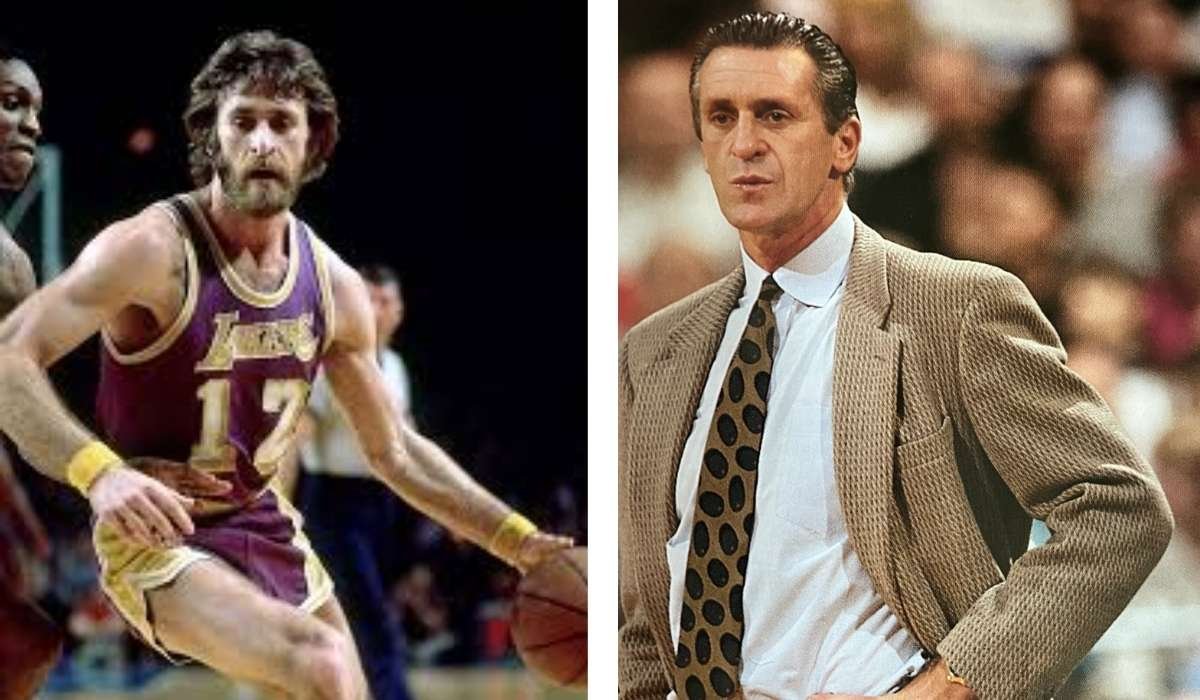
The journey of Pat Riley from a promising athlete to a transcendent figure in the professional basketball landscape remains one of the most compelling narratives in sports history. Throughout his tenure in the NBA, he has redefined the standards of leadership, tactical brilliance, and organizational excellence. Whether guiding star-studded rosters to glory or rebuilding franchises from the ground up, he has consistently displayed a unique ability to adapt, motivate, and win at the highest level. This article explores the multifaceted career of a man whose influence continues to shape the competitive culture of professional basketball teams today.
Quick Bio: Pat Riley
| Attribute | Details |
| Full Name | Patrick James Riley |
| Born | March 20, 1945 |
| Primary Roles | Player, Coach, Executive |
| Hall of Fame | Inducted in 2008 |
| Signature Achievement | Only coach to win Coach of the Year with three franchises |
Early Life and Athletic Foundation
Born in Rome, New York, he spent his youth developing the discipline that would later become his professional trademark. At Linton High School in Schenectady, he was an exceptional multi-sport athlete, excelling in basketball, football, and track. His early experiences under influential coaches instilled in him a deep appreciation for the fundamentals of team sports. This foundational period in New York was crucial in shaping his competitive spirit. His success at the high school level quickly garnered attention, setting the stage for a collegiate career that would eventually lead him into the professional ranks of the league.
Collegiate Success at Kentucky
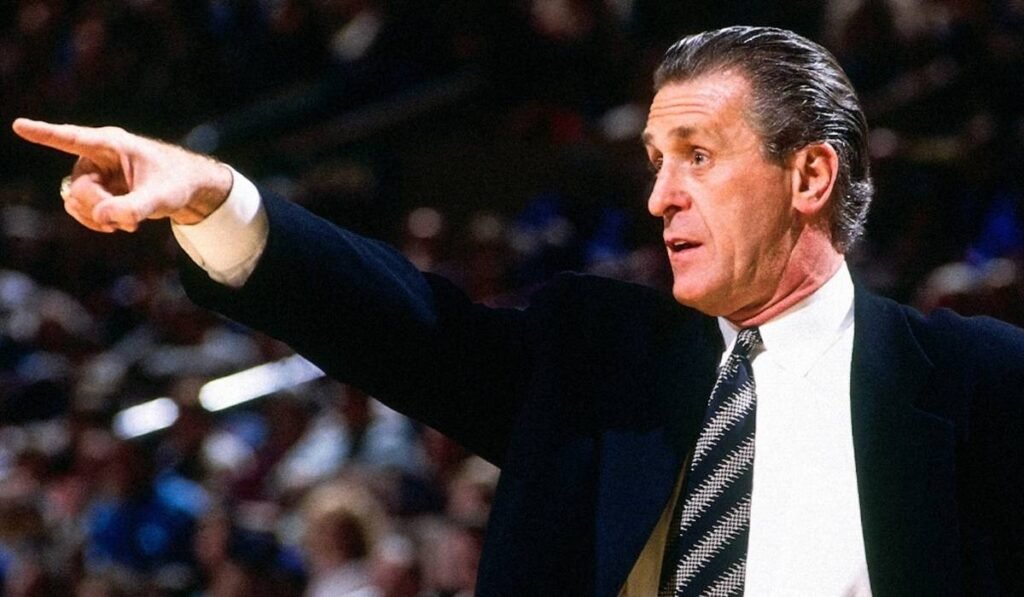
He moved on to the University of Kentucky, where he played for the legendary coach Adolph Rupp. During his time as a Wildcat, he became a standout player, earning All-American honors and helping lead the team to the NCAA championship game in 1966. His collegiate performance demonstrated his versatility and leadership, traits that would eventually translate well to his future roles. As a senior, his role as team captain further solidified his reputation as a player who prioritized the collective success of the group over individual statistics, a core philosophy he carried into his professional years.
Transition to Professional Play
Drafted into the NBA in 1967, he began a nine-year playing career that saw him compete for the San Diego Rockets, Los Angeles Lakers, and Phoenix Suns. Though he was not the league’s highest scorer, his defensive tenacity and court awareness made him a reliable rotation player. Winning an NBA title with the 1972 Lakers remains a highlight of his playing days, a season defined by a historic 33-game winning streak. These years provided him with a front-row seat to the nuances of professional basketball, offering him invaluable lessons that would later inform his highly successful coaching career.
Embracing the Coaching Bench
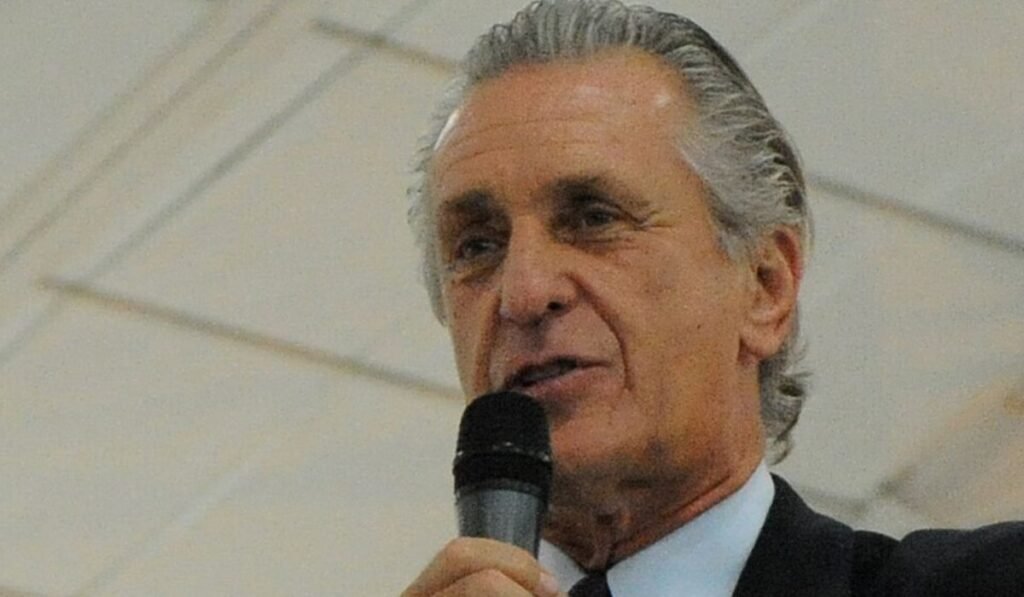
Following his retirement as a player, he briefly transitioned into broadcasting before returning to the court in a different capacity. In 1979, he became an assistant coach for the Lakers, an appointment that would change the trajectory of his life. By 1981, he was elevated to the position of head coach. This promotion was a turning point, marking the birth of a coaching legend. With a suit-and-tie aesthetic that became iconic, he brought a new level of focus and style to the sidelines, quickly proving that his tactical mind was perfectly suited for the head coach role.
The Showtime Era Defined
As the head coach of the Los Angeles Lakers, he became the architect of the famous “Showtime” era. Under his guidance, the team played an electrifying, fast-paced style of basketball that captivated audiences worldwide. Leading stars like Magic Johnson and Kareem Abdul-Jabbar, he successfully channeled their immense talent into a cohesive, unstoppable force. pat riley During his time in Los Angeles, he captured four NBA championships, securing his place as one of the most successful coaches in the game’s history. His ability to blend superstar power with team-oriented basketball remains a gold standard for coaching in the modern era.
Winning with the New York Knicks
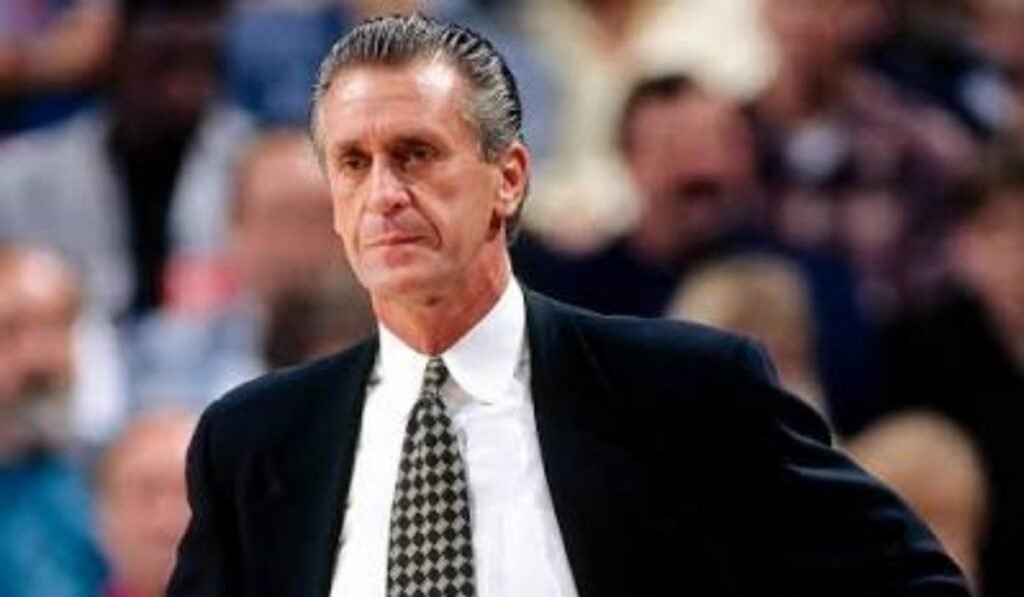
After his tenure in Los Angeles, he took on the challenge of coaching the New York Knicks. Known for a grittier, more defensive style of play, his Knicks teams became a formidable presence in the Eastern Conference. He guided the team to the 1994 NBA Finals, pat riley nearly capturing a title in a grueling seven-game series. His stint in New York demonstrated his remarkable adaptability as a leader, proving that he could construct a championship-caliber team regardless of the style or roster personnel. He remained a central, highly respected figure throughout his intense years in the Big Apple.
A New Chapter in Miami
In 1995, he moved to South Florida to become the head coach and president of the Miami Heat. This move signaled the beginning of a long-term commitment to a franchise he would help mold into a consistent winner. He brought the same intensity and organizational pat riley discipline that had defined his previous stops, rapidly elevating the Heat to relevance in the league. Under his direction, the team became a defensive powerhouse. His arrival in Miami was more than just a job change; it was the foundation for a dynasty that would eventually dominate the league for years.
Capturing the 2006 Title
His coaching brilliance reached another milestone in 2006 when he led the Heat to their first NBA championship. With a roster featuring Dwyane Wade and pat riley Shaquille O’Neal, he orchestrated a stunning comeback in the Finals against the Dallas Mavericks. This victory was particularly significant, as it validated his unique ability to win titles across different decades and with vastly different personnel. By securing this championship, he cemented his status as a truly elite coach who could transcend eras, constantly evolving his approach to remain ahead of the tactical curve in an ever-changing professional league.
The Executive Mindset
Beyond his duties on the sidelines, he has proven to be an pat riley equally gifted executive. As the president of the Miami Heat, his vision for the franchise has been both bold and strategic. He has demonstrated a rare talent for roster construction, identifying the right talent to complement his championship-focused culture. His executive tenure has been defined by his ability to pivot when necessary and his refusal to settle for mediocrity. This long-term commitment to organizational stability has been a hallmark of his career, providing the foundation for sustained success in a highly competitive market.
Engineering The Big Three
Perhaps his most famous executive move was the formation of the “Big Three” in 2010. By orchestrating the acquisitions of LeBron James and Chris Bosh to join Dwyane pat riley Wade, he created a super-team that became the most discussed roster in sports. This maneuver sent shockwaves throughout the NBA, immediately making the Heat the favorites to win the championship. The resulting success, including two consecutive titles in 2012 and 2013, highlighted his prowess as a negotiator and a visionary who understood exactly what it took to bring multiple superstar egos together for a singular purpose.
Philosophy of The Winner Within
Throughout his career, he has authored books such as The Winner Within, which detail his philosophies on leadership and team dynamics. His approach to coaching is rooted in the belief that personal excellence is the bedrock of team success. He often speaks about the pat riley “disease of more,” warning teams against the dangers of complacency after experiencing success. These concepts have made him one of the most sought-after speakers in the corporate world, as business leaders look to his winning record for insights into how to foster accountability, drive, and unity in their own organizations.
Adaptability and Tactical Evolution
What sets him apart from many peers is his capacity for reinvention. He has never been a coach who clings to a single system; instead, he studies the game’s evolution and adjusts his strategy accordingly. From the high-flying transition offense of the 80s Lakers to the slower, methodical defense of the 90s Knicks, he has always found a way to maximize his team’s specific strengths. pat riley This ability to adapt his tactical philosophy to match his roster is a primary reason he is the only coach to win Coach of the Year honors with three different franchises.
The Three-Peat Legacy
While the term “three-peat” is now common in sports parlance, pat riley it was actually a trademark he coined during his time with the Lakers. The term perfectly encapsulated his ambition and his forward-thinking approach to dominance. By constantly looking toward the next goal and demanding relentless effort from his players, he created an environment where winning back-to-back pat riley championships was just the beginning. His focus on creating a legacy of excellence has left a mark on the sport that will likely never be fully replicated, as he consistently pushed the boundaries of what was considered possible.
Mentoring Future Leaders
Throughout his decades in the NBA, he has served as a mentor to countless players and assistant coaches who have gone on to achieve their own success. His influence extends far beyond the stat sheet; he has built a coaching tree that continues to thrive across the league. Many of his pat riley former staff members have taken the lessons they learned under his mentorship and applied them to their own head coaching roles. By fostering a culture of professional development, he has ensured that his methods for building winners will continue to influence basketball for generations.
Commitment to Organizational Culture
A common thread in his career is his obsession with culture. In Miami, he famously instituted a rigorous conditioning program that became a rite of passage for every pat riley player on the roster. This emphasis on physical and mental toughness ensures that every member of the team is prepared for the grueling demands of the season. He believes that by demanding excellence in every small detail, the big results will inevitably follow. This “Heat Culture” is now recognized league-wide as a standard for professionalism, work ethic, and the unyielding pursuit of a championship-caliber team.
Resilience Through Adversity
His career has not been without its challenges. He has faced heartbreaking pat riley losses in the playoffs and navigated the difficulties of managing high-profile personalities with competing interests. However, his response to these setbacks has always been to double down on his principles. He treats adversity as a necessary component of growth, often using tough times to forge closer bonds within the team. His resilience in the face of pressure is a testament to his mental fortitude, showing that he can maintain his composure and strategic focus even when the stakes are at their highest.
Recognition and Hall of Fame
In 2008, he was rightfully inducted into the Naismith Memorial pat riley Basketball Hall of Fame as a coach. This honor was the culmination of a career spent elevating the standards of the professional game. The recognition served as a validation of his impact, confirming his status among the greatest figures to ever participate in the sport. His Hall of Fame legacy is not just about the trophies on his shelf; it is about the thousands of hours he poured into refining his craft, studying the game, and pushing his teams to reach levels they never thought possible.
Sustained Excellence as President
Even after stepping away from the coaching bench, his influence pat riley as the president of the Miami Heat has been profound. He remains a hands-on executive, deeply involved in the day-to-day operations of the team. His ability to maintain a high level of relevance in a changing league is a testament to his ongoing commitment to excellence. pat riley By navigating transitions in the league’s salary cap, player movement trends, and tactical shifts, he continues to demonstrate that his understanding of the game is as sharp today as it was when he first started his historic coaching career.
Philosophical Impact on Sports
His influence on the professional landscape goes beyond pat riley wins and losses. He has challenged the industry to think more deeply about team structure and player motivation. By bridging the gap between sports and high-stakes business leadership, he has elevated the profile of the coaching profession. His books, speaking engagements, and public commentary have provided a blueprint for leaders across many fields. He has shown that whether on the court or in the boardroom, the principles of hard work, discipline, and shared vision are universal drivers of sustained success and peak performance.
Final Reflections on an Icon
Looking back at his six decades in the game, it is clear that he is an singular talent. From a player to an assistant, to a head coach, and finally to an executive,pat riley he has touched every level of the sport and excelled in each one. He has shaped the way the game pat riley is coached, the way teams are built, and the way excellence is measured in professional sports. His legacy is etched into the history of the NBA, and his relentless pursuit of greatness ensures that he will be remembered as one of the ultimate architects of winning
- How many NBA championships has Pat Riley won in his career?
- He has won ten NBA championships in various roles, including player, assistant coach, head coach, and executive.
- What is the “three-peat” significance regarding Pat Riley?
- He trademarked the term “three-peat” during his time coaching the Lakers, reflecting his goal of sustained multi-year dominance.
- Which three franchises did he lead to Coach of the Year honors?
- He is the only coach to win this award with the Los Angeles Lakers, the New York Knicks, and the Miami Heat.
- What is the “Heat Culture” often associated with him?
- It refers to his strict standards of conditioning, work ethic, and professional discipline that he established for the Miami Heat organization.
- When was Pat Riley inducted into the Basketball Hall of Fame?
- He was inducted into the Naismith Memorial Basketball Hall of Fame in 2008.