
 admin
admin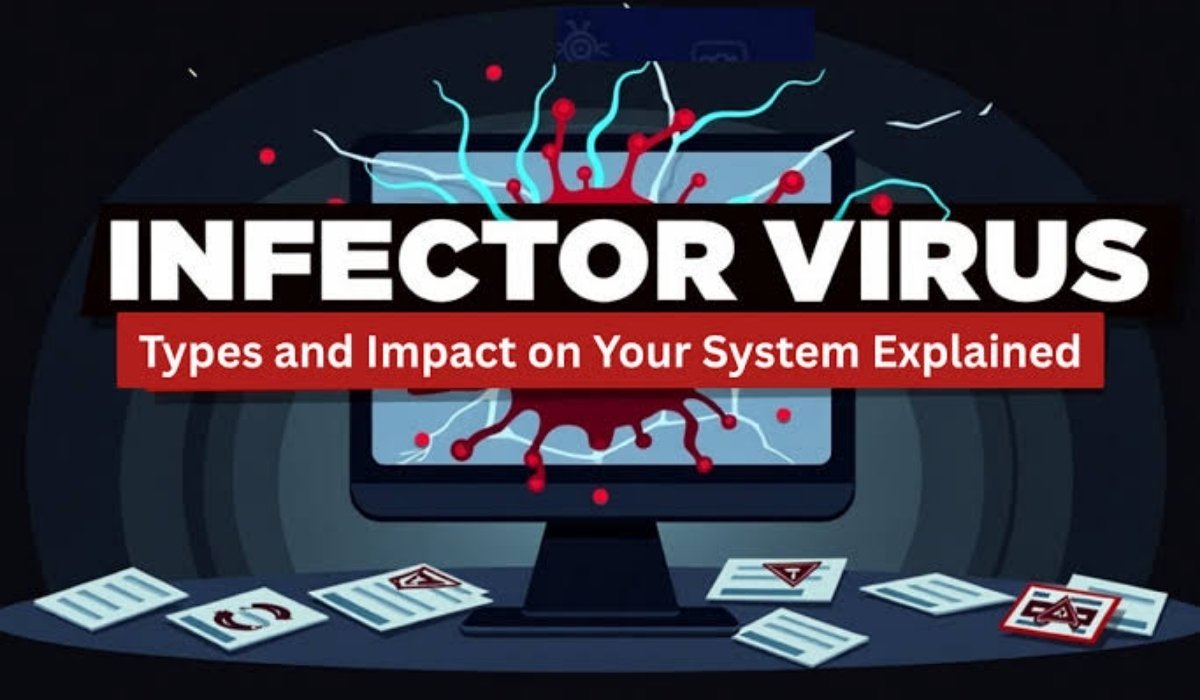
The digital landscape is constantly threatened by various forms of malicious software, and the Infector Virus remains a particularly persistent and dangerous category. Often referred to as a file infector, this type of malware is designed to attach its malicious code directly to legitimate executable files. Once a user runs the infected program, the virus executes its payload, often spreading silently to other files and system locations. As businesses and individuals rely more on complex software environments, understanding how an Infector Virus operates is critical for maintaining the integrity, security, and long-term availability of your essential digital assets and private data.
| Feature | Details |
| Core Identity | Infector Virus: Malware targeting executable files |
| Primary Focus | Attaching malicious code to .exe, .com, or .dll files |
| Strategic Goal | Silent propagation and long-term system compromise |
| Industry Value | Protecting software integrity and operational stability |
| Key Advantage | Understanding vectors prevents massive data loss events |
The Mechanics of the File Infector Virus
An Infector Virus functions essentially as a digital parasite. Unlike standalone malware, it cannot operate without a host program. When it infiltrates a system, it seeks out executable files, embedding its own binary code into them. This modification ensures that every time a user opens a seemingly normal application, the malicious code activates in the background. This clever integration allows the Infector Virus to remain hidden while it carries out its destructive tasks, making it significantly harder for standard users to detect the presence of the infection until the system begins to exhibit performance issues or errors.
How the Infector Virus Spreads
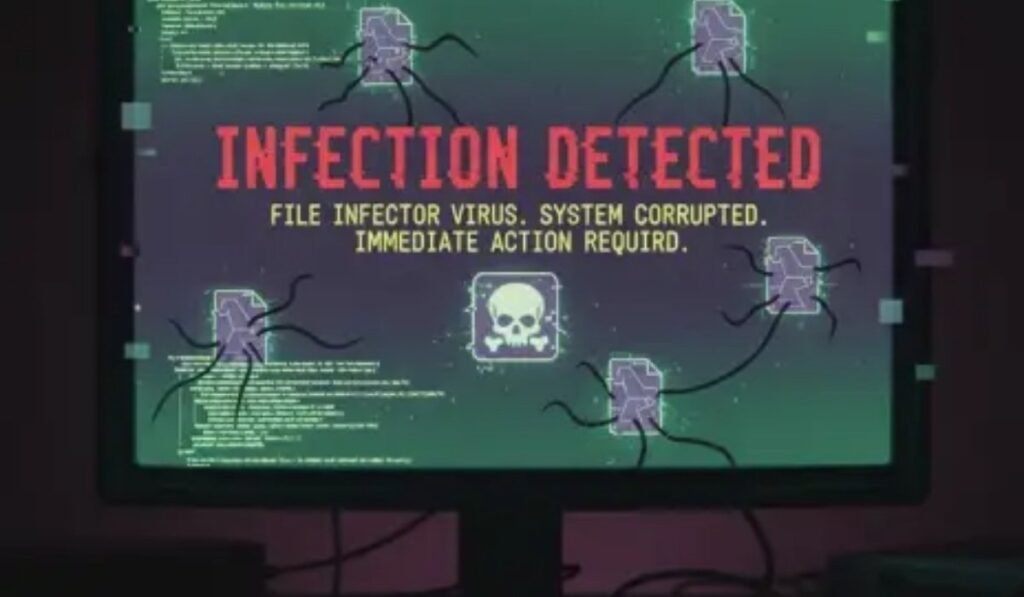
Propagation is the primary hallmark of an Infector Virus. Once it successfully executes on a host machine, it scans the local storage, network drives, and even attached removable media for new targets. By consistently infecting new programs, the Infector Virus ensures its survival across the entire system. This replication process can happen in seconds, quickly turning a single infected download into a system-wide compromise. Because it moves through trusted paths, such as shared folders or common software repositories, the Infector Virus can bypass simple security filters that only look for suspicious standalone programs rather than modified legitimate ones.
Impact on System Stability and Performance
The presence of an Infector Virus almost always leads to a degradation of system performance. As the virus replicates and modifies executable files, it consumes processing power and memory. Users might notice significant slowdowns, frequent software crashes, or applications that refuse to open entirely. In severe cases, the Infector Virus may corrupt critical system binaries, leading to a “blue screen” or a complete failure of the operating system to boot. This loss of stability is a major concern for enterprise environments, where downtime directly correlates to lost revenue, decreased productivity, and substantial recovery costs for the IT department.
Historical Context and Evolutionary Trends

The Infector Virus is one of the oldest forms of malware, with roots tracing back to the early days of personal computing. While the platforms have changed from simple floppy disks to complex cloud architectures, the core strategy remains the same: piggybacking on trusted code. However, modern variants of the Infector Virus have evolved to become more sophisticated. They now often employ encryption, stealth techniques, and polymorphism—where the virus code changes with every new infection—to evade detection by traditional antivirus software. This evolution keeps the Infector Virus at the forefront of modern cybersecurity threats, demanding constant vigilance from system administrators.
Distinguishing Infector Virus from Other Malware
It is essential to distinguish the Infector Virus from other common threats like Trojans or worms. A Trojan typically masquerades as a legitimate piece of software to trick users into installing it, whereas an Infector Virus actively modifies existing, already-trusted programs. Meanwhile, a worm spreads independently across networks without needing a host file. By understanding these technical differences, cybersecurity professionals can better tailor their defensive strategies. For instance, while a firewall might stop a worm, it might be ineffective against an Infector Virus that is already inside the network and spreading through shared files and internal software updates.
The Role of Executable Files as Carriers
Executable files, such as those ending in .exe, .com, or .dll, are the primary targets because they contain instructions for the computer to perform tasks. When an Infector Virus injects its code into these files, it ensures that the operating system grants its malicious processes the same level of permission as the host program. This means that if an administrator runs an infected utility, the Infector Virus may gain elevated privileges, allowing it to bypass security settings, disable local firewalls, or modify deep system registry keys that would otherwise be protected from standard user-level applications.
Stealth Techniques Used by Modern Variants
Modern versions of the Infector Virus use advanced stealth techniques to avoid being flagged. One common method is to intercept system calls to prevent an antivirus program from reading the “infected” portion of the file. By “lying” to the scanner, the Infector Virus remains hidden even during active security sweeps. Other variants may preserve the file size of the host application, preventing alerts based on unexpected size growth. These sophisticated evasion methods make it increasingly difficult for simple signature-based detection systems to identify the Infector Virus, necessitating the use of behavioral analysis and heuristic monitoring tools in modern corporate security suites.
Identifying the Signs of a System Compromise
Detection often requires looking for patterns rather than just individual files. If you observe multiple applications suddenly crashing or error messages indicating missing libraries, it might indicate an Infector Virus at work. Unexplained increases in disk usage, sudden changes in file metadata, or slow startup times can also be warning signs. Because the Infector Virus is designed to persist, it often modifies startup entries to ensure that it reloads every time the computer reboots. Monitoring these “persistence mechanisms” is an effective way for IT staff to identify and isolate a hidden Infector Virus before it spreads further.
Strategies for Preventing Initial Infection
Preventing the entry of an Infector Virus is far more efficient than cleaning up an established infestation. The most effective defense involves a “zero trust” approach to software. Avoid downloading executables from untrusted or pirated websites, as these are the most common distribution channels for the Infector Virus. Additionally, enforcing strict application whitelisting ensures that only verified, digitally signed programs can run on the system. By limiting the ability of arbitrary code to execute, administrators can effectively neutralize the Infector Virus before it has any chance to attach itself to a legitimate host program.
The Importance of Regular System Backups
Because an Infector Virus can permanently corrupt or alter essential files, maintaining clean, offline backups is non-negotiable. If a system becomes heavily compromised, cleaning every individual infected file can be an impossible task. In such scenarios, restoring the system from a known-clean backup is the only way to ensure the Infector Virus is completely removed. It is crucial to test backups regularly to verify that they do not contain the infection themselves. Without a reliable recovery point, a single Infector Virus could effectively force a complete reinstallation of your software environment and operating system.
Role of Endpoint Detection and Response (EDR)
Modern cybersecurity strategies rely heavily on Endpoint Detection and Response (EDR) tools. Unlike traditional antivirus, which looks for known “signatures,” EDR monitors system behavior for anomalies. When an EDR solution detects an executable trying to modify other files in a suspicious pattern—a hallmark of an Infector Virus—it can automatically kill the process and isolate the machine from the network. This capability is vital for stopping the Infector Virus in its tracks. By analyzing the actions of the software rather than just the code itself, EDR provides a powerful layer of protection against even previously unknown threats.
Securing Network Shares and Removable Media
Network shares are frequent conduits for the Infector Virus. If one user account has permission to write to a network drive, and that user becomes infected, the virus can spread to every other executable in that shared folder. Similarly, USB drives are classic carriers for the Infector Virus, moving from one machine to another as they are plugged in. IT policies should disable “autorun” features on removable media and restrict write permissions on network shares to the minimum necessary level. These simple configuration changes significantly reduce the attack surface available to an Infector Virus within an organization.
The Danger of Macros and Script-Based Infectors
While traditional file infectors focus on binary executables, macro-based variants target documents. An Infector Virus can be hidden within the scripts of a spreadsheet or a word processor document. When the document is opened and macros are enabled, the malicious script executes and begins the infection process. This delivery method is particularly dangerous because users are often conditioned to trust document files. Organizations must disable macros by default via Group Policy to prevent this specific class of Infector Virus from executing when employees open standard business files received via email or file transfers.
Educating Users on Cybersecurity Best Practices
Human error is the single greatest weakness in any defense against an Infector Virus. Users must be trained to recognize the signs of suspicious files, such as unexpected attachments or unsolicited software updates. Security awareness training should emphasize that clicking on a “convenient” link or opening a “urgent” file can lead to the installation of an Infector Virus. By fostering a culture of caution, companies can reduce the number of initial infections. When every employee understands the risk an Infector Virus poses to the collective infrastructure, they become a vital part of the organization’s human firewall.
Forensic Analysis of Infected Systems
When an incident occurs, forensic analysis helps identify the root cause. Professionals examine infected files to see how the Infector Virus modified the host code. This analysis reveals the virus’s capabilities—such as whether it contains a backdoor for remote access or a payload for data theft. Understanding the specific strain of Infector Virus is crucial for tailoring the remediation process. It allows teams to determine if they need to look for secondary payloads, such as hidden rootkits or spyware, that the Infector Virus may have dropped once it gained a foothold in the local environment.
Advanced Heuristic Analysis for Detection
Heuristic analysis is a proactive security method that scans code for structures or logic patterns common to malware. Since an Infector Virus often shares common traits—such as code that searches for files, opens them, and writes to them—heuristic scanners can identify it even if the specific signature is new. This “fuzzy” matching is essential for staying ahead of polymorphic variants. By deploying advanced security solutions that prioritize behavioral and heuristic intelligence, organizations can effectively detect and quarantine an Infector Virus based on its intention to propagate, rather than waiting for a match in a static database.
Sandboxing as a Defensive Layer
Sandboxing is a powerful tool for testing suspicious files in an isolated environment. When an organization receives a file of unknown origin, it can be executed in a sandbox where its behavior is monitored. If the file attempts to infect other binaries, the sandbox immediately flags it as an Infector Virus. This technique allows security teams to study the virus in a controlled setting without risking the actual production network. By sandboxing all incoming downloads, companies can ensure that an Infector Virus never reaches a user’s workstation, providing a safe buffer against unknown malicious code.
The Importance of Patch Management
Many types of malware exploit known vulnerabilities to gain the initial access required to infect files. While a file infector itself targets executables, it often uses vulnerabilities in the operating system or common software to elevate privileges or bypass local security measures. Therefore, a robust patch management program is a critical, though indirect, defense. By keeping all applications and the OS fully patched, you close the doors that an Infector Virus uses to gain the initial foothold it needs to begin its replication cycle across your critical business and personal computing devices.
Building a Culture of Resilience
Resilience in the face of an Infector Virus comes from assuming that defenses will eventually be tested. A resilient organization assumes that an infection might happen and builds its systems to handle that reality. This includes segmented networks that prevent the Infector Virus from moving from one department to another, immutable logs that allow for clear audit trails, and a well-defined incident response plan. By focusing on rapid containment and recovery rather than just perfect prevention, businesses can minimize the impact of an Infector Virus and ensure that their core operations remain functional even during a security incident.
Future Prospects and Concluding Thoughts
As we advance toward 2026 and beyond, the threat of the Infector Virus will likely integrate more deeply with AI-driven attacks. Automated malware could soon use machine learning to adapt its infection methods in real-time, making static defenses even less effective. However, the move toward cloud-native architectures and zero-trust networking provides new ways to neutralize such threats. Protecting your systems is a continuous process of learning, patching, and evolving. By remaining informed about how an Infector Virus works and maintaining a multi-layered defensive posture, you can keep your systems secure and your data protected against these persistent digital parasites.
- What exactly is an Infector Virus?
- It is a type of malware that attaches its malicious code to legitimate executable files (.exe, .com) to spread throughout a system when those files are run.
- Why is this specific type of malware so dangerous?
- It hides inside trusted programs, making it difficult to detect, and can quickly corrupt or disable critical system applications by modifying their code.
- How can I protect my computer from this threat?
- Use reputable antivirus software, avoid downloading files from untrusted sources, enable application whitelisting, and keep your software and operating system patched.
- Will my files be lost if I am infected?
- Potentially yes, as some variants overwrite the original content of files, making them unrecoverable unless you have a clean, offline backup to restore from.
- Does an Infector Virus require an internet connection to spread?
- No, it can spread locally across your computer or through physical media like USB drives, network shares, and internal file transfers.