
 admin
admin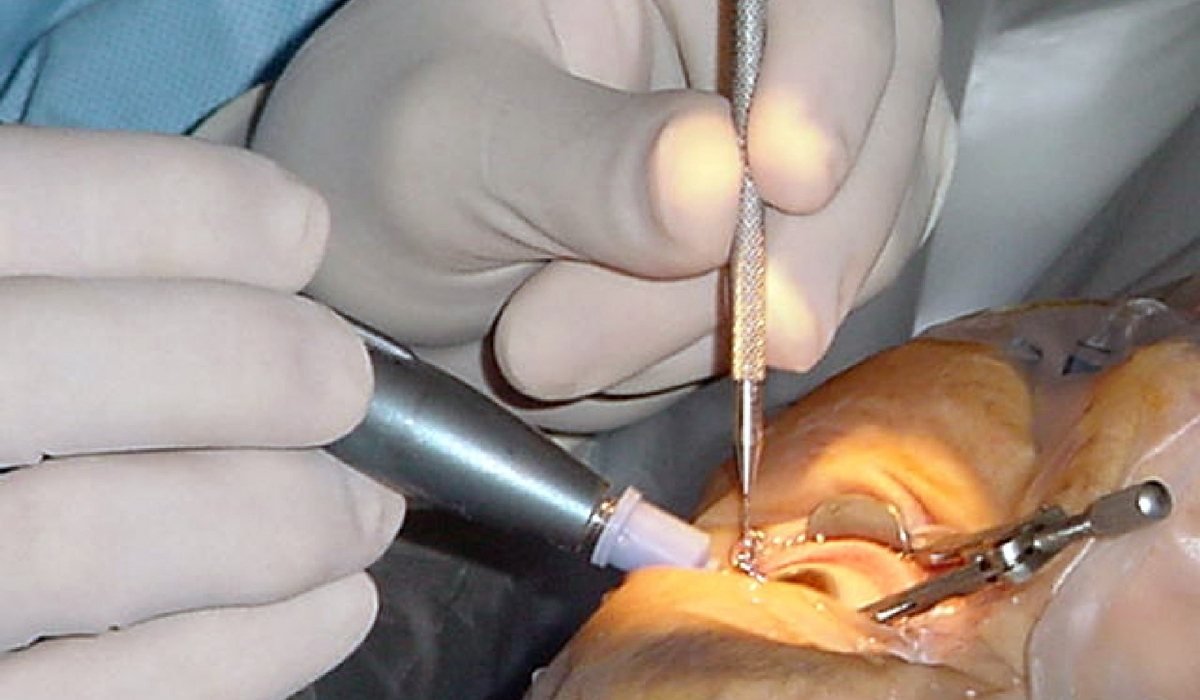
Cataract surgery is a highly effective, safe, and routine medical procedure used to remove a cloudy natural lens from the eye and replace it with a clear, artificial intraocular lens. Over time, the natural lens, which should be clear, becomes opaque due to protein buildup, resulting in blurred or diminished vision. This condition primarily affects older adults but can occur at any age. By performing this surgery, ophthalmologists restore visual acuity, significantly enhancing an individual’s ability to engage in daily activities, maintain independence, and improve their overall quality of life.
| Quick Bio: Cataract Surgery |
| Primary Objective: To remove a cloudy natural lens and replace it with a clear artificial lens to restore sight. |
| Common Symptoms: Blurry vision, glare, halos, difficulty reading, and loss of color vibrancy. |
| Procedure Type: Minimally invasive, typically performed under local anesthesia in 20–45 minutes. |
| Outcome: High success rates with most patients noticing dramatic improvements in visual clarity. |
The Mechanics of Cataract Surgery
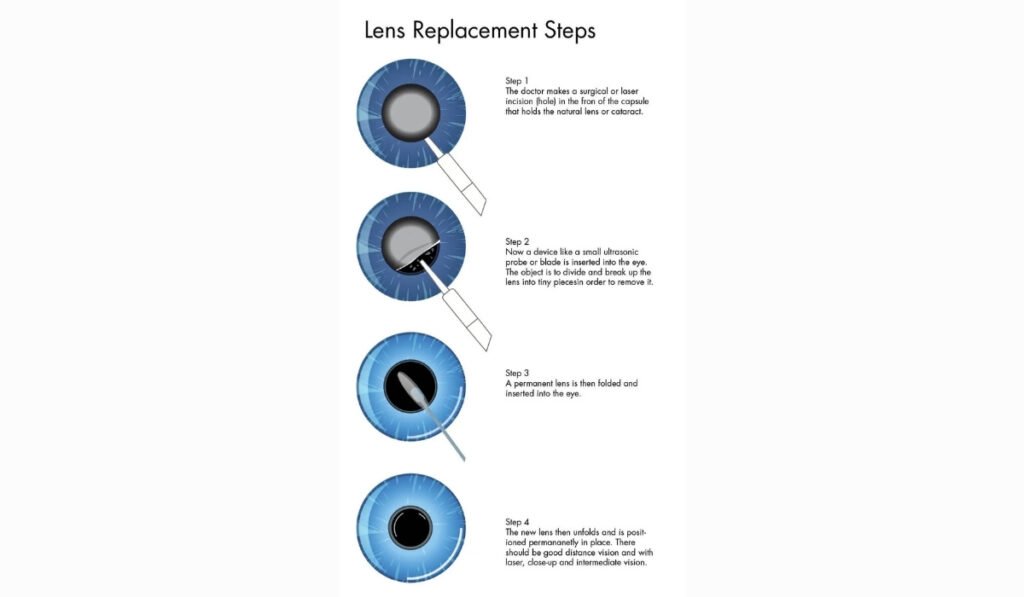
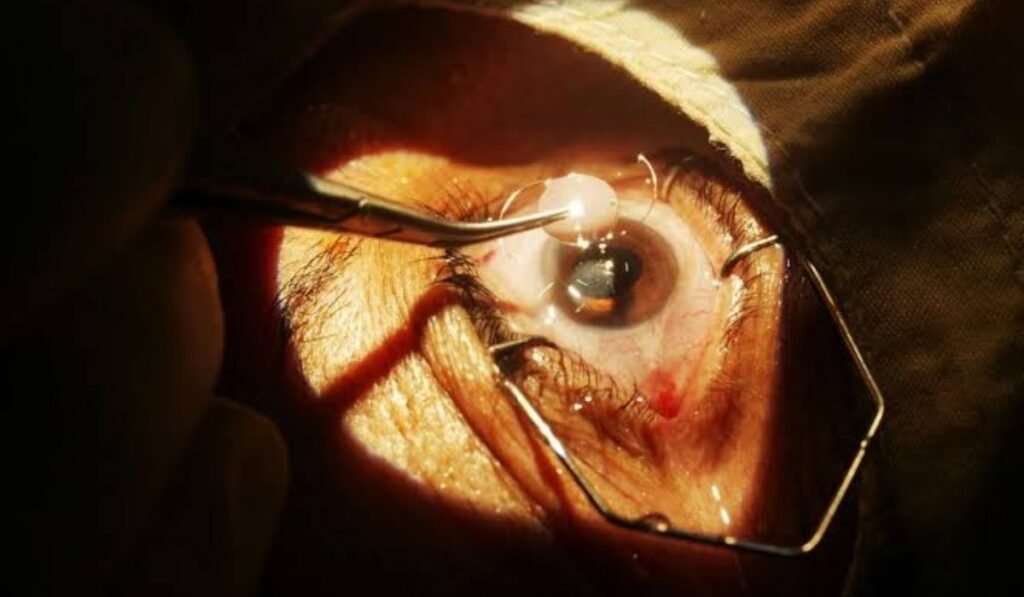
During the procedure, an ophthalmologist makes a tiny incision in the cornea to access the lens capsule. Using ultrasound technology, the surgeon breaks the cloudy lens into smaller pieces and gently suctions them out. Once the old lens is removed, a new, clear intraocular lens (IOL) is permanently placed within the capsule. The incision is small enough that it often heals naturally without the need for stitches. This sophisticated approach ensures that the eye remains stable, allowing for a relatively quick visual recovery for the vast majority of patients.
Why Cataract Surgery Is Recommended
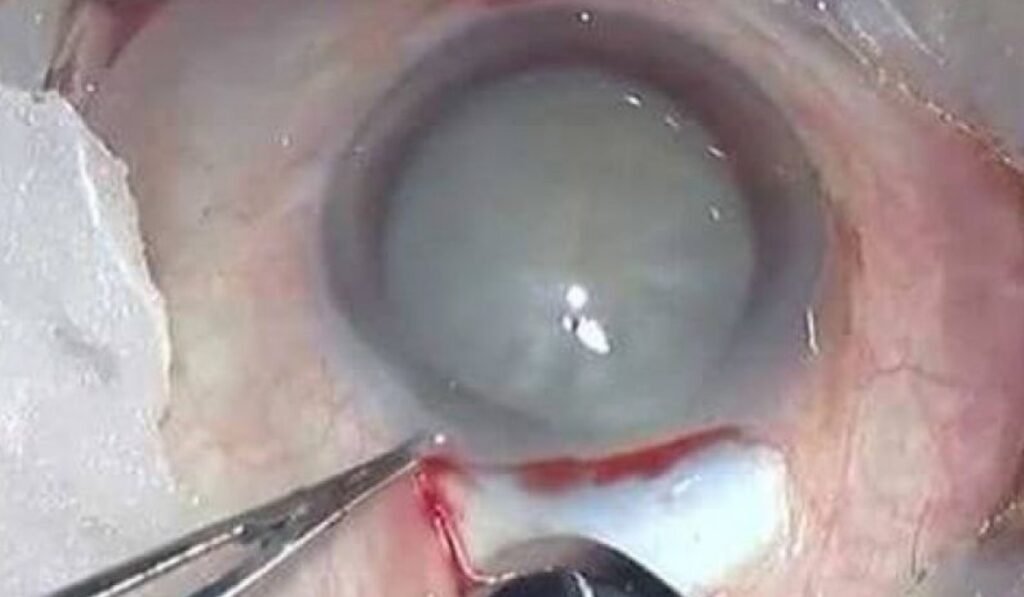
The decision to undergo surgery is usually made when vision loss begins to interfere with daily life, such as driving, reading, or watching television. Because cataracts are progressive, they do not resolve on their own, and surgery remains the only way to restore clear vision. Beyond simple vision correction, patients often report an increased sense of safety and confidence. By addressing vision impairment, the procedure also lowers the risk of falls and accidents in the elderly, making it a crucial intervention for maintaining long-term physical health and mental well-being.
The Role of Intraocular Lenses (IOLs)
A major part of modern cataract surgery is choosing the right IOL. Standard monofocal lenses are the most common, providing clear vision at one fixed distance, usually far. However, premium options like multifocal lenses allow for better focus at near, intermediate, and far distances, often reducing the need for glasses. Toric lenses are specifically designed to correct astigmatism, while Extended Depth of Focus (EDOF) lenses provide a smooth range of vision. Selecting an IOL that matches your lifestyle priorities is essential for achieving the best visual outcome.
Preparing for Your Procedure
Preparation for cataract surgery is relatively straightforward. Since it is usually performed under local anesthesia, patients can generally eat and drink as normal, although medical instructions should always be followed. Your ophthalmologist will conduct a thorough eye examination to measure the shape and size of your eye, which helps determine the correct power for your new lens. It is also a good time to discuss any existing health conditions or medications, as adjustments to blood thinners or other prescriptions may be necessary to ensure maximum safety during the surgical process.
The Immediate Post-Operative Experience
After the surgery, your eye may feel slightly gritty, itchy, or sensitive to light, which is completely normal as the eye begins to heal. You will likely wear a protective shield or patch to prevent rubbing or pressure, especially while sleeping. Your doctor will prescribe specialized eye drops to prevent infection and manage inflammation. Cataract Surgery Most patients notice an improvement in their vision within 1 to 3 days, though minor blurriness or fluctuations can persist as the eye fully adjusts to the new IOL.
Recovery Timeline and Expectations
While many people feel back to normal within a few days, full internal healing of the eye typically takes about 6 to 8 weeks. During this time, it is vital to avoid strenuous activities, such as heavy lifting, swimming, or hot tubs, to keep eye pressure stable. Following your surgeon’s advice on when to resume driving and work is key. Cataract Surgery Protecting your eyes from bright light with sunglasses outdoors is recommended for at least a year post-surgery to support healthy healing and long-term vision protection.
Managing Potential Risks and Side Effects
Cataract surgery is remarkably safe, with a success rate exceeding 98%. However, like any surgery, minor risks exist, including temporary swelling, dry eyes, or light sensitivity. Serious complications, such as infection or retinal detachment, are very rare but require immediate medical attention if symptoms like sudden flashes of light, severe pain, Cataract Surgery or vision loss occur. Patients are typically monitored through follow-up appointments to ensure that healing proceeds as expected and that any minor discomfort is addressed quickly with appropriate medication.
Posterior Capsule Opacification (PCO)
A common long-term occurrence after cataract surgery is Posterior Capsule Opacification (PCO), often called a “secondary cataract”. This happens when the membrane holding the new IOL becomes cloudy over time, causing vision to blur again. This is not a return of the cataract itself, but rather a thickening of the capsule. Cataract Surgery It is easily and safely treated with a simple laser procedure known as a YAG capsulotomy, which clears the cloudiness and restores vision permanently in minutes.
The Benefits of Early Intervention
Modern advancements allow doctors to offer cataract surgery earlier than in the past. By performing the procedure before a cataract becomes extremely dense, surgeons can often make the surgery even smoother and safer. If you are over 40 and notice changes in your vision, such as increased difficulty driving at night or sensitivity to bright lights, Cataract Surgery regular eye exams are essential. Early diagnosis ensures that you have access to the full range of lens technology and can plan your surgery around your schedule, rather than waiting for a crisis.
Impact on Mental Health and Independence
Vision loss from cataracts can lead to social withdrawal, anxiety, and depression due to a loss of independence. Many patients experience a profound boost in mood after cataract surgery because they can suddenly read, drive, and participate in social activities again. The ability to see clearly is closely linked to physical fitness and mobility, as individuals feel more confident walking and staying active. For many, the procedure is truly life-changing, restoring their ability to work, travel, and remain fully engaged with their family and community.
Choosing the Right Surgeon and Facility
When considering this procedure, selecting a qualified ophthalmologist and a high-quality surgical center is vital. State-of-the-art operating theaters and advanced diagnostic equipment help ensure the best possible outcomes. Look for a clinic that offers comprehensive pre-operative consultations, where you can discuss your visual goals and the different types of IOLs available. Whether you choose the public or private sector, ensure that you feel comfortable with the staff and that all your questions regarding the surgery and recovery are answered.
Lifestyle Considerations After Surgery
After your eyes have fully healed, you may be able to resume almost all your favorite hobbies. However, depending on the type of IOL you selected, you might still need reading glasses for fine print or specific tasks. Many patients enjoy the freedom from glasses they gain after surgery, which can significantly enhance participation in sports like swimming, hiking, or golf. Discuss your specific lifestyle hobbies—such as computer work or night driving—with your surgeon, as these details help determine which lens technology will provide the most visual comfort.
Myths and Realities of the Procedure
There are several misconceptions about cataract surgery, such as the idea that it is always painful or that vision is “perfect” immediately. In reality, the surgery is largely painless, and while many see better quickly, it is normal for vision to stabilize over several weeks. Another myth is that you must wait for a cataract to “ripen” before surgery; this is outdated. Today, surgeons prefer to operate as soon as the cataract impacts your quality of life. Always rely on your medical team’s advice rather than anecdotal evidence from others.
The Connection Between Health and Vision
Your general health plays a significant role in your eye health. Patients with conditions like diabetes or high blood pressure should be extra diligent, as these can affect both the development of cataracts and the recovery process after surgery. Maintaining a healthy lifestyle, including regular exercise and a balanced diet, supports overall well-being, which in turn benefits your eye health. Routine eye checkups are the best defense against vision loss, allowing your doctor to track any changes in your eyes long before they become severe.
Advanced Technology in Surgery
Technological progress has made cataract surgery one of the most reliable procedures in medicine. Modern ultrasound and laser-assisted tools allow for precision that was impossible decades ago. These innovations minimize tissue trauma and promote faster healing times. As research continues, IOL technology is also evolving, with newer lenses aiming to provide even better night vision and color contrast. When you choose to undergo surgery, you are benefiting from decades of refinement in ophthalmic science.
Post-Surgery Activity Guidelines
Returning to work and exercise is usually possible within a few days to a week, provided your surgeon confirms your eye is healing well. However, avoid “aggressive” habits like washing your face too forcefully or rubbing your eyes, as these can disturb the healing incision. If your job involves heavy labor or dusty environments, discuss a safe timeline for returning to these tasks. Protecting your eyes from environmental irritants like smoke, dust, and wind is a small but important part of ensuring a smooth recovery.
The Financial Aspect of Eye Care
Understanding the costs and insurance coverage for cataract surgery is an important step. Standard monofocal IOLs are often covered by insurance, making them a very cost-effective choice. Premium lenses, such as multifocal or toric lenses, may come with additional out-of-pocket costs, but many patients find the benefit of reduced dependence on glasses to be well worth the investment. Consult with your clinic’s billing department to understand what is included in your surgical package, including follow-up visits and post-operative care.
Preparing Your Home for Recovery
A few simple adjustments at home can make your recovery much easier. Ensure you have good lighting and remove potential tripping hazards, as your depth perception might be slightly off during the first few days of healing. Have your prescribed eye drops ready and organized according to the schedule your doctor provided. Arrange for someone to drive you home on the day of your surgery, and perhaps have a friend or family member check in on you during the first 24 hours to help with basic tasks.
Conclusion: A Clear Path Forward
Cataract surgery is a transformative journey that takes you from blurred, dim vision to a bright and clear world. By understanding the procedure, choosing the right lens, and following post-operative care instructions, you can ensure a successful result. The vast majority of patients express high satisfaction, often wishing they had undergone the surgery sooner. Do not let fear or hesitation keep you from experiencing the best vision possible. Take the first step by booking a consultation with an ophthalmologist and start your path toward clearer, more vibrant sight.
- How long does the cataract surgery procedure typically take?
- The surgery itself is a quick, minimally invasive procedure that usually takes between 20 and 45 minutes to perform.
- When can I return to normal daily activities?
- Most patients can return to light activities like reading or watching TV within 1 to 2 days, with a return to work and light exercise often possible within a week.
- Can I get perfect vision without glasses after the surgery?
- While many patients achieve excellent vision, the need for glasses depends on your lifestyle and the type of intraocular lens (IOL) you select.
- Is cataract surgery painful?
- No, the surgery is performed under local anesthesia, so patients typically feel little to no pain during the procedure.
- Do cataracts ever grow back?
- No, once the natural lens is removed, a cataract cannot return; however, a secondary cloudiness of the membrane (PCO) can sometimes occur but is easily treated with a laser.