
 admin
admin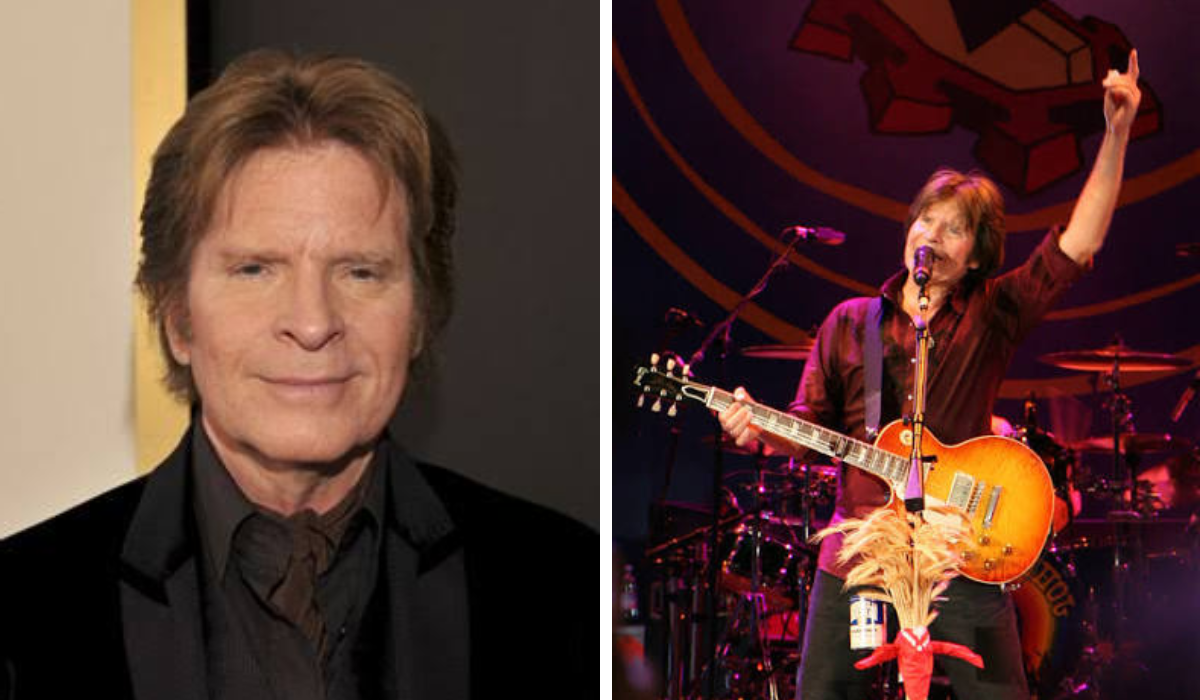
John Fogerty remains one of the most influential figures in American rock music, celebrated for his distinctive voice, energetic guitar work, memorable songwriting, and remarkable career with Creedence Clearwater Revival. His music blends rock, blues, country, roots music, rockabilly, and rhythm and blues into a sound that remains instantly recognizable. From chart-topping classics to a successful solo career, his artistic journey has crossed generations. His work has earned major honors, including Grammy recognition, Rock & Roll Hall of Fame induction, and Songwriters Hall of Fame membership. In 2026, his legacy continues through performances, recordings, and renewed ownership of his historic music catalog.
| Quick Bio | Details |
|---|---|
| Full Name | John Cameron Fogerty |
| Birth Date | May 28, 1945 |
| Birthplace | Berkeley, California, United States |
| Profession | Singer, songwriter, guitarist, musician |
| Famous For | Creedence Clearwater Revival and solo career |
| Musical Styles | Rock, roots rock, blues, country, rockabilly |
| Major Band | Creedence Clearwater Revival |
| Major Solo Album | Centerfield |
| Rock Hall Status | Inducted with Creedence Clearwater Revival |
| Songwriters Hall of Fame | Inducted in 2005 |
| Grammy Recognition | Multiple honors and nominations |
| Famous Songs | “Proud Mary,” “Fortunate Son,” “Bad Moon Rising,” “Centerfield” |
| Notable 2026 Honor | Johnny Mercer Award |
John Fogerty Early Life and Childhood
John Fogerty was born on May 28, 1945, in Berkeley, California, and grew up in the San Francisco Bay Area. His childhood environment helped expose him to a wide range of American music. He developed a strong interest in guitar and songwriting while still young, eventually forming musical partnerships with his brother Tom and future Creedence members Stu Cook and Doug Clifford. Those early relationships became the foundation for one of America’s most successful rock groups. His upbringing in Northern California may seem far removed from the Southern atmosphere associated with his music, but his songwriting later demonstrated a deep appreciation for blues, country, and roots traditions.
John Fogerty Musical Influences

The musical identity of the singer developed through a mixture of blues, country, rockabilly, rhythm and blues, and early rock and roll. Rather than copying one particular style, he combined these influences into a compact and highly energetic sound. His guitar playing frequently emphasized strong rhythm, memorable riffs, and direct arrangements. His vocal delivery became another major part of his identity, with a gritty tone that could sound urgent, emotional, or rebellious. This combination helped separate his music from the psychedelic and progressive sounds popular during the late 1960s. His approach demonstrated that straightforward songwriting could remain powerful without complicated production.
John Fogerty and Creedence Clearwater Revival
Creedence Clearwater Revival became the defining chapter of his early professional career. The group evolved from earlier bands involving Fogerty, Tom Fogerty, Stu Cook, and Doug Clifford before adopting its famous name. During the late 1960s and early 1970s, the group produced an extraordinary run of successful songs and albums. The Rock & Roll Hall of Fame notes that CCR achieved nine Top Ten singles within three years, establishing the group as one of America’s most popular bands. Its roots-oriented sound stood apart from much of the San Francisco scene at the time.
John Fogerty Signature Songwriting Style
One of his greatest strengths has always been his ability to turn short musical ideas into memorable songs. His compositions often combine simple structures with vivid imagery, powerful rhythms, and strong emotional themes. He wrote about ordinary working people, political tensions, relationships, American landscapes, and personal experiences. Songs such as “Fortunate Son” demonstrated his ability to address social issues without sacrificing musical accessibility. Other compositions, including “Bad Moon Rising,” created unforgettable moods through concise lyrics and energetic arrangements. His songwriting style helped prove that popular rock could communicate complicated feelings and social observations through direct, highly memorable storytelling.
John Fogerty Most Famous Songs
His catalog contains some of the most recognizable songs in American rock history. “Proud Mary” became an enduring classic, while “Bad Moon Rising” showed his talent for combining upbeat musical energy with darker lyrical imagery. “Fortunate Son” became associated with protest culture and discussions about privilege, class, and war. “Born on the Bayou” displayed his fascination with Southern musical imagery, while “Have You Ever Seen the Rain?” became one of his most emotionally recognizable compositions. “Down on the Corner” offered another example of his ability to create accessible, energetic music. Together, these songs established a catalog that has continued to reach new audiences.
John Fogerty and “Proud Mary”
“Proud Mary” is among the most famous compositions associated with his career. Originally recorded by Creedence Clearwater Revival, the song developed into a major part of American popular culture. Its combination of guitar-driven rock, roots influences, and memorable lyrics made it particularly adaptable to different performers. Over the decades, numerous artists have recorded or performed their own interpretations. The song demonstrates the strength of the original writing because its central musical idea remains recognizable even when arranged differently. Its continued presence in concerts, recordings, television, and popular culture illustrates how effectively the composition crossed boundaries between rock, soul, and mainstream music.
John Fogerty and “Fortunate Son”
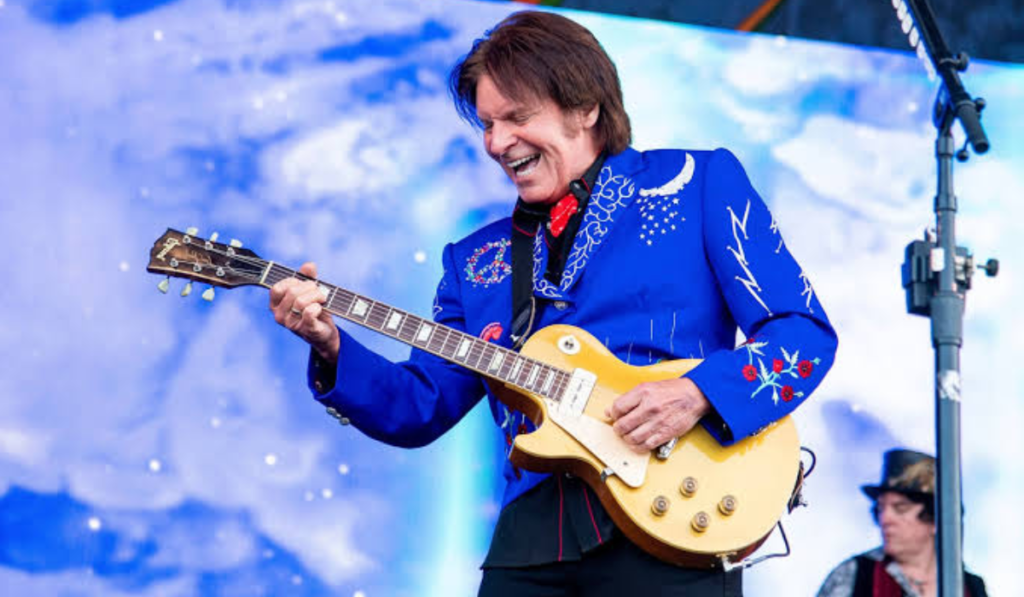
“Fortunate Son” became one of his most significant socially conscious songs. Released during the Vietnam War era, it addressed inequality surrounding privilege, patriotism, wealth, and military service. Its fast rhythm and aggressive guitar sound gave the message additional urgency. Rather than presenting a complicated political argument, the composition used a direct perspective that made its message easy to understand. Over time, it became associated with protest movements and films dealing with American military history. The song’s continued relevance demonstrates the unusual ability of his songwriting to connect historical events with broader questions about fairness, responsibility, and social privilege.
John Fogerty at Woodstock
Creedence Clearwater Revival performed at the Woodstock festival in 1969, placing the group within one of the most famous moments in music history. Although their complete performance was not initially included in the original Woodstock film, the appearance remains an important part of the band’s historical story. The festival represented a defining moment for the counterculture era, and the group’s roots-oriented rock offered a distinctive alternative to more psychedelic performances. His powerful stage presence and guitar playing helped establish his reputation as a compelling live performer. Decades later, recordings and archival projects have continued to bring attention to the group’s historic performances.
John Fogerty Solo Career
After Creedence Clearwater Revival ended, he began developing a solo career that allowed him to explore new musical directions. His early solo work was shaped by both creativity and complicated professional circumstances. Instead of simply reproducing the band’s sound, he gradually created music that reflected his individual identity. His solo recordings demonstrated that his songwriting abilities extended well beyond the original group. Over the years, he released several notable projects and returned to the stage for major tours. His career eventually became a story of persistence, artistic independence, and renewed confidence after years of disputes surrounding his music and professional relationships.
John Fogerty “Centerfield” Success
“Centerfield” became one of his most celebrated solo songs and remains especially popular among baseball fans. Released as part of the 1985 album Centerfield, the song combines rock energy with America’s love of baseball. Its popularity became so closely connected with the sport that it was later recognized by the Baseball Hall of Fame. The Songwriters Hall of Fame identifies him as the only musician inducted into the Baseball Hall of Fame for a song, reflecting the unusual cultural reach of the composition.
John Fogerty Album Centerfield
The Centerfield album represented an important comeback moment in his solo career. Released in 1985, it helped restore his visibility after a period away from major recording activity. The title track became an enduring favorite, while songs such as “The Old Man Down the Road” demonstrated his continued ability to create memorable rock music. The album combined commercial accessibility with the energetic guitar-driven style associated with his earlier work. Its success proved that audiences remained interested in his music even after significant changes in the industry. The project became one of the strongest milestones of his solo discography.
John Fogerty Blue Moon Swamp
Another major solo milestone arrived with Blue Moon Swamp, released in 1997. The album allowed him to return to a roots-focused sound while incorporating blues, country, rock, and Americana elements. Its success demonstrated the continuing strength of his songwriting after decades in the music business. The project earned the Grammy Award for Best Rock Album, further strengthening his reputation as an artist capable of producing significant work long after his early commercial peak.
John Fogerty Grammy Recognition
Grammy recognition has been an important part of his professional achievements. John Fogerty awards and nominations reflect the respect he has received from the broader music industry. Blue Moon Swamp was particularly important because its Grammy win showed that his later work could stand alongside the classics from his earlier career. His Grammy history also reinforces the breadth of his influence, extending from roots rock and traditional American sounds to modern interpretations of those traditions. These honors are part of a much larger legacy that includes major songwriting and music-industry recognition.
John Fogerty Rock and Roll Hall of Fame
Creedence Clearwater Revival was inducted into the Rock & Roll Hall of Fame in 1993. The honor recognized the extraordinary impact of the group, whose music had remained popular long after its original run. The Hall of Fame describes CCR as a timeless talent and highlights the band’s distinctive roots-rock identity during an era dominated by different musical trends. The induction included Fogerty, Tom Fogerty, Stu Cook, and Doug Clifford. This recognition formally established the group among the most important performers in rock history.
John Fogerty Songwriters Hall of Fame
His songwriting achievements were further recognized when he was inducted into the Songwriters Hall of Fame in 2005. The organization describes him as a major figure in American music and highlights the distinctive blend of blues, country, pop, rockabilly, R&B, and roots rock found throughout his work. His songs have achieved remarkable commercial and cultural reach, with his official biography stating that his recordings as a solo artist and CCR leader have sold more than 100 million records.
John Fogerty Johnny Mercer Award
In 2026, his songwriting legacy received another major distinction when the Songwriters Hall of Fame announced him as the recipient of the prestigious Johnny Mercer Award. The award is reserved for songwriters already inducted into the organization whose body of work reflects an exceptionally high standard and lasting impact. He had originally entered the Songwriters Hall of Fame in 2005. The 2026 honor provides another indication of how highly his songwriting is regarded decades after his most famous recordings were released.
John Fogerty Music Catalog Ownership
One of the most important developments in his later career involved ownership of his historic songwriting catalog. In 2023, he acquired a majority interest in the worldwide publishing rights to his classic compositions from Concord. This was particularly meaningful because ownership and control of those songs had been the subject of professional disputes for decades. Regaining a greater degree of control gave him the opportunity to influence how his compositions are used and represented. His official biography describes the development as a deeply personal achievement and a renewed connection with songs that had shaped his entire career.
John Fogerty Legacy Album
His later career has included efforts to revisit the music that established his reputation. The Legacy: The Creedence Clearwater Revival Years project features re-recorded versions of classic compositions from his CCR period. The project reflects a broader desire to reclaim and reinterpret important parts of his artistic history. His sons Shane and Tyler have contributed to his more recent musical activities, creating a family dimension around the recordings. The project also demonstrates that the artist remains interested in presenting familiar songs through a perspective shaped by decades of experience, rather than simply relying on nostalgia.
John Fogerty Family and Children
Family has become increasingly visible in his later musical journey. His children have participated in recording projects and home performances, particularly during the period when the family created music together remotely. In 2020, the Fogerty family began sharing performances from their home studio, eventually leading to the Fogerty’s Factory releases. The project included his sons Shane and Tyler and daughter Kelsy. It demonstrated how music became a family activity as well as a professional pursuit. His later recordings have continued this connection between generations, allowing his children to participate directly in his musical world.
John Fogerty Influence on American Rock
His influence extends beyond individual songs because he helped popularize a form of roots-based American rock that remains important today. CCR demonstrated that a band from California could successfully draw inspiration from Southern blues, country, and swamp-inspired imagery without abandoning rock’s commercial appeal. His direct songwriting style influenced later generations of Americana, roots-rock, and heartland musicians. The continued popularity of CCR compilations, soundtrack appearances, radio broadcasts, and live performances demonstrates the durability of this approach. His music has become part of the broader vocabulary of American rock, connecting traditional sounds with contemporary audiences.
John Fogerty Enduring Popularity
The continued popularity of his music is one of the strongest measures of his cultural impact. Songs written more than five decades ago remain familiar to listeners who were not born when they were released. CCR’s Chronicle compilation has enjoyed remarkable longevity on the Billboard 200, while the group’s songs continue appearing in films, television programs, advertisements, sports settings, and public performances. His official biography also notes the extraordinary sales of his combined catalog. This longevity is especially significant because musical trends have changed dramatically since the late 1960s. His straightforward songwriting continues to survive those changes.
John Fogerty Live Performances
Live performance has remained an important part of his identity. His concerts bring together classic CCR material, solo songs, guitar playing, and stories from a long musical career. In 2019, he celebrated five decades in music through the My 50 Year Trip tour, which revisited songs and memories associated with his career. A live album from the tour, 50 Year Trip: Live at Red Rocks, followed later that year. These performances helped demonstrate that his songs could still generate strong audience responses decades after their original release. His continued stage presence has helped keep the music active rather than simply historical.
John Fogerty Lasting Cultural Legacy
The lasting importance of this artist comes from the combination of songwriting, performance, and cultural relevance. His songs can function as straightforward rock anthems, social commentary, emotional reflections, or celebrations of American musical traditions. His career also illustrates the challenges that successful artists can face when creative control, publishing rights, and business relationships become complicated. Despite those obstacles, he continued recording and performing. Recognition from the Rock & Roll Hall of Fame, Songwriters Hall of Fame, Grammy Awards, and the 2026 Johnny Mercer Award confirms the extraordinary breadth of his accomplishments. His work remains a powerful part of American music history.
FAQs
1. Who is John Fogerty?
- He is an American singer, songwriter, guitarist, and former leader of Creedence Clearwater Revival, known for classic rock songs and a successful solo career.
2. What was Creedence Clearwater Revival famous for?
- The group became famous for roots-oriented rock songs including “Proud Mary,” “Fortunate Son,” “Bad Moon Rising,” and “Have You Ever Seen the Rain?”
3. What is his most famous solo song?
- “Centerfield” is among his best-known solo recordings and has become especially associated with baseball culture.
4. Did he receive major songwriting honors?
- Yes. He was inducted into the Songwriters Hall of Fame in 2005 and received the prestigious Johnny Mercer Award in 2026.
5. Why is his music still popular?
- His songs combine memorable melodies, direct lyrics, energetic performances, and themes that continue to connect with different generations.
For additional background, readers can explore the related Wikipedia article on John Fogerty for an overview of his biography, Creedence Clearwater Revival years, solo career, discography, and cultural legacy.