 admin
admin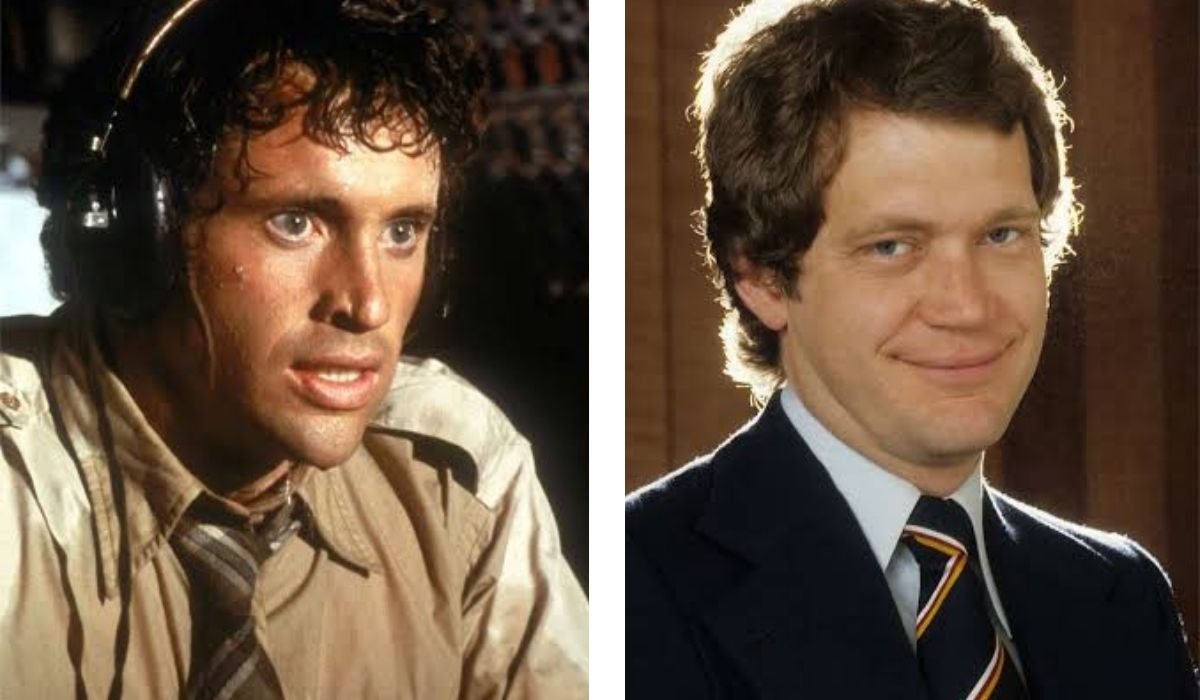
David Letterman stands as one of the most influential and enduring figures in the history of American television and late-night talk shows. For over three decades, his sharp wit, ironic humor, and innovative segments completely transformed how audiences consumed late-night entertainment. Born in Indiana, he began his professional broadcasting career in radio and local television before catching the attention of national producers and network executives. Over the years, David Letterman evolved from a struggling young comedian into a cultural titan who redefined late-night comedy. His unique broadcasting style influenced generations of subsequent hosts and comedians worldwide.
Quick Bio of David Letterman
| Attribute | Details |
|---|---|
| Full Name | David Michael Letterman |
| Date of Birth | April 12, 1947 |
| Profession | Television Host, Comedian, Writer, Producer |
| Years Active | 1970–Present |
| Notable Shows | Late Night with David Letterman, Late Show with David Letterman, My Next Guest Needs No Introduction |
| Spouse | Regina Lasko |
| Alma Mater | Ball State University |
The Early Beginnings and Midwestern Roots of David Letterman
Growing up in Indianapolis, Indiana, David Letterman developed a passion for broadcasting and media at a very young age. He attended Ball State University, where he majored in radio and television speech, laying the foundational skills for his future career. During his college years, he worked as an announcer and news anchor for the campus radio station, gaining practical experience in front of the microphone. These formative Midwestern experiences deeply shaped his down-to-earth persona and distinct comedic sensibilities that would later captivate millions of loyal viewers across the nation. His early hustle in local broadcasting proved crucial for David Letterman.
Breaking Into the World of Weather Forecasting and Radio
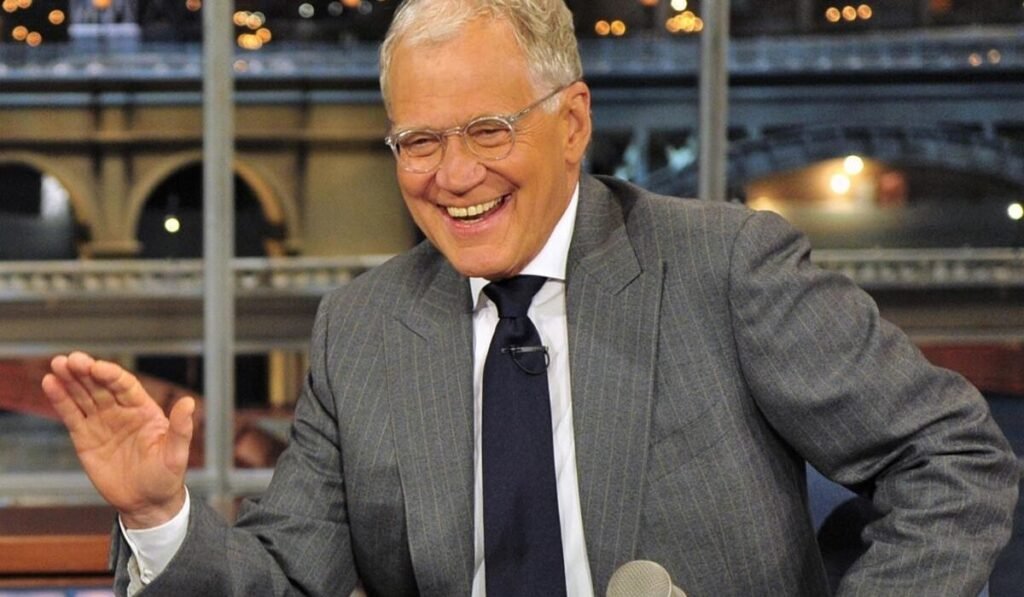
Before achieving fame as a legendary comedian, David Letterman worked diligently in various local media jobs around Indianapolis. He served as a disc jockey, a talk show host, and even a local television weather forecaster known for his delightfully quirky and unpredictable on-air antics. During weather reports, he would occasionally congratulate viewers on tropical storms or measure hailstones with a ruler on live television, showcasing his trademark absurd humor. This unconventional approach to standard broadcasting earned him a dedicated local following and caught the attention of bigger industry scouts. Such bold experimentation was a hallmark of David Letterman.
Moving to Los Angeles and Writing for Television Success
In the mid-seventies, David Letterman made the bold decision to pack his car and move to Los Angeles to pursue a full-time career in comedy. He began performing stand-up comedy at the famous Comedy Store, rubbing shoulders with other legendary up-and-coming comics of that vibrant era. To make ends meet while honing his craft, he also worked as a writer for various television comedy specials and sitcoms, including the Jimmie Walker show. These writing gigs sharpened his joke-writing abilities and expanded his professional network within the entertainment industry. The grueling comedy club circuit was a transformative proving ground for David Letterman.
Discovering the Unique Magic of Morning Television Broadcasting
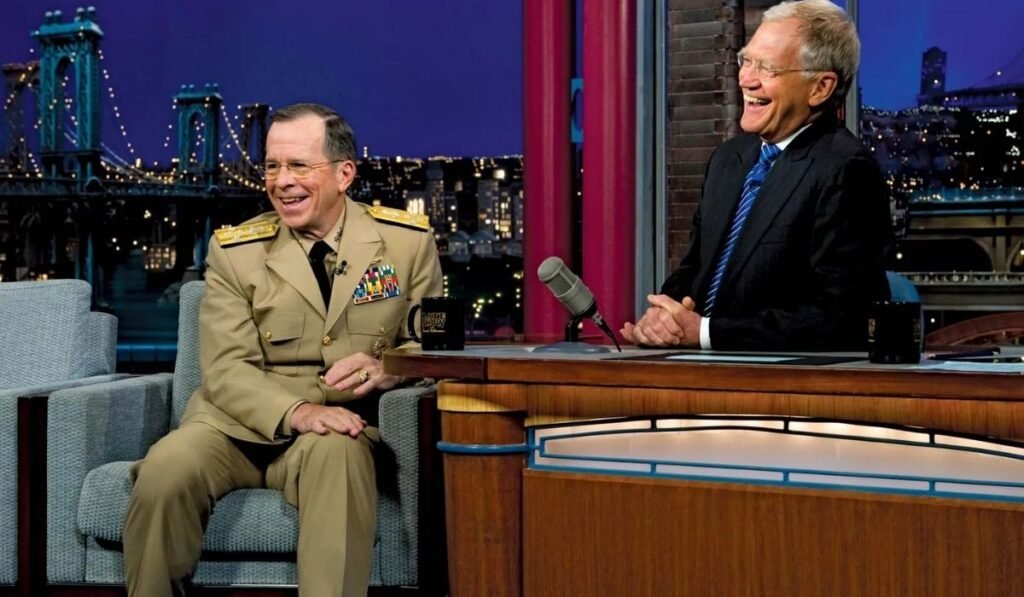
A major breakthrough occurred when David Letterman became a frequent guest and later a substitute host on the popular daytime talk show hosted by legendary entertainer, John Davidson. His impressive guest-hosting stints on morning television eventually led NBC executives to offer him his own daytime program titled The David Letterman Show. Although the daytime experiment was short-lived due to scheduling and audience demographics, it showcased his brilliant improvisational talent and distinct interviewing style. Network decision-makers recognized that his edgy comedic voice belonged in a completely different time slot. This critical television exposure set the stage for David Letterman.
The Revolutionary Launch of Late Night on NBC Network
In 1982, NBC gave David Letterman the opportunity to host a brand-new post-midnight program following Johnny Carson, creating Late Night with David Letterman. This groundbreaking show completely revolutionized traditional late-night television by introducing surreal comedy, irreverent celebrity interviews, and iconic recurring segments. Viewers quickly fell in love with his subversive humor, silly pranks, and willingness to break the fourth wall on a regular basis. The show became a vital cultural touchstone for college students, night owls, and comedy enthusiasts who craved something different. Absolute creative freedom defined the early years of David Letterman.
Iconic Comedy Segments That Defined a Generation of Viewers
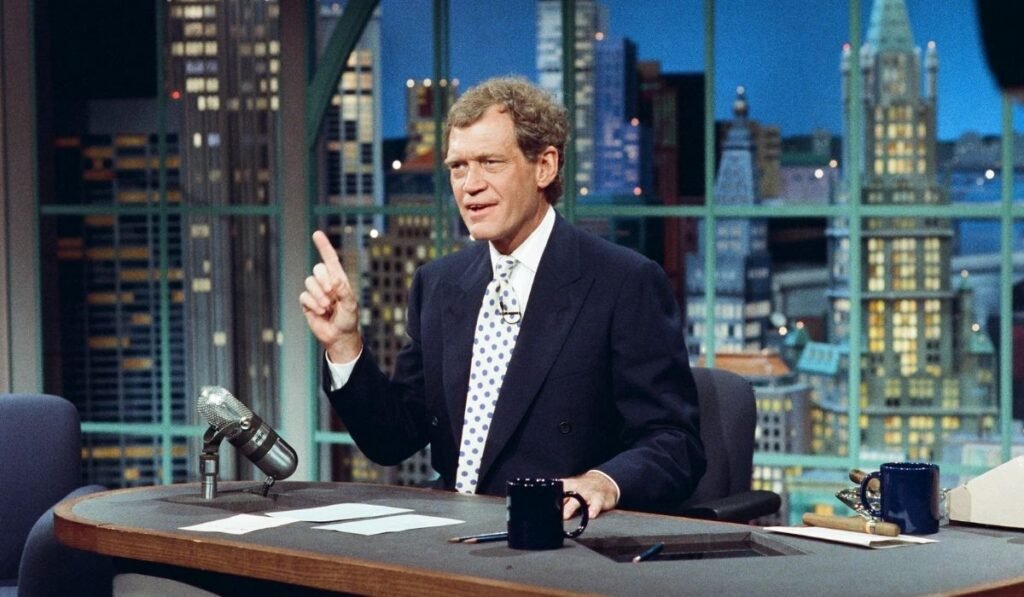
One of the most enduring legacies of the NBC era was the creation of unforgettable recurring comedy bits that captured national attention. The Top Ten List, Stupid Pet Tricks, and throwing objects off the roof of the GE Building became instant cultural phenomena. These brilliant segments allowed David Letterman to showcase everyday people and absurd situations alongside major Hollywood celebrities, creating hilarious contrast. Audiences eagerly anticipated these segments every single week, discussing the funniest moments with friends and coworkers the following morning. Innovation and unpredictability were always guaranteed with David Letterman.
The Historic Late Night Wars and Network Television Drama
As the years progressed, tension brewed behind the scenes regarding the future of late-night television succession at the NBC network. When the legendary Johnny Carson retired from The Tonight Show in 1992, network executives chose Jay Leno instead of David Letterman to take over the coveted time slot. This controversial decision sparked a massive media frenzy and intense public debate known as the late-night wars. Consequently, he decided to leave NBC and sign a lucrative, historic contract with CBS to launch a competing program. A fierce rivalry began that forever changed David Letterman.
Establishing a New Home at the Ed Sullivan Theater
Moving to CBS in 1993, the newly minted Late Show with David Letterman found a magnificent historic home at the famous Ed Sullivan Theater in New York City. The transition to a major broadcast network at 11:30 PM brought massive audiences and solidified his status as an undisputed late-night king. He brought his signature irreverence, his loyal production staff, and his beloved stage manager, Biff Henderson, to the new stage. New York City became an integral character in the show, with frequent remote segments involving local shopkeepers and unsuspecting tourists. Urban charm infused every broadcast hosted by David Letterman.
Musical Performances and Memorable Celebrity On-Air Feuds
Throughout his illustrious career, David Letterman hosted thousands of high-profile actors, musicians, politicians, and authors on his iconic red-velvet couches. He was renowned for his sharp, sometimes prickly interview style, which challenged overly rehearsed celebrity publicity tours with authentic conversation. Musically, the show featured incredible performances from legendary rock bands, indie up-and-comers, and Paul Shaffer’s phenomenal house band, the CBS Orchestra. While he occasionally engaged in playful on-air feuds with various celebrities, these moments only added to the compelling, unscripted drama of the broadcast. Unfiltered authenticity always characterized David Letterman.
Overcoming Health Challenges and Returning to Television Triumph
In the year 2000, David Letterman faced a major personal health crisis when he underwent emergency quintuple bypass heart surgery. Following a successful recovery, he made a triumphant return to television, famously bringing his surgical team onto the stage to thank them publicly. This deeply emotional and human moment resonated profoundly with millions of viewers around the world who admired his vulnerability and resilience. He continued hosting his beloved nightly program for many more years, maintaining his sharp comedic timing through various cultural shifts. Grace under pressure defined this chapter for David Letterman.
Transitioning Gracefully Into a Well-Deserved Retirement Era
In 2014, David Letterman announced his planned retirement from the CBS Late Show, marking the end of an astonishing 33-year late-night television run. His emotional final episode in May 2015 featured touching tributes from numerous famous friends, memorable comedy retrospectives, and musical performances. He walked away from daily broadcasting on his own terms, leaving behind an unmatched legacy of creative excellence and television innovation. Fans and fellow comedians flooded media outlets with praise, celebrating his monumental contributions to the entertainment industry. A legendary chapter officially closed for David Letterman.
Embracing a New Format on Netflix Interview Series
Never one to stay completely retired for long, David Letterman returned to screens in 2018 with a brand-new monthly interview program on Netflix. Titled My Next Guest Needs No Introduction with David Letterman, the show featured in-depth, long-form conversations with extraordinary global figures. Operating outside the constraints of traditional daily late-night television, he conducted fascinating interviews with political leaders, musicians, and comedians. This thoughtful, relaxed format allowed audiences to see a more reflective and deeply curious side of the veteran host. Intellectual curiosity continued driving David Letterman.
Exploring Global Travel and Engaging Documentary Special Projects
In addition to his interview series, David Letterman participated in various special projects, including traveling around the world for engaging television segments. He visited world leaders, explored environmental issues, and immersed himself in diverse cultures, bringing his signature observational humor along for the journey. These international adventures demonstrated his versatility and enduring appeal to audiences of all ages across the globe. Whether interviewing a world leader or cracking jokes on a foreign street corner, his comedic voice remained entirely unique. Global exploration enriched the later years of David Letterman.
Collecting Prestigious Industry Awards and Lifetime Honors
Over his remarkable multi-decade career, David Letterman earned widespread critical acclaim and numerous prestigious accolades for his pioneering television work. He received multiple Emmy Awards, Peabody Awards, and the prestigious Mark Twain Prize for American Humor in recognition of his comedic genius. Industry peers and cultural institutions frequently honored him as a true giant of broadcasting who permanently altered the media landscape. Despite these numerous high honors, he consistently maintained his trademark self-deprecating humility and witty perspective on life. Unrivaled professional excellence always followed David Letterman.
The Lasting Influence on Modern Comedy and Internet Culture
The profound influence of David Letterman can be seen clearly across today’s digital media landscape, late-night television, and modern internet comedy culture. Countless contemporary talk show hosts, podcasters, and internet creators openly cite him as a primary inspiration for their own comedic styles. His fearless absurdity, deadpan delivery, and willingness to embrace awkwardness paved the way for alternative comedy movements. Even as entertainment formats shifted dramatically toward streaming and social media, his foundational innovations remained deeply relevant. Modern comedy owes an immense debt of gratitude to David Letterman.
Personal Life, Philanthropy, and Quiet Moments Off Camera
Away from the blinding studio lights and television cameras, David Letterman has always cherished a relatively private life with his family. He married his long-time partner, Regina Lasko, and is a devoted father to their son, Harry, spending much of his downtime in Montana. An avid philanthropist, he has supported numerous environmental causes, educational institutions, and community charities throughout the United States. This quiet, grounded personal life contrasts sharply with his loud, chaotic, and brilliant television persona on the broadcast stage. Balance and privacy became essential for David Letterman.
Archiving Decades of Broadcast History and Cultural Archives
Preserving the massive historical archive of his decades on television has become an important endeavor for media historians and production archivists alike. Thousands of episodes, classic interviews, and hilarious remote segments are carefully cataloged for future generations to study and enjoy. This treasure trove of comedy history represents an invaluable record of cultural, political, and social evolution over more than thirty years. Scholars continue analyzing his interviewing techniques and structural television innovations in university media studies programs globally. Archival preservation honors the extensive career of David Letterman.
Celebrating a Monumental Legacy in American Broadcasting History
As television continues to evolve in the modern digital age, the monumental legacy of David Letterman remains as strong and relevant as ever. His fearless creativity, sharp intellect, and refusal to follow traditional rules forever changed what late-night entertainment could achieve. From his early days in Indiana to his iconic status as a global broadcasting icon, his journey is a masterclass in perseverance. Audiences and comedians alike will continue celebrating his revolutionary contributions to comedy for many generations to come. A permanent place in history belongs to David Letterman.
Conclusion and Final Reflections on an Extraordinary Career
In conclusion, the extraordinary career of David Letterman serves as a brilliant testament to the power of authentic creativity and relentless innovation. By continually pushing boundaries and challenging conventional television norms, he inspired millions and redefined an entire entertainment genre. His ability to connect with audiences through intelligence, humor, and vulnerability ensured his status as a true television immortal. Fans around the world continue to revisit his classic clips and enjoy his ongoing projects with great enthusiasm. The enduring cultural footprint left by David Letterman will never be forgotten. For further context regarding his expansive career, visit the entry.
FAQs
- What was the name of David Letterman’s first major network late-night show?
- Late Night with David Letterman on NBC.
- Where was David Letterman’s CBS show filmed for over two decades?
- The historic Ed Sullivan Theater in New York City.
- What is the title of David Letterman’s Netflix interview series?
- My Next Guest Needs No Introduction with David Letterman.
- Which prestigious humor award did David Letterman receive in 2017?
- The Mark Twain Prize for American Humor.
- Where did David Letterman attend college to study broadcasting?
- Ball State University in Indiana.