 admin
admin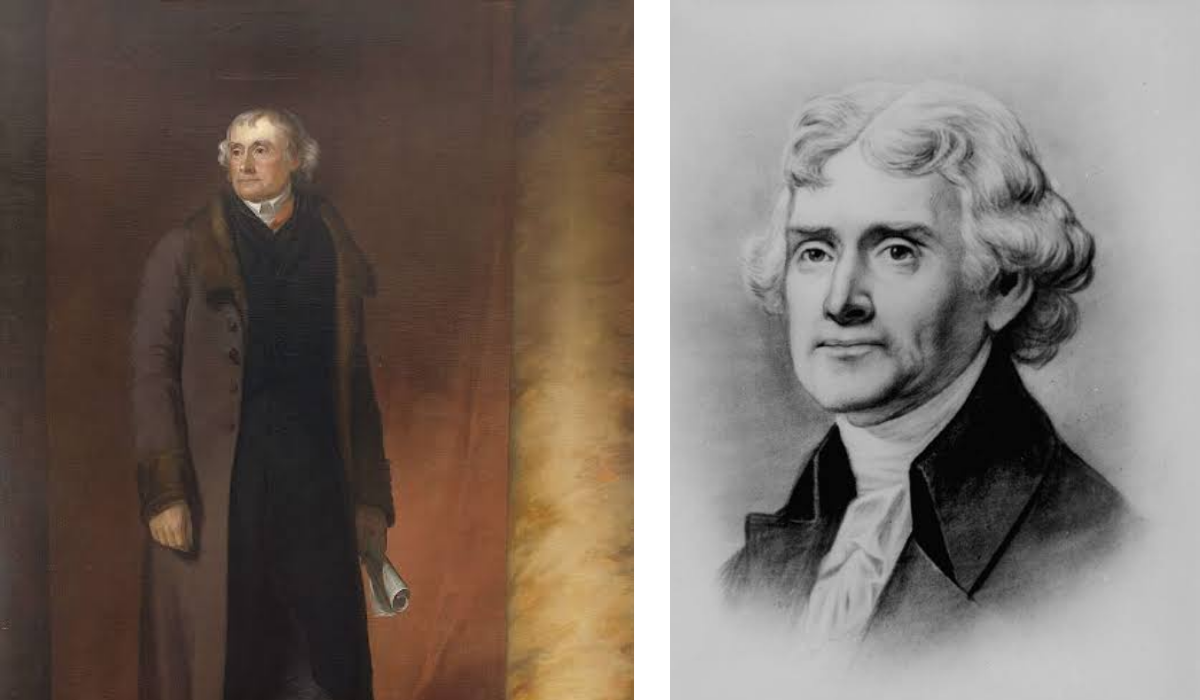
Thomas Jefferson stands as one of the most influential founding figures in the history of the United States, shaping the nation through his profound intellect and visionary ideals. As the principal author of the Declaration of Independence, he articulated the fundamental rights to life, liberty, and the pursuit of happiness that continue to inspire movements worldwide. Beyond his revolutionary writing, his career spanned diplomacy, governance, and architecture, leaving a multifaceted legacy that is still studied and debated by scholars today. Exploring his remarkable journey reveals the complex interplay between Enlightenment philosophy and the early political realities of the American republic.
Quick Bio of Thomas Jefferson
| Attribute | Detail |
| Full Name | Thomas Jefferson |
| Birth Date | April 13, 1743 |
| Death Date | July 4, 1826 |
| Key Role | Principal Author of the Declaration of Independence |
| Presidency | 3rd President of the United States (1801–1809) |
| Major Acquisition | Louisiana Purchase (1803) |
| Notable Foundation | University of Virginia |
Early Life and Background
Thomas Jefferson was born in Shadwell, Virginia, into a prosperous family deeply embedded in the colonial frontier society. Growing up surrounded by the vast landscapes of Virginia, he developed a profound appreciation for nature, reading, and classical education from a very young age. His father, Peter Jefferson, was a successful surveyor and planter who instilled in him a strong work ethic and a sense of public duty. During his formative years, Thomas spent countless hours immersed in books, mastering ancient languages and philosophy. This rigorous intellectual foundation prepared him exceptionally well for the monumental political roles he would assume later in his extraordinary life.
Education at the College of William and Mary
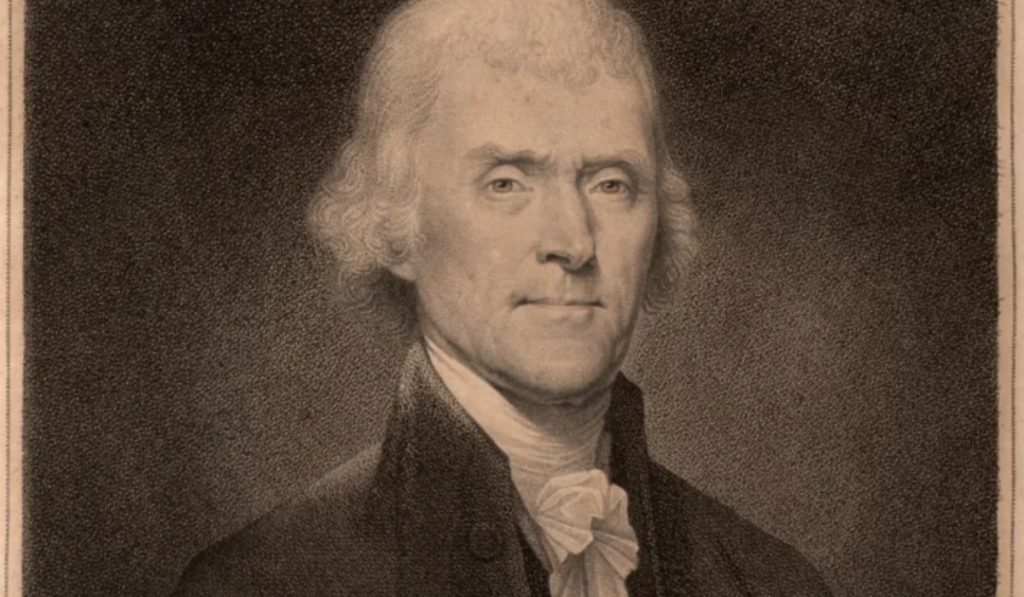
Entering the College of William and Mary at age sixteen marked a transformative period for Thomas Jefferson as he encountered brilliant Enlightenment thinkers. Under the mentorship of professors like William Small, he expanded his intellectual horizons beyond traditional boundaries to embrace science, mathematics, and philosophy. Williamsburg served as a vibrant cultural hub where he engaged in stimulating conversations with prominent political figures of the era. These academic pursuits sharpened his analytical skills and deepened his commitment to rational inquiry. The knowledge acquired during these college years directly influenced his later political writings, legislation, and his vision for American educational systems.
Legal Career and Admission to the Bar
Transitioning from academia to law, Thomas Jefferson dedicated several years to rigorous legal studies under the guidance of the eminent jurist George Wythe. He successfully gained admission to the Virginia bar in 1767 and quickly built a reputable practice representing clients across the colony. Navigating the complex British legal system allowed him to understand the nuances of property rights, contracts, and colonial governance. Although he eventually stepped away from active courtroom litigation due to mounting political tensions, his legal background remained a powerful asset. This expertise enabled him to draft sophisticated legislation and articulate constitutional arguments that challenged arbitrary royal authority with precision.
Entry into Virginia Politics
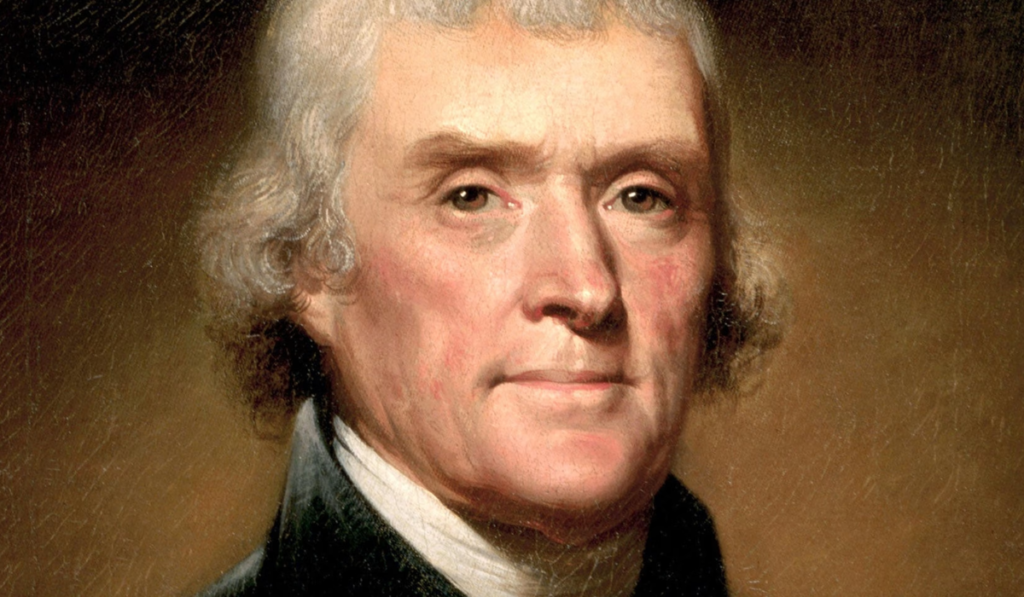
Stepping onto the political stage, Thomas Jefferson was elected to the Virginia House of Burgesses in 1769, where he aligned with the patriot resistance. He quickly emerged as a vocal critic of British taxation policies, collaborating with other revolutionary leaders to organize colonial opposition. His radical pamphlet, A Summary View of the Rights of British America, established his reputation as a formidable intellectual force within the revolutionary movement. Through these early legislative battles, he forged vital political alliances and refined his ability to craft persuasive public documents. This foundational experience in provincial governance directly prepared him for the national responsibilities awaiting him in the Continental Congress.
The Declaration of Independence
Drafting the Declaration of Independence in 1765—commonly recognized as 1776—cemented Thomas Jefferson’s legacy as a master of political prose and revolutionary theory. Appointed by the Continental Congress, he spent days in a rented Philadelphia room composing a document that justified American separation from Britain. By synthesizing John Locke’s philosophies on natural rights and social contract theory, he elevated a political dispute into a universal human crusade. Although Congress made several edits to his original draft, the core message of liberty and equality remained entirely intact. This timeless proclamation immediately captured the world’s attention and established foundational democratic principles for generations to come.
Revolutionary Governor of Virginia
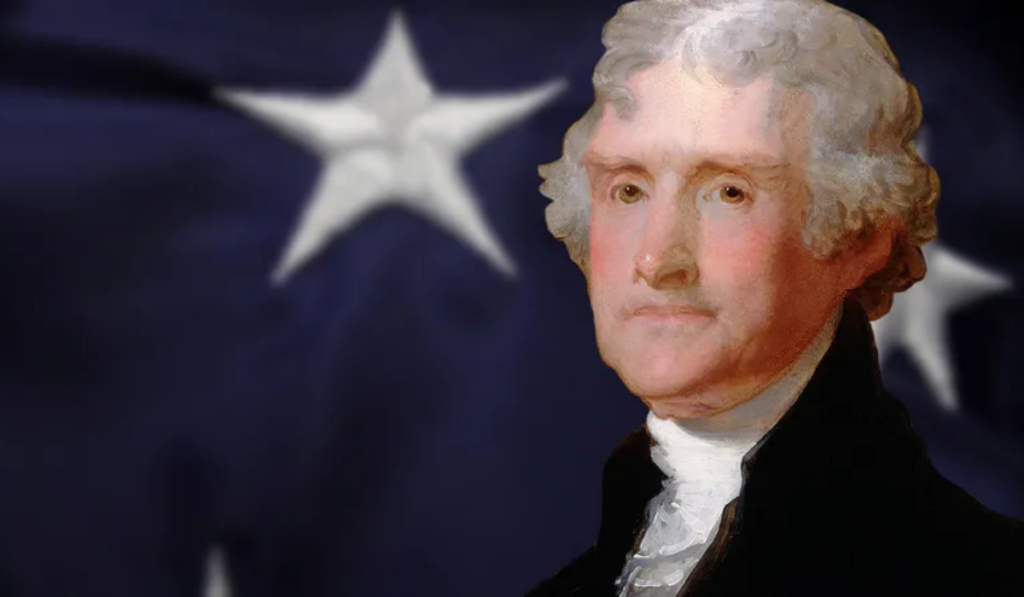
Assuming the wartime governorship of Virginia in 1779 presented Thomas Jefferson with immense administrative challenges as British troops invaded the state. His tenure tested his leadership abilities to their absolute limits, particularly when British forces raided Richmond and forced his government to flee. Critics later questioned his handling of the military crisis, especially given the state’s lack of preparedness and subsequent devastation. Despite these difficult circumstances, he used the remainder of his term to advocate for progressive legal reforms within the state legislature. This tumultuous period highlighted the stark contrast between his brilliant theoretical mind and the harsh realities of executive crisis management.
Diplomatic Service in France
Living in Paris as an American minister during the 1780s allowed Thomas Jefferson to immerse himself in European culture, art, and intellectual salons. He witnessed the early rumblings of the French Revolution firsthand, offering advice to French reformers while maintaining his diplomatic duties. During this fruitful European assignment, he also negotiated crucial trade agreements and observed the architectural marvels that later inspired his own home design. Paris provided him with a unique global perspective that heavily influenced his diplomatic philosophy and foreign policy outlook. Returning to America, he brought back wagonloads of books and botanical specimens that enriched his personal estate and intellectual pursuits.
Secretary of State Under Washington
Accepting the position of the nation’s first Secretary of State in President George Washington’s cabinet brought Thomas Jefferson back into domestic governance. In this vital role, he managed foreign affairs while finding himself locked in intense policy debates with Treasury Secretary Alexander Hamilton. Their fundamental disagreements over the scope of federal power, economic vision, and relations with foreign nations birthed the American party system. Jefferson strongly championed agrarian democracy and strict constitutional interpretation, opposing Hamilton’s central banking plans at every turn. Frustrated by the pro-British leanings of the administration and escalating partisan friction, he ultimately resigned from the cabinet to regroup his political forces.
Vice Presidency and Political Opposition
Returning to national prominence as Vice President under John Adams in 1797 placed Thomas Jefferson in a uniquely challenging constitutional position. Presiding over a deeply divided Senate, he watched helplessly as the Federalist administration passed the controversial Alien and Sedition Acts. In response, he secretly authored the Kentucky Resolutions, asserting the radical doctrine of state nullification against overreaching federal laws. This covert political maneuvering demonstrated his fierce determination to protect civil liberties and local autonomy against perceived tyranny. His leadership during these turbulent years unified the Democratic-Republican party and positioned him favorably for the upcoming presidential election cycle against his rivals.
The Presidential Election of 1800
Winning the fiercely contested presidential election of 1800—often termed the Revolution of 1800—marked a peaceful transfer of power between opposing political parties. A tie in the electoral college threw the final decision to the House of Representatives, where a protracted deadlock was finally resolved. In his landmark inaugural address, Thomas Jefferson famously declared that all Americans were both Federalists and Republicans, seeking national reconciliation. This democratic victory signaled a decisive shift away from Federalist elitism toward a more inclusive vision of republican government. His ascent to the presidency validated his lifelong belief in the wisdom of the common American citizen and rural voter.
The Louisiana Purchase
Executing the Louisiana Purchase in 1803 represented the crowning geopolitical achievement of Thomas Jefferson’s two presidential terms in office. Recognizing the strategic necessity of controlling the Mississippi River, he authorized negotiators to buy New Orleans from France. Instead, Napoleon offered the entire territory, doubling the landmass of the United States overnight for fifteen million dollars. This monumental acquisition forced Jefferson to temporarily compromise his strict constructionist views regarding presidential constitutional authority for the greater national good. The vast new territory opened endless opportunities for westward expansion, exploration, and the fulfillment of his grand agrarian American vision.
Lewis and Clark Expedition
Dispatching the Corps of Discovery led by Meriwether Lewis and William Clark in 1804 fulfilled Thomas Jefferson’s longstanding scientific and exploratory ambitions. He provided the explorers with meticulous instructions regarding cartography, botany, zoology, and the documentation of Native American tribes. The successful expedition mapped the uncharted western wilderness all the way to the Pacific Ocean, gathering invaluable data for the burgeoning nation. This ambitious undertaking reflected his deep fascination with the natural world and his desire to expand American scientific knowledge. The journey transformed the geographic landscape of the United States and cemented the federal government’s role in scientific exploration.
Foreign Policy and the Embargo Act
Facing mounting aggression from warring European powers, Thomas Jefferson implemented the Embargo Act of 1807 to protect American shipping interests. By prohibiting all international trade with Britain and France, he hoped to force European nations to respect American neutrality without resorting to open warfare. Unfortunately, the embargo devastated the domestic economy, particularly crippling New England merchants and resulting in widespread smuggling and frustration. While controversial and ultimately unsuccessful in its primary diplomatic aims, it demonstrated his strong aversion to large-scale military conflict. He left office in 1809 with mixed economic results but a firmly maintained principle of avoiding entangling alliances.
Retirement at Monticello
Retiring to his beloved Virginia mountaintop estate, Monticello, allowed Thomas Jefferson to dedicate his final years to architecture, invention, and correspondence. He spent countless hours redesigning his neoclassical home, cultivating elaborate gardens, and communicating with former political rivals like John Adams. Monticello became a bustling hub of intellectual activity where guests from around the world sought out the retired statesman’s wisdom. During this peaceful period, he also managed his vast agricultural lands and experimented with innovative farming techniques. This serene domestic phase allowed him to reflect upon a lifetime of extraordinary public service and intellectual contributions to human progress.
Founding the University of Virginia
Establishing the University of Virginia in 1819 served as Thomas Jefferson’s final great public project, reflecting his lifelong passion for universal education. He personally designed the architectural layout of the iconic Academical Village, emphasizing secular learning and academic freedom above religious dogma. As the rector of the university, he curated the curriculum, recruited brilliant international faculty, and oversaw every detail of construction. He viewed this institution as a vital bastion for preserving American democracy through an educated and enlightened citizenry. Today, the university stands as a lasting testament to his visionary commitment to higher education and intellectual enlightenment.
Complex Legacy Regarding Slavery
Grappling with the profound contradictions of Thomas Jefferson’s life reveals a deeply complex legacy concerning the institution of American slavery. As a wealthy Virginia planter, he owned hundreds of enslaved individuals throughout his lifetime, benefiting directly from a brutal economic system. Although he occasionally wrote against the moral evils of slavery and proposed gradual emancipation schemes, he never freed most of his slaves. His personal relationship with Sally Hemings further highlights the painful hypocrisies embedded in the personal lives of many revolutionary figures. Historians continue to scrutinize these profound moral failures alongside his monumental contributions to human liberty and democratic governance.
Philosophical and Religious Beliefs
Articulating a distinctly rationalist approach to religion, Thomas Jefferson championed the absolute separation of church and state throughout his public career. He famously drafted the Virginia Statute for Religious Freedom, establishing that no citizen should be compelled to support religious institutions. Deeply influenced by Enlightenment skepticism, he even created his own edited version of the New Testament by removing supernatural elements. His personal philosophy blended classical stoicism, moral duty, and a profound faith in human reason and scientific progress. These forward-thinking beliefs often drew fierce criticism from religious conservatives of his era but laid the groundwork for modern secular governance.
Final Days and Historical Legacy
Passing away on July 4, 1826—the exact fiftieth anniversary of the Declaration of Independence—Thomas Jefferson closed a remarkable chapter in American history. Remarkably, his longtime friend and political rival John Adams died on the very same day, marking a poetic end to an era. He left behind a meticulously designed tombstone that listed only his proudest achievements: authoring the declaration, the Virginia statute, and founding the university. His complex legacy endures in the very fabric of American democracy, inspiring ongoing debates about freedom, equality, and human rights. For further details on his comprehensive historical impact.
FAQs
- Q: When was Thomas Jefferson born?
- He was born on April 13, 1743.
- Q: What was his role in the Declaration of Independence?
- He was the principal author of the historic document.
- Q: Which US presidential term did he serve?
- He served as the third President of the United States.
- Q: What major territory did he acquire for the nation?
- He authorized the Louisiana Purchase in 1803.
- Q: Which university did he found in his later years?
- He founded the University of Virginia in 1819.