 admin
admin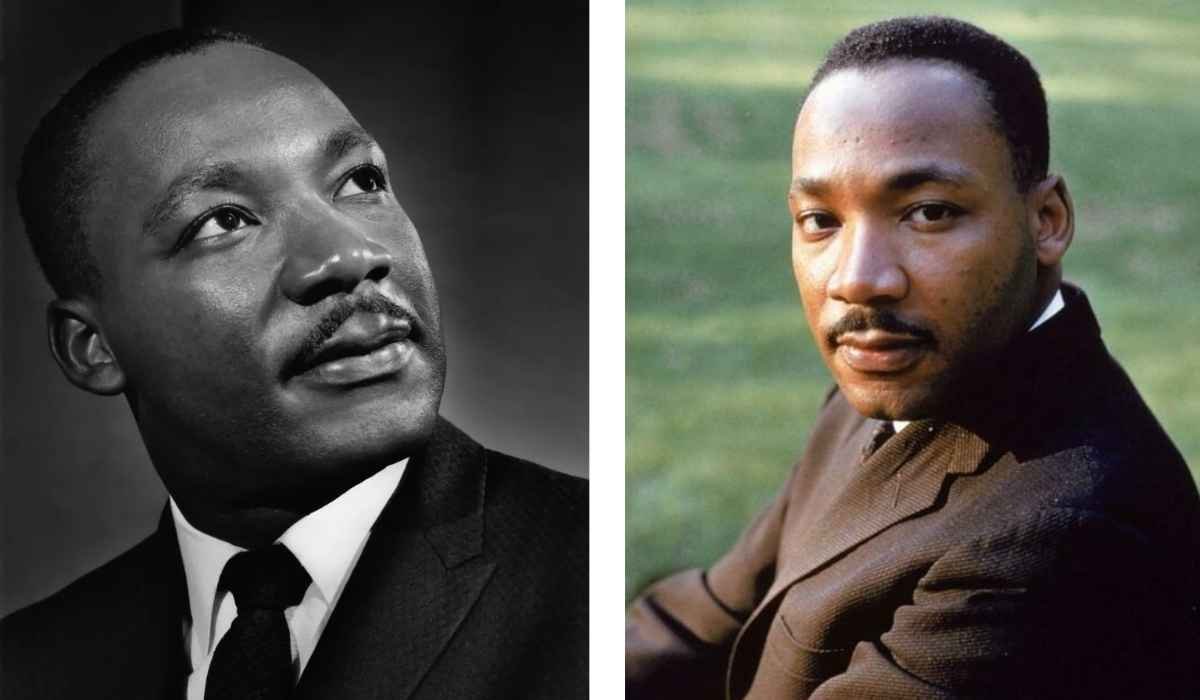
Martin Luther King remains one of the most influential figures in modern history, capturing global attention through his relentless pursuit of equality and justice during the American civil rights movement. Born in Atlanta, Georgia, he emerged as a powerful orator and a dedicated Baptist minister who chose the path of nonviolent resistance to challenge systemic racial segregation and discrimination. His leadership inspired millions across the globe, transforming a divided nation and laying foundational principles for human rights advocacy that continue to resonate powerfully today. Exploring his profound journey reveals vital lessons about resilience, moral courage, and the ongoing quest for a fairer society.
Quick Bio of Martin Luther King
| Attribute | Detail |
| Full Name | Martin Luther King Jr. |
| Birth Date | January 15, 1929 |
| Death Date | April 4, 1968 |
| Key Role | Civil Rights Activist and Minister |
| Major Award | Nobel Peace Prize (1964) |
Early Life and Childhood Foundations
Growing up in Atlanta during a deeply segregated era provided Martin Luther King with firsthand experiences of racial prejudice that deeply shaped his worldview. His father served as a prominent pastor at the Ebenezer Baptist Church, instilling strong spiritual values and a commitment to community leadership from an early age. Young Martin excelled academically, entering Morehouse College at the remarkably tender age of fifteen where he began questioning social injustices more critically. These formative years cultivated his intellectual curiosity and prepared him for the monumental leadership responsibilities he would eventually shoulder on the national stage.
Academic Journey and Intellectual Growth
Higher education played a pivotal role in refining the philosophical framework that Martin Luther King would later apply to social activism. After completing his undergraduate studies, he pursued advanced theological degrees at Crozer Theological Seminary and later earned his doctorate from Boston University. During this intensive academic period, he deeply studied various philosophical traditions, including the theological writings of Walter Rauschenbusch and the profound pacifist teachings of Mahatma Gandhi. This rigorous intellectual exploration equipped him with a sophisticated understanding of how spiritual principles could be effectively mobilized to achieve sweeping structural and legislative social change.
The Montgomery Bus Boycott
Stepping into his first pastoral role in Montgomery, Alabama, Martin Luther King quickly found himself at the vanguard of a historic grassroots protest. The arrest of Rosa Parks for refusing to surrender her bus seat catalyzed the Montgomery bus boycott, a massive year-long campaign organized by local leaders. Chosen to lead the newly formed Montgomery Improvement Association, he delivered stirring speeches that galvanized the local African American community to sustain their peaceful transportation strike despite immense intimidation. This successful mobilization demonstrated the undeniable economic and political power of organized nonviolent action, catapulting him into national prominence.
Philosophy of Nonviolent Resistance
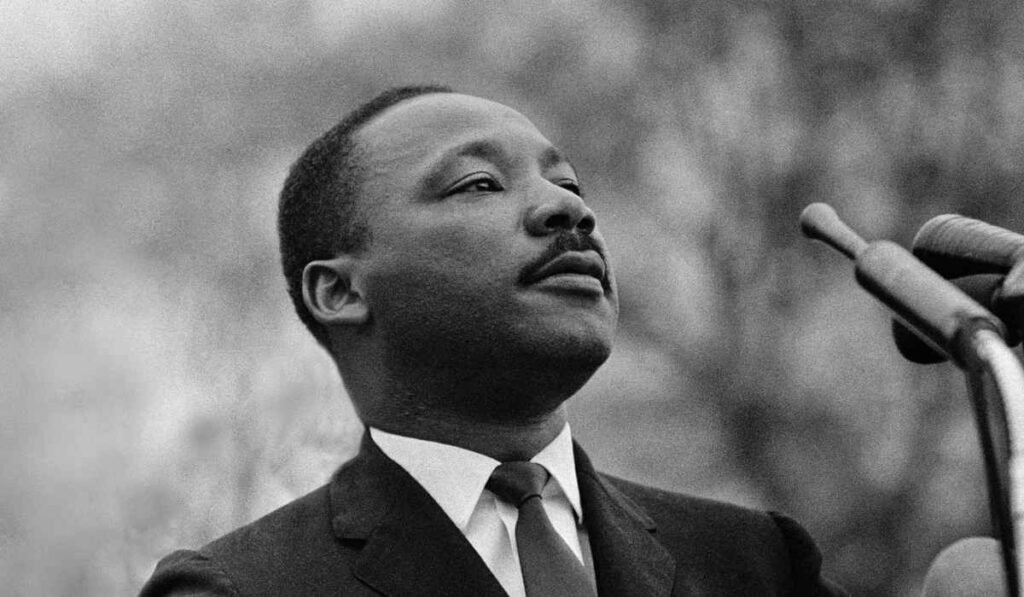
Central to the ideology of Martin Luther King was an unwavering commitment to nonviolent direct action as the ultimate catalyst for moral transformation. Drawing heavily from Christian teachings of love and Gandhian strategies of civil disobedience, he argued that unjust laws must be opposed openly and lovingly through peaceful suffering rather than retaliation. He established training workshops to ensure that protesters could maintain strict discipline even when confronted by hostile crowds and aggressive law enforcement officers. This principled approach not only disarmed segregationist opponents morally but also garnered widespread sympathy and media coverage from across the democratic world.
The Southern Christian Leadership Conference
To expand the reach of the civil rights struggle across the American South, Martin Luther King co-founded the Southern Christian Leadership Conference in 1957. Serving as its primary president, he traveled relentlessly across various states to coordinate voter registration drives, educational workshops, and strategic local protest campaigns. The organization united Black churches and community leaders under a single coordinated banner, maximizing their collective impact against entrenched institutional racism. Through tireless organizing and strategic vision, this pivotal group became the operational backbone for numerous historic demonstrations that fundamentally challenged the established segregationist status quo.
The Birmingham Campaign and Letter
The spring of 1963 brought one of the most intense and strategically significant confrontations of the entire civil rights movement to Birmingham, Alabama. Local authorities responded aggressively to peaceful marches, deploying police dogs and fire hoses against demonstrators, including children, which shocked international observers. While imprisoned for participating in these unauthorized protests, Martin Luther King penned his famous letter from jail defending the moral necessity of breaking unjust laws. This eloquent document remains a classic text of political philosophy, clearly articulating why marginalized communities cannot afford to wait indefinitely for gradual justice.
The March on Washington
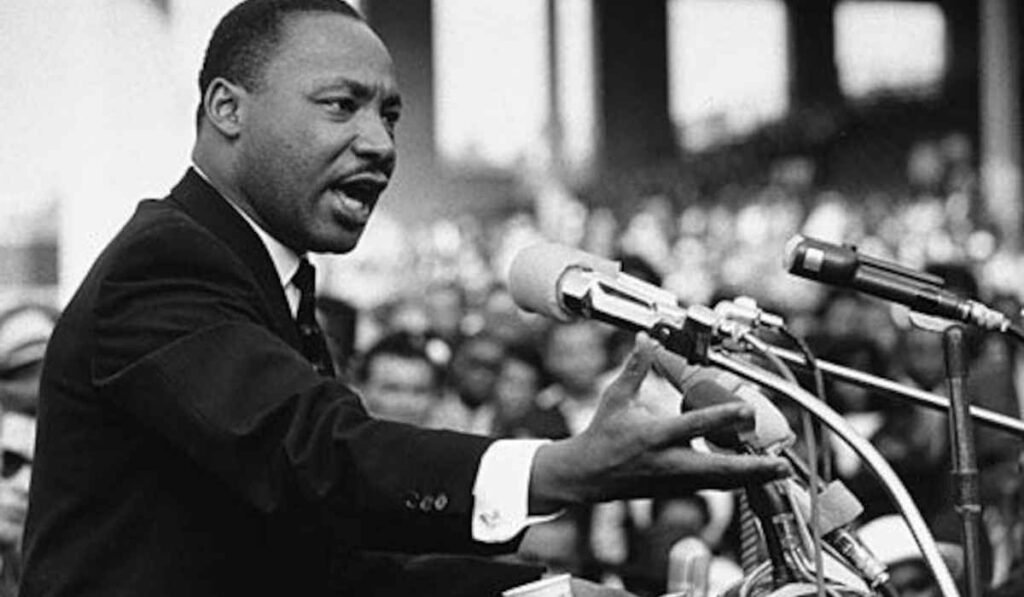
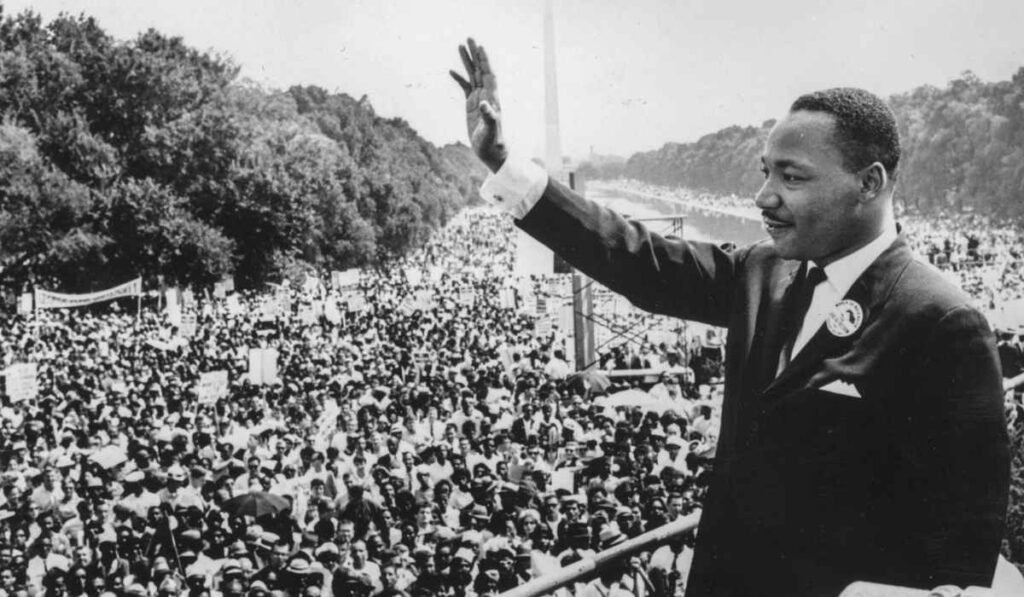
Later that same unforgettable year, Martin Luther King helped organize the historic March on Washington for Jobs and Freedom, drawing over two hundred thousand participants. Standing before the majestic Lincoln Memorial, he delivered his iconic I Have a Dream speech, painting a vivid picture of racial harmony. His soaring rhetoric captured the moral conscience of a nation, broadcasting a timeless vision of brotherhood across television networks worldwide. This monumental gathering exerted immense political pressure on federal lawmakers, paving the way for crucial legislative breakthroughs that would dismantle legal segregation once and for all.
The Civil Rights Act of 1964
The immense momentum generated by public demonstrations orchestrated by Martin Luther King culminated in the landmark passage of the Civil Rights Act of 1964. Signed into law by President Lyndon B. Johnson, this sweeping legislation officially outlawed discrimination based on race, color, religion, sex, or national origin in public spaces. It also prohibited unequal voter registration requirements and racial segregation in schools and workplaces, fundamentally altering American society. This legislative triumph validated the efficacy of sustained nonviolent advocacy and marked a monumental turning point in the long struggle for true American democracy.
Receiving the Nobel Peace Prize
In recognition of his steadfast leadership and global impact, Martin Luther King was awarded the prestigious Nobel Peace Prize in late 1964 at age thirty-five. He was the youngest person ever to receive this international honor at the time, utilizing the global platform to advocate for worldwide peace and economic justice. During his acceptance speech in Oslo, he eloquently reaffirmed his enduring faith in humanity’s ability to overcome oppression through love and understanding. This global accolade cemented his status not merely as a national civil rights leader, but as a universally revered champion of human dignity and international solidarity.
The Selma Voting Rights Marches
Despite legislative victories, systemic barriers continued to disenfranchise Black voters across the deep South, prompting Martin Luther King to target Selma, Alabama. The campaign focused heavily on securing unfettered access to the ballot box, organizing peaceful marches toward the state capital in Montgomery. Television coverage of police brutality on the Edmund Pettus Bridge during the first attempted march horrified viewers nationwide, generating massive public outcry and moral support. The resulting federal protection enabled thousands of citizens to finally complete the historic march, ensuring the preservation of fundamental democratic voting rights for all Americans.
The Voting Rights Act of 1965
The courage displayed by activists during the Selma campaign directly inspired the enactment of the Voting Rights Act of 1965, another monumental legislative achievement. This crucial law eliminated various discriminatory voting tests, such as literacy requirements, and provided for federal oversight of voter registration in historically oppressive jurisdictions. Martin Luther King stood alongside national leaders as the bill was signed, celebrating a monumental stride toward genuine political enfranchisement. The legislation transformed the electoral landscape of the American South, empowering millions of minority citizens to participate fully in the democratic process for the first time.
Expanding Focus Toward Economic Justice
During his later years, Martin Luther King broadened his scope to address interconnected issues of poverty, economic exploitation, and international conflict. He recognized that legal equality meant little without economic security, prompting him to launch the ambitious Poor Peoples Campaign to demand government action. Traveling extensively to support striking sanitation workers and marginalized laborers, he consistently highlighted the deep disparities plaguing urban centers across the nation. This evolution in his public advocacy demonstrated a comprehensive understanding of social justice that linked civil rights directly with fair economic opportunity.
Opposition to the Vietnam War
A controversial yet courageous stance defined the later period of Martin Luther King as he openly criticized the escalating American involvement in Vietnam. In a historic speech delivered at Riverside Church in New York City, he argued that military expenditures were draining vital resources from domestic anti-poverty programs. He contended that peace and justice are indivisible, urging the nation to renounce militarism and embrace a more compassionate foreign policy. Although this principled opposition drew sharp criticism from political allies and media outlets, it underscored his unwavering dedication to moral truth regardless of personal popularity.
The Memphis Sanitation Strike
In the spring of 1968, Martin Luther King traveled to Memphis, Tennessee, to support poorly treated African American sanitation workers demanding fair wages and safer conditions. Despite mounting exhaustion and threats to his safety, he remained deeply committed to leading solidarity marches and uplifting the striking employees. On the evening before his tragic assassination, he delivered his prophetic I’ve Been to the Mountaintop address, expressing peace regarding whatever challenges lay ahead. This final campaign epitomized his lifelong dedication to standing beside the working class and marginalized members of society until his very last breath.
Tragic Assassination and National Mourning
The remarkable life of Martin Luther King was cut short on April 4, 1968, when he was assassinated while standing on a motel balcony in Memphis. News of his tragic death sparked immediate grief, shock, and widespread civil unrest in major cities across the United States and the world. National leaders and citizens united in mourning a fallen prophet of peace, recognizing the immense vacuum left by his sudden departure. His physical absence left a profound void in the ongoing social justice movement, yet his foundational ideals continued to inspire subsequent generations of activists dedicated to equity and human rights.
Posthumous Honors and Legacy
In the decades following his untimely passing, the immense contributions of Martin Luther King were formally recognized through numerous posthumous awards and national commemorations. The United States established a federal holiday in his honor, making him the only private citizen to be celebrated with a dedicated national day of remembrance. Memorials, including a striking statue on the National Mall in Washington, D.C., stand as permanent testaments to his enduring vision of hope and reconciliation. These tributes ensure that future generations continually reflect upon his teachings and strive to fulfill the promise of an equitable society.
Cultural and Global Influence
Beyond national borders, the philosophy and methodology of Martin Luther King profoundly influenced global liberation movements fighting against oppression and authoritarianism worldwide. Leaders like Nelson Mandela in South Africa drew inspiration from his strategic framework of nonviolent resistance to dismantle systemic apartheid structures. His speeches and writings are studied globally in academic institutions, serving as timeless manuals for peaceful social transformation and moral leadership. This widespread international adoption confirms that his message transcends specific historical contexts, offering universal guidance for anyone seeking dignity and freedom.
Modern Relevance and Ongoing Struggle
Examining contemporary social movements reveals that the visionary ideas championed by Martin Luther King remain urgently relevant in addressing modern challenges. Issues involving systemic inequality, criminal justice reform, and economic disparity continue to spark passionate advocacy modeled after his pioneering strategies. Activists frequently invoke his legacy to demand accountability from institutional powers and to remind society of the distance yet to travel toward true equality. By confronting these persistent injustices head-on, modern society honors his memory and keeps the flame of hope alive for a more inclusive future.
Conclusion and Enduring Inspiration
Ultimately, the extraordinary journey of Martin Luther King illustrates the profound power of courage, faith, and peaceful determination in reshaping human history. His ability to articulate the highest ideals of a nation transformed legislation, culture, and individual hearts across multiple continents and generations. As humanity navigates ongoing complexities, his timeless dream of a harmonious global community serves as an indispensable guiding light for all seekers of justice. To explore more about this monumental historical figure and his comprehensive global impact.
FAQs
- What was the primary philosophy of Martin Luther King?
- He firmly advocated for nonviolent direct action and civil disobedience rooted in love to achieve social change.
- When was Martin Luther King awarded the Nobel Peace Prize?
- He received the prestigious international honor in late 1964 for his steadfast leadership in civil rights.
- What was the significance of the Birmingham Campaign?
- It highlighted systemic segregation through peaceful protests and produced his famous letter defending moral resistance.
- Which major legislation was passed following the Selma marches?
- The pivotal Voting Rights Act of 1965 was enacted to protect and ensure minority voting access.
- How is his memory officially honored in the United States?
- A dedicated federal holiday and a national memorial in Washington, D.C., commemorate his life and enduring legacy.