 admin
admin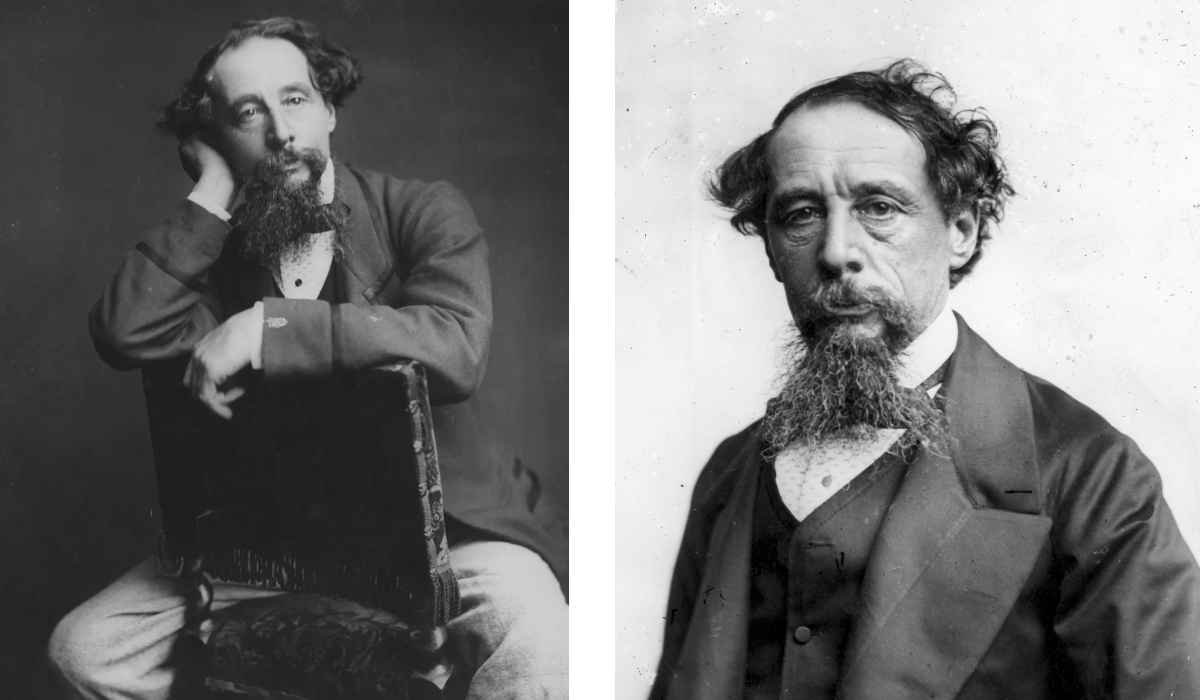
The Victorian era produced countless literary giants, but few managed to capture the hearts and minds of readers quite like Charles Dickens, whose exceptional storytelling continues to resonate globally. Born into a modest family that faced severe financial struggles, his early life exposed him directly to the harsh realities of poverty, child labor, and institutional neglect. These formative hardships later served as deep wells of inspiration for his unforgettable novels, where he brilliantly highlighted social injustices while championing the vulnerable. Through memorable characters and gripping plots, he cemented a permanent place in global literature.
Quick Bio Overview Table
| Feature | Detail |
| Full Name | Charles John Huffam Dickens |
| Born | February 7, 1812 |
| Birthplace | Portsmouth, Hampshire, England |
| Died | June 9, 1870 |
| Occupation | Novelist, Journalist, Social Critic |
| Notable Works | Oliver Twist, A Christmas Carol, Great Expectations |
Early Life and Family Background
Growing up in Portsmouth, England, the young boy experienced a relatively stable early childhood before his father’s chronic financial mismanagement drastically altered their circumstances. Debt collectors eventually forced the family into deep turmoil, leading to the confinement of his father in a notorious debtors’ prison. Charles Dickens had to witness firsthand the humiliation and despair associated with extreme poverty, which deeply scarred his emotional landscape. These profound memories rarely faded, ultimately emerging in various forms throughout his mature creative writing endeavors across many decades.
The Harsh Realities of Factory Labor
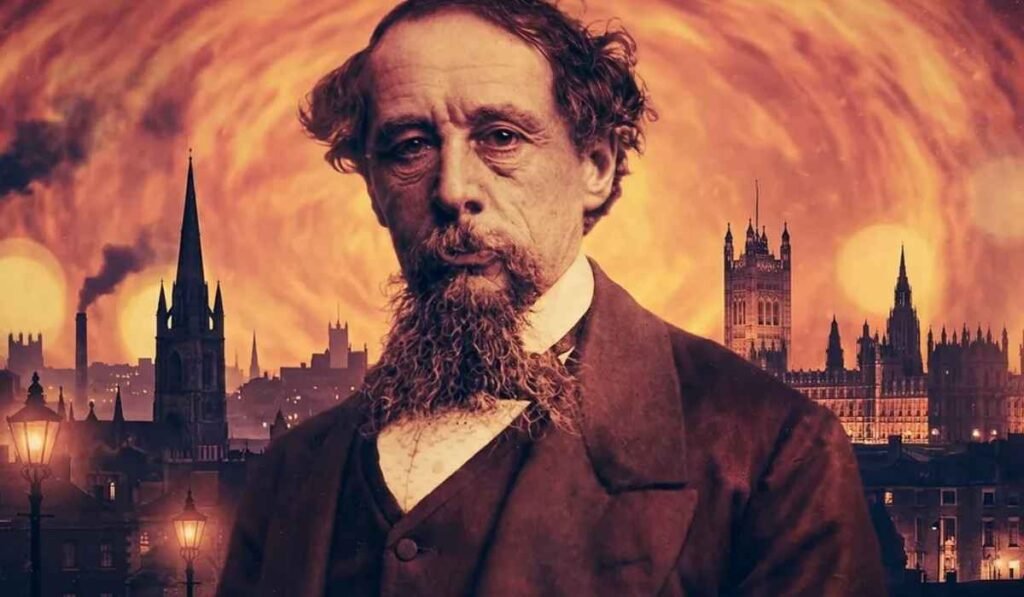
Following his family’s financial collapse, twelve-year-old Charles Dickens was pulled out of school and sent to work in a bleak blacking warehouse. Day after day, he pasted labels onto bottles of shoe polish in miserable, rat-infested conditions that severely impacted his sensitive psyche. This brief yet traumatic period of manual labor taught him how fragile social security could be for the working classes. He kept this dark chapter a closely guarded secret for many years, only revealing its intense psychological toll to his closest confidants much later.
Transition into Journalism and Reporting
Escaping the factory allowed him to eventually return to formal education temporarily before embarking on a diverse array of employment paths. Charles Dickens began working as an office boy and a legal clerk, gaining extensive exposure to the eccentricities and corruption of the British legal system. Harnessing his exceptional aptitude for shorthand writing, he transitioned into a professional parliamentary and newspaper reporter. This demanding profession sharpened his observational skills, teaching him how to document human behavior, political hypocrisy, and city landscapes with remarkable precision and wit.
The Rise of Boz and Early Writings
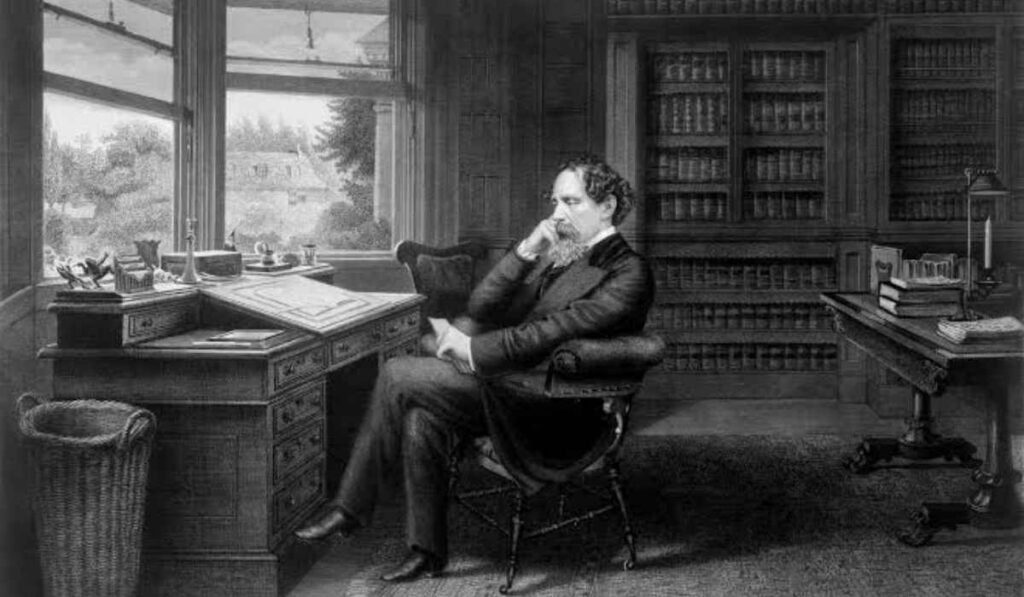
As he traversed the bustling streets of London for various reporting assignments, he began composing vivid sketches detailing urban life under the pseudonym Boz. These delightful vignettes gained immediate popularity among newspaper readers, capturing the unique flavor of nineteenth-century metropolitan existence with unmatched comedic timing. Encouraged by this positive reception, Charles Dickens compiled these pieces into his very first successful publication, which opened doors to wider literary circles. This critical milestone marked the official dawn of a legendary career dedicated to capturing the essence of humanity.
The Phenomenon of The Pickwick Papers
Commissioned to write accompanying text for a series of sporting illustrations, he conceptualized a comic serial narrative that completely transformed publishing history. The resulting monthly installments of The Pickwick Papers turned Charles Dickens into an overnight celebrity across the British Empire. Readers eagerly queued outside bookstores to purchase the latest adventures of Mr. Pickwick and his eccentric companions, establishing serialization as a dominant format. This unprecedented commercial triumph proved that serialized fiction could engage mass audiences from every single social stratum effortlessly.
Exposing Social Evils Through Oliver Twist
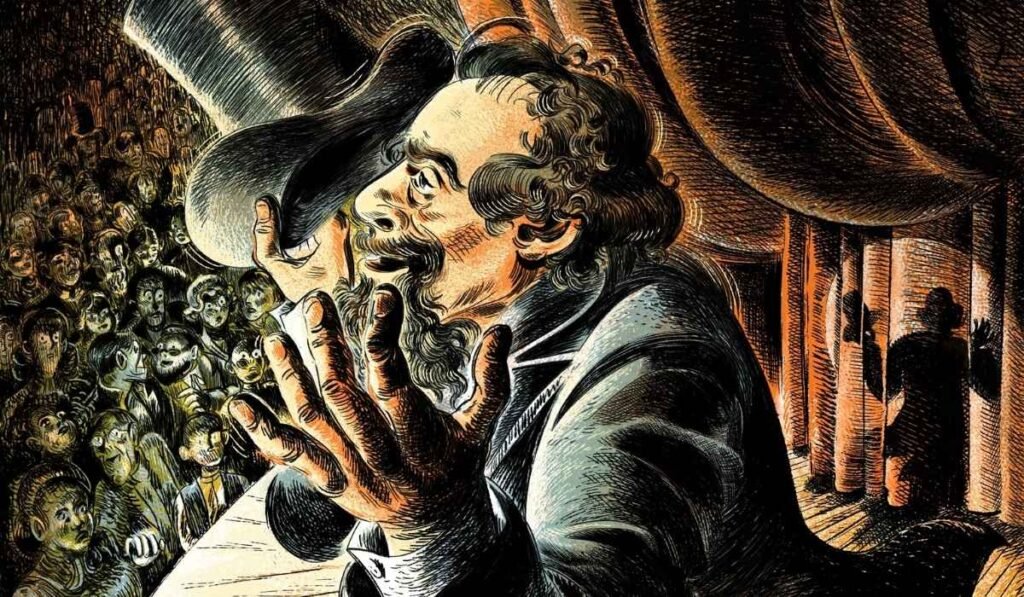
Following his initial triumph, he turned his powerful creative focus toward the dark underbelly of institutional cruelty and urban crime. In Oliver Twist, Charles Dickens depicted the harrowing journey of an innocent orphan navigating workhouses, criminal dens, and poverty-stricken London neighborhoods. The novel generated widespread public discussions regarding the harsh treatment of destitute children and the failure of charitable institutions. By blending gripping entertainment with sharp social commentary, he successfully influenced public conscience and demanded systemic reform from Victorian authorities.
Exploring Institutional Corruption in Nicholas Nickleby
Continuing his crusade against systemic abuse, his third major novel targeted the corrupt and unregulated boarding schools operating in remote northern regions. Charles Dickens personally visited Yorkshire institutions prior to writing to gather authentic details about the horrific neglect suffered by helpless students. Through characters like the cruel schoolmaster Wackford Squeers, Charles Dickens exposed educational malpractices that shocked polite society. The book sparked immediate investigations into private schooling standards, proving once again that popular fiction could serve as a powerful catalyst for tangible institutional change.
The Creation of A Christmas Carol
During a period when child labor reports weighed heavily on his mind, he rapidly composed a seasonal masterpiece that redefined winter holiday traditions entirely. A Christmas Carol introduced the miserly Ebenezer Scrooge, whose miraculous redemption taught generations the true value of empathy, charity, and human connection. Charles Dickens poured his entire heart into this compact novella, self-publishing the book to ensure it reached working families affordably. Today, this timeless parable remains an integral pillar of global holiday culture, inspiring countless theatrical, cinematic, and literary adaptations worldwide.
Delving Into Personal History in David Copperfield
Widely regarded as his most autobiographical masterpiece, this epic narrative allowed him to reflect deeply upon the trials and triumphs of his own youth. Within David Copperfield, Charles Dickens channeled his childhood factory trauma, legal clerkship days, and early journalistic pursuits through the eyes of his beloved protagonist. He often stated that this particular novel held a special place in his affections above all his other extensive literary creations. The emotional authenticity embedded within every chapter ensures that readers continue to connect deeply with its universal themes of resilience.
Unmasking Social Hypocrisy in Bleak House
Widely considered a pinnacle of Victorian literature, this complex masterpiece utilized a dual narrative structure to dissect the endless delays of the legal system. In Bleak House, Charles Dickens explored a fictional Chancery lawsuit that dragged on for decades, consuming the fortunes and happiness of all involved parties. Beyond legal satire, the novel examined urban squalor, public health crises, and the indifference of the upper classes toward the destitute. Through intricate plotting and masterful atmospheric description, Charles Dickens delivered an unforgettable critique of institutional stagnation and societal decay.
Confronting Industrialization in Hard Times
Shifting his critical gaze toward the bleak northern manufacturing towns, he examined the cold, calculating nature of utilitarian philosophy during the industrial age. Hard Times presented a stark portrait of Coketown, where human imagination and emotional fulfillment were routinely crushed by mechanical efficiency and greed. Charles Dickens warned society against stripping away art, empathy, and joy from the upbringing of future generations in the name of raw productivity. This concise yet potent novel remains a vital text for understanding the psychological costs of rapid nineteenth-century industrial expansion.
Masterpiece of Revolution in A Tale of Two Cities
Transporting his readers across the English Channel, he crafted a dramatic historical narrative set against the bloody backdrop of the French Revolution. A Tale of Two Cities explored themes of resurrection, sacrifice, and political extremism through iconic characters like Sydney Carton and Lucie Manette. Opening with the famous declaration about the best and worst of times, Charles Dickens demonstrated his remarkable versatility outside the realm of domestic Victorian realism. The novel achieved massive commercial success, cementing his reputation as a master of historical fiction and dramatic pacing.
Expectations and Realities in Great Expectations
Exploring the corrosive nature of sudden wealth and social ambition, this late-career masterpiece followed the moral maturation of an orphan named Pip. Great Expectations showcased the mature stylistic brilliance of Charles Dickens, blending dark psychological introspection with his trademark cast of eccentric supporting figures. The narrative brilliantly deconstructed the illusion that social elevation automatically equates to moral superiority or personal happiness. Featuring one of the most haunting opening sequences in literature, this profound book continues to captivate students and scholars across academic institutions globally.
Journalism, Editing, and Magazine Ventures
Beyond writing monumental fiction, he maintained an active career as a visionary magazine editor, managing influential weekly periodicals with immense dedication. Publications like Household Words and All The Year Round allowed Charles Dickens to mentor emerging writers while publishing essays on pressing social reform issues. He actively welcomed contributions from diverse voices, striving to educate the broader public through accessible journalism. This tireless editorial work demonstrated his holistic commitment to cultural enrichment, literacy expansion, and intellectual engagement throughout Victorian society.
International Fame and Public Reading Tours
His incredible popularity eventually transcended national borders, prompting him to embark on extensive international travel and dramatic public reading tours. Large crowds gathered eagerly in America and across Britain to watch Charles Dickens bring his legendary literary characters to life through animated vocal performances. These demanding theatrical readings thrilled audiences while taking a severe toll on his already declining physical health in later years. Nonetheless, his profound desire to connect directly with his global readership drove him forward until his final public appearances.
Humanitarian Efforts and Social Activism
Throughout his remarkable life, he remained deeply committed to various philanthropic causes, utilizing his immense cultural influence to uplift marginalized communities. Alongside wealthy benefactors, Charles Dickens helped establish Urania Cottage, a specialized safe haven designed to provide housing and vocational training for vulnerable women. He frequently delivered impassioned speeches advocating for universal education, sanitary reform, and the protection of destitute children. His tireless activism proved that his dedication to social justice extended far beyond the fictional boundaries of his published books.
Personal Life, Passions, and Later Years
Away from his writing desk, he harbored a deep passion for amateur theatricals, long nocturnal walks through London, and hosting elaborate gatherings for friends. Following his marriage to Catherine Hogarth, Charles Dickens fathered ten children before their eventual separation after over two decades of shared family life. In his later years, he purchased a cherished country estate in Kent, where he continued writing until unexpected health crises intervened. His vigorous lifestyle and relentless work ethic ultimately contributed to his premature physical decline and sudden passing in 1870.
Legacy, Tributes, and Global Cultural Impact
The sudden death of the beloved author plunged the entire literary world into profound mourning, leading to his final resting place in Poets’ Corner. Westminster Abbey welcomed Charles Dickens so that future generations could pay homage to a man who defined an entire literary epoch. His memorable character names have become permanently integrated into the English vocabulary, shaping everyday idioms and cultural references worldwide. Societies, museums, and academic institutions continue studying his monumental bibliography to understand the complexities of Victorian civilization.
Enduring Influence on Modern Literature
Even centuries after his passing, stories crafted by Charles Dickens continue to inspire modern narrative techniques, film adaptations, and theatrical productions across the globe. Writers and artists frequently draw upon his mastery of suspense, social critique, and vibrant character development to engage contemporary audiences. The timeless themes of compassion, economic inequality, and human resilience explored by Charles Dickens remain intensely relevant in today’s rapidly changing modern society. For deeper historical background and comprehensive publication archives, you can explore the Charles Dickens entry.
Frequently Asked Questions
- When was Charles Dickens born?
- Charles Dickens was born on February 7, 1812, in Portsmouth, England.
- What was his first famous novel?
- His first major commercial success was The Pickwick Papers, published in monthly installments starting in 1836.
- Why did he work in a factory as a child?
- He was sent to work at age twelve to help support his family after his father was imprisoned for mounting debts.
- What are some of his most famous works?
- His most celebrated masterpieces include Oliver Twist, A Christmas Carol, David Copperfield, and Great Expectations.
- Where is Charles Dickens buried?
- He is buried in Poets’ Corner at Westminster Abbey in London.