 admin
admin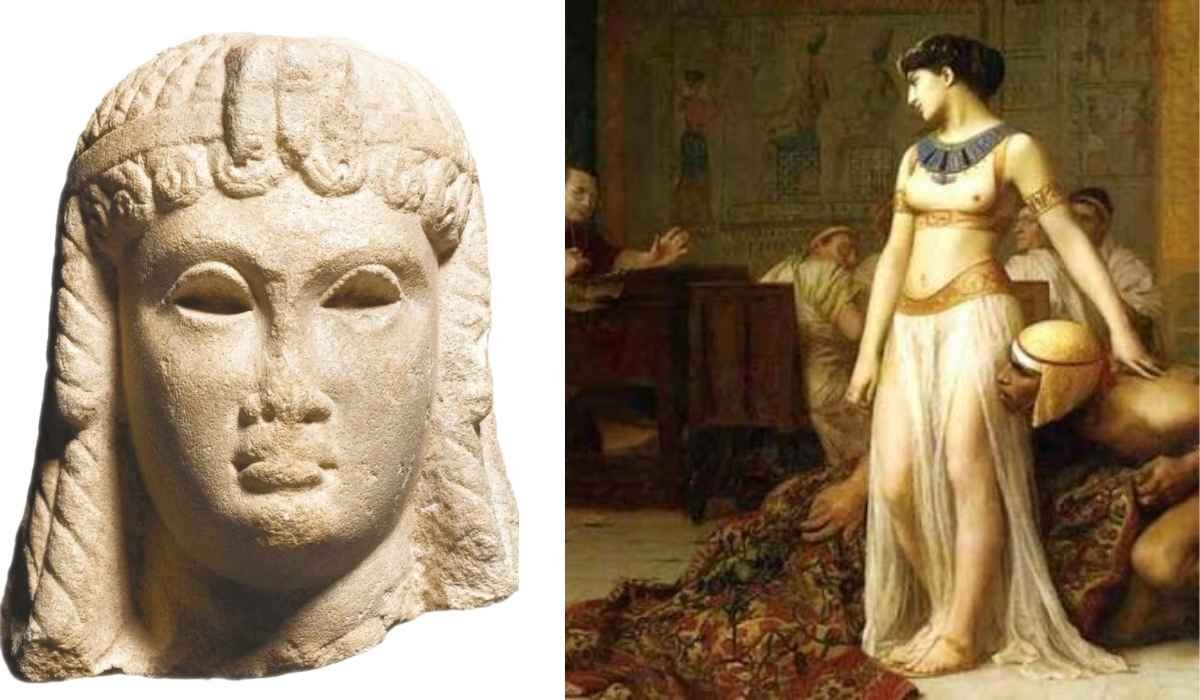
The captivating history of ancient civilizations often shines brightest through iconic figures who altered the course of empires, and few characters remain as intensely studied or widely debated today as Cleopatra. Born into the royal Ptolemaic dynasty, this remarkable monarch governed the wealthy lands of Egypt during a period marked by profound political turbulence, shifting alliances, and immense external pressures from the expanding might of the Roman Republic.
Her strategic intellect, linguistic brilliance, and legendary charm allowed her to maintain sovereignty over her kingdom against overwhelming odds, ensuring that her name would echo through millennia. Scholars continue to examine how utilized her immense cultural and diplomatic resources to protect her crown and secure the prosperity of her people. Ultimately, studying Cleopatra offers invaluable insights into the complex mechanics of ancient Mediterranean politics, power dynamics, and royal lineage.
Quick Bio
| Attribute | Detail |
| Name | Cleopatra VII Thea Philopator |
| Born | 69 BC in Alexandria, Egypt |
| Died | August 30 BC in Alexandria, Egypt |
| Dynasty | Ptolemaic Dynasty |
| Role | Last active ruler of the Ptolemaic Kingdom of Egypt |
Early Childhood and Royal Background
Growing up within the opulent palaces of Alexandria exposed young Cleopatra to elite philosophy, governance, and the arts. Her royal family descended directly from Ptolemy I Soter, a trusted companion and general of Alexander the Great. This Macedonian Greek heritage heavily influenced court culture, yet uniquely embraced local traditions. Unlike her predecessors who ignored native customs, Cleopatra mastered the Egyptian language, connecting deeply with her subjects. Her formative years laid a strong intellectual foundation that defined her entire reign.
Accession to the Egyptian Throne
Following the death of her father Ptolemy XII in fifty-one BC, young Cleopatra assumed control alongside her younger brother. This mandatory co-regency quickly deteriorated into bitter political rivalry and open civil conflict. Court advisors attempted to sideline the ambitious queen, forcing her to temporarily flee the capital. Undeterred by these early setbacks, Cleopatra began gathering military support outside the borders. Her resilience during this critical juncture showcased the formidable determination that would characterize her lifelong pursuit of absolute stability.
Strategic Alliance with Julius Caesar
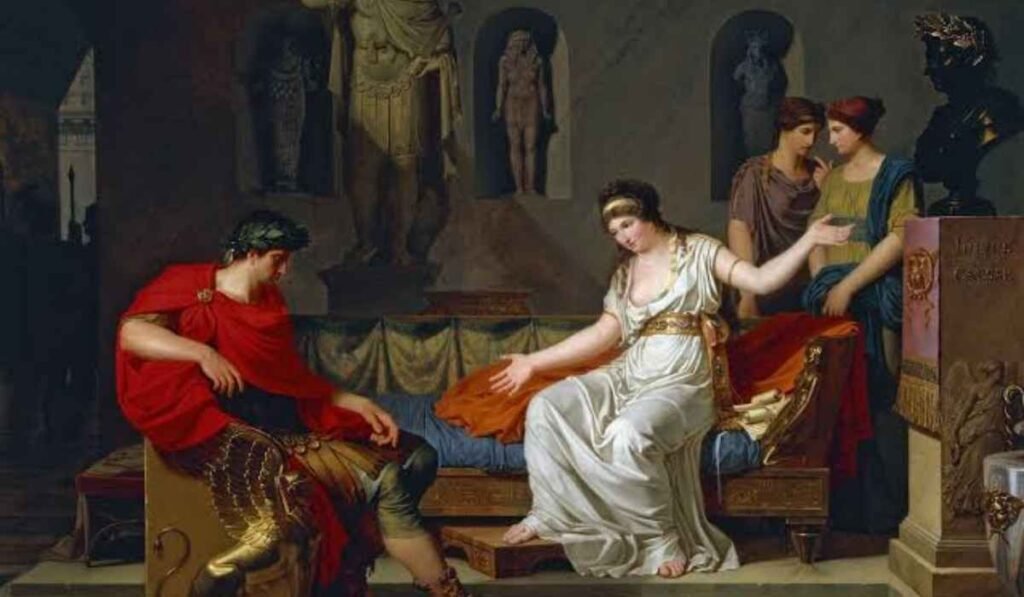
When Roman general Julius Caesar arrived in Alexandria pursuing his own political rivals, clever Cleopatra seized a historic opportunity. Smuggled past hostile guards to secure a private audience, she successfully captivated the powerful Roman dictator. Caesar intervened in the local Egyptian dynastic struggle, restoring firmly to her rightful throne. Their ensuing political and romantic alliance transformed regional power balances. Cleopatra soon gave birth to a son named Caesarion, further cementing her strategic ties to the burgeoning Roman superpower.
Cultural Brilliance and Language Mastery
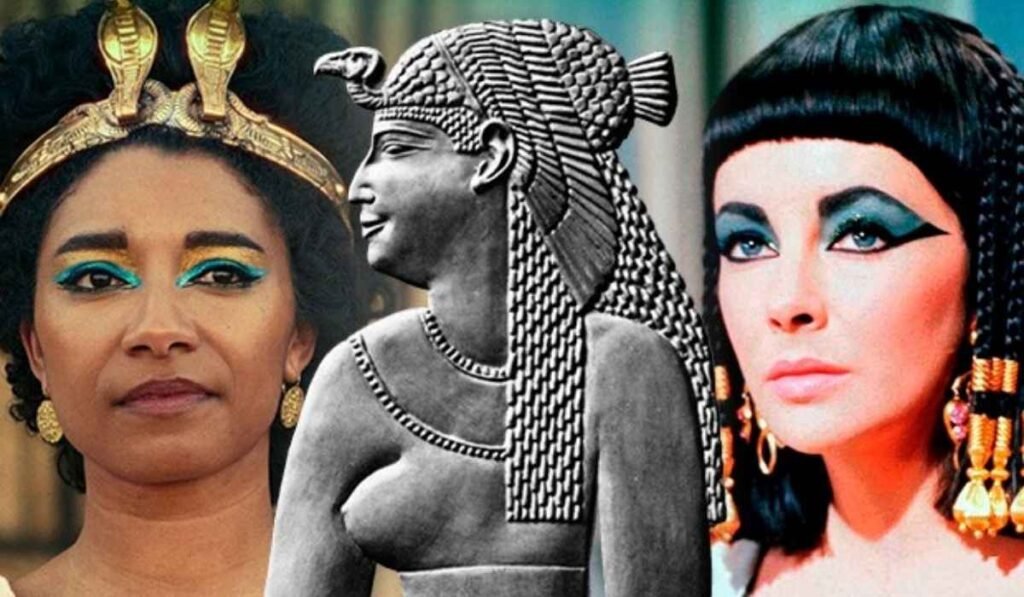
Beyond her renowned political acumen, historical records frequently highlight Cleopatra as an exceptionally educated scholar. Ancient accounts suggest she could fluently communicate in numerous languages, including Ethiopian, Hebrew, Arabic, and her native Koine Greek. Uniquely among her dynasty, actively embraced Egyptian religious rites, presenting herself as an incarnation of the goddess Isis. This profound cultural integration strengthened internal loyalty across diverse social strata. Cleopatra used intellectual versatility to bridge gaps between various ethnic communities residing peacefully within her prosperous capital.
Life in Rome as Caesar Guest
Seeking to solidify her political influence at the heart of the Mediterranean world, Cleopatra traveled to Rome as an honored guest. Her presence in the capital created significant social scandal among conservative Roman senators, especially given Caesar open attachment to her. Living across the Tiber River, Cleopatra observed firsthand the inner workings of Roman governance and imperial administration. This extended visit greatly expanded her geopolitical perspective. However, the sudden assassination of Julius Caesar in forty-four BC abruptly upended her diplomatic arrangements, forcing an urgent return to Egypt.
Navigating the Liberators Civil War
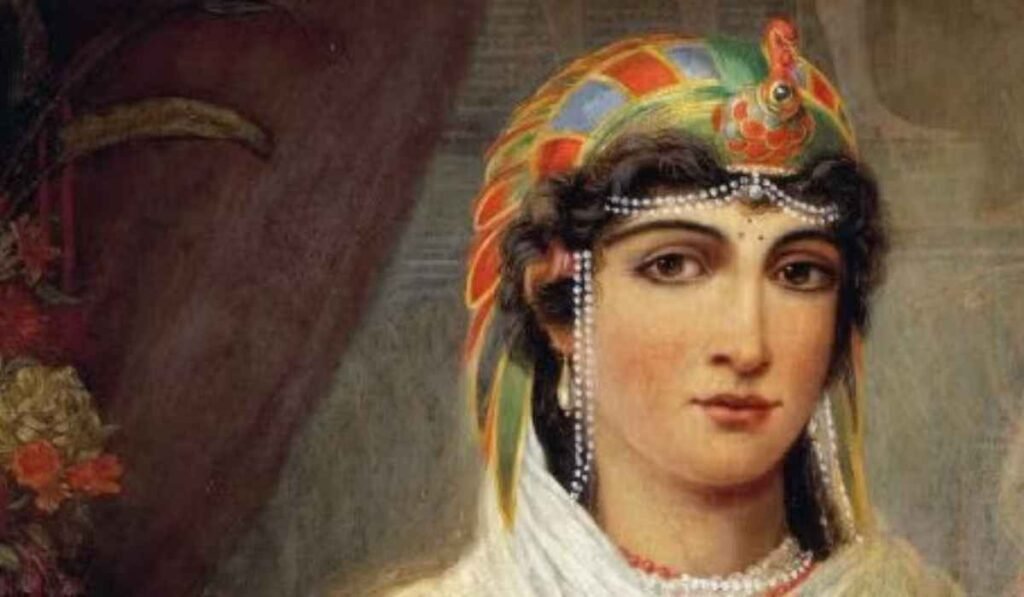
The chaotic aftermath of Caesar death left Cleopatra in an exceptionally precarious diplomatic and financial position. As Rome fractured into intense internal conflicts during the Liberators civil war, the Egyptian queen carefully managed her nation resources. She successfully avoided direct military entanglement while famine and economic strain threatened her population. Cleopatra cleverly positioned Egypt as an indispensable neutral player before deciding which faction to support. Her cool calculation prevented immediate foreign invasion, buying precious time for her vulnerable kingdom to recover strength.
The Legendary Encounter with Mark Antony
Meeting the Roman triumvir Mark Antony at Tarsus in forty-one BC marked another major turning point for ambitious Cleopatra. Arriving in a stunning theatrical display designed to evoke the goddess Aphrodite, instantly mesmerized the powerful Roman general. Their subsequent romance evolved into a formidable political partnership that dominated the eastern Mediterranean. Antony provided military backing and territorial grants to Egypt, while Cleopatra funded his military campaigns. Together, they formed an influential royal household that openly challenged traditional Roman authority structures.
Administrative Reforms and Economic Growth
Domestically, Cleopatra focused heavily on stabilizing the Egyptian economy through targeted administrative reforms. She meticulously oversaw grain production, restructured taxation policies, and regulated currency values to combat inflation. During periods of severe environmental drought or low Nile floods, Cleopatra released royal grain reserves to feed starving citizens directly. These popular measures endeared her to the local population, reinforcing her image as a benevolent traditional pharaoh. Her effective economic management kept Egypt wealthy despite constant regional instability.
The Controversial Donations of Alexandria
A major political escalation occurred when Cleopatra and Mark Antony publicly distributed vast eastern territories to their children during lavish ceremonies. Known as the Donations of Alexandria, this bold geopolitical maneuver granted Roman lands to foreign heirs under Antony protection. Ambitious rival Octavian expertly weaponized this event within the Roman Senate, portraying Antony as completely controlled by foreign influences. This calculated propaganda campaign successfully turned public Roman sentiment firmly against the royal couple, setting the stage for inevitable total war.
Escalation of Tensions with Octavian
As political rhetoric intensified, Octavian legally stripped Mark Antony of his official powers and declared formal war against queen Cleopatra. The western Roman provinces mobilized massive naval fleets and legions to confront the eastern coalition. Cleopatra contributed substantial financial capital, warships, and military supplies to support Antony war effort. Both leaders spent months preparing tactical defenses, gathering troops across Greece and Egypt. The impending clash promised to determine whether Rome would remain a republic or transform completely under eastern monarchical influence.
The Decisive Naval Battle of Actium
The decisive military confrontation unfolded off the western coast of Greece during the famous naval clash known as the Battle of Actium. Octavian brilliant commander Agrippa outmaneuvered the combined fleets of Antony and Cleopatra. Recognizing that defeat was imminent, Cleopatra maneuvered her flagship squadron out of the active combat zone and broke through toward safety. Antony soon abandoned the ongoing engagement to follow her lead. This strategic retreat saved core royal forces but severely crippled their military credibility, leaving their remaining defenses vulnerable to Octavian advancing legions.
The Invasion of Egypt and Final Days
Following his naval victory, Octavian led his victorious legions directly into the heart of Egypt. As enemy troops closed in on Alexandria from multiple directions, all hopes for a negotiated peace vanished. Mark Antony received false reports claiming that Cleopatra had already taken her own life, prompting him to fall upon his own sword in despair. Mortally wounded, Antony was carried to hiding mausoleum, where he died in her arms. Cleopatra faced her ultimate capture with profound sorrow, fully aware that Octavian intended to display her as a prisoner in Rome.
The Mysterious Death of the Queen
Determined to avoid the humiliating public spectacle of a Roman triumph, Cleopatra orchestrated her own dramatic death in thirty BC. While historical accounts famously attribute her demise to the venomous bite of an asp snake smuggled inside a fruit basket, modern toxicologists suggest she likely ingested a lethal poison mixture. Her death effectively ended the independent Ptolemaic dynasty, turning ancient Egypt into a formal province of the expanding Roman Empire. This tragic conclusion marked the definitive historical close of the Hellenistic period across the Mediterranean world.
Legacy in Art Literature and Culture
Through subsequent centuries, the extraordinary life of Cleopatra inspired countless artistic masterpieces, theatrical plays, and cinematic epics. Renaissance painters, Baroque dramatists like Shakespeare, and modern filmmakers continually reinterpreted her complex character. While Western traditions frequently romanticized her as a seductive femme fatale, diverse historical perspectives also remember her as a brilliant intellectual and dedicated sovereign. Cleopatra enduring cultural footprint persists because her narrative combines supreme political ambition with genuine tragedy. Her legacy remains a timeless symbol of feminine resilience and leadership.
Historical Misconceptions Versus Reality
Popular culture has generated numerous widespread myths regarding Cleopatra, frequently overshadowing her genuine historical achievements. Contrary to modern cinematic stereotypes focusing exclusively on physical allure, ancient chroniclers emphasized her exceptional intellect, wit, and linguistic talents. Furthermore, she was not ethnically Egyptian, but rather of Macedonian Greek descent. Despite these foreign roots, Cleopatra integrated herself into local customs far more successfully than any of her royal predecessors. Recognizing these historical realities provides a much clearer picture of her actual governance.
Modern Archaeological Searches for Her Tomb
Despite centuries of intensive historical research, the exact final resting place of Cleopatra and Mark Antony remains one of archaeology greatest unsolved mysteries. Modern excavators, notably archaeologists exploring the Taposiris Magna temple site near Alexandria, continue uncovering fascinating artifacts, coins, and subterranean tunnels. Researchers hope these ongoing excavations will eventually locate the lost tomb. Discovering her burial site would provide unprecedented physical evidence regarding her final days, potentially rewriting specific chapters of ancient Mediterranean history and satisfying global curiosity.
Geopolitical Impact on the Ancient World
The reign and eventual downfall of Cleopatra fundamentally altered the political landscape of the entire ancient world. Her defeat allowed Octavian to consolidate absolute power, transforming the fractured Roman Republic into a stable imperial autocracy under his rule as Augustus. By absorbing Egypt immense agricultural wealth and financial reserves into Roman state treasuries, Rome secured unmatched dominance over Mediterranean trade routes. Cleopatra strategic maneuvers delayed this inevitable imperial expansion for decades, demonstrating remarkable geopolitical foresight during a tremendously volatile historical epoch.
Reflections on a Master Strategist
Reflecting upon the multifaceted career of Cleopatra reveals a ruler driven by fierce dedication to state sovereignty and dynastic survival. She navigated treacherous internal family betrayals and external imperial pressures with extraordinary resourcefulness. While her ultimate defeat concluded an iconic royal era, her calculated decisions reshaped global history. Cleopatra remains an enduring symbol of strategic brilliance, demonstrating how a skilled monarch could leverage intellect and culture to preserve independence against insurmountable odds. Her remarkable journey continues to fascinate scholars worldwide.
FAQs
- When did Cleopatra rule ancient Egypt?
- Cleopatra reigned as queen from fifty-one BC until her death in thirty BC.
- What was the ethnic background of Cleopatra?
- She belonged to the Macedonian Greek Ptolemaic dynasty originating from Alexander the Great general.
- Who were the famous Roman allies of Cleopatra?
- Her most notable political and romantic partners were Julius Caesar and Mark Antony.
- How did Cleopatra ultimately die?
- She died by suicide in thirty BC, traditionally associated with a venomous snake bite.
- Where is Cleopatra buried?
- Her exact burial site remains undiscovered, though archaeologists actively search near Alexandria.