 admin
admin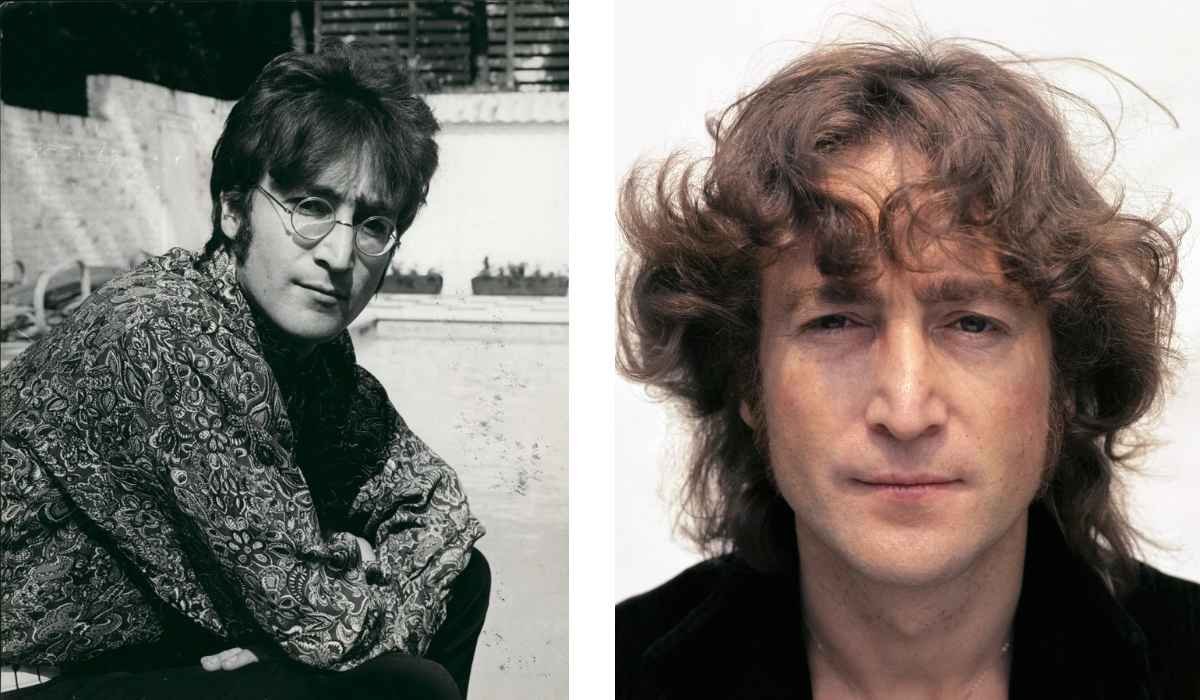
John Lennon remains one of the most iconic figures in modern history, celebrated globally for his profound contributions to music and culture. Born in Liverpool during wartime, John Lennon showed an early, fierce independence and a passion for drawing and writing. His creative energy eventually channeled into rock and roll, shaping the foundational sound of a generation. As a principal founder of the legendary Beatles, he helped redefine popular culture through unmatched melodic craftsmanship and sharp wit. Beyond the stage, his evolution into an outspoken peace activist cemented his status as a timeless symbol of hope, creativity, and radical honesty.
Quick Bio Table
| Attribute | Details |
| Full Name | John Winston Ono Lennon |
| Birth Date | October 9, 1940 |
| Birthplace | Liverpool, England |
| Profession | Musician, Songwriter, Activist |
| Notable Group | The Beatles |
Early Childhood Years in Liverpool
John Lennon spent his formative early years navigating a complex and shifting family dynamic within the historic industrial city of Liverpool. Raised primarily by his strict yet caring Aunt Mimi after his parents separated, John developed an early sense of rebellious observation. He channeled his vivid imagination into creating humorous cartoons and hand-drawn neighborhood magazines. These creative outlets provided an essential escape during a tumultuous childhood marked by the absence of his merchant seaman father and the tragic, untimely loss of his beloved mother. These foundational experiences deeply shaped John and his future artistic vision.
Discovery of Skiffle and Rock and Roll
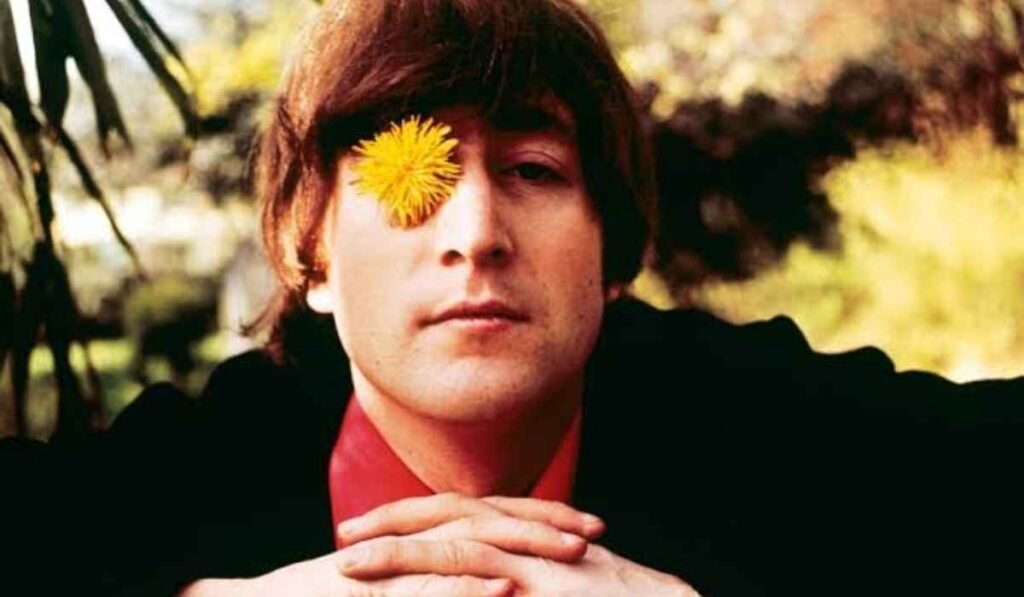
The mid-1950s British skiffle craze swept across the nation, and John Lennon found himself entirely captivated by this vibrant new musical wave. Inspired heavily by the raw energy of early American rock and roll pioneers, John formed his very first musical outfit, a school skiffle group called the Quarrymen. Armed with an inexpensive acoustic guitar purchased with his mother’s guidance, he practiced tirelessly to master basic chords. This initial experimentation laid the crucial groundwork for his transformation from a rebellious art school student into a driven, ambitious musician destined for global stardom.
Meeting Paul McCartney and Forming Partnerships
A pivotal summer afternoon in 1957 brought about a fateful meeting that would forever alter the landscape of modern popular music history. At a local church garden fete, John Lennon was introduced to a talented young guitarist named Paul McCartney. Recognizing an immediate creative kinship, John invited him to join the Quarrymen, sparking an extraordinarily prolific songwriting partnership. Together, they spent countless hours sharing records, trading lyrical ideas, and building a chemistry that would soon anchor one of the most commercially successful collaborative units the entertainment world had ever witnessed.
Evolution of the Beatles Lineup
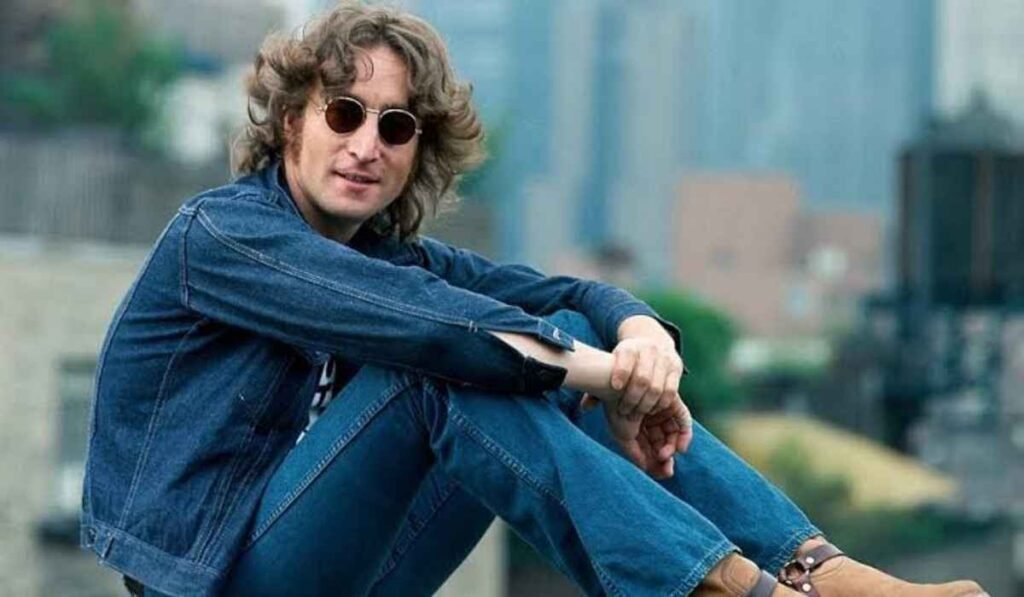
Throughout the late nineteen-fifties, the musical group underwent several iterations before solidifying the core lineup that would conquer the world stage. With the addition of skilled guitarist George Harrison and eventually powerhouse drummer Ringo Starr, John Lennon helped shape the definitive four-piece ensemble known globally as the Beatles. Countless hours performing in gritty Hamburg clubs forged their tight musicianship and undeniable stage presence. During this intense crucible of live performance, John served as a primary driving force, steering the band toward unprecedented heights of international acclaim and commercial dominance.
Beatlemania and Global Cultural Phenomenon
By the early nineteen-sixties, the unstoppable cultural wave known as Beatlemania erupted, propelling John Lennon and his bandmates into an atmosphere of unprecedented worldwide fame. Hordes of screaming fans crowded airports, concert halls, and television studios to catch a glimpse of the charismatic musicians. Amidst the chaos of constant touring, John maintained his signature acerbic wit and sharp observational humor during high-profile press conferences. This whirlwind era established the group as absolute cultural royalty, transforming John into an instantly recognizable global icon of youth rebellion and modern style.
Artistic Maturation and Studio Innovation
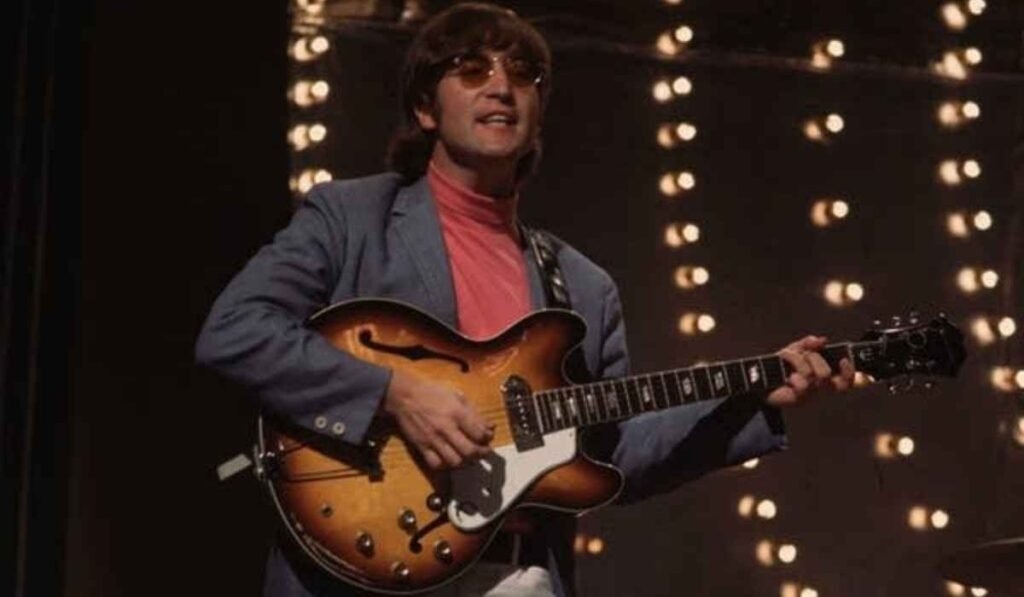
As relentless touring began to exhaust the band, John Lennon championed a shift away from standard live performances toward groundbreaking studio experimentation. Albums like Rubber Soul and Revolver showcased how John pushed structural boundaries through surreal lyricism and unconventional instrumental textures. His compositions grew deeply introspective, blending clever wordplay with psychological vulnerability. This fearless artistic maturation shattered traditional pop music expectations, proving that John viewed the recording studio as an expansive canvas for avant-garde expression rather than merely a tool for replicating live shows.
Iconic Anthems of the Counterculture
The late nineteen-sixties witnessed John Lennon fully embracing his role as a prominent cultural voice for the shifting international counterculture movement. Tracks like All You Need Is Love became defining anthems of unity during a deeply turbulent historical decade. John utilized his massive platform to challenge societal norms, question political authorities, and advocate for global harmony. His ability to capture collective human aspirations in a few memorable verses ensured that John remained at the absolute vanguard of cultural evolution, bridging mainstream commercial success with radical artistic integrity.
Activism and Peace Campaigns with Yoko Ono
Following his romantic and creative partnership with avant-garde artist Yoko Ono, John Lennon redirected much of his considerable energy toward high-profile peace activism. Famous demonstrations, such as the bed-ins for peace, captured global media attention while cleverly subverting traditional methods of protest. John and Yoko Ono used every available public appearance to broadcast messages against military conflict. Despite facing governmental surveillance and deportation threats in the United States, John remained steadfastly committed to his pacifist ideals, turning his personal life into an open extension of his political art.
Launching a Successful Solo Career
The formal dissolution of the Beatles in 1970 opened an exciting new chapter as John Lennon stepped confidently into the realm of solo artistry. His debut solo project, the raw and cathartic John/Plastic Ono Band, stripped away pop artifice to expose deep emotional wounds. Shortly thereafter, John released the globally celebrated anthem Imagine, a timeless track that crystallized his vision of a peaceful world without borders. This daring transition proved that John possessed a formidable creative identity entirely independent of his legendary past bandmates.
Exploring Collaborative Projects and the Lost Weekend
During the mid-nineteen-seventies, John Lennon experienced a creatively diverse period marked by fruitful collaborations with various rock luminaries and a temporary separation from Yoko Ono. Often referred to by biographers as the “lost weekend” era, this phase saw John Lennon recording memorable tracks alongside artists like David Bowie and Elton John. He achieved his first solo Billboard Hot 100 number-one hit with Whatever Gets You thru the Night, showcasing his enduring ability to craft infectious rock tunes while navigating personal introspection and artistic reinvention.
Voluntary Hiatus and Domestic Fatherhood
Seeking relief from the relentless pressures of the music industry and public scrutiny, John Lennon chose to step away from recording in 1975 to focus entirely on family life. This voluntary five-year hiatus allowed John Lennon to embrace domestic fatherhood with the birth of his second son, Sean, spending quiet years baking bread, raising his child, and reflecting upon his extraordinary journey. While fans eagerly awaited new material, this necessary break provided John Lennon with profound personal peace, emotional grounding, and renewed inspiration for his eventual return to the recording studio.
Triumphant Return with Double Fantasy
The year 1980 marked a triumphant and eagerly anticipated musical comeback for John Lennon with the release of the acclaimed studio album Double Fantasy. Created in close collaboration with Yoko Ono, the record explored themes of mature love, marital partnership, and personal growth. Lead singles like (Just Like) Starting Over resonated powerfully across radio stations worldwide, signaling that John Lennon had recaptured his signature pop sensibility. Critics and fans alike celebrated the rejuvenated energy of John Lennon, viewing this release as a promising new dawn for his legendary career.
Tragic Passing and Global Mourning
Just as his creative resurgence was taking full flight, the life of John Lennon was tragically cut short on December 8, 1980, outside his Manhattan apartment building. The sudden and violent loss of John Lennon sent shockwaves of grief through millions of devoted admirers across the globe. Impromptu vigils sprang up worldwide, turning cities into oceans of candlelight and collective mourning. The heartbreaking end of John Lennon robbed the world of a visionary voice, yet it simultaneously solidified his mythic status as an immortal icon of peace, love, and artistic genius.
Posthumous Inductions and Musical Honors
In the decades following his tragic death, the immense cultural and musical footprint of John Lennon has been formally recognized through numerous prestigious honors. John Lennon received a posthumous induction into the Songwriters Hall of Fame and was also inducted into the Rock and Roll Hall of Fame as a solo artist, complementing his earlier induction with the Beatles. Major publications consistently rank John Lennon among the greatest vocalists and songwriters in history, ensuring that his remarkable artistic contributions continue to receive stellar academic and popular acclaim worldwide.
Enduring Influence on Future Generations
Countless contemporary musicians, poets, and writers continue to cite John Lennon as a primary foundational inspiration for their own creative journeys. The fearlessness with which John Lennon exposed his vulnerabilities in lyrics encouraged generations of artists to embrace emotional honesty in their work. From indie rock bands to stadium pop acts, performers across diverse genres frequently cover his timeless catalog. This widespread emulation ensures that the artistic spirit of John Lennon remains an active, pulsing force within modern music culture rather than a mere historical footnote.
Cultural Legacy of Imagine and Peace Anthems
Few pieces of music have achieved the universal cultural resonance enjoyed by the iconic peace anthem Imagine, penned by John Lennon during his solo years. Played during major international ceremonies, humanitarian events, and moments of global reflection, the song remains a secular prayer for humanity. John Lennon successfully crafted a secular hymn that transcends linguistic and national boundaries, promoting a vision of universal brotherhood. Consequently, the enduring legacy of John Lennon is forever tied to this ultimate dream of global harmony and peaceful coexistence.
Preservation of Memory and Central Park Tribute
The memory of John Lennon lives on vividly through public monuments, fan gatherings, and dedicated preservation efforts centered around New York City and Liverpool. Strawberry Fields, the tranquil memorial garden in Central Park established in honor of John Lennon, attracts millions of visitors annually who come to pay their respects. Fans leave flowers, notes, and acoustic renditions of his classic songs upon the mosaic bearing his most famous title. This sacred physical space serves as a permanent gathering point for those touched by the extraordinary life and art of John Lennon.
Philosophical Outlook and Search for Truth
Throughout his public life, John Lennon maintained an unwavering commitment to intellectual and emotional transparency, frequently questioning established dogmas and institutions. Whether examining his own personal shortcomings or critiquing geopolitical corruption, John Lennon believed that true art demanded absolute honesty. This relentless philosophical quest separated him from many of his pop-star peers, casting John Lennon as an authentic seeker of truth. His willingness to constantly evolve and challenge his own perspectives remains one of his most admirable and defining personal characteristics.
Summary of Historical Significance and Impact
When evaluating the overarching sweep of twentieth-century culture, the monumental impact of John Lennon stands completely unmatched in its depth and diversity. From his revolutionary years with the Beatles to his poignant solo catalog and tireless activism, John Lennon reshaped the way humanity experiences music and message. His brilliant mind, flawed humanity, and soaring artistic vision combined to forge a legacy that transcends time. Decades after his passing, the voice and spirit of John Lennon continue to inspire, challenge, and comfort humanity across every corner of the globe, a testament to a truly extraordinary life. Further insights can be explored via the FRIENDLY reference guide.
FAQs
- When was John Lennon born?
- John Lennon was born on October 9, 1940, in Liverpool, England.
- What was the name of the first band formed by John Lennon?
- He formed a skiffle group called the Quarrymen during his high school years.
- Who was John Lennon’s most famous songwriting partner?
- His primary and most legendary songwriting partner was Paul McCartney.
- What is John Lennon’s most famous solo song?
- His most iconic solo track is the globally celebrated anthem “Imagine”.
- When and where did John Lennon pass away?
- He was tragically killed on December 8, 1980, in New York City.