 Khizar Seo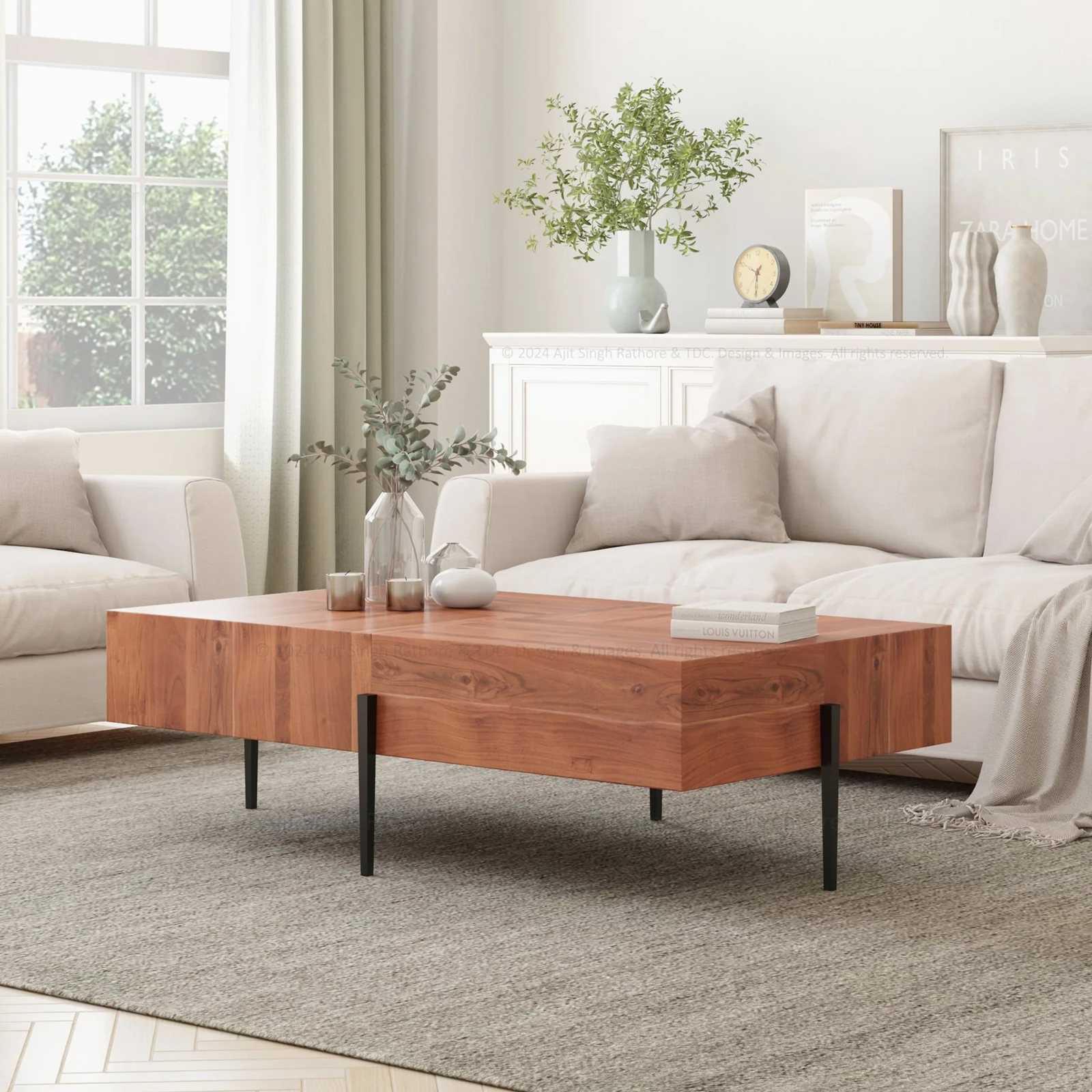
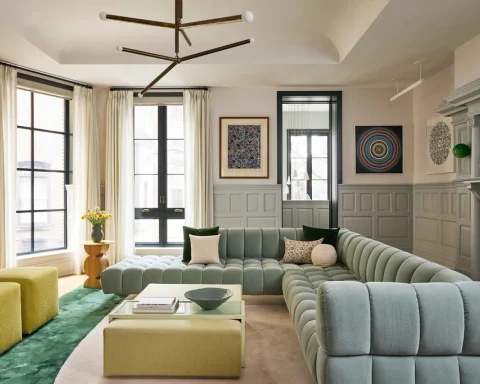
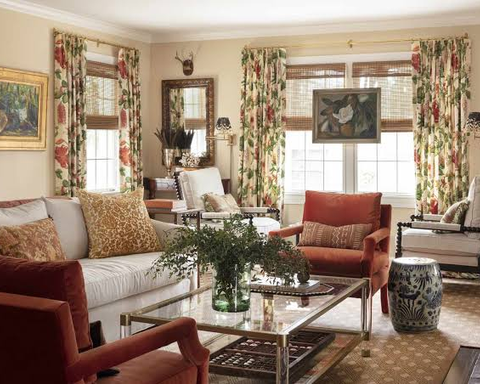
Ever walked into a living room that looks beautiful but somehow feels cold? Or added so many soft furnishings that the space lost its structure? The secret often lies in finding the right balance between hard and soft materials.
The warmth of natural wood can give a room character, while upholstered furniture, rugs, cushions, and curtains bring softness and comfort. When these elements are brought together carefully, cozy living room ideas can feel inviting without making the space look crowded or overly decorated.
Key Takeaways
- Hardwood adds warmth, structure, and natural texture.
- Fabric helps soften the visual weight of wooden furniture.
- A consistent color palette can connect different materials.
- Rugs, cushions, and curtains can make wood-heavy spaces feel more comfortable.
- Furniture proportions should suit the size and shape of the room.
- Mixing textures can create depth without relying on excessive decoration.
Why Hardwood and Fabric Work So Well Together
Wood and fabric create an easy visual contrast. Wooden furniture has defined lines, visible grain, and a natural presence. Fabric brings softer shapes and a more relaxed feel.
A wooden coffee table surrounded by an upholstered sofa, for example, can create a balanced seating area. The table provides a firm visual anchor while the sofa and cushions make the setting feel comfortable.
The same idea can be used throughout the room:
- Pair a wood table with upholstered dining or accent chairs.
- Add a textured rug beneath wooden furniture.
- Use fabric curtains to soften windows near wood furniture.
- Introduce cushions in colors that relate to the wood finish.
The key is to distribute the materials throughout the room instead of placing all the wood in one area.
Build a Warm Minimalist Interior Design With Natural Materials
Warm minimalist interior design does not require an empty room. It focuses on keeping the furniture simple while allowing natural materials and textures to provide visual interest.
Warm wood tones work well with cream, beige, taupe, soft gray, and other gentle shades. Upholstered seating can then add comfort without competing with the natural grain of the furniture.
Try keeping the room focused around a few carefully selected elements:
- A comfortable upholstered sofa
- A natural wood coffee table
- A textured area rug
- Simple cushions and throws
- Warm lighting
This creates a relaxed setting without filling every surface with accessories.
How to Use Wooden Coffee Tables Without Making the Room Feel Heavy
Wooden coffee tables can bring natural texture into a seating area while giving the room a defined center. The shape and size should suit the sofa and the available walking space.
For a larger seating arrangement, a substantial table can help anchor the furniture. Smaller rooms may benefit from a lighter design that leaves more visible floor space.
Look at the table’s finish alongside the flooring, sofa, rug, and other wooden elements. A warm wood tone can pair beautifully with cream upholstery, while darker finishes can create a stronger contrast against lighter fabrics.
Bring Character With Modern Rustic Interior Design
Modern rustic interior design works well when natural wood is paired with softer fabrics and cleaner furniture shapes. The result can feel warm without looking overly traditional.
Think about combining:
- Natural wood grain
- Soft neutral upholstery
- Textured rugs
- Woven accessories
- Simple metal or glass accents
The contrast between natural textures and smoother fabrics can give the room more depth. A wooden table does not need to match every other wooden item perfectly. Similar undertones can be enough to create a connected look.
Create Neutral Living Room Ideas With Texture
Neutral living room ideas can sometimes feel flat when every surface has the same finish. Texture solves this without requiring bright colors or busy patterns.
Consider pairing a warm wood finish with linen cushions, a wool-style rug, soft upholstery, and woven accents. Even within a simple beige or cream palette, these different surfaces can create visible variation.
A few changes can make a difference:
- Mix smooth and textured fabrics.
- Use different shades within the same color family.
- Keep natural wood grain visible.
- Add one or two contrasting textures through rugs or cushions.
Balance Wood With Soft Furnishings
A room filled almost entirely with wood can feel visually heavy, while too much upholstery can make it difficult to create a clear focal point. Balance comes from giving each material enough space to be appreciated.
Start with the largest pieces. If the sofa has substantial upholstery, a wooden coffee table can provide contrast. If the room already contains several wooden pieces, a fabric accent chair or textured rug can soften the setting.
You can also introduce fabric through smaller details. A soft throw over an armchair, cushions in varied textures, or floor-length curtains can change the feel of a room without replacing its main furniture.
Can a Rustic Dining Set Work in an Open Living Area?
Open living and dining spaces benefit from visual connections between the two areas. A rustic dining set can introduce wood into the dining zone while the living room uses softer upholstery and textiles.
You can connect the areas without making every piece identical by repeating a wood tone, fabric color, or accent finish.
A rug under the living room seating can help define the lounge area, while lighting above the dining table can create a separate sense of purpose. This keeps the overall space connected while giving each zone its own identity.
Simple Ways to Make the Room Feel Cozier
Small styling changes can soften a room without requiring new furniture.
Try:
- Layering cushions in different fabrics.
- Placing a textured rug beneath the seating.
- Adding warm lamps instead of relying only on overhead lighting.
- Using curtains to soften large windows.
- Bringing in greenery for another natural texture.
- Keeping some wood surfaces visible instead of covering them with accessories.
Common Hardwood and Fabric Pairing Mistakes
Too many finishes can make a room feel disconnected. Choosing several unrelated wood tones, excessive patterns, or fabrics that clash with the furniture can take away from the natural beauty of each piece.
Avoid:
- Matching every piece of wood exactly.
- Using too many competing patterns.
- Filling every surface with accessories.
- Choosing furniture that is too large for the room.
- Ignoring the relationship between flooring, furniture, and textiles.
A restrained selection of materials can create a more comfortable visual rhythm.
Create a Living Room That Feels Warm and Well Balanced
A comfortable living room does not require every piece to follow the same style. Wood can provide natural character and structure, while fabric adds softness through upholstery, rugs, cushions, and curtains.
The best result comes from considering the room as a whole, including its size, lighting, colors, furniture proportions, and the way the space is used. Choosing natural materials and well-crafted furniture can also bring lasting character to the setting without making it feel overly decorated.
FAQs
1. How do you balance wood furniture with fabric?
Pair substantial wooden furniture with softer elements such as upholstered seating, rugs, cushions, curtains, and throws. Keeping colors connected can help the different materials feel cohesive.
2. What fabric colors work well with natural wood?
Cream, beige, taupe, soft gray, muted green, and warm earthy shades can work well with natural wood. The best choice depends on the wood tone and the existing colors in the room.
3. Can you mix different wood tones in one living room?
Yes. Different wood tones can work together when there is some visual connection between them. Similar undertones, repeated finishes, or a consistent color palette can help the pieces feel coordinated.
4. How can I make a wood-heavy living room feel softer?
Add upholstered seating, textured rugs, cushions, curtains, and throws. Warm lighting and natural accessories such as greenery can also soften the overall appearance.