
 Khizar Seo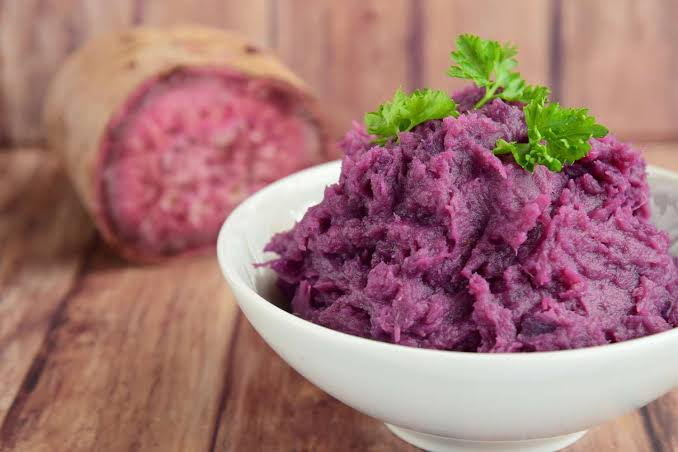
Organic ube has moved far beyond its traditional role in Filipino desserts. Its intense violet color now appears in lattes, smoothies, cakes, ice creams and wellness inspired recipes around the world. Yet behind the photogenic appearance is a real tuber with a long culinary history and an interesting nutritional profile.
Ube, scientifically known as Dioscorea alata, is a type of purple yam traditionally cultivated across tropical regions, with particularly strong cultural importance in the Philippines. Its naturally purple flesh comes from plant pigments known as anthocyanins. These compounds belong to the same broad family of antioxidants found in foods such as blueberries, purple cabbage and blackberries. Ube also provides carbohydrates, fiber and small amounts of several vitamins and minerals.
Interest in ube has grown as consumers look for colorful foods that combine visual appeal with recognizable ingredients. Choosing an organic ube product may also appeal to people who prefer crops grown according to organic agricultural standards. Still, the purple color alone does not turn every ube dessert into a health food. Sugar, syrups, cream and highly processed ingredients can dramatically change the nutritional value of the final product.
Think of ube as a colorful canvas rather than a nutritional miracle. In its minimally processed form, it can fit comfortably into a balanced diet, while powders and prepared mixes require a little more attention to their ingredient lists. Understanding its origins, composition and uses makes it easier to separate the genuine qualities of purple yam from the hype surrounding the trend.
Where does ube come from?
Ube is a yam belonging to the Dioscorea genus. It grows on a climbing vine and develops underground tubers that may have white, pale violet or deep purple flesh. Although purple yam is cultivated in several tropical regions, it has become especially associated with Filipino cuisine, where it has been used for generations in both traditional and modern sweets.
One of the best known preparations is ube halaya, a thick purple yam jam traditionally made by cooking grated ube with ingredients such as milk and sugar. Ube is also commonly incorporated into cakes, pastries, ice cream and festive desserts. Its cultural importance existed long before purple lattes and social media trends brought it to a global audience.
Fresh ube is naturally starchy and only mildly sweet. Its flavor is often described as earthy, nutty and slightly vanilla like, although the exact taste depends on the variety and preparation method. This subtle flavor is one reason it works well with coconut, dairy products, vanilla and other dessert ingredients.
Ube is not the same as a purple sweet potato
The resemblance between ube and a purple sweet potato creates frequent confusion. Both can have striking violet flesh, but botanically they are different plants. Sweet potatoes belong to the Ipomoea batatas species, while ube belongs to the yam family and is classified as Dioscorea alata.
Their textures also differ. Purple sweet potatoes are often denser and sweeter, while cooked ube can have a softer, slightly more fibrous texture and a distinctive earthy aroma. Depending on the recipe, they can sometimes produce a similar color, but they are not interchangeable in every preparation.
What does organic ube mean?
Organic ube refers to purple yam produced according to certified organic farming standards applicable in the country where it is grown or sold. Organic certification generally regulates the use of synthetic pesticides, fertilizers and genetically modified organisms while imposing specific production and inspection requirements.
The word organic does not automatically mean that a product contains more vitamins, fewer calories or more antioxidants. A sweetened organic ube drink can still contain significant amounts of added sugar. For nutrition, the complete ingredient list remains more informative than the organic label alone.
The nutritional qualities of purple yam
Fresh ube is primarily a source of complex carbohydrates. Like many roots and tubers, it stores energy in the form of starch. This makes it quite different nutritionally from berries or leafy vegetables, despite sharing some of their purple pigments.
Ube also provides dietary fiber, which contributes to normal digestive function and can help increase satiety when eaten as part of a balanced meal. Its exact fiber content varies according to the variety, portion size and processing method. Powders may also differ considerably depending on how much of the original tuber remains in the final product.
Fresh purple yam can supply modest amounts of micronutrients, including vitamin C, potassium and some B vitamins. It should not be viewed as a concentrated multivitamin, but it can contribute to dietary variety, especially when it replaces more heavily processed carbohydrate sources.
The most visually distinctive compounds in ube are its anthocyanins. These water soluble pigments create red, blue and purple colors in many plants. Their presence has attracted nutritional interest because anthocyanins have antioxidant activity. This means they can participate in processes that help limit oxidative reactions in the body.
What are the possible health benefits of ube?
Ube can be a nutritious food, but its benefits should be discussed without turning normal food properties into medical promises. Its strongest nutritional advantages come from the combination of fiber, plant pigments and minimally processed carbohydrates.
Fiber is particularly relevant for digestive health. Adequate fiber intake supports normal bowel function and contributes to a diverse diet for the gut microbiota. Eating whole or minimally processed ube generally provides a more useful nutritional package than consuming an ube flavored syrup with little actual yam.
Its anthocyanins are another point of interest. Diets containing a wide variety of colorful fruits and vegetables are associated with greater exposure to protective plant compounds. Ube can contribute to that diversity, although it should complement rather than replace foods such as berries, legumes, vegetables, nuts and whole grains.
Because ube is a starchy tuber, portion size and preparation matter. Boiled or baked purple yam has a very different nutritional impact from an ube cheesecake or a heavily sweetened milkshake. The health benefits of ube therefore depend partly on what accompanies it.
- complex carbohydrates
- dietary fiber
- anthocyanin pigments
- potassium
- vitamin C
Why has ube become so popular?
Ube sits at the intersection of food culture, visual appeal and consumer interest in plant based ingredients. Its vivid purple color requires little explanation on a photograph. A bright violet latte or dessert stands out immediately, making ube particularly suited to social media and visually driven food trends.
Its success cannot be reduced to appearance, however. Filipino restaurants, bakeries and food creators have played an important role in introducing traditional ube recipes to broader audiences. Greater international interest in Filipino cuisine has allowed people to discover the ingredient beyond novelty desserts.
Ube also fits several modern food preferences. Consumers increasingly look for recognizable plant ingredients, naturally colorful foods and alternatives to artificial food coloring. Real purple yam can provide color and flavor simultaneously, although commercial products may still contain added flavorings or colorants.
The growth of ube powder has made the ingredient much easier to use outside tropical regions. Fresh purple yam can be difficult to find, while powdered products have a longer shelf life and can be mixed into drinks, baking preparations and breakfast foods. Convenience has helped transform a regional ingredient into an internationally accessible one.
How can organic ube be used in everyday food?
Organic ube powder is probably the easiest form for people who do not have access to fresh purple yam. It can be mixed into beverages, yogurt, oatmeal or baking mixtures. The quantity needed varies considerably because some powders are pure dehydrated yam while others are formulated blends containing sugar, milk powder or flavorings.
An ube latte is one of the most familiar modern uses. A small amount of pure purple yam powder can be combined with warm milk or a plant based drink. Sweetener can be added according to taste rather than relying on a premixed powder in which sugar may be one of the main ingredients.
Ube also works naturally in smoothies. Banana, coconut, vanilla and mild flavored plant milks pair particularly well with its earthy sweetness. Using a small serving alongside fruit, protein and a source of healthy fats can produce a more balanced snack than a drink made mainly from sweetened ube syrup.
For baking, ube can add color and a subtle flavor to pancakes, muffins, cakes and bread. Heating may alter some heat sensitive nutrients and plant compounds, but that does not make cooked ube nutritionally irrelevant. Cooking is also a normal and important part of preparing yams safely.
Choosing an organic ube powder without being misled
The front of a package can make two products look almost identical even when their formulas are completely different. A product labelled organic ube powder may contain only dehydrated purple yam, while an ube latte mix may contain large amounts of sugar, creamer, flavoring and relatively little yam.
Check the ingredient list before focusing on health claims. For a simple powder, a short ingredient list containing organic purple yam is usually the most straightforward choice. For a prepared beverage mix, compare the amount of added sugar and look at the serving size before deciding whether it matches your needs.
Color also deserves attention. Pure ube naturally has a purple hue, but extremely bright products can sometimes contain added coloring. This is not automatically a problem, but anyone specifically buying ube for its natural characteristics should know whether the color comes entirely from the tuber.
Storage influences quality as well. Keep powdered ube in a cool, dry place and close the package tightly to limit exposure to moisture and air. A product that clumps excessively, smells unusual or shows signs of moisture should not be consumed simply because it remains within the printed date.
Is ube suitable for a healthy diet?
For most people, ube can fit easily into a varied diet. The simplest approach is to treat it like other starchy root vegetables. It provides energy, some fiber and useful plant compounds, but it is not a substitute for vegetables, fruit, legumes or protein rich foods.
The distinction between ube and an ube flavored dessert is especially important. A bowl of cooked purple yam and a large ube milkshake may share the same ingredient name while having completely different amounts of sugar, fat and calories. Nutritional context matters more than the color of the food.
People managing blood sugar may also want to consider portion size because ube contains carbohydrates. Pairing starchy foods with protein, vegetables, fiber rich foods and healthy fats can create a more balanced meal. Individual requirements vary, particularly for people with specific medical conditions.
For anyone interested in trying organic purple yam, minimally processed forms offer the clearest way to experience its real flavor and nutritional qualities. The global trend may have made ube famous, but its lasting appeal comes from something much simpler: a traditional, versatile tuber with an unusual color, distinctive taste and a legitimate place in a diverse diet.