 admin
admin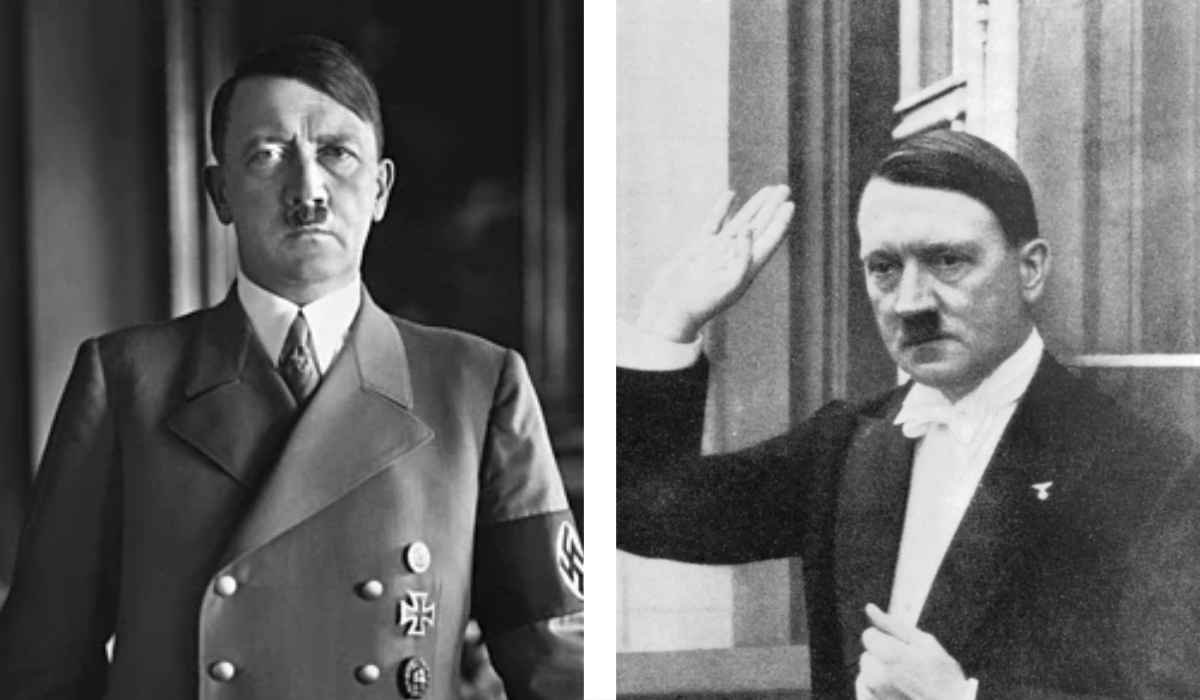
The historical trajectory of twentieth-century Europe remains permanently shadowed by the catastrophic events engineered under the rule of Adolph Hitler. Born in Austria in 1889, he evolved from an impoverished aspiring artist into the radicalized dictator of Nazi Germany. His relentless pursuit of aggressive nationalism, totalitarian control, and virulent antisemitism ultimately plunged the global community into the most devastating armed conflict in human history.
Examining this dark era requires a rigorous look at the socioeconomic conditions, political miscalculations, and systemic propaganda strategies that enabled a singular extremist movement to capture an entire nation’s apparatus. Understanding these historical mechanisms serves as a crucial reminder of how fragile democratic institutions can be when confronted with widespread economic turmoil, social polarization, and unbridled demagoguery.
Quick Bio Overview
| Attribute | Detail |
| Full Name | Adolph Hitler |
| Lifespan | April 20, 1889 – April 30, 1945 |
| Birthplace | Braunau am Inn, Austria-Hungary |
| Political Party | National Socialist German Workers’ (Nazi) Party |
| Key Position | Chancellor and Führer of Germany |
| Major Conflict | World War II |
Early Life and Formative Years in Austria
The early background of Adolph Hitler provides a window into the psychological development of a deeply frustrated youth rejecting conventional paths. Growing up in a strict household under a demanding father, he showed little academic inclination and abandoned formal schooling early. Moving to Vienna as a young man with ambitions of becoming a painter, he faced continuous rejection from the Academy of Fine Arts. During these impoverished years in the Austrian capital, he absorbed radical pan-German ideologies and intense antisemitic conspiracy theories. These formative experiences deeply shaped his worldview, instilling a profound contempt for multi-ethnic empires, parliamentary democracy, and cosmopolitan liberalism that would later define his entire political trajectory.
World War I Service and Military Experience
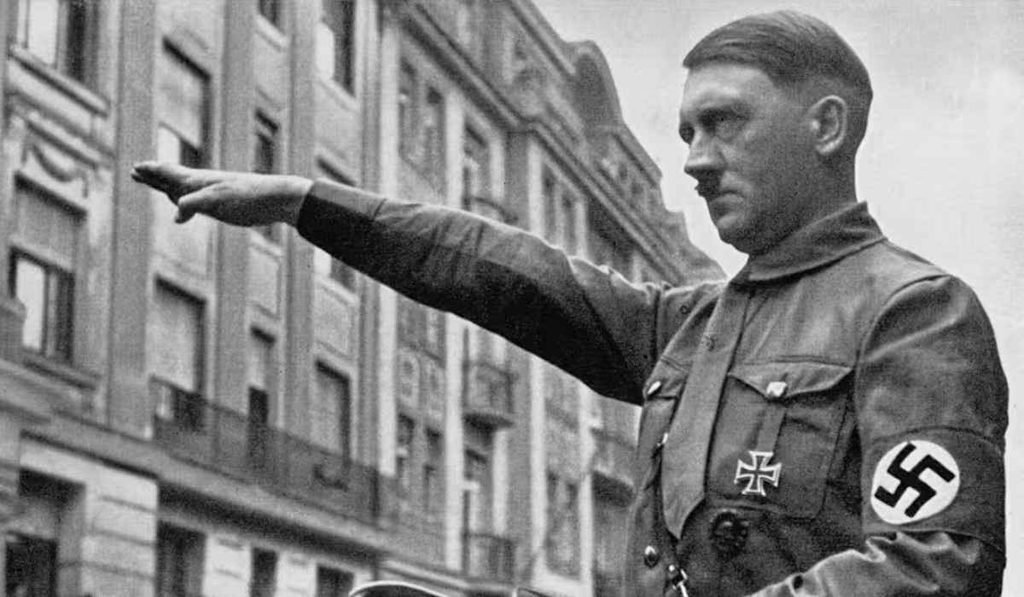
The outbreak of the First World War offered Adolph Hitler an institutional outlet for his militant nationalism and deep-seated personal alienation. Moving to Munich prior to the conflict, he volunteered for the Bavarian army, serving throughout the war primarily as a front-line dispatch runner. Despite displaying apparent battlefield bravery that earned him decorations like the Iron Cross, his military rank remained low. The unexpected defeat of Germany in 1918 struck him and many disillusioned soldiers with profound shock, fueling the popular national myth that the undefeated army had been betrayed from within. This psychological trauma and grievance-driven narrative formed the emotional bedrock of his future political awakening and radicalization.
Emergence Within the Early Nazi Party
Post-war political turmoil in Munich led Adolph Hitler directly into the intelligence monitoring of extremist political groups. Tasked with investigating the small German Workers’ Party, he instead joined the organization, quickly distinguishing himself through aggressive rhetoric and charismatic public speaking. By leveraging his growing popularity at local beer hall gatherings, he pushed out rivals and seized absolute control of the newly rebranded National Socialist German Workers’ Party. He recognized early on how to exploit public anger over economic collapse and the humiliating terms of the Versailles Treaty. This foundational period transformed a fringe political sect into an organized, aggressive movement equipped with its own paramilitary enforcement wing.
The Beer Hall Putsch and Imprisonment
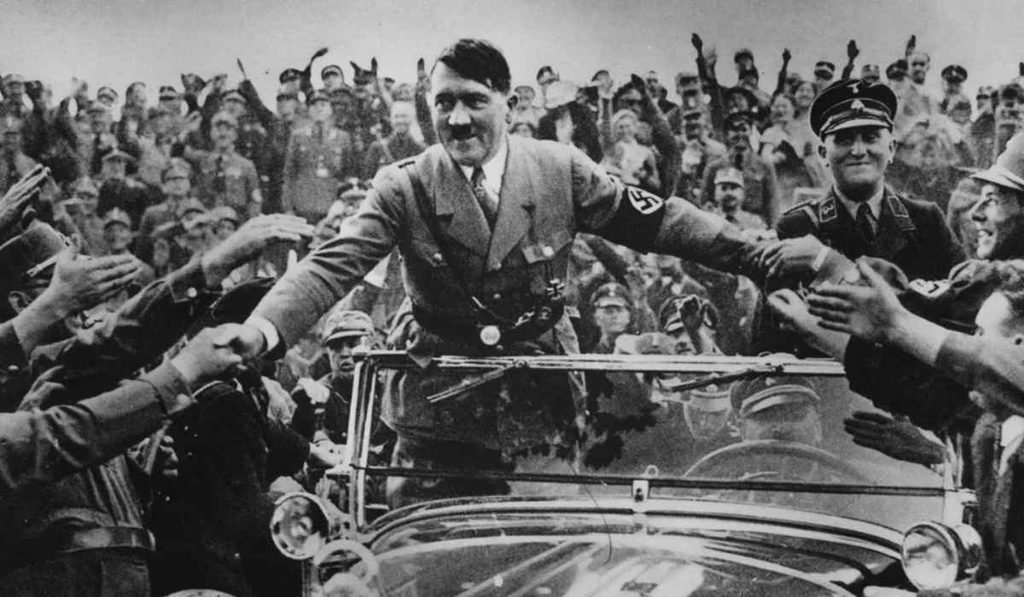
Ambitious political maneuvering culminated in an ill-fated attempt by Adolph Hitler to overthrow the regional Bavarian government in late 1923. The botched Beer Hall Putsch resulted in a swift government crackdown, his subsequent arrest, and a high-profile treason trial that granted him national media visibility. Sentenced to a comfortable confinement in Landsberg prison, he utilized the time to dictate the first volume of his ideological manifesto, Mein Kampf. This period of incarceration forced a strategic pivot in his approach, convincing him that seizing control required working through legal electoral channels rather than staging immediate armed insurrections against the state machinery.
The Impact of Mein Kampf and Ideology
Literary output during his imprisonment cemented the core tenets that Adolph Hitler would systematically implement upon achieving absolute state authority. Mein Kampf outlined a toxic worldview fusing extreme racial hierarchy, aggressive territorial expansionism across Eastern Europe, and obsessive eliminationist antisemitism. He framed world history exclusively as a brutal struggle between distinct racial groups, elevating the mythical Aryan race as supreme while painting Jewish populations as an existential parasite destroying society from within. Although initially dismissed by contemporary intellectuals as crude propaganda, this text later functioned as the literal blueprint for state-sponsored domestic terror, aggressive foreign conquest, and industrialized mass murder.
Exploitation of the Great Depression
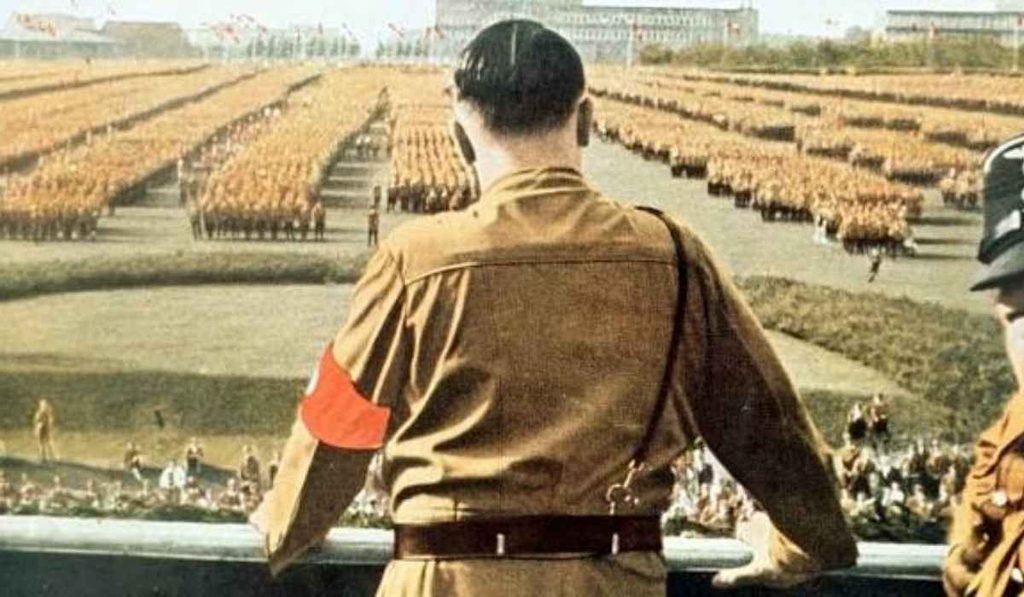
Catastrophic economic collapse provided Adolph Hitler with the ideal national crisis to expand his political base dramatically. When the Wall Street crash devastated Germany’s fragile economy, sending unemployment rates skyrocketing, traditional democratic coalitions fractured and failed to govern effectively. The Nazi Party capitalized on widespread despair, presenting themselves as the only resolute alternative to communist revolution and parliamentary decay. Through massive, highly orchestrated rallies, modern propaganda techniques, and relentless scapegoating, they successfully transformed widespread public frustration into massive electoral gains, steadily increasing their representation within the German parliament throughout the early 1930s.
Rise to the Chancellorship in 1933
Electoral success eventually propelled Adolph Hitler into the highest offices of traditional German governance through behind-the-scenes political maneuvering. Conservative elites, incorrectly believing they could control and manipulate his mass movement for their own nationalist agenda, pressured President Paul von Hindenburg to appoint him as chancellor in January 1933. Rather than serving as a figurehead for a traditional conservative cabinet, he immediately began dismantling institutional safeguards. He utilized the terrifying chaos of the Reichstag fire as a convenient pretext to suspend civil liberties, suppress political opposition, and consolidate unilateral executive power under the guise of restoring national law and order.
Consolidation of Totalitarian Dictatorship
Absolute political dominance was rapidly secured by Adolph Hitler through a calculated process of eliminating all institutional, legal, and social resistance. The passage of enabling legislation effectively bypassed the parliament, granting the executive branch unlimited dictatorial authority to rule by decree. Independent trade unions were outlawed, rival political parties were banned or forced to dissolve, and regional governmental autonomy was systematically erased. Through ruthless purges of internal party rivals during the Night of the Long Knives and the complete subjugation of the judiciary, a comprehensive totalitarian state emerged where state authority and personal loyalty to the leader merged completely.
Propaganda, Censorship, and Total Control
Information management and psychological manipulation under Adolph Hitler became central pillars of maintaining unchallengeable internal dominance. Joseph Goebbels directed a sophisticated ministry of public enlightenment and propaganda that tightly controlled all forms of media, literature, art, broadcasting, and education. Independent journalism was entirely suppressed, replaced instead by daily messaging glorifying the regime and dehumanizing targeted minority groups. Mass spectacles, synchronized rallies, and the mandatory adoption of totalitarian youth organizations ensured that citizens were subjected to continuous ideological reinforcement from an early age, effectively neutralizing independent critical thought across society.
Persecution and the Rise of State Racism
Systematic persecution implemented by Adolph Hitler targeted anyone deemed racially impure, politically subversive, or socially undesirable by the state ideology. Early legislation systematically stripped Jewish citizens of their professional licenses, legal rights, and citizenship status through measures like the Nuremberg Laws. Concentration camps, originally established for political opponents, rapidly expanded into a vast network of terror designed to isolate, exploit, and brutalize marginalized populations, including Romani people, individuals with disabilities, and homosexuals. This escalating state-sponsored violence institutionalized biological racism as the dominant legal and moral framework of the entire German nation.
Rearmament and Economic Transformation
Aggressive military preparation championed by Adolph Hitler drove a major transformation of the domestic economic landscape during the mid-1930s. Violating the military restrictions imposed by the Treaty of Versailles, the regime launched massive programs of industrial rearmament, public infrastructure projects, and universal military conscription. While these initiatives successfully lowered domestic unemployment and restored national prestige, they secretly plunged the state into unsustainable financial debt dependent on rapid territorial expansion. This war-oriented economic model ensured that the entire nation remained structurally committed to aggressive foreign conflict as the only long-term solution to its fiscal pressures.
Aggressive Foreign Policy and Territorial Expansion
Diplomatic brinkmanship practiced by Adolph Hitler continuously tested the resolve of Western democracies through a series of escalating territorial demands. The regime remilitarized the Rhineland, annexed Austria through the Anschluss, and systematically dismantled Czechoslovakia with the passive acquiescence of terrified international powers pursuing appeasement. Each successful gamble emboldened the leadership further, proving to them that foreign adversaries lacked the collective will to risk another global war. This pattern of aggressive expansion culminated when demands shifted toward Poland, setting the inevitable stage for a massive armed confrontation across the European continent.
The Outbreak of World War II
Military aggression initiated by Adolph Hitler officially triggered World War II when German forces invaded Poland on September 1, 1939. In response to this unprovoked assault, Great Britain and France honored their security guarantees to Warsaw and declared war on Germany. Utilizing innovative military tactics known as Blitzkrieg, the regime overran much of Western and Central Europe within a remarkably short period, establishing continental hegemony. However, this early military success drastically miscalculated the long-term industrial capacity, economic resilience, and collective global resolve of the allied coalition arrayed against them.
The Holocaust and Mass Extermination
Industrialized genocide directed by Adolph Hitler represented the ultimate, horrifying realization of Nazi racial ideology during the course of the war. As the military campaigns expanded across Europe, state apparatuses shifted toward the systematic, mechanized extermination of European Jewish populations, commonly known as the Holocaust. Millions of innocent men, women, and children were systematically deported to specialized death camps equipped with poison gas chambers and crematoria. This unprecedented state-sponsored genocide stands as a dark monument to ideological extremism, bureaucratic efficiency, and total moral collapse within modern civilization.
Military Mistakes and Strategic Failures
Strategic military oversight by Adolph Hitler increasingly undermined the operational effectiveness of the armed forces as the global conflict expanded. Driven by ideological hubris rather than pragmatic military counsel, he frequently issued rigid directives forbidding tactical retreats, most notably during the catastrophic invasion of the Soviet Union and the pivotal Battle of Stalingrad. His decision to open a multi-front war while simultaneously declaring war on the United States guaranteed an unsustainable strain on industrial resources. These compounding strategic errors accelerated the systematic dismantling of the Axis military forces across all major operational theaters.
Internal Resistance and Assassination Plots
Domestic opposition to Adolph Hitler persisted despite pervasive surveillance, swift justice, and the omnipresent threat of brutal public execution. Various underground resistance networks, student movements, and disaffected military officers attempted multiple times to eliminate the dictator and overthrow the regime. The most notable effort, the July 20 plot in 1944 involving a briefcase bomb planted by high-ranking officers, ultimately failed due to last-minute logistical changes. The swift and brutal retaliation executed against the conspirators and their extended families effectively silenced high-level organized military dissent until the final collapse of the government.
The Fall of Berlin and Regime Collapse
Military defeat closed in rapidly as Allied forces advanced from the West and Soviet troops fought their way into the heart of the capital. Refusing to surrender or witness the total humiliation of his regime, Adolph Hitler retreated deep into the underground Führerbunker beneath the Reich Chancellery. As enemy artillery pounded the ruined city above, he married his long-time companion Eva Braun in a brief ceremony. The absolute collapse of their military empire was sealed within these final subterranean hours, bringing an end to a brutal chapter of European history defined by relentless state violence, immense human suffering, and total devastation.
Suicide and the End of the War in Europe
The final hours of Adolph Hitler concluded on April 30, 1945, inside the underground bunker as Soviet troops stormed the streets of Berlin. To evade capture by advancing enemy forces, he committed suicide alongside his newly wedded wife Eva Braun. In accordance with prior instructions, their bodies were quickly carried up into the courtyard of the Reich Chancellery and hastily cremated amidst ongoing artillery fire. Days later, military representatives signed unconditional surrenders, formally ending the European theater of World War II and leaving a fractured continent to reckon with the massive devastation unleashed by the regime.
Historical Legacy and Global Memory
Historical memory surrounding Adolph Hitler serves as a universal cautionary tale regarding the catastrophic dangers of totalitarianism, systemic racism, and unchecked political extremism. The immense human cost of his actions—measured in tens of millions of lost lives, devastated cities, and shattered populations forever changed global politics, international law, and human rights frameworks. Memorials, educational curricula, and ongoing historical research ensure that the horrific consequences of this era are never forgotten. Societies worldwide continue studying these dark events to safeguard modern democratic institutions against the resurgence of similar authoritarian ideologies and hatred.
Frequently Asked Questions
- When was Adolph Hitler born?
- Adolph Hitler was born on April 20, 1889.
- What political party did he lead?
- He led the National Socialist German Workers’ Party, commonly known as the Nazi Party.
- When did he become the chancellor of Germany?
- He assumed the office of chancellor in January 1933.
- How did Adolph Hitler die?
- He died by suicide in his underground bunker in Berlin on April 30, 1945.
- What was the name of his autobiography?
- His political manifesto and autobiography was titled Mein Kampf.