 admin
admin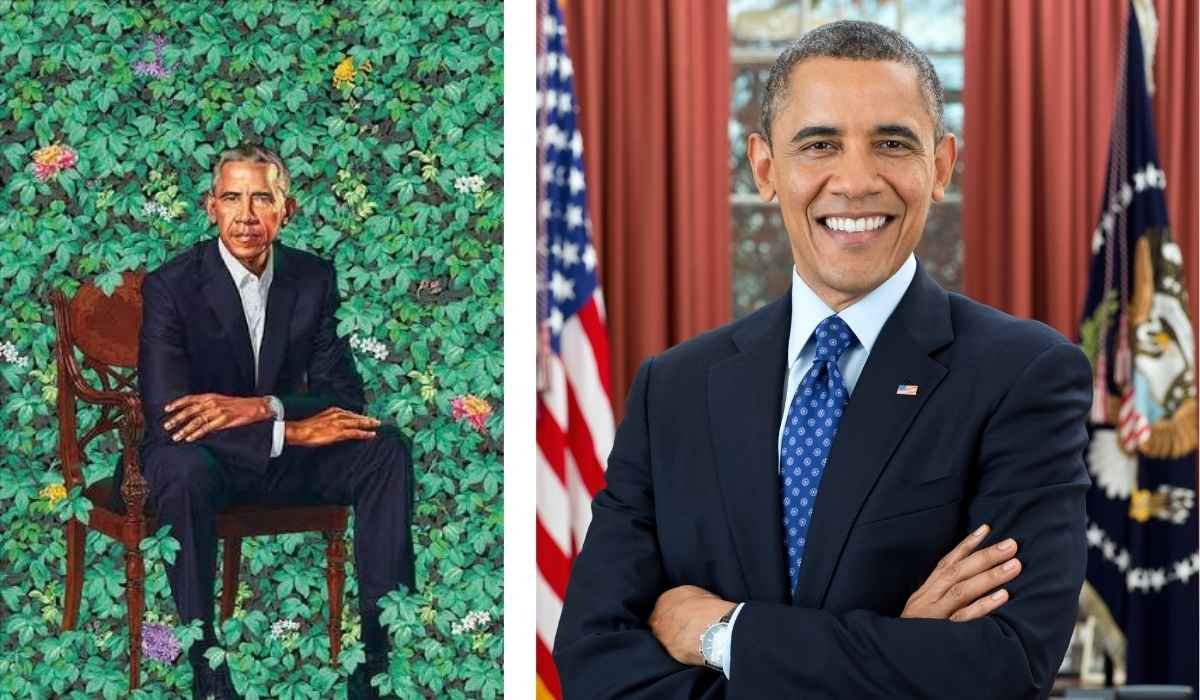
Exploring the extraordinary life and legacy of Barack Obama reveals a transformative journey from community organizer to the leader of the free world. As the forty-fourth president of the United States, his historical election shattered long-standing barriers and redefined modern American politics. Born in Honolulu, Hawaii, to a Kenyan father and an American mother, his multicultural upbringing deeply influenced his worldview. Throughout his academic years at Columbia University and Harvard Law School, he cultivated a passion for public service and social justice. This comprehensive overview examines his foundational years, monumental political rise, major legislative achievements, and lasting global impact on society.
Quick Bio
| Attribute | Detail |
| Full Name | Barack Hussein Obama II |
| Date of Birth | August 4, 1961 |
| Place of Birth | Honolulu, Hawaii |
| Spouse | Michelle Obama |
| Political Party | Democratic |
| Presidency | 44th US President (2009–2017) |
Early Life and Childhood Roots
Growing up in both Hawaii and Indonesia provided Barack Obama with a uniquely diverse perspective on global cultures. Born in August 1961, he spent his early years navigating different societies, which fostered his deep empathy for marginalized communities. His mother, Ann Dunham, instilled in him a strong intellectual curiosity and a commitment to civic values. After returning to Honolulu, he attended the prestigious Punahou School, where he excelled academically and developed a keen interest in basketball. These formative experiences laid the emotional and intellectual groundwork for his future endeavors in social activism and political leadership across the United States.
Academic Journey at Occidental and Columbia
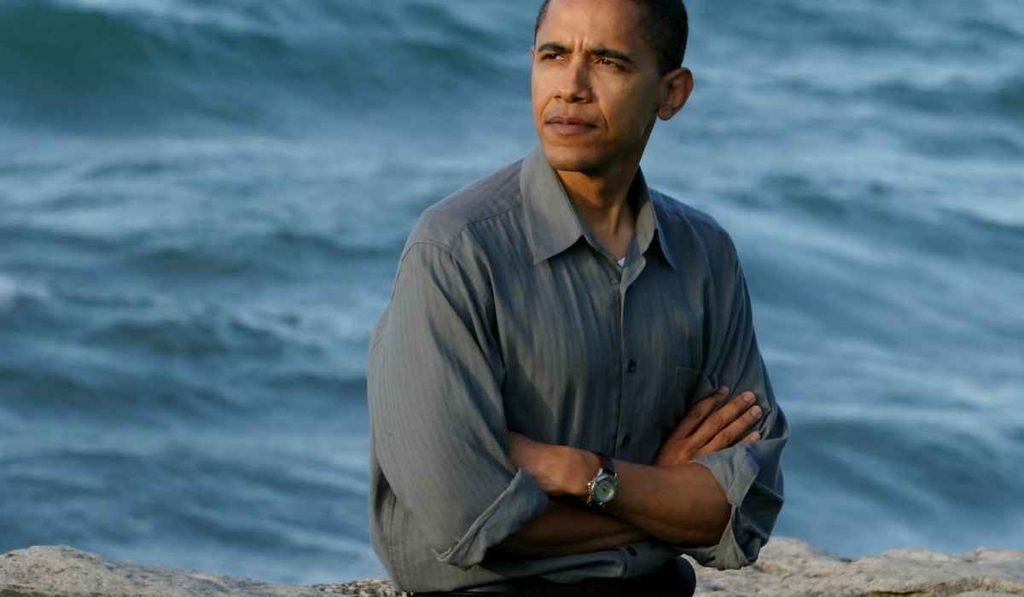
Transitioning to higher education brought Barack Obama to the mainland, where he began shaping his political ideology. He initially attended Occidental College in Los Angeles before transferring to Columbia University in New York City. Majoring in political science with a focus on international relations, he spent countless hours reading philosophy, history, and literature. Living in New York during the early 1980s exposed him to complex urban dynamics and activist movements. Earning his bachelor’s degree marked a crucial milestone, giving him the analytical tools necessary to understand systemic socioeconomic challenges and inspiring him to pursue grassroots community development work.
Community Organizing in Chicago South Side
Relocating to Chicago in 1985, Barack Obama immersed himself in community organizing across the city’s economically distressed South Side. Working alongside local churches and civic organizations, he helped residents advocate for better living conditions and job training programs. This hands-on experience taught him the complexities of coalition-building and the importance of listening to everyday citizens. He witnessed firsthand the devastating impacts of industrial plant closures on working-class families. This period profoundly shaped his understanding of systemic inequality and solidified his lifelong dedication to public service, community empowerment, and progressive political reform initiatives.
Harvard Law School and Historical Milestone
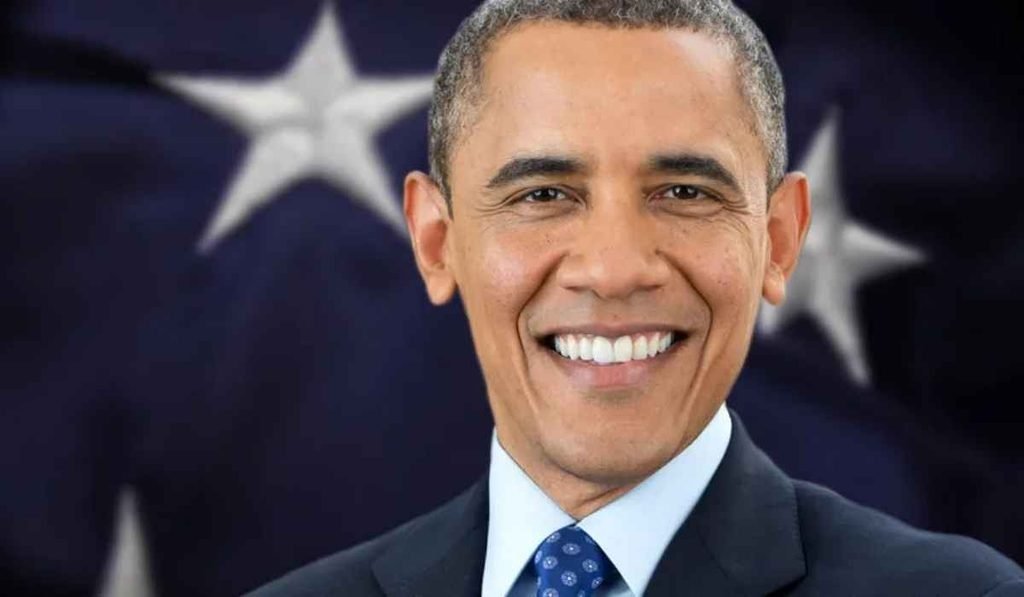
Entering Harvard Law School marked another prestigious chapter in the professional evolution of Barack Obama. He quickly distinguished himself among his peers through exceptional academic dedication and sharp analytical writing skills. In 1990, he achieved a historic milestone by being elected as the first African American president of the Harvard Law Review. This high-profile position brought national academic attention and opened doors to elite legal circles. However, rather than pursuing a lucrative corporate law career, he remained deeply committed to civil rights advocacy, returning to Chicago to teach constitutional law and fight for justice.
Legal Career and Civil Rights Advocacy
Returning to Illinois after law school, Barack Obama established himself as a dedicated civil rights attorney and academic. He taught constitutional law at the University of Chicago Law School for over a decade, sharing his knowledge with aspiring lawyers. Simultaneously, he worked with a local law firm on voting rights cases and directed Project Vote to expand electoral participation. His legal background gave him a profound appreciation for constitutional frameworks and judicial integrity. This deep-rooted expertise heavily influenced his approach to governance, legislation, and public policy formulation throughout his entire career in public service.
Marriage to Michelle Robinson and Family
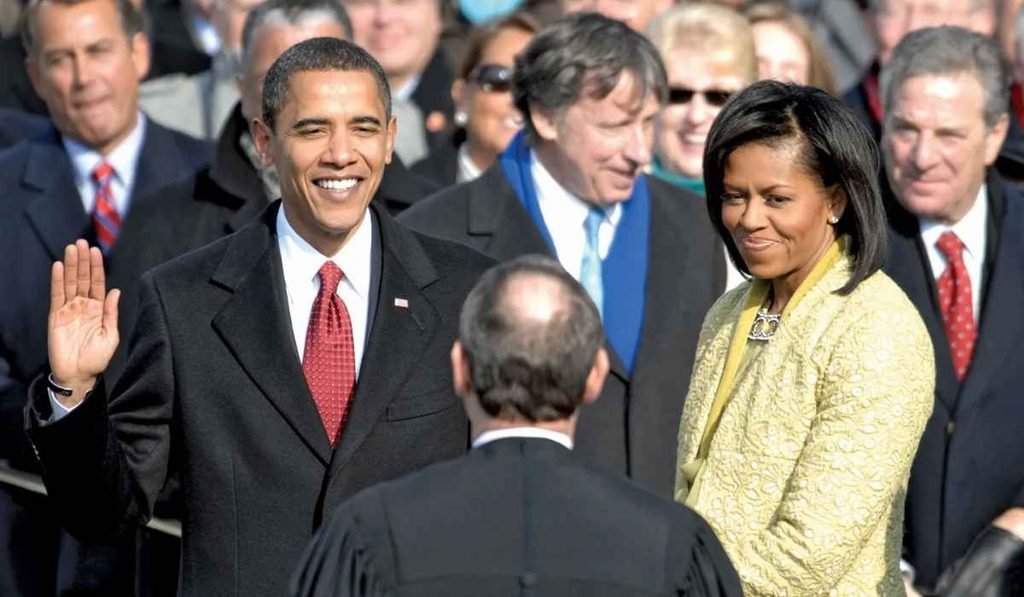
Meeting Michelle Robinson at a Chicago law firm where she served as his mentor changed the trajectory of Barack Obama’s personal life. The couple married in 1992 and later welcomed two daughters, Malia and Sasha. Michelle’s brilliant legal mind and steadfast support became foundational pillars for his demanding political career. Together, they navigated the intense pressures of public life while striving to provide a grounded, normal upbringing for their children inside and outside the White House. Their partnership remains an enduring symbol of mutual respect, shared ambition, and strong family values.
Transition to Politics and Illinois State Senate
Entering the political arena in 1996, Barack Obama won election to the Illinois State Senate representing the thirteenth district. During his eight years in Springfield, he worked across party lines to pass ethics reform, expand healthcare access for working families, and overhaul the criminal justice system. He earned a reputation as a thoughtful legislator who could synthesize complex arguments and bridge ideological divides. His tenure in state government demonstrated his capability to govern effectively and built the local political coalition required to launch a successful statewide campaign for higher federal office.
Rising National Prominence and 2004 DNC Speech
Stepping onto the national stage at the 2004 Democratic National Convention, Barack Obama delivered a keynote address that electrified the country. His soaring rhetoric focused on national unity, transcending red and blue state divisions, and revitalizing the American dream. This masterclass in oratory instantly transformed him into a rising star within the Democratic Party. Later that same year, he won election to the United States Senate representing Illinois in a landslide victory. His brief yet impactful tenure in the U.S. Senate further amplified his national profile and set the stage for a historic presidential run.
Historic 2008 Presidential Campaign Journey
Launching his presidential campaign in 2007, Barack Obama built an unprecedented grassroots movement fueled by digital organizing and small-donor fundraising. After a grueling primary battle against seasoned rival Hillary Clinton, he secured the Democratic presidential nomination. Running on a powerful message of hope and change, he defeated Republican nominee John McCain in the November 2008 general election. On January 20, 2009, he took the oath of office, shattering the ultimate glass ceiling to become the first African American president in American history.
Inauguration Amidst Global Economic Crisis
Taking office during the worst financial meltdown since the Great Depression, Barack Obama faced immediate, monumental economic challenges. He signed the American Recovery and Reinvestment Act in early 2009 to rescue the collapsing economy, save millions of jobs, and fund critical infrastructure projects. His administration also engineered a rescue of the distressed U.S. auto industry, preventing a complete manufacturing collapse. While these decisive actions sparked intense political debate, they successfully averted a deeper depression and laid the groundwork for the longest streak of job growth in modern American history.
Landmark Healthcare Reform and Affordable Care Act
Achieving comprehensive healthcare reform had eluded American presidents for nearly a century before Barack Obama prioritized the issue. In March 2010, he signed the Affordable Care Act, colloquially known as Obamacare, into law. This monumental legislation extended health insurance coverage to tens of millions of uninsured Americans, prohibited insurance companies from denying coverage for pre-existing conditions, and allowed young adults to stay on parental plans. Despite fierce partisan opposition and legal challenges, the law fundamentally transformed the American healthcare landscape and remains one of his most enduring domestic policy legacies.
Foreign Policy Shifts and Diplomatic Strategy
Redefining America’s role abroad, Barack Obama favored multilateral diplomacy, international alliances, and a measured military footprint. He authorized the high-risk military raid that resulted in the death of Osama bin Laden in 2011, fulfilling a major national security objective. He also oversaw the responsible drawdown of U.S. combat troops from Iraq and shifted strategic focus toward diplomatic engagements, such as the Iran nuclear deal and the normalization of relations with Cuba. His foreign policy doctrine prioritized smart power, coalition building, and cautious navigation of complex Middle Eastern conflicts.
Environmental Protection and Climate Leadership
Combating global climate change became a core pillar of the environmental agenda championed by Barack Obama. Recognizing the existential threat posed by rising global temperatures, his administration implemented strict fuel economy standards for automobiles and invested heavily in renewable energy sources. On the international stage, he played a pivotal diplomatic role in orchestrating the historic Paris Climate Agreement in 2015, uniting nearly two hundred nations in a shared commitment to reduce carbon emissions. These proactive environmental initiatives established a framework for sustainable future development and global ecological stewardship.
Reelection Victory in 2012 Campaign
Facing a challenging reelection campaign in 2012, Barack Obama highlighted his first-term economic recovery achievements and the revitalization of the American manufacturing sector. He successfully defeated Republican challenger Mitt Romney, securing a second term in the White House. His second term focused heavily on expanding civil rights, implementing executive actions on immigration when legislative reform stalled, and addressing income inequality. Although facing a divided Congress that restricted major new legislative packages, he continued to advance progressive social policies and leverage executive authority to protect public lands and consumer rights.
Cultural Impact and Symbolism of Presidency
Embodying profound cultural symbolism, Barack Obama’s presidency profoundly altered how millions of citizens viewed leadership, identity, and possibility in America. His presence in the White House served as an inspiring beacon of hope for minority youth across the globe. Alongside his wife Michelle, he cultivated a cultural environment that celebrated the arts, education, and public service. Their grace, dignity, and absence of major personal scandal set a high standard for executive conduct. He permanently expanded the cultural tapestry of the United States, proving that background is never a barrier to achieving the highest office.
Post-Presidency Ventures and Obama Foundation
Leaving office in January 2017, Barack Obama transitioned into an active post-presidency centered on civic leadership development. Through the Obama Foundation, he and Michelle established initiatives to train emerging global leaders, build the Obama Presidential Center in Chicago, and empower grassroots changemakers. He also returned to writing, publishing his critically acclaimed, best-selling memoir A Promised Land in 2020. Alongside media production ventures through Higher Ground Productions, he continues to shape public discourse, mentor young activists, and advocate for democratic norms worldwide.
Literary Contributions and Published Memoirs
Establishing a reputation as a gifted writer, Barack Obama authored several bestselling books that offered intimate glimpses into his life and philosophy. His literary journey began with the 1995 memoir Dreams from My Father, praised for its lyrical prose and honest exploration of identity. He followed this with The Audacity of Hope in 2006, which articulated his political vision for unity and reform. Later, his presidential memoir A Promised Land captured the intricate realities of his first term. These works cemented his status not only as a political leader but also as a profound literary voice.
Awards, Honors, and Global Recognition
Receiving widespread international acclaim throughout his career, Barack Obama earned numerous prestigious honors, including the 2009 Nobel Peace Prize for his extraordinary efforts to strengthen international diplomacy and cooperation. He also collected multiple Grammy Awards for spoken-word audio recordings of his memoirs, showcasing his distinctive oratorical talent. Named Time Magazine’s Person of the Year twice, his global influence transcended traditional political boundaries. These accolades reflected the immense global goodwill and high expectations that accompanied his rise to international prominence and leadership.
Lasting Legacy in Modern American History
Cementing a complex and enduring legacy, Barack Obama remains one of the most influential figures of the twenty-first century. His administration successfully navigated an economic depression, reformed healthcare, advanced civil rights, and repositioned American foreign policy. While historians will continue to debate specific policy decisions and legislative compromises, his historic election fundamentally reshaped the American political landscape. By breaking racial barriers and championing progressive ideals, he left an indelible mark on the nation. For an in-depth exploration of his life and career, FRIENDLY.
Frequently Asked Questions
- When was Barack Obama born?
- He was born on August 4, 1961.
- What number president was he?
- He served as the 44th president of the United States.
- Where did he attend law school?
- He graduated from Harvard Law School.
- Who is his wife?
- He is married to Michelle Obama.
- When did he win the Nobel Peace Prize?
- He was awarded the Nobel Peace Prize in 2009.