 2Q Solutions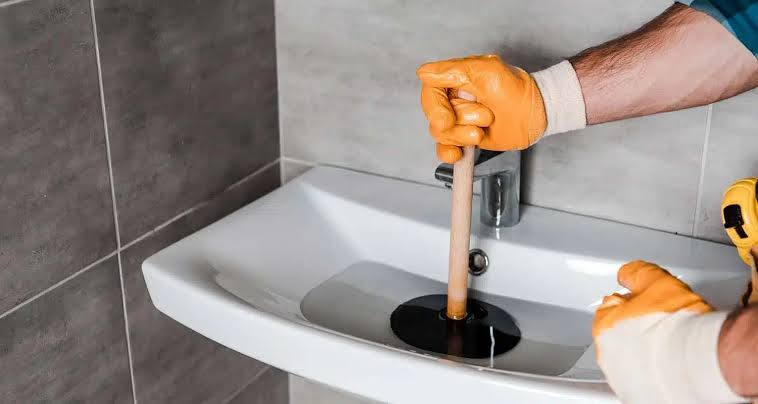
Think about everything a household drain encounters during an ordinary week. Food residue disappears through kitchen sinks, while soap, hair, toothpaste, oils, and other materials enter bathroom plumbing. Although pipes are designed to transport wastewater, repeated exposure to debris can eventually restrict them. Properly cleaning drains and controlling what enters them can help maintain dependable water flow and reduce frustrating recurring clogs.
Prevention Starts Before Debris Enters the Pipe
One of the easiest ways to maintain drains is simply to reduce unnecessary material entering them.
Cooking grease deserves particular attention. Pouring it into a kitchen sink can create problems because grease cools and adheres to pipe walls. Once this layer develops, food particles can stick to it.
Instead, keep fats and oils out of the drain whenever practical. Scrape plates and cookware before washing them as well.
In bathrooms, catch hair before it travels into shower and bathtub pipes. A simple drain screen can prevent a considerable amount of debris from entering the system.
Learn the Normal Behavior of Your Fixtures
Every homeowner benefits from knowing how quickly sinks, tubs, and showers normally empty.
Why? Changes become easier to recognize.
A Slow Sink Is an Early Warning
When a sink gradually takes longer to empty, the drain may already have a partial restriction. Water can still pass, but the available pathway has become smaller.
Waiting until the sink stops draining completely allows more debris to accumulate.
Watch for Water Around Shower Drains
Water pooling during a shower is another common warning. Check for visible hair or debris first, but pay attention if the symptom keeps returning.
Persistent slow flow may point to buildup farther inside the line.
Odors Can Reveal Hidden Accumulation
A drain can look perfectly clean from above while residue remains inside the pipe.
Organic material trapped in a damp environment may produce unpleasant smells. If an odor repeatedly returns, simply adding fragrance to the room does not address the source.
Removing the accumulated material is more effective because it targets what is producing the smell.
Avoid Treating Symptoms Forever
Temporary improvements can be misleading. If the same fixture repeatedly slows down, a deeper obstruction may remain.
This is especially important when multiple fixtures are affected or when water backs up unexpectedly.
Consulting a local plumbing and drainage specialist can help determine why a drainage issue continues to return.
A thorough assessment can distinguish an ordinary localized clog from a restriction elsewhere in the drainage system.
Create a Simple Drain-Care Routine
Drain care does not require constant attention. Instead, incorporate a few sensible habits into normal household cleaning.
Check Drain Covers Regularly
Remove visible hair and debris before it moves deeper into the system. Clean strainers frequently, especially in heavily used fixtures.
Notice whether water continues to flow at its normal speed after routine use.
Kitchen sinks deserve additional attention because grease and food residue can accumulate without producing immediate symptoms.
Why Early Action Makes a Difference
A partially restricted pipe still allows wastewater to move, but additional debris can accelerate blockage development.
Responding to slow drainage early gives homeowners an opportunity to address the problem before standing water or backups disrupt everyday activities.
Conclusion
Healthy household drainage is largely about prevention and awareness. Keeping unsuitable materials away from sinks, using drain screens, watching for slower water movement, and responding to recurring symptoms can make plumbing easier to maintain. Regularly cleaning drains also removes accumulated residue before it develops into a stubborn obstruction, helping water leave household fixtures smoothly and efficiently.