
 admin
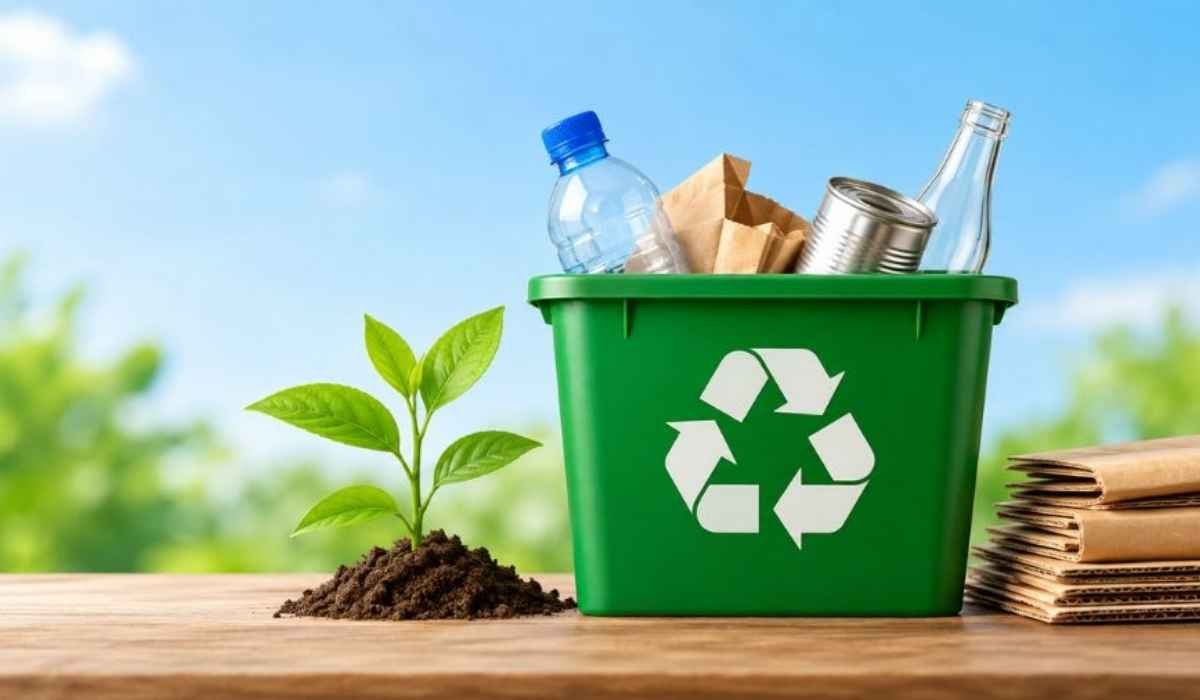
Modern environmental preservation requires advanced tools to process urban waste efficiently across residential and industrial settings. Implementing a matarecycler system empowers facility managers to automate sorting procedures while drastically minimizing landfill contamination levels. As urban populations expand globally, traditional trash separation methods prove inadequate for handling high volumes of municipal refuse.
Integrating digital tracking sensors alongside artificial intelligence ensures sustainable material recovery without incurring excessive operational expenses. Embracing clean automation represents a pivotal step toward building resilient circular economies in smart cities worldwide. Modern communities actively look for scalable innovations that optimize daily garbage processing workflows effectively.
Quick Bio
| Feature | Specification Details |
| System Name | Matarecycler |
| Primary Category | Smart Recycling & Automated Waste Processing |
| Key Technologies | AI Sorting, Optical Sensors, IoT Data Analytics |
| Target Applications | Municipal Facilities, Commercial Hubs, Industrial Plants |
| Environmental Goal | Landfill Diversion and Circular Material Recovery |
Understanding the Core Functions of Matarecycler Technology
Understanding how a matarecycler operates helps industrial operations overhaul their current material processing infrastructure cleanly. The primary architecture combines optical recognition, mechanical conveyor belts, and pneumatic air jets to separate discarded items instantly. By scanning mixed material streams at rapid speeds, the machine isolates recyclable polymers, metals, and paper fiber automatically. This level of mechanical precision prevents cross-contamination, which frequently degrades reprocessed raw material quality. Facilities utilizing these smart units report higher purity levels in their secondary output batches. Consequently, adopting automated sorting technology transforms traditional waste handling into a highly efficient resource recovery operation.
Key Features That Distinguish Matarecycler Systems
Deploying a matarecycler offers specialized feature sets designed to optimize continuous sorting tasks across high-volume environments. Advanced spectral sensors identify complex plastic resins that traditional human sorting teams often misclassify during manual checks. Integrated IoT modules continuously monitor equipment health, alerting operational managers to component wear before mechanical failures occur. Additionally, custom air ejection modules route separated fractions into designated collection hoppers without disrupting incoming lines. Energy-efficient motors lower total power consumption during extended operational shifts throughout the day. These robust capabilities position the platform as an essential tool for forward-thinking facilities seeking complete automation.
How Artificial Intelligence Enhances Matarecycler Performance
Incorporating artificial intelligence allows the matarecycler to learn new object profiles and adapt to shifting trash streams. Deep learning algorithms evaluate object shapes, surface textures, and color compositions within milliseconds under variable lighting conditions. As new consumer packaging materials enter the waste stream, system software updates train the sorting logic automatically. This adaptive capability maintains elevated sorting accuracy even when handling crushed, distorted, or heavily soiled items daily. Consequently, facilities experience fewer misclassifications and process larger metric tonnages each hour. Smart algorithm integration ensures that infrastructure investments remain valuable despite evolving consumer packaging trends over time.
Environmental Impact of Deploying Matarecycler Units

Integrating a matarecycler directly reduces the massive volume of recoverable materials diverted to municipal landfills yearly. By boosting local capture rates for aluminum, glass, and high-density polymers, communities reduce reliance on virgin resource extraction. Reclaiming secondary raw materials requires significantly less energy than refining raw metal ores or synthesizing petroleum products. Reduced energy consumption translates into lower greenhouse gas emissions across regional manufacturing supply chains globally. Furthermore, preventing plastics from entering terrestrial environments mitigates long-term microplastic contamination in soil and nearby watersheds. Clean automated recovery frameworks therefore provide measurable ecological advantages for surrounding urban communities.
Economic Benefits for Municipalities Using Matarecycler
Adopting a matarecycler yields substantial financial dividends for municipal authorities managing tight public utility operating budgets. Automated sorting drastically reduces labor expenditure while maintaining uninterrupted operational schedules throughout night shifts. Higher purity outputs fetch premium prices when sold to secondary manufacturing partners in commodity markets. Municipalities also save millions in landfill tipping fees by diverting significant percentages of collected refuse daily. Over time, revenue generated from reprocessed material sales offsets initial capital expenditure and ongoing system maintenance costs. Investing in advanced recovery hardware ultimately stabilizes public utility budgets while promoting sustainable community growth.
Operational Guidelines for Maintaining Matarecycler Efficiency
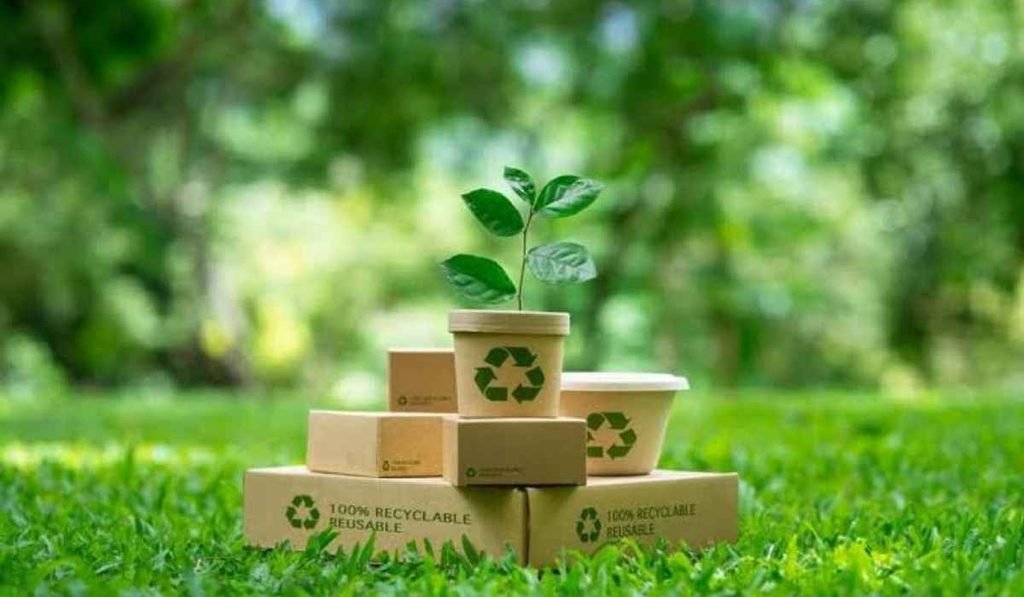
Maintaining a matarecycler in top condition requires adherence to structured preventative maintenance protocols and regular checkups. Operators must recalibrate optical cameras weekly to preserve optimal visual recognition standards under heavy dust exposure. Pneumatic nozzles require routine clearing to remove debris build-up that could weaken air-blast precision during sorting. Lubricating mechanical bearings and checking conveyor belt tension prevents unnecessary mechanical friction and drive motor strain. Software logs should be audited daily to verify that sorting algorithms run without processing bottlenecks. Systematic preventive care ensures long equipment lifespans and protects the facility from costly unscheduled operational downtime.
Material Types Processed by Matarecycler Infrastructure
A modern matarecycler successfully processes diverse waste streams, ranging from mixed rigid plastics to corrugated paperboard. The system effortlessly isolates PET, HDPE, and polypropylene containers using specialized near-infrared optical identification sensors. Ferrous and non-ferrous metals are sorted rapidly alongside paper products, expanding overall processing versatility across shifts. Even flexible films and complex multi-layer packaging can be categorized accurately when system parameters are calibrated. Handling multiple material streams within a single unified processing line reduces plant space requirements significantly. Facilities gain unprecedented operational flexibility to handle shifting commercial and residential collection inputs seamlessly.
Comparing Matarecycler to Traditional Sorting Methods
Replacing legacy manual processing with a matarecycler dramatically elevates operational throughput while lowering workplace injury risks. Human sorting staff face continuous exposure to hazardous sharp objects, biohazards, and heavy dust inside processing facilities. Automated machinery eliminates direct human contact with hazardous refuse, creating safer working conditions for facility personnel. Furthermore, manual sorters suffer from physical fatigue, causing identification accuracy to drop during long operational shifts. Automated systems maintain consistent sorting speeds and near-perfect classification accuracy twenty-four hours a day without interruption. Transitioning to smart mechanical automation represents a necessary evolution for modern industrial resource recovery operations.
Integration of IoT Sensors in Matarecycler Frameworks
Embedded IoT sensors transform the matarecycler into an interconnected data node within smart municipal waste networks. Real-time telemetry streams information regarding material flow rates, bin capacity levels, and mechanical performance metrics instantly. Plant supervisors monitor these data analytics through central dashboards to resolve operational bottlenecks before delays occur. Remote diagnostic tools allow software engineers to push firmware updates and resolve system errors instantly worldwide. Connected machinery facilitates accurate data tracking, helping municipalities meet stringent regulatory recycling targets effortlessly. IoT integration elevates basic mechanical separation into an intelligent, data-driven resource optimization ecosystem.
Role of Matarecycler in Sustainable Smart Cities
Building sustainable urban centers depends on integrating advanced systems like the matarecycler into baseline city planning. Modern smart cities require closed-loop systems where post-consumer waste feeds directly back into regional manufacturing pipelines. Automated facilities reduce citywide waste management carbon footprints while optimizing municipal logistics and collection routes. Clean urban spaces attract green business investments, boosting local economic vitality and improving public health standards. As urban populations grow, scalable sorting technology ensures municipal infrastructure adapts without degrading local environmental conditions. Investing in high-tech material recovery builds a foundation for long-term ecological resilience across metropolitan centers.
Overcoming Implementation Challenges with Matarecycler
Deploying a matarecycler requires addressing upfront capital investment demands and technical integration challenges during facility retrofits. Facility owners must upgrade electrical infrastructure and network connectivity to support high-speed processing components reliably. Staff members require training to operate digital interfaces, supervise automated lines, and perform routine mechanical calibrations properly. Additionally, initial calibration cycles are necessary to fine-tune optical sensors for local consumer waste profile variations. Strategic planning, combined with phased equipment rollouts, mitigates operational disruption during transitional facility installation phases. Overcoming initial setup challenges unlocks decades of enhanced productivity and lower ongoing processing costs.
Energy Consumption and Efficiency of Matarecycler
Engineers designed the matarecycler to operate with exceptional energy efficiency, utilizing variable-frequency motor drives and smart idling. When material sensors detect low waste feed rates, the system reduces belt speed automatically to save power. High-efficiency LED lighting arrays provide optimal illumination for optical sensors while consuming minimal electrical energy continuously. Optimized pneumatic valves deliver precise, short air bursts, preventing compressed air waste during sorting actions. Lowering operational energy consumption reduces utility expenses, maximizing overall financial profitability for plant owners. These energy-saving design choices align system operation directly with global industrial sustainability and conservation mandates.
Regulatory Compliance and Matarecycler Technology
Utilizing a matarecycler helps commercial processing plants fulfill strict governmental recycling mandates and environmental standard compliance requirements. Regulatory bodies worldwide continuously enforce higher purity thresholds for reprocessed materials entering international trade markets. Automated sorting ensures facilities achieve required purity standards, avoiding expensive regulatory fines or rejected export shipments. Real-time audit logs automatically record processing metrics, simplifying mandatory reporting to environmental protection agencies. Fulfilling compliance benchmarks enhances corporate reputation, opening doors to lucrative municipal contracts and green investment funding. Reliable automated processing guarantees long-term regulatory alignment as regional environmental standards grow stricter globally.
Safety Standards Implemented in Matarecycler Design
Safety protocols built into the matarecycler safeguard facility personnel while maintaining maximum continuous operational output efficiency. Emergency stop sensors positioned along conveyor paths halt mechanical operations instantly if foreign obstructions are detected. Protective housing encloses high-speed mechanical components, pneumatic nozzles, and optical lasers to prevent accidental operator contact. Interlocked access doors cut system power automatically whenever maintenance personnel open protective panels for servicing. Reduced human intervention on sorting belts drastically lowers workplace injuries associated with sharp materials or heavy machinery. Comprehensive safety engineering creates a secure working environment while protecting valuable capital equipment investments.
Future Innovations in Matarecycler Automation
Upcoming iterations of the matarecycler will integrate advanced robotics and hyperspectral imaging to refine processing precision further. Next-generation robotic arms will work alongside air jets to pick and place complex geometry items rapidly. Advanced multispectral cameras will identify bio-based polymers and degradable packaging materials currently invisible to standard optical sensors. Cloud-based neural networks will share learning models instantly, enabling units worldwide to adapt to new materials simultaneously. Continuous technological advancement guarantees that automated sorting systems remain at the cutting edge of global resource management. Future developments will drive humanity closer to achieving complete zero-landfill waste diversion goals globally.
Training Personnel for Matarecycler Operation
Successful operation of a matarecycler requires targeted workforce training programs focused on automation management and preventive maintenance. Technicians learn to monitor software dashboards, analyze telemetry metrics, and adjust optical sensor settings for varying feeds. Practical training modules teach workers safe panel clearing methods, belt adjustment protocols, and sensor cleaning procedures. Upskilling traditional manual sorters transforms laborers into skilled technical operators managing automated machinery. Higher technical competency improves job satisfaction while reducing staff turnover within industrial resource recovery plants. Comprehensive training guarantees facilities maximize their technological investment through smooth, efficient day-to-day operations.
Financial ROI of Investing in Matarecycler Systems
Analyzing return on investment confirms that installing a matarecycler delivers compelling financial payoffs over standard equipment lifespans. Lower labor overhead, reduced landfill disposal fees, and increased sales of high-purity sorted commodities drive rapid cost recovery. Most commercial processing facilities achieve complete capital payback within two to four years of full system commissioning. Following payback, ongoing operational efficiency generates strong profit margins that support further plant expansion or upgrades. Reduced equipment downtime and extended component life lower long-term capital expenditure budgets significantly. Investing in advanced automation proves financially sound, providing long-term economic returns while promoting environmental sustainability.
Scalability of Matarecycler for Growing Facilities
Modular design characteristics allow the matarecycler to scale seamlessly as processing volumes expand over time. Facility managers can install single sorting lanes initially and add parallel conveyor units as community waste demand grows. Software infrastructure supports multi-lane configurations without requiring complete overhaul of existing control software systems. Scalable hardware configurations accommodate small regional recycling centers as well as massive metropolitan material recovery hubs. Flexible design ensures processing plants adapt swiftly to seasonal collection spikes without purchasing entire replacement systems. Scalable technology secures initial capital investments while providing a clear path for future operational growth.
Global Adoption Trends of Matarecycler Technology
Facilities worldwide are rapidly adopting the matarecycler to address growing municipal waste generation and international regulatory demands. European nations lead deployment efforts, driven by stringent circular economy legislation and high landfill taxation rates. Emerging markets across Asia and the Americas are upgrading facilities rapidly to manage urban expansion and industrialization. International environmental partnerships facilitate technology transfer, making automated sorting hardware accessible to developing regions globally. Universal adoption trends demonstrate a global consensus that automated recovery is essential for sustainable planetary health. Standardizing smart waste sorting globally secures raw material pipelines and preserves natural ecosystems.
The Role of Matarecycler in a Circular Economy
The matarecycler serves as a critical engine driving the transition from linear resource consumption toward circular economic models. By systematically recovering high-purity secondary materials, the platform ensures discarded products re-enter industrial manufacturing streams repeatedly. Closing material loops reduces reliance on finite petroleum and mineral reserves, preserving natural landscapes worldwide. Manufacturers receive consistent supplies of quality recycled inputs, reducing raw material volatility across global markets. Ultimately, implementing automated recovery infrastructure aligns commercial operations with long-term ecological sustainability principles. Embracing circular resource flows through smart technology ensures a prosperous, sustainable world for future generations.
FAQs
- What is the main function of a matarecycler?
- A matarecycler automates waste sorting using optical sensors and AI to isolate recyclable materials efficiently.
How does a matarecycler improve sorting accuracy?
- It utilizes deep learning algorithms and high-speed air jets to categorize objects within milliseconds.
Which materials can a matarecycler process?
- The system handles plastics, paperboard, metals, and flexible films across diverse municipal streams.
Why is a matarecycler cost-effective for cities?
- It reduces labor costs, lowers landfill tipping fees, and generates revenue from high-purity recycled commodities.
How does a matarecycler support circular economies?
- It recovers valuable materials to continuously reintroduce secondary raw inputs into manufacturing supply chains.