 Khizar Seo
If you drive, plan to drive, or just want to avoid getting lost when someone says your car needs a new serpentine belt, you need a working handle on car maintenance language. A lot of repair talk sounds more complicated than it is. Once you know the basic terms, you can ask better questions, spot red flags, and feel a lot less like you’re guessing every time a dashboard light pops on.
Dashboard warnings are trying to tell you something
Dashboard lights are not decoration. Some are reminders, while others mean stop driving and pay attention immediately. The check engine light is the classic stress-inducer because it can signal anything from a loose gas cap to a more serious engine issue.
The oil pressure warning light needs quick action, since low oil pressure can damage your engine fast. A battery light often points to charging system trouble, not just a dead battery. Brake warnings can indicate low brake fluid, worn brake components, or a parking brake that’s still engaged.
You don’t need to panic every time a light appears, but ignoring it is a gamble. A good first step is checking your owner’s manual for the symbol and severity. If you want a clearer handle on the vocabulary behind common repairs and warning signs, reviewing car and maintenance terms can make those cryptic shop conversations much easier to follow.
Why car maintenance language matters more than you think
Walking into an auto shop without knowing common terms can feel like showing up to a math test with no calculator and no sleep. You hear words like alignment, coolant, and transmission fluid, and suddenly every sentence sounds expensive.
Knowing the basics helps you make clearer decisions. You can understand what service your car actually needs, what can wait, and what sounds suspiciously like upselling with extra polish. That matters whether you’re driving a brand-new sedan or a ten-year-old hatchback that has seen things.
It also helps in normal everyday moments. Reading your owner’s manual gets easier. Comparing maintenance quotes makes more sense. Even talking to a parent, mechanic, or friend who knows cars becomes less awkward when you understand the vocabulary instead of nodding like you’re decoding ancient text.
The terms tied to fluids are not optional knowledge
Your car runs on more than gas. Several fluids keep major systems working, and mixing them up is a terrible strategy. Engine oil lubricates moving parts and reduces wear. Coolant helps regulate engine temperature. Brake fluid transfers force when you press the brake pedal. Transmission fluid supports gear changes and system health.
Windshield washer fluid is the least dramatic of the group, but you’ll miss it fast during bug season or winter grime. Power steering fluid may also come up, though some newer cars use electric steering systems instead.
One useful habit is learning where these reservoirs are under the hood and what each cap looks like. You don’t need to become a driveway mechanic overnight. You just need enough familiarity to check levels, notice leaks, and avoid pouring the wrong fluid into the wrong place, which is a shortcut to a very bad day.
Tires come with their own mini language system
Tire talk gets overlooked until something goes wrong. Then suddenly you’re hearing about tread depth, tire pressure, rotation, balancing, and alignment like it’s a rapid-fire quiz. Each one matters.
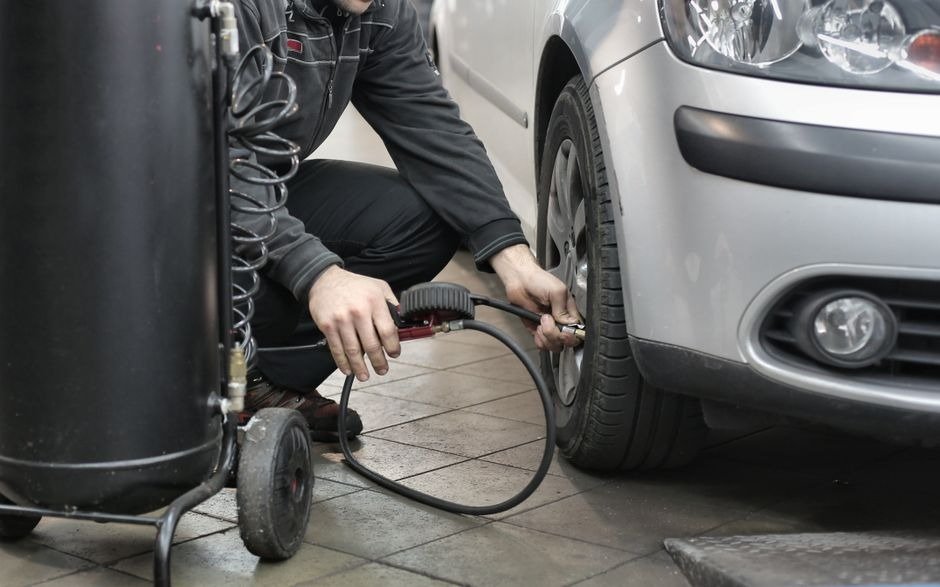
Tread is the grooved rubber that helps your tires grip the road. Low tread can hurt traction, especially in rain. Tire pressure affects handling, braking, and fuel economy. Rotation means moving tires to different positions so they wear more evenly. Balancing fixes uneven weight distribution in the wheel and tire assembly. Alignment deals with the angles of your wheels and suspension.
If your steering wheel pulls to one side, your tires wear unevenly, or the ride feels shaky at highway speeds, one of those terms is probably about to become personal. Tire maintenance sounds boring right up until you price out a full replacement set. Suddenly, prevention looks pretty attractive.
Parts wear out, and knowing which ones do helps you plan
Cars are full of wear items. That means certain parts are expected to degrade over time, even when you do everything right. Brake pads, tires, wiper blades, batteries, filters, and belts all fall into this category.
Brake pads wear down as they create friction to stop your car. Air filters collect dirt and eventually restrict airflow. Cabin filters affect the air inside the vehicle, which becomes very obvious when they’re filthy. Batteries lose strength with age, especially in extreme temperatures. Belts can crack, stretch, or slip.
This matters because maintenance is easier to budget for when you know what’s normal. Replacing worn parts before failure usually costs less than waiting for a breakdown. It also reduces the odds of getting stranded in a parking lot, on the roadside, or in front of people you’d rather not impress that way.
Service intervals are guides, not random suggestions
You’ve probably heard people mention the “30,000-mile service” or say it’s time for an oil change every few thousand miles. Those service intervals are based on manufacturer recommendations, part lifespan, and real-world wear patterns.
Still, your actual schedule depends on how you drive. Short trips, stop-and-go traffic, towing, extreme heat, and freezing weather can all increase strain on your vehicle. That means your maintenance needs may show up earlier than the textbook version.
Pay attention to intervals for oil changes, tire rotations, brake inspections, filter replacements, and fluid services. Your owner’s manual is the most reliable source for your specific make and model. Not your cousin who “knows cars.” Not a random comment thread. A good maintenance timeline helps you stay ahead of problems rather than discovering them through weird noises and expensive invoices.
Knowing the language helps you deal with shops confidently
Auto repair shops are not automatically trying to confuse you, but the communication gap is real. If you don’t understand the terms being used, it’s harder to ask smart follow-up questions or tell whether the recommendation is urgent, preventive, or optional.
A better approach is simple. Ask what the part does, what symptoms it’s causing, how soon it needs attention, and what happens if you wait. Ask for the estimate in writing. Ask whether the repair is based on visible wear, a diagnostic code, or a maintenance schedule.
When you know the difference between replacing brake pads and replacing rotors, or between a fluid top-off and a full flush, you’re in a stronger position. You don’t need expert-level knowledge. You need functional fluency. That alone can save money, reduce stress, and keep you from agreeing to repairs that sound urgent mostly because the wording did the heavy lifting.