
 admin
admin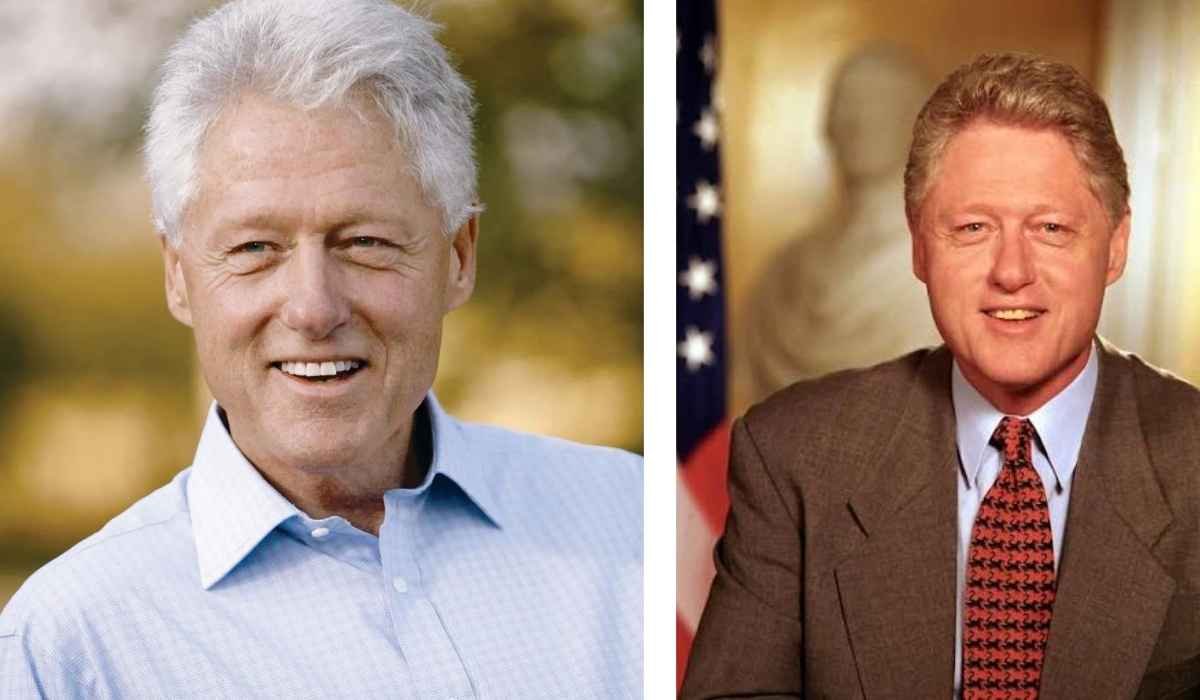
The journey of Bill Clinton from a small town in Arkansas to the highest office in the United States remains one of the most compelling narratives in modern political history. As the forty-second president, his administration reshaped economic policies, international relations, and the trajectory of the Democratic Party through his centrist philosophy. Understanding his enduring influence requires a detailed look at his early life, political milestones, major legislative achievements, and post-presidential endeavors.
Quick Bio Overview
| Attribute | Detail |
| Full Name | William Jefferson Clinton |
| Date of Birth | August 19, 1946 |
| Place of Birth | Hope, Arkansas |
| Spouse | Hillary Clinton |
| Political Party | Democratic Party |
| Presidency Term | 1993–2001 |
Early Beginnings and Childhood Roots in Hope
Growing up in Hope, Arkansas, the young man who would eventually become Bill Clinton faced unique early life challenges. Born three months after his biological father passed away in a tragic vehicle accident, he was raised by his mother and maternal grandparents. These formative years instilled a strong sense of resilience and adaptability that characterized his later career. Education became his primary focus during his youth, paving the way for academic excellence. His remarkable journey from humble southern beginnings laid a solid foundation for extraordinary future leadership ambitions.
Academic Excellence and Higher Education Pursuits
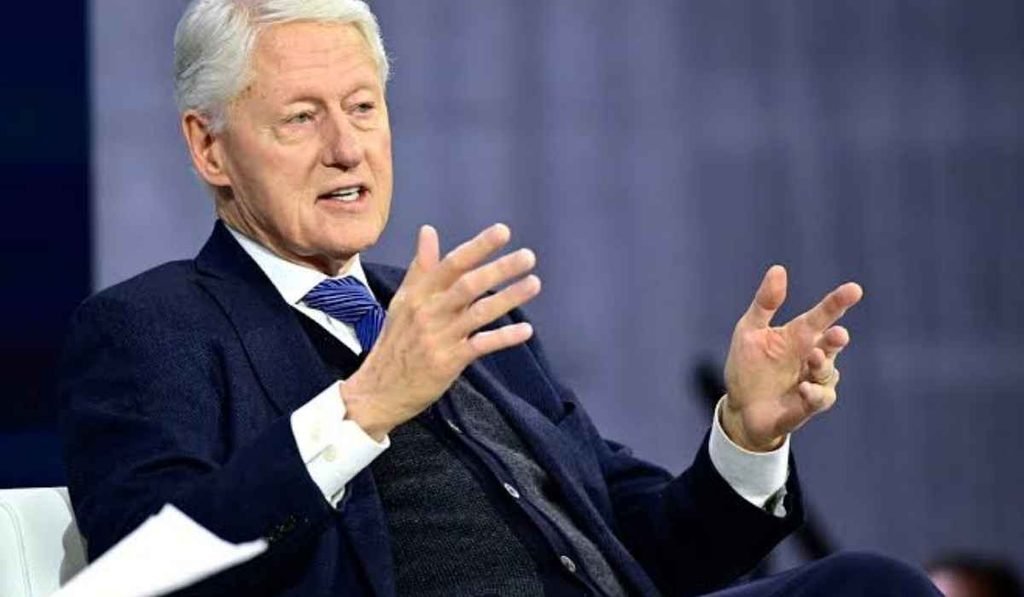
Demonstrating exceptional intellect early on, Bill Clinton pursued higher education at Georgetown University, where he immersed himself in international affairs. Following his undergraduate studies, he earned a prestigious Rhodes Scholarship to attend the University of Oxford. This international academic exposure broadened his worldview significantly and sharpened his policy analysis skills. He subsequently completed his formal legal training at Yale Law School, where he crossed paths with fellow student Hillary Rodham. These academic institutions profoundly shaped his intellectual framework and prepared him for a life dedicated to public service.
Early Legal Career and Return to Arkansas
Upon completing his rigorous legal studies, Bill Clinton chose to return to his home state of Arkansas to launch his professional career. He initially worked as a law professor at the University of Arkansas, sharing his knowledge with aspiring legal minds. However, his deep-seated passion for public policy and governance quickly pulled him toward the electoral arena. His exceptional communication skills and natural charisma made him an instant favorite among local voters. This successful transition back to his roots marked the official beginning of a remarkable trajectory in elected public office positions across the state.
Rise to Political Prominence as State Attorney General
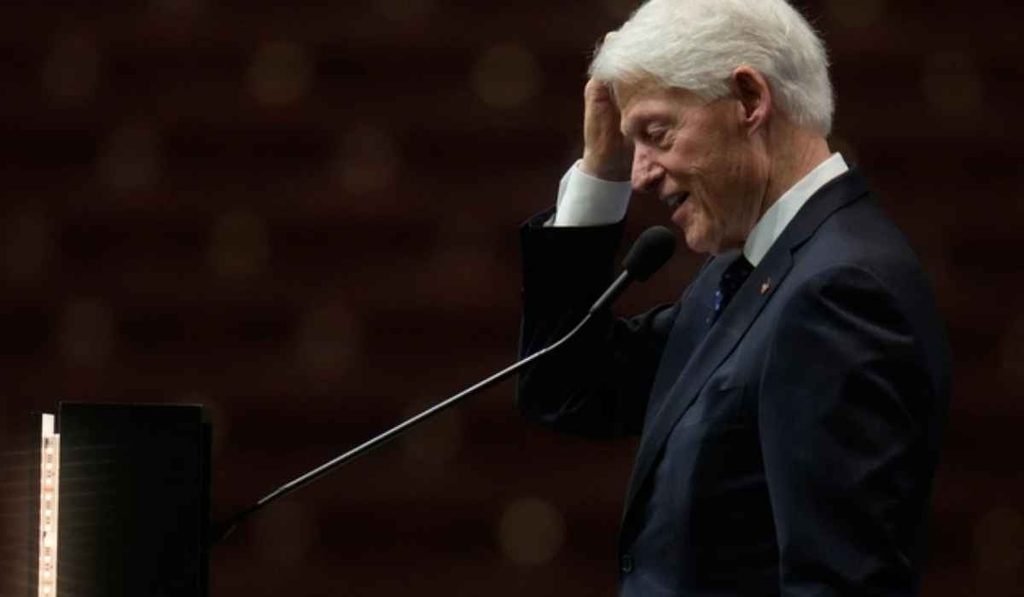
Entering the competitive political landscape of Arkansas, Bill Clinton successfully campaigned for the position of state attorney general. During his tenure in this office, he focused aggressively on consumer protection, environmental regulation, and expanding legal aid access. His dynamic leadership style and proactive enforcement of state laws caught the attention of voters statewide. This role served as a crucial stepping stone, proving his administrative capabilities and establishing deep political alliances. The momentum he generated during these years set the stage for an even more ambitious run for the highest executive office in state government.
Historic Tenure as the Governor of Arkansas
Winning election as the governor of Arkansas made Bill Clinton one of the youngest chief executives in modern American history. Over multiple terms, he focused heavily on overhauling the state public education system, economic development initiatives, and healthcare access. Although some of his early policy initiatives faced sharp resistance, he quickly learned how to build bipartisan consensus. His tenure as governor transformed Arkansas’s infrastructure and projected his policy ideas onto the national stage. This executive experience provided the operational blueprint for his eventual presidential campaign strategy.
Emergence of the New Democrat Movement
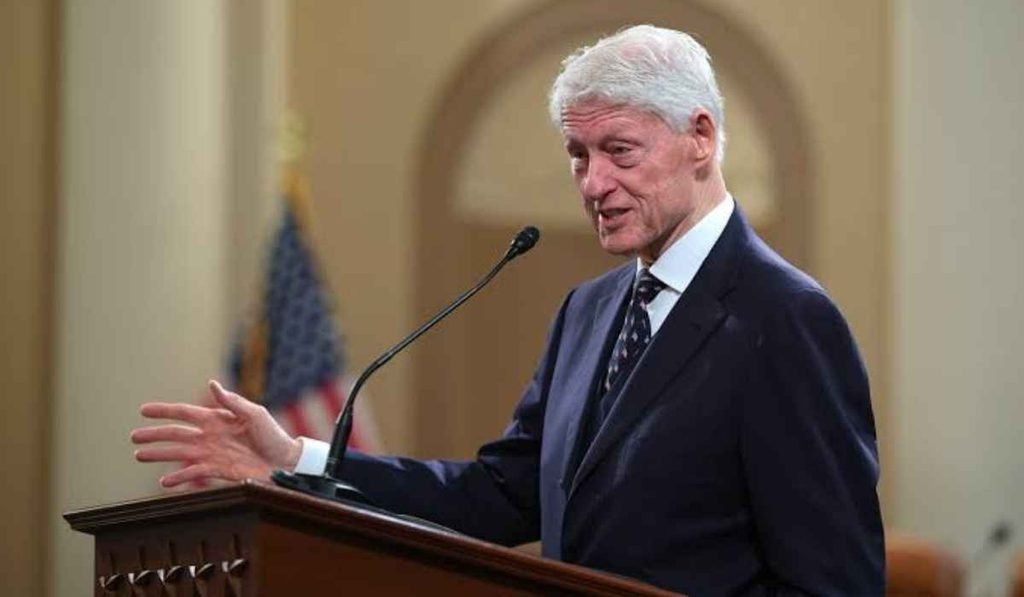
Seeking to redefine national politics, Bill Clinton helped spearhead the New Democrat coalition through the centrist Democratic Leadership Council. He championed a political philosophy that blended fiscal conservatism with progressive social values, breaking traditional party molds. This pragmatic approach appealed broadly to suburban voters and middle-class families across the country. By positioning himself as a moderate alternative to traditional liberalism, he successfully united various factions within his party. This ideological shift became a defining characteristic of the modern political movement associated directly with Bill Clinton.
The Landmark Presidential Election Campaign
Launching his bid for the White House, Bill Clinton focused his campaign message squarely on economic revitalization and job creation. Running against the incumbent administration, his campaign famously utilized the phrase “It’s the economy, stupid” to maintain intense focus on everyday financial struggles. Despite facing tough primary battles and intense media scrutiny regarding his personal life, his campaign persevered. Traveling extensively across small towns and major cities alike, Bill Clinton connected directly with ordinary citizens. His victory in the general election marked a generational shift in leadership for the United States.
Inauguration and First Term Economic Priorities
Taking the oath of office as the forty-second president, Bill Clinton immediately prioritized reducing the ballooning federal budget deficit. His administration pushed through the Omnibus Budget Reconciliation Act of 1993, which implemented tough fiscal controls and strategic tax adjustments. These controversial measures initially drew sharp criticism from opponents but ultimately laid the groundwork for future monetary stability. Alongside fiscal policies, his administration worked diligently to foster technological innovation and corporate growth. The steady execution of these economic strategies helped steer the country toward long-term prosperity.
Major Legislative Victories and Trade Agreements
Securing significant legislative wins defined much of the domestic policy agenda advanced by Bill Clinton during his initial years in office. He signed the landmark North American Free Trade Agreement, seeking to integrate markets across North America despite fierce opposition from organized labor. Additionally, his administration championed the passage of the Brady Handgun Violence Prevention Act to enhance public safety measures. While comprehensive healthcare reform efforts ultimately stalled, these various policy battles tested his legislative negotiation skills. Each signed bill reflected his desire to forge pragmatic compromises in Washington.
Navigating Foreign Policy Challenges and Humanitarian Crises
Managing complex international affairs required swift adaptability from Bill Clinton as global conflicts erupted across multiple continents. He authorized military interventions in the Balkans to halt ethnic cleansing and stabilize the troubled region. His administration also facilitated crucial diplomatic breakthroughs in Northern Ireland and the Middle East peace processes. Furthermore, he supported the expansion of the North Atlantic Treaty Organization into former Eastern Bloc nations. These decisive foreign policy actions demonstrated that Bill Clinton could project American power effectively while pursuing multilateral diplomatic solutions worldwide.
Achieving Historic Federal Budget Surpluses
Presiding over a massive technological boom, Bill Clinton oversaw the longest period of peacetime economic expansion in modern American history. Fiscal discipline combined with skyrocketing corporate productivity generated the first federal budget surpluses seen in decades. Unemployment rates plummeted to historic lows while household incomes experienced steady, widespread growth across diverse demographics. These favorable economic indicators bolstered his public approval ratings significantly despite ongoing political battles in Congress. The financial achievements of this era remain a central pillar of the enduring legacy built by Bill Clinton.
The Re-election Campaign and Second Term Agenda
Winning a decisive second term in office, Bill Clinton continued focusing on education reform, crime reduction, and community policing initiatives. He signed major welfare reform legislation designed to transition individuals from government assistance into sustainable employment. His second term also involved managing rapid globalization and the expansion of the internet economy into everyday American life. Maintaining a delicate balance with a hostile opposition-controlled Congress required immense political dexterity and strategic veto usage. Through these legislative maneuvers, Bill Clinton preserved key federal programs while advancing his core policy objectives.
Impeachment Proceedings and Acquittal Trial
Facing mounting legal and political pressure, Bill Clinton experienced severe turmoil during the later years of his presidency. Investigations into personal conduct led the House of Representatives to approve articles of impeachment for perjury and obstruction of justice. The subsequent high-stakes Senate trial riveted the nation before ultimately resulting in an acquittal on all charges. Throughout this constitutional crisis, he maintained strong job performance ratings while continuing to govern effectively. This dramatic chapter tested the resilience of institutional checks and balances under Bill Clinton.
Transition Out of Office and Legacy Status
Leaving the White House with remarkably high public approval ratings, Bill Clinton concluded eight eventful years of transformative executive leadership. Historical evaluations of his presidency generally place him favorably among mid-to-upper tier American commanders-in-chief. His ability to navigate rapid economic and technological changes defined the political character of the late twentieth century. Scholars continue to debate the long-term impacts of his centrist policies on contemporary political polarization. The departure of Bill Clinton marked the end of an era for the national Democratic Party.
Establishment of the Global Clinton Foundation
Dedication to humanitarian causes immediately occupied the post-presidential schedule pursued eagerly by Bill Clinton. He established a major philanthropic foundation focused on combating global poverty, climate change, and epidemic diseases. Under his leadership, this organization negotiated lower prices for lifesaving HIV/AIDS medications in developing nations. He also traveled extensively to coordinate disaster relief efforts following major international catastrophes and earthquakes. This intensive philanthropic work allowed Bill Clinton to maintain an influential global platform long after leaving elected office.
Diplomatic Missions and Special Envoy Roles
Accepting official diplomatic assignments, Bill Clinton served as a special United Nations envoy to coordinate post-disaster recovery in Haiti. He worked alongside former political rivals on bipartisan humanitarian campaigns to secure scholarship funds for families affected by tragedies. These cooperative diplomatic missions highlighted his enduring capacity to bridge political divides for charitable purposes. World leaders frequently sought his counsel on complex international negotiations and economic development strategies. Such international engagements cemented the reputation of Bill Clinton as a persistent global statesman.
Ongoing Public Speaking and Memoir Writing
Generating substantial revenue through public speaking engagements, Bill Clinton addressed corporate, academic, and philanthropic audiences worldwide. He utilized these speaking tours to advocate for multilateral cooperation, sustainable environmental practices, and global health initiatives. Additionally, he penned several best-selling memoirs and policy books detailing his life experiences and political philosophy. These literary works provided candid insights into the inner workings of his historic administration. Through books and speeches, Bill Clinton successfully managed to shape his own historical narrative.
Continued Political Influence and Campaigning
Remaining an active force within American politics, Bill Clinton consistently campaigned for Democratic candidates running for local, state, and federal offices. He delivered prominent speeches at multiple national party conventions, rallying supporters with characteristic rhetorical flair. His endorsement remained a coveted asset for politicians seeking to mobilize traditional party bases and moderate suburban voters. Even amidst changing political landscapes, the strategic insights of Bill Clinton were frequently consulted by modern party strategists. His enduring voice continues to resonate deeply within contemporary political discourse.
Cultural Impact and Lasting Historical Reflection
Reflecting upon the cultural footprint left behind, Bill Clinton permanently altered how political figures interact with popular media and entertainment. His relaxed demeanor and public engagement style broke traditional presidential molds, making the office feel more accessible. While controversies and political friction occasionally overshadowed certain policy wins, his overall impact remains undeniable. Historians and political scientists continue to analyze his complex governance model and unique electoral coalitions. Ultimately, the multifaceted career of Bill Clinton remains a central study in modern American political evolution.
Frequently Asked Questions
- When was Bill Clinton born?
- Bill Clinton was born on August 19, 1946.
- What number president was Bill Clinton?
- Bill Clinton served as the 42nd president of the United States.
- Who was the wife of Bill Clinton?
- He has been married to Hillary Clinton since 1975.
- Why was Bill Clinton impeached?
- He was impeached in 1998 by the House of Representatives for perjury and obstruction of justice.
- What major foundation did Bill Clinton create?
- He established the Clinton Foundation to address global issues like HIV/AIDS and climate change.