
 Khizar Seo
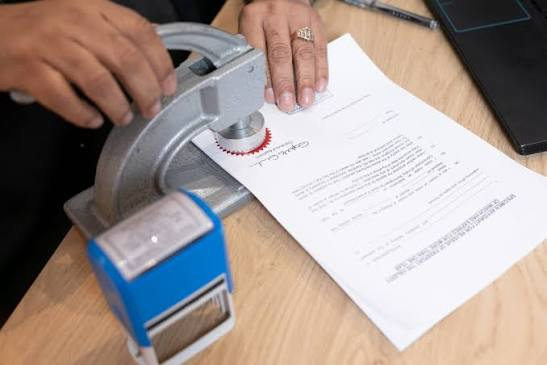
When UK documents need to be used overseas, they may require additional authentication before a foreign authority will accept them. Depending on the destination country and the purpose of the document, this may involve solicitor certification, notarisation, an apostille, or embassy legalisation.
A solicitor can certify copies of certain documents, but this does not guarantee acceptance by every overseas authority. Requirements vary depending on the document, destination, and organisation requesting it.
Legalisation4you provides support with apostille, certification, translation, and document legalisation. This guide explains when a solicitor can certify documents for international use and what additional steps may be necessary.
What Does It Mean When a Solicitor Certifies Documents?
When a solicitor certifies a document, they generally confirm that a copy is a true copy of the original they have examined. If you need a solicitor certify documents service, this can help when an organisation requires verified copies without asking you to submit original paperwork.
A solicitor typically compares the original with its copy and adds an appropriate certification statement, signature, date, and professional details. The exact procedure depends on the document and the receiving organisation’s requirements.
Certification does not necessarily confirm that all information in a document is accurate or that the document is genuine in every respect. Before arranging certification, check what the overseas authority expects.
Can a Solicitor Certify Documents for International Use?
Yes, a UK solicitor may certify certain documents intended for international use. However, whether this certification is sufficient depends on the requirements of the foreign authority, institution, or organisation receiving the paperwork.
For example, an overseas bank may request certified identification documents, while a foreign university may ask for verified academic qualifications. Some organisations accept solicitor-certified copies, whereas others require notarisation by a notary public or an apostille.
Before proceeding, confirm whether the receiving authority specifies who must certify the documents and whether additional authentication is necessary. This can help prevent delays and rejected applications.
When Might You Need Solicitor-Certified Documents?
Solicitor certification may be relevant in several situations, depending on the purpose of the documents and the destination country.
1. Immigration and Visa Applications
Visa and residency applications may require certified copies of identity documents, financial records, or supporting paperwork. Some authorities accept solicitor-certified copies, while others specify different authentication procedures. Always check the relevant application guidance.
2. Overseas Employment
Employers and professional organisations abroad may request copies of qualifications, identity documents, or employment records. Solicitor certification may be suitable when it meets the employer’s requirements.
3. International Business
Businesses operating across borders may need to provide company records, financial documents, or legal paperwork to overseas partners. Depending on the transaction, these documents may also require notarisation, an apostille, or further legalisation.
4. Overseas Property Transactions
Buying or managing property abroad can involve identity documents, declarations, and powers of attorney. The receiving authority may specify how these documents must be signed, witnessed, certified, or authenticated.
5. Educational Qualifications
Universities and professional organisations may request certified copies of degrees, diplomas, or transcripts. Some institutions accept solicitor certification, while others require verification from the issuing institution or additional authentication.
How to Get Documents Certified for International Use
The process depends on the document and its intended destination, but these steps provide a useful starting point.
1. Check the Requirements
Contact the overseas organisation or review its official guidance. Confirm whether it accepts solicitor-certified copies or requires notarisation, an apostille, or another form of legalisation.
2. Prepare the Original Documents
Gather the original documents and any supporting paperwork. The solicitor will generally need to examine the original before certifying a copy. Ensure the documents are complete and legible.
3. Arrange Solicitor Certification
Arrange an appointment with a solicitor who can provide the required service. They will examine the documents and determine whether they can certify the copies as requested. Identification or additional information may also be necessary.
4. Confirm Whether an Apostille Is Required
Solicitor certification and an apostille serve different purposes. Certification confirms a particular fact about a document or copy, while an apostille authenticates the relevant signature, seal, or stamp for use under applicable international arrangements.
A solicitor-certified copy does not automatically qualify for an apostille. The document must meet the relevant authentication requirements.
5. Arrange Translation or Further Legalisation
If the receiving authority requires documents in another language, a certified translation may be necessary. Some destinations also require embassy or consular legalisation. Check the complete requirements before submitting your paperwork.
Solicitor Certification vs Notarisation
Solicitor certification and notary services are different options for preparing documents for official use. A solicitor may certify that a copy matches the original document they have examined, while a notary public can perform notarial acts, including authenticating signatures and preparing certain documents for international use.
The right option depends on the document and the receiving authority’s requirements. A certified copy may be sufficient for one organisation, while a power of attorney intended for overseas use may require notarisation and an apostille.
Always confirm which service is required before making an appointment.
What Documents Can a Solicitor Certify?
Depending on the circumstances and the receiving organisation’s rules, a solicitor may be able to certify copies of:
- Passports and identity documents
- Bank statements and financial records
- Degree certificates and academic qualifications
- Utility bills and proof of address
- Birth and marriage certificates
- Business records and company documents
- Certain legal documents
This list is illustrative. Some documents require verification by the issuing organisation, a notary public, or another authorised professional.
Common Mistakes to Avoid
Preparing documents for overseas use can become complicated when requirements are overlooked. Common mistakes include:
- Assuming every country accepts solicitor certification
- Confusing certification with notarisation or an apostille
- Submitting copies when originals are required
- Using certification wording that does not meet the authority’s requirements
- Forgetting certified translations
- Overlooking embassy or consular legalisation
- Leaving insufficient time to complete the process
Checking the requirements before starting can help reduce unnecessary delays and additional costs.
Why Choose Legalisation4you?
Legalisation4you supports individuals and businesses preparing UK documents for international use. Understanding the differences between solicitor certification, notarisation, apostille services, and further legalisation can help you identify the appropriate route for your paperwork.
Support is available for apostille and document legalisation, certification requirements, certified translations, and personal, educational, legal, and business documents.
If you are unsure whether your documents need solicitor certification or additional authentication, checking the requirements before proceeding can help you avoid unnecessary steps.
Preparing Your Documents for International Use
Solicitor certification can be useful when UK documents need to be presented overseas, but it does not guarantee acceptance by every foreign authority. Depending on the document and destination, you may need a certified copy, notarisation, an apostille, a certified translation, or embassy legalisation.
Contact Legalisation4you to learn more about document certification and legalisation services for international use.
Frequently Asked Questions
1. Can a UK solicitor certify documents for use abroad?
Yes. A solicitor may certify eligible documents, provided the certification meets the receiving authority’s requirements. Some organisations require notarisation or additional authentication.
2. Does solicitor certification mean a document is apostilled?
No. An apostille authenticates the relevant signature, seal, or stamp under applicable international arrangements. It is separate from ordinary solicitor certification.
3. Can a solicitor certify a copy of my passport?
A solicitor may certify a passport copy where appropriate. Check whether the receiving organisation accepts solicitor-certified copies and requires specific wording.
4. Do I need a notary public instead?
Not necessarily. Some organisations accept solicitor certification, while others require a notary public. The receiving authority determines which service is suitable.
5. Can Legalisation4you help with documents for international use?
Legalisation4you provides support with apostille, certification, translation, and document legalisation requirements.