 admin
admin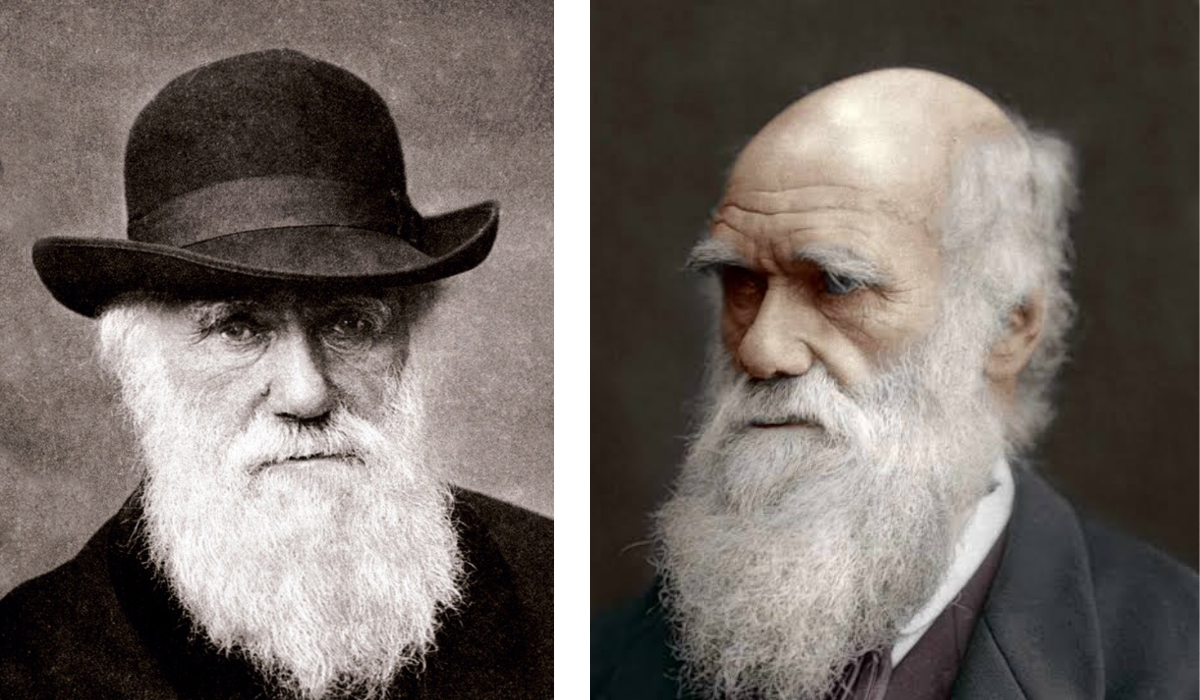
Charles Darwin remains one of the most influential figures in the history of science, reshaping how humanity understands its place in the natural world through his groundbreaking observations. His meticulous research during the voyage of the Beagle provided the foundational evidence needed to develop a revolutionary framework that explained the immense diversity of life on Earth. By proposing that species evolve over generations through natural selection, he challenged prevailing dogmas and provided a rational, evidence-based mechanism for biological transformation. Scholars continue to study his extensive journals, correspondence, and specimen collections to appreciate the depth of his scientific contributions.
Quick Bio of Charles Darwin
| Attribute | Detail |
|---|---|
| Born | February 12, 1809, Shrewsbury, Shropshire, England |
| Died | April 19, 1882 (aged 73), Down House, Kent, England |
| Known For | Formulating the theory of evolution by natural selection |
| Education | University of Edinburgh, University of Cambridge |
| Spouse | Emma Wedgwood (m. 1839) |
Early Life and Childhood Inspirations
Charles Darwin grew up in a supportive and intellectually stimulating family environment that nurtured his early curiosity about the natural world and scientific inquiry. During his formative years in Shrewsbury, he spent countless hours collecting insects, observing birds, and conducting rudimentary chemical experiments in his garden shed with his brother. These childhood hobbies laid an essential psychological foundation for his later career, fostering a deep-seated patience and an acute attention to detail that would define his scientific methodology. His father hoped he would pursue a conventional career in medicine or the clergy, but young Charles found his true passion elsewhere.
Academic Pursuits at Edinburgh and Cambridge
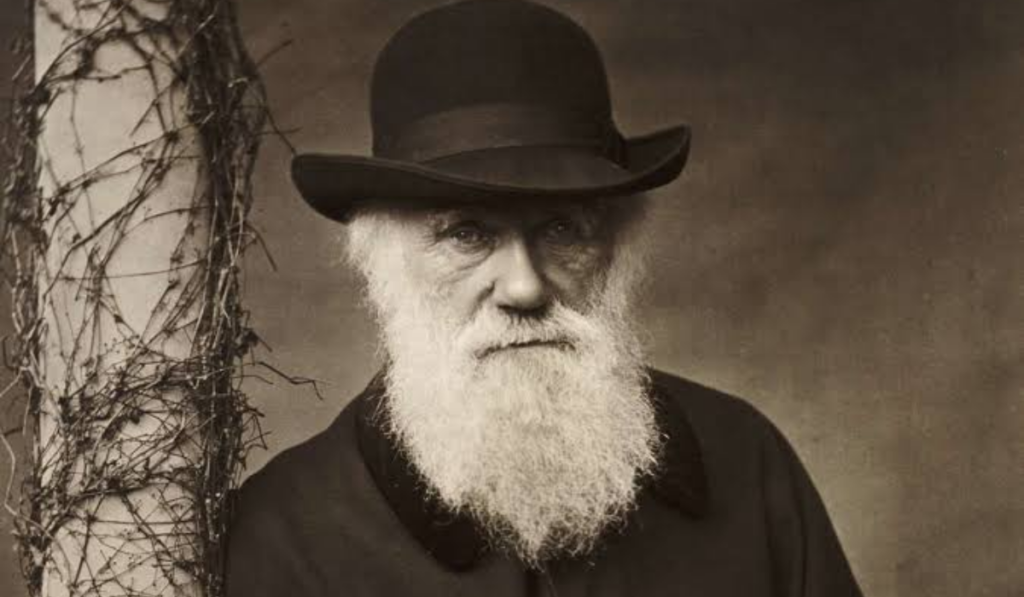
Sent to the University of Edinburgh to study medicine, Charles Darwin quickly realized that surgical procedures of the era without anesthesia deeply distressed him, prompting him to pivot his academic focus entirely. He subsequently enrolled at Christ College, Cambridge, with the intention of joining the clergy, where he met influential mentors who recognized his burgeoning talent for natural history. Robert Grant and John Stevens Henslow both played pivotal roles in shaping his intellectual trajectory, encouraging him to collect botanical specimens and study geological formations across the English countryside. These university experiences expanded his network within scientific circles and prepared him for the monumental voyage that awaited him.
The Voyage of the Beagle
Embarking on the HMS Beagle in December 1831, Charles Darwin set sail on a five-year scientific expedition that would fundamentally alter his worldview and inspire his revolutionary theories. As the ships naturalist, he had unprecedented opportunities to explore uncharted coastlines, tropical rainforests, and remote oceanic islands, collecting thousands of geological and biological specimens. The daily rigors of life on board tested his physical endurance, yet his unwavering enthusiasm drove him to document every geological stratum and ecological niche he encountered. This prolonged journey served as an expansive natural laboratory, supplying him with the empirical data he would analyze and interpret for decades after returning home.
Geological Discoveries in South America
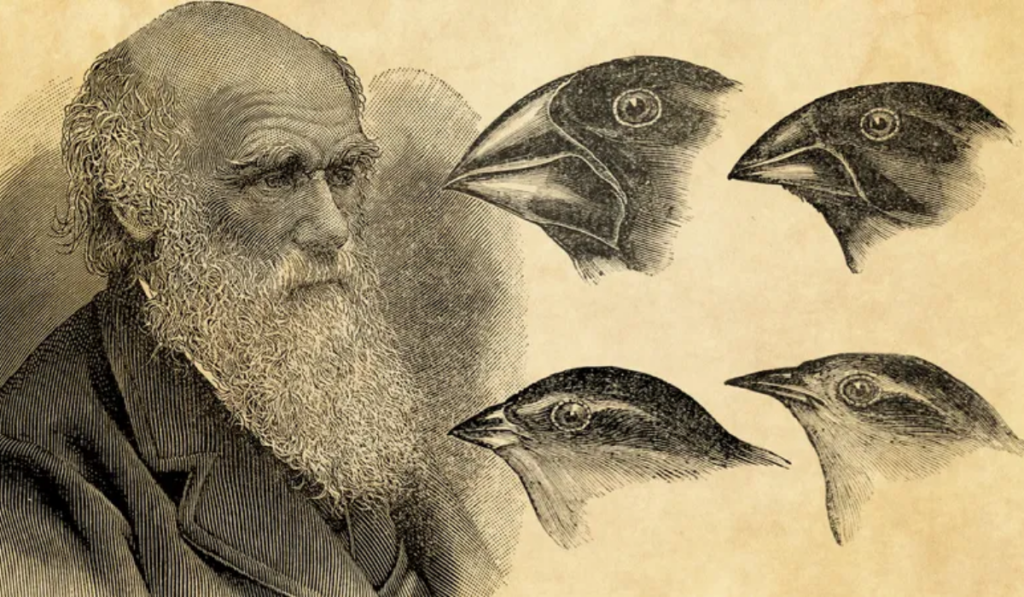
While exploring the rugged terrain of South America, Charles Darwin observed massive raised beaches and marine fossils embedded high within mountain ranges, confirming Charles Lyells uniformitarian geological theories. He realized that the Earths surface underwent gradual, continuous changes over immense spans of time, providing the deep historical timeline necessary for slow biological evolution to occur. His detailed notes on earthquakes, volcanic activity, and rock formations earned him immediate acclaim within the geological society of London upon his return to England. Understanding these vast geological timeframes allowed him to conceptualize how gradual environmental shifts could drive the adaptation and divergence of living organisms across generations.
Observations in the Galapagos Islands
The Galapagos Archipelago provided Charles Darwin with some of his most startling and influential insights into the geographic distribution of species and their localized adaptations. He noticed subtle yet distinct variations among mockingbirds, tortoises, and finches inhabiting neighboring islands, suggesting that they shared a common ancestral stock before diverging. These observations directly challenged the static creationist views of his contemporaries, forcing him to consider whether species could indeed transform in response to unique ecological pressures. The distinct isolation of these island ecosystems acted as a natural crucible, highlighting how geography plays a crucial role in shaping the evolutionary trajectories of vulnerable populations.
Returning Home and Processing Data
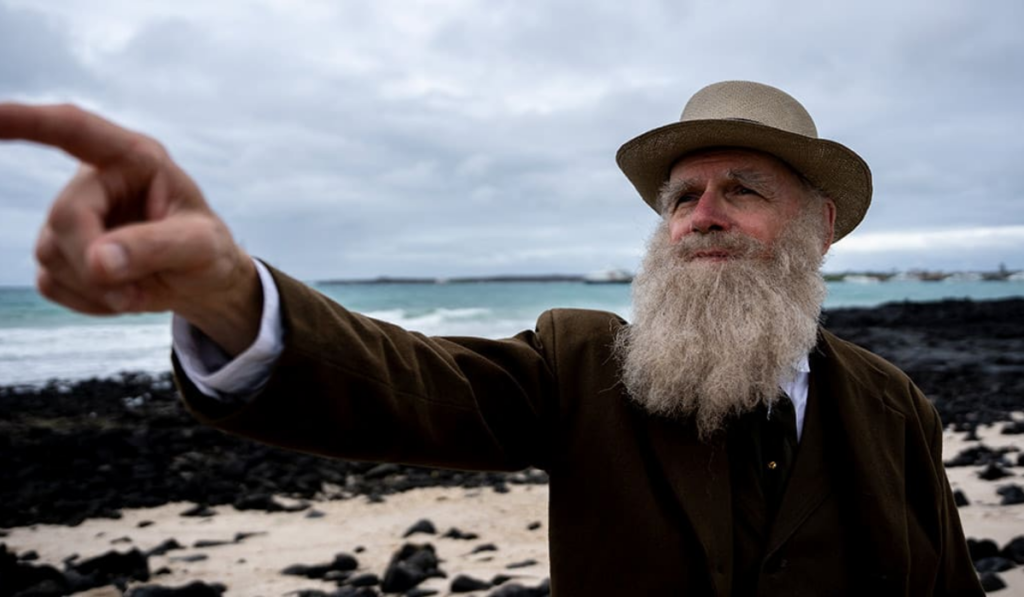
Upon his return to Britain in 1836, Charles Darwin faced the monumental task of organizing, cataloging, and analyzing the massive collection of specimens he had accumulated throughout his global travels. He consulted with leading experts, including ornithologist John Gould, who confirmed that the Galapagos finch specimens represented entirely distinct species rather than mere geographical varieties. These collaborative discussions accelerated his private intellectual journey, leading him to open secret notebooks where he first jotted down his radical ideas on transmutation. Working from his newly established home, he balanced family life with relentless scientific analysis, slowly building an impregnable wall of evidence for his emerging theories.
The Influence of Thomas Malthus
A critical intellectual breakthrough occurred when Charles Darwin read Thomas Malthus essay on population growth, which argued that human populations inevitably outstrip their limited food supply and resources. He immediately recognized that this principle of fierce competition applied universally to all plant and animal kingdoms, where more offspring are born than can possibly survive. This realization provided the missing puzzle piece for his nascent theory, explaining how nature acts as an unrelenting filter that culls the unfit while favoring resilient traits. The struggle for existence became the dynamic engine driving natural selection, transforming theoretical abstraction into a rigorous, observable biological mechanism.
Formulating Natural Selection
Synthesizing his decades of accumulated observations, Charles Darwin formally articulated the mechanism of natural selection as the primary driver of evolutionary change across all biological domains. He deduced that individuals possessing advantageous variations are more likely to survive local environmental hazards and pass those successful traits down to their descendants. Over vast stretches of time, this cumulative filtering process leads to the gradual divergence of lineages and the emergence of entirely new species adapted to specific ecological niches. Despite possessing this profound intellectual breakthrough, he delayed publishing his ideas for many years, acutely aware of the massive social and religious controversy they would inevitably spark.
Writing the Origin of Species
For over twenty years, Charles Darwin meticulously gathered supporting data, conducted pigeon-breeding experiments, and studied barnacle anatomy to fortify his theory against anticipated fierce criticism from skeptics. His hand was finally forced when naturalist Alfred Russel Wallace independently conceived a nearly identical theory of evolution by natural selection and sent him a manuscript outlining the concept. Prompted by his colleagues, Darwin agreed to present a joint paper with Wallace before the Linnean Society before rapidly condensing his massive manuscript into a readable book. Published in November 1859, On the Origin of Species immediately sold out its entire initial print run and ignited global debate.
Public Reaction and Controversy
The publication of his masterwork triggered an intense ideological firestorm across Victorian society, dividing religious leaders, conservative intellectuals, and progressive scientists into opposing camps. While theologians denounced the work for undermining divine creation narratives, visionary champions like Thomas Henry Huxley vigorously defended the scientific validity of evolution in public debates. Charles Darwin himself largely remained secluded in his country home, avoiding direct public confrontation while quietly observing the cascading cultural ripples of his intellectual revolution. Over time, the overwhelming weight of empirical evidence gradually swayed the mainstream scientific community, cementing natural selection as a foundational principle of modern biology.
Further Botanical and Zoological Research
Never resting on his laurels, Charles Darwin dedicated his later decades to conducting meticulous botanical and zoological experiments that further tested and demonstrated evolutionary principles in action. He investigated how orchids are intricately adapted for insect pollination, how carnivorous plants trap their prey, and how earthworms aerate agricultural soils through continuous burrowing activity. These detailed monographs showcased his exceptional experimental ingenuity, proving that natural selection operates through subtle, observable interactions across all branches of the flora and fauna kingdoms. His persistent curiosity ensured that his later scientific contributions were just as profound and influential as his initial evolutionary proposals.
Exploring Human Evolution
In 1871, Charles Darwin courageously extended his evolutionary framework to encompass humanity itself with the publication of The Descent of Man and Selection in Relation to Sex. He argued logically that humans share a common ancestral lineage with modern African apes, supported by anatomical similarities, embryonic development patterns, and rudimentary traits. Furthermore, he introduced sexual selection theory to explain the evolution of secondary sexual characteristics and behavioral traits that did not directly enhance basic survival odds. This controversial volume forced humanity to reevaluate its self-imposed pedestal, integrating human anatomy and psychology directly into the interconnected web of the natural world.
The Expression of Emotions
Continuing his psychological investigations, Charles Darwin published The Expression of the Emotions in Man and Animals, which pioneered the scientific study of emotional behavior and facial signaling. He demonstrated that emotional expressions are largely universal across diverse human cultures and share deep evolutionary continuity with the communicative displays of other mammals. By utilizing early photography and cross-cultural questionnaires, he gathered pioneering empirical data that predated modern behavioral psychology and ethology by nearly a century. This interdisciplinary approach highlighted his remarkable ability to bridge botany, zoology, anthropology, and psychology into a cohesive, evolution-driven narrative.
Life at Down House and Personal Struggles
Throughout his intense working life, Charles Darwin suffered from a mysterious, debilitating chronic illness that caused severe stomach pain, fatigue, and nausea, limiting his daily productivity. Finding solace in the quiet countryside, he and his devoted wife Emma raised their children at Down House, where he maintained a strict, methodical daily routine. He relied heavily on long, contemplative walks through his Sandwalk path to process complex ideas and recover from his persistent physical ailments. Despite his chronic suffering, his unwavering dedication to empirical research and writing never faltered, resulting in a staggering volume of published scientific literature.
Legacy and Modern Evolutionary Synthesis
The intellectual legacy of Charles Darwin serves as the undisputed bedrock of modern biology, unifying genetics, ecology, paleontology, and molecular science into a coherent framework. Although twentieth-century discoveries in genetics corrected his lack of a mechanism for heredity, the core principles of natural selection remain entirely vindicated and mathematically robust. Every modern advancement in medicine, from tracking viral mutations to understanding antibiotic resistance, relies fundamentally on the evolutionary principles he first articulated in Victorian England. His meticulous approach to observation and hypothesis testing continues to inspire generations of researchers dedicated to unraveling the complex mysteries of life.
Commemorations and Historical Impact
Today, Charles Darwin is universally remembered as one of humanitys greatest intellects, with his likeness gracing currency, statues, and museums across the globe. Numerous scientific institutions, academic scholarships, and conservation foundations bear his name, ensuring that his commitment to empirical inquiry endures in contemporary scientific endeavors. The bicentennial celebrations of his birth in 2009 sparked global exhibitions that highlighted his enduring relevance to modern science, education, and philosophical thought. His ability to revolutionize human understanding through quiet, methodical observation stands as a timeless testament to the power of human curiosity and critical thinking.
Continuing Debates and Adaptations
While the core tenets of his evolutionary theory are universally accepted within science, researchers continue to debate the precise rates and mechanisms of evolutionary change today. Concepts like punctuated equilibrium and epigenetic inheritance build upon the foundation laid by Charles Darwin, refining how scientists understand the complexities of genetic adaptation over time. These ongoing academic discussions demonstrate that his theoretical framework is not a static dogma, but rather a dynamic, self-correcting scientific paradigm. Modern technology allows contemporary biologists to test his hypotheses with molecular precision, continuously expanding and enriching the vast intellectual landscape he originally mapped.
The Global Reach of Darwinian Thought
The profound influence of Charles Darwin extends far beyond the biological sciences, leaving an indelible mark on sociology, economics, literature, and philosophy worldwide. His concept of adaptation through competition inspired various cultural and political interpretations, both positive and destructive, throughout the nineteenth and twentieth centuries. Scholars across diverse academic disciplines continue to analyze how evolutionary principles inform human behavior, cultural evolution, and planetary ecology in an increasingly interconnected global society. Understanding his historical impact requires acknowledging both his brilliant scientific achievements and the complex cultural interpretations that followed in their wake.
Reflections on a Revolutionary Life
The extraordinary life of Charles Darwin illustrates how profound dedication, relentless curiosity, and meticulous observation can fundamentally reshape the trajectory of human history and knowledge. From his tentative steps as a young naturalist aboard the Beagle to his twilight years as a venerated elder statesman of science, he remained relentlessly devoted to truth. His willingness to follow evidence wherever it led, despite personal discomfort and societal backlash, serves as an eternal inspiration for thinkers across all generations. Ultimately, his revolutionary insights invite humanity to look at the natural world with enduring wonder, recognizing the deep, shared kinship connecting all living organisms on Earth. For further details, visit Charles Darwin.
Frequently Asked Questions
- What is Charles Darwin most famous for?
He is most famous for formulating the theory of evolution by natural selection.
- When did Charles Darwin sail on the HMS Beagle?
He undertook the historic global expedition from 1831 to 1836.
- When was On the Origin of Species published?
The groundbreaking book was published on November 24, 1859.
- How did Thomas Malthus influence his work?
Malthus provided the concept of resource competition that sparked the idea of natural selection.
- Where is Charles Darwin buried?
He was laid to rest with national honors in Westminster Abbey, London.