
 admin
admin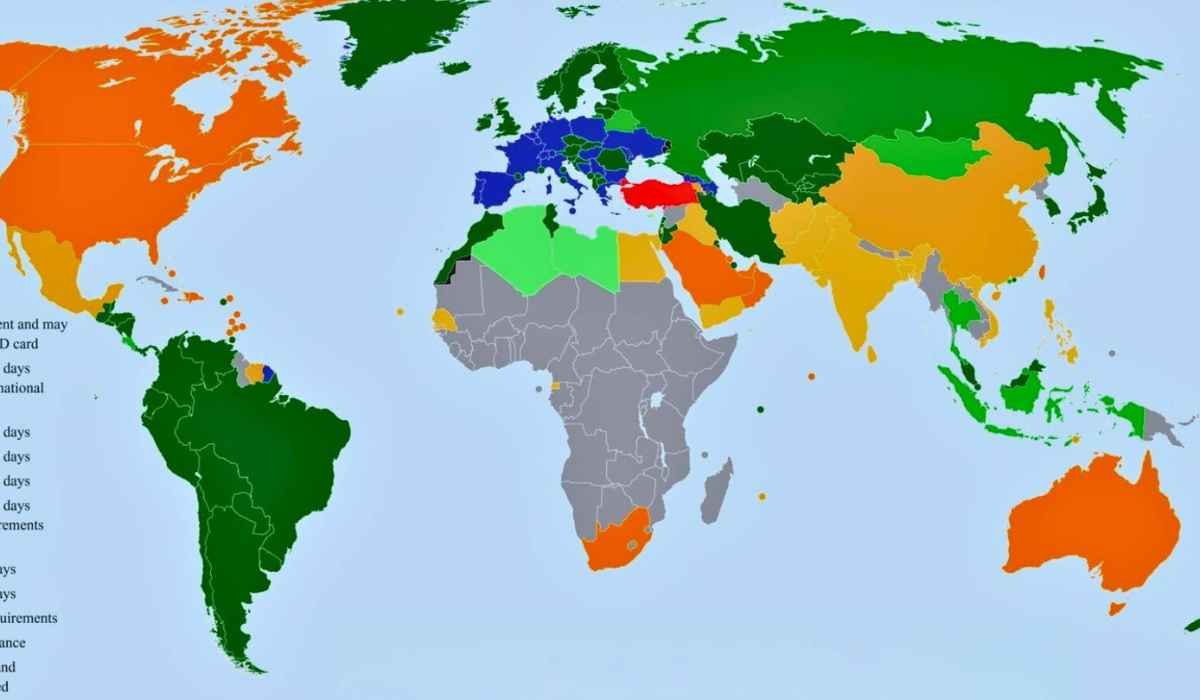
Navigating international travel regulations requires up-to-date knowledge of entry policies, passport rules, and stay allowances. For United States passport holders planning trips to Istanbul, Cappadocia, or the Aegean coast, entry rules have been simplified significantly. Following major regulatory updates, US citizens enjoying short-term vacations or business trips benefit from streamlined border entry procedures. Understanding mandatory passport validity rules, maximum stay durations, and long-term visa procedures ensures a seamless journey to Turkey.
Visa-Free Entry Status for Short-Term Travel
Under current regulations, ordinary US passport holders do not require a tourist visa or an e-Visa to enter Turkey for short-term visits. Since early 2024, the Turkish government granted visa-free entry privileges to American tourists and business travelers. This exemption allows US citizens to travel directly to Turkey without paying prior e-Visa application fees or waiting for online document approvals. Arriving travelers simply proceed to passport control upon landing to receive an entry stamp directly inside their passport.
The 90/180-Day Rule for Maximum Stay

While US travelers enter without a visa, their stay remains subject to the standard 90/180-day rule enforced by Turkish immigration authorities. Under this framework, visitors can spend up to a total of 90 days inside Turkey within any rolling 180-day period. The 180-day window counts backward continuously from each day spent in the country. Leaving the country briefly does not reset the 90-day clock, requiring frequent travelers to track their cumulative days carefully.
Mandatory Passport Validity and Blank Page Rules
To gain entry at Turkish ports of entry, your US passport must meet specific validity standards set by the Ministry of Foreign Affairs. The official rule requires a passport to remain valid for at least 60 days beyond your intended stay duration (effectively around 150 days from arrival). However, travel authorities strongly recommend holding at least six months of remaining validity on your passport upon entry. Additionally, passports must contain at least one completely blank page for official entry and exit stamps.
Permitted Activities Under Visa-Free Status
The visa-free allowance for US citizens applies strictly to short-term tourist and business activities. Permitted activities include sightseeing, attending trade conferences, visiting friends or family, and participating in short business meetings. Visa-free status does not authorize visitors to take local employment, enroll in formal university degree programs, or perform long-term paid work for Turkish entities. Engaging in unauthorized activities risks fines, immediate deportation, or future re-entry bans.
Required Supporting Documents at Passport Control
Although no pre-arranged visa paper is required, passport control officers may request supporting travel documentation upon arrival. Border officials routinely verify that travelers possess a confirmed return or onward flight ticket to ensure compliance with stay limits. Additionally, visitors may be asked to show proof of hotel reservations or tour bookings and demonstrate sufficient financial means for their stay. Carrying printed copies of return itineraries ensures smooth processing at check-in and immigration.
Sticker Visas for Long-Term Stays, Work, and Study
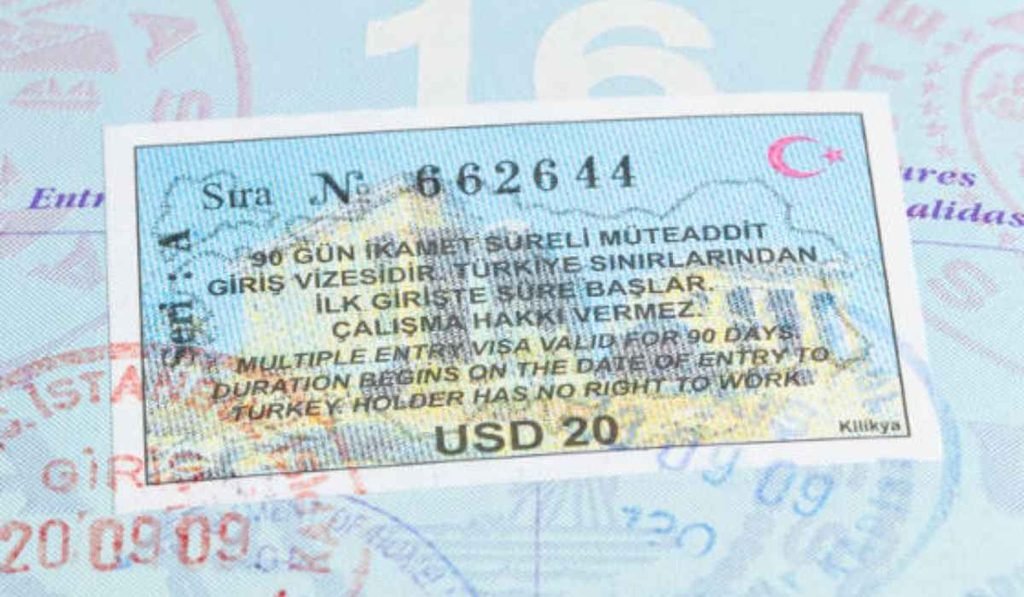
US citizens planning to reside in Turkey longer than 90 days, or those relocating for work or study, must secure a official sticker visa prior to travel. Unlike short tourism trips, long-term stays cannot be initiated under visa-free status. Applicants must submit documentation—such as employment contracts or university acceptance letters—to a Turkish Embassy or Consulate in the US. Applying at least four to six weeks before departure guarantees adequate consular processing time.
Applying for a Short-Term Residence Permit (e-İkamet)
Travelers already in Turkey under visa-free status who decide to extend their stay beyond 90 days must apply for a residence permit. Applications are submitted online through the official e-İkamet system before the initial 90-day allowance expires. The application process requires health insurance coverage, a registered lease contract, proof of income, and an in-person appointment at a local migration office. Obtaining a residence permit allows legal long-term stays without overstaying tourist limits.
Entry Rules for Cruise Ship Passengers
US citizens arriving in Turkey via ocean cruise ships operate under specific port excursion guidelines. Passengers holding ordinary US passports who dock at Turkish ports do not need a visa for short day trips or shore excursions. If the cruise port visit is under 72 hours and visitors remain in the port city area, port immigration grants visa-free shore access. Cruise passengers joining or departing a cruise flight in Turkey follow standard 90-day airport border rules.
Avoiding Unofficial Visa Scams and Third-Party Sites
Because Turkey previously required an e-Visa for US citizens, numerous third-party websites still attempt to sell online visas to American travelers. These unofficial portals charge unnecessary processing fees for documents US citizens no longer require. Travelers should remember that ordinary US passport holders do not pay any entry fee upon arrival for short visits. Always consult official Turkish government channels (evisa.gov.tr) to verify nationality rules before paying third-party sites.
Differences for Official and Diplomatic Passport Holders
Entry exemptions apply specifically to ordinary (blue cover) US passport holders traveling for general tourism or business. Individuals holding US official or diplomatic passports face separate entry requirements established under diplomatic protocols. Official passport holders traveling on government business should confirm visa requirements directly with the Turkish Embassy or the U.S. Department of State before flying. Ensuring travel documents match proper official categories avoids border processing delays.
Penalties and Risks of Overstaying Your Allowance
Exceeding the permitted 90-day stay limit without a valid residence permit results in strict administrative penalties upon exit. Overstaying triggers automatic monetary fines calculated based on the total number of unauthorized days. Severe overstays can result in temporary re-entry bans ranging from several months to multiple years. Travelers encountering unexpected delays should immediately contact local migration offices to adjust their status legally before departing.
Transit Regulations at Turkish Airports
US citizens connecting through Turkish airports (such as Istanbul Airport or Sabiha Gökçen) to third countries do not require a transit visa. As long as travelers remain within the international transit area during layovers, no passport control check is required. If a layover requires exiting the transit zone to collect baggage or re-check in, US citizens simply clear standard passport control visa-free under their 90-day tourist allowance.
Health Insurance and Emergency Medical Coverage
While routine health insurance is not checked for short-term visa-free visits, holding comprehensive travel health insurance is strongly advised. Medical care at private hospitals across major Turkish cities provides high standards of treatment but requires upfront payment or foreign insurance coverage. Travelers planning adventurous activities, such as hot air ballooning in Cappadocia, should verify that their policy covers emergency medical transport and overseas care.
Currency Declaration and Customs Allowance Rules
Entering Turkey visa-free requires compliance with standard international customs allowances and financial declarations. Travelers carrying cash equivalents exceeding 10,000 Euros (or equal foreign currency) must declare the funds upon arrival. Personal effects, electronic devices, and reasonable quantities of duty-free items pass without taxation. Understanding basic customs limits ensures a smooth transition through baggage inspection after clearing immigration controls.
Emergency Contacts and Consular Assistance
While traveling in Turkey, US citizens can access assistance from the U.S. Embassy in Ankara or Consulates located in Istanbul and Adana. Registering trips through the U.S. Department of State’s Smart Traveler Enrollment Program (STEP) delivers security updates and simplifies contact during natural emergencies. Having local emergency numbers saved ensures rapid communication if travel documents or personal belongings are lost during your journey.
Driving Regulations for Foreign Visitors
US tourists planning to rent automobiles can drive legally in Turkey using a valid US driver’s license for up to six months. However, rental agencies and international traffic laws recommend carrying an International Driving Permit (IDP) alongside your state driver’s license. Ensuring proper insurance coverage and adhering to local toll road electronic payment rules (HGS/OGS) provides a stress-free road trip experience across the country.
Dual Citizens and Passport Usage Protocol
Travelers holding dual US and Turkish citizenship should navigate immigration controls using their Turkish passport or national identity card (T.C. Kimlik). Entering on a US passport as a dual citizen can create immigration record discrepancies regarding stay limits. Dual nationals traveling solely on a US passport should carry proof of Turkish citizenship to avoid automatic 90-day tracking log calculations at border checkpoints.
Recommended Vaccination and Travel Health Precautions
No mandatory vaccinations are required for US travelers entering Turkey from North America or Europe. Routine vaccinations—including tetanus, MMR, and influenza—should remain up to date prior to international departure. Drinking bottled water is generally recommended for short-term visitors in major urban areas to avoid minor digestive disruptions during vacations.
Respecting Local Customs and Cultural Heritage
Visiting cultural sites, historic mosques, and residential neighborhoods requires awareness of local customs. When visiting active places of worship, men and women should wear modest attire covering shoulders and knees, with women covering their hair. Demonstrating cultural respect enhances travel interactions and fosters warm hospitality throughout regional Turkish communities.
Conclusion: Preparing for Your Trip to Turkey
In conclusion, US citizens enjoy straightforward, visa-free access for short-term tourism and business travel up to 90 days in Turkey. Ensuring your passport holds six months of remaining validity and carrying return flight details guarantees a smooth border entry experience. By understanding stay limits and basic travel rules, American visitors can confidently explore Turkey’s rich history, diverse landscapes, and world-class hospitality.
Frequently Asked Questions
- Q: Do US citizens need an e-Visa or sticker visa to visit Turkey for a vacation?
- A: No, US passport holders can enter Turkey visa-free for tourism or business stays up to 90 days.
- Q: How long can a US citizen stay in Turkey without a visa?
- A: You can stay for up to 90 days within any rolling 180-day period.
- Q: What passport validity is required for US citizens traveling to Turkey?
- A: Your passport should be valid for at least six months beyond your arrival date and have one blank page.
- Q: Can US citizens extend their stay in Turkey beyond 90 days?
- A: Yes, but you must apply for a short-term residence permit through the official e-İkamet system before your 90 days expire.
- Q: Do cruise ship passengers from the US need a visa for day tours in Turkey?
- A: No, cruise passengers visiting port cities for under 72 hours enter visa-free without special paperwork.