 admin
admin
The magical universe created by Theodor Seuss Geisel has captured the hearts of millions of readers across generations, establishing a permanent cultural footprint through whimsical rhymes and unforgettable characters. From his earliest publications to his final masterpieces, Dr. Seuss transformed how young people experience literacy, blending playful nonsense words with profound moral lessons. His unique storytelling methodology relied on rhythmic cadence and striking visual illustrations that continue to resonate globally. Exploring his extensive bibliography reveals a brilliant mind dedicated to fostering creativity, challenging conventional educational standards, and inspiring limitless imagination in every child who opened his beloved books.
Quick Bio
| Attribute | Detail |
| Full Name | Theodor Seuss Geisel |
| Pen Name | Dr. Seuss |
| Birth Date | March 2, 1904 |
| Birth Place | Springfield, Massachusetts |
| Death Date | September 24, 1991 |
| Occupation | Children’s Author, Cartoonist, Illustrator |
| Notable Works | The Cat in the Hat, Green Eggs and Ham |
Early Life and Childhood Inspirations in Massachusetts
Growing up in Springfield, Massachusetts, young Theodor developed an early fascination with art and local surroundings that heavily influenced his later career. His frequent visits to the local zoo with his father provided a rich sensory environment where exotic animal sounds sparked his creative imagination. Supported by his mother, who fostered a deep love for reading through rhythmic chanting and bedtime stories, he learned that language could be wonderfully entertaining. These formative experiences in New England laid the foundational groundwork for the distinct artistic style and playful narrative approach that would eventually define the legendary Dr. Seuss brand.
Educational Journey at Dartmouth College and Oxford

Entering Dartmouth College marked a major turning point where editorial ambitions blossomed alongside traditional academic pursuits. Serving as the editor-in-chief for the campus humor magazine allowed him to hone his comedic timing and distinctive illustration techniques under early pseudonyms. Although a minor campus infraction temporarily halted his extracurricular duties, his passion for creative expression remained completely undeterred. Later brief studies at Lincoln College, Oxford, introduced him to future collaborators and redirected his career path away from standard academia toward professional illustration, cementing the early trajectory of Dr. Seuss.
Transition Into Commercial Illustration and Advertising
Before achieving literary fame, the talented creator spent years working successfully as a commercial artist and humor illustrator for prominent national magazines. His sharp wit and quirky cartoon characters caught the attention of major advertising agencies, leading to lucrative campaigns that showcased his distinct visual flair. This commercial work required strict deadlines and polished execution, sharpening his ability to communicate complex concepts through simple, eye-catching drawings. The commercial survival skills and stylistic quirks acquired during these formative advertising years heavily influenced the signature layouts associated with Dr. Seuss publications.
The Rocky Road to First Publication Success
Publishing initial manuscripts proved remarkably difficult, with early children’s stories facing numerous rejections from conventional publishing houses. Many editors failed to understand his unconventional poetic meter and strange illustrations, dismissing them as too bizarre for traditional youth markets. A chance encounter with an old college friend working as an executive eventually broke the streak of bad luck, securing a printing contract for his debut children’s book. This historic breakthrough validated the creative vision of Dr. Seuss and opened doors for generations of innovative children’s literature.
Breakthrough With And to Think That I Saw It on Mulberry Street
The release of his inaugural children’s book transformed ordinary street observations into a vibrant celebration of youthful fantasy and creative storytelling. By scaling up a mundane daily walk into a magnificent parade of exotic creatures and extraordinary vehicles, the narrative demonstrated the limitless boundaries of a child’s mind. Reviewers praised the rhythmic text and engaging drawings, establishing a fresh standard for picture books that prioritized entertainment alongside gentle moral lessons. This foundational masterpiece signaled the brilliant arrival of Dr. Seuss as a major voice in modern publishing.
Contributions to the United States War Effort

During the turbulent era of the Second World War, creative output shifted temporarily toward patriotic service, political commentary, and military animation projects. Collaborating with the United States Army, he produced educational films, morale-boosting posters, and pointed editorial cartoons that critiqued fascism and isolationism. This phase required a deeper engagement with sociopolitical realities, sharpening his ability to address heavy thematic elements through accessible visual metaphors. The discipline and structural storytelling techniques mastered during wartime service ultimately enriched the allegorical depth found in later works by Dr. Seuss.
Revolutionizing Beginning Readers With The Cat in the Hat
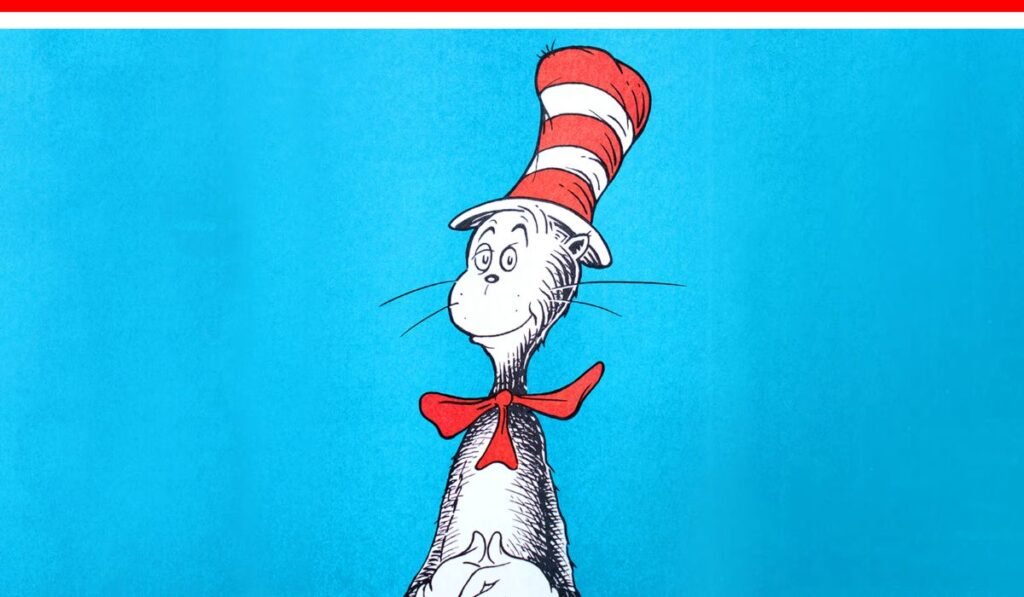
Frustrated by boring school primers that failed to engage young learners, a bold publishing challenge resulted in one of history’s most iconic educational books. Restricted to a strictly limited vocabulary list, brilliant wordplay and chaotic mischief combined to create an entertaining adventure that made reading fun. Children instantly embraced the mischievous feline protagonist, while educators celebrated a breakthrough tool that successfully transformed struggling students into eager readers. This monumental cultural triumph cemented the undisputed legacy of Dr. Seuss in classrooms worldwide.
Exploring Environmentalism and Corporate Greed in The Lorax
Deeply concerned about industrial pollution and habitat destruction, a poignant ecological fable was crafted to warn young minds about corporate irresponsibility. Through the haunting plight of the bewildered woodland creatures and the stubborn Once-ler, complex ecological themes were translated into an emotionally resonant story. The powerful message urged environmental stewardship and personal accountability without ever feeling overly didactic or dry. This timeless classic continues to inspire environmental activists and young conservationists learning about the enduring philosophy of Dr. Seuss.
Championing Inclusivity and Acceptance in The Sneetches
Addressing themes of social prejudice, peer pressure, and superficial discrimination, a witty parable about star-bellied creatures offered a profound lesson on equality. By mocking the arbitrary divisions created by simple bodily markings, the narrative demonstrated the absurdity of judging others based on external appearances. The brilliant resolution taught readers that true worth comes from character rather than manufactured status symbols or fashionable trends. Such socially conscious storytelling remains a cornerstone of the brilliant humanitarian vision championed by Dr. Seuss.
Mastering Anapestic Tetrameter and Inventive Vocabulary
The rhythmic heartbeat of these beloved stories stems from a meticulous dedication to poetic meter, specifically the lively bounce of anapestic tetrameter. Inventing wild nonsense words filled the linguistic gaps where standard dictionary terms fell short of capturing pure imaginative joy. This musical approach to phrasing ensured that reading aloud felt like singing a cheerful song rather than reciting boring homework assignments. Generations of linguistic scholars continue to analyze the rhythmic genius embedded within every memorable publication by Dr. Seuss.
Transitioning From Simple Rhymes to Deeper Philosophical Tales
As decades progressed, narrative themes naturally evolved from lighthearted silliness into sophisticated commentaries on human nature, politics, and existential philosophy. Books like the Cold War allegory about butter-side-down conflicts proved that children’s literature could tackle complex international tensions with grace and humor. These later creations challenged readers of all ages to question institutional dogma, nuclear escalation, and stubborn ideological divides. Intellectual depth of this magnitude elevated the entire artistic portfolio of Dr. Seuss far beyond standard children’s entertainment.
Receiving Prestigious Accolades and Literary Honors
Major awards and honorary recognitions accumulated over decades of dedicated service to children’s literature, public literacy, and visual arts. A special Pulitzer Prize citation recognized a lifetime of extraordinary contributions toward enriching the minds of America’s youth and their parents. Academy Awards and Emmy honors further validated mastery across animated specials, documentary features, and cinematic storytelling formats. These distinguished accolades reflected the widespread cultural impact generated by the lifelong dedication of Dr. Seuss.
The Collaborative Role of Helen Palmer Geisel
Behind every successful manuscript stood an invaluable editorial partnership with his first wife, Helen Palmer Geisel, who provided critical creative direction. She recognized early artistic potential during their university days and persistently steered raw talent toward publishing opportunities. Serving as an astute sounding board, she helped refine plot lines, trim excessive text, and maintain the whimsical tone characteristic of the brand. This close partnership played a silent yet monumental role in shaping the literary empire built by Dr. Seuss.
Establishing Beginner Books and Transforming Early Literacy
Founding an independent publishing imprint dedicated specifically to beginning readers revolutionized the commercial availability of structured phonetic literature. Teaming up with Random House allowed these accessible books to reach thousands of school libraries and household bookshelves across the nation. Titles focusing on repetitive sight words and engaging illustrations gave children the confidence boost needed to master independent reading. This publishing venture permanently altered educational publishing standards under the visionary leadership of Dr. Seuss.
Cinematic Adaptations and Multimedia Expansion
The vibrant characters and imaginative worlds naturally transitioned from static book pages into successful television specials, stage musicals, and blockbuster feature films. Animated holiday specials featuring grumpy green antagonists and musical whisked-away towns became annual holiday traditions for families worldwide. State-of-the-art computer animation brought classic illustrations into modern cinematic dimensions while preserving core narrative values. This multimedia expansion ensured that future generations would continuously discover the timeless magic embedded within Dr. Seuss creations.
Philanthropic Legacy and Educational Foundations
Beyond commercial success, a strong commitment to community education led to numerous workshops, scholarship programs, and museum exhibitions. Archival collections established at university libraries preserved original sketches, unpublished manuscripts, and personal correspondence for future researchers. Educational foundations inspired by his literary principles continue working to elevate global literacy rates and childhood development standards. This enduring philanthropic spirit guarantees that the humanitarian impact of Dr. Seuss extends far beyond commercial bookshelves.
Final Years and the Publication of Oh, the Places You’ll Go!
Completing a phenomenal career journey, his final published masterpiece offered an inspiring roadmap for graduates navigating life’s unpredictable transitions and hurdles. The uplifting prose addressed universal anxieties about success, failure, and personal growth with characteristic optimism and charm. Working diligently on creative projects right up until his final days in La Jolla, California, demonstrated an unwavering passion for storytelling. This swan song stands as a magnificent testament to the enduring creative spirit of Dr. Seuss.
Cultural Permanence and National Read Across America Day
Today, the birthday of the legendary author is officially commemorated nationwide as Read Across America Day, inspiring millions of students to celebrate literacy. Schools, libraries, and community centers host reading marathons and themed events honoring his vibrant literary contributions. Merchandise, theme park attractions, and academic studies maintain a bustling global presence for his unforgettable cartoon creations. The cultural immortality achieved by Dr. Seuss ensures that his whimsical stories will remain cherished treasures for eternity.
FAQs
- What was the real name of the famous author?
- Theodor Seuss Geisel was the actual birth name behind the famous pseudonym.
- When was his first children’s book published?
- His debut children’s book hit bookstore shelves in the year 1937.
- Did he win any major literary awards during his career?
- He received a prestigious Pulitzer Prize Special Citation in 1984 for his lifetime contributions.
- How many books did he write and illustrate?
- He authored and illustrated more than sixty distinct books throughout his lifetime.
- Where can readers find more information about his life history?
- Readers can explore comprehensive encyclopedic documentation.