 admin
admin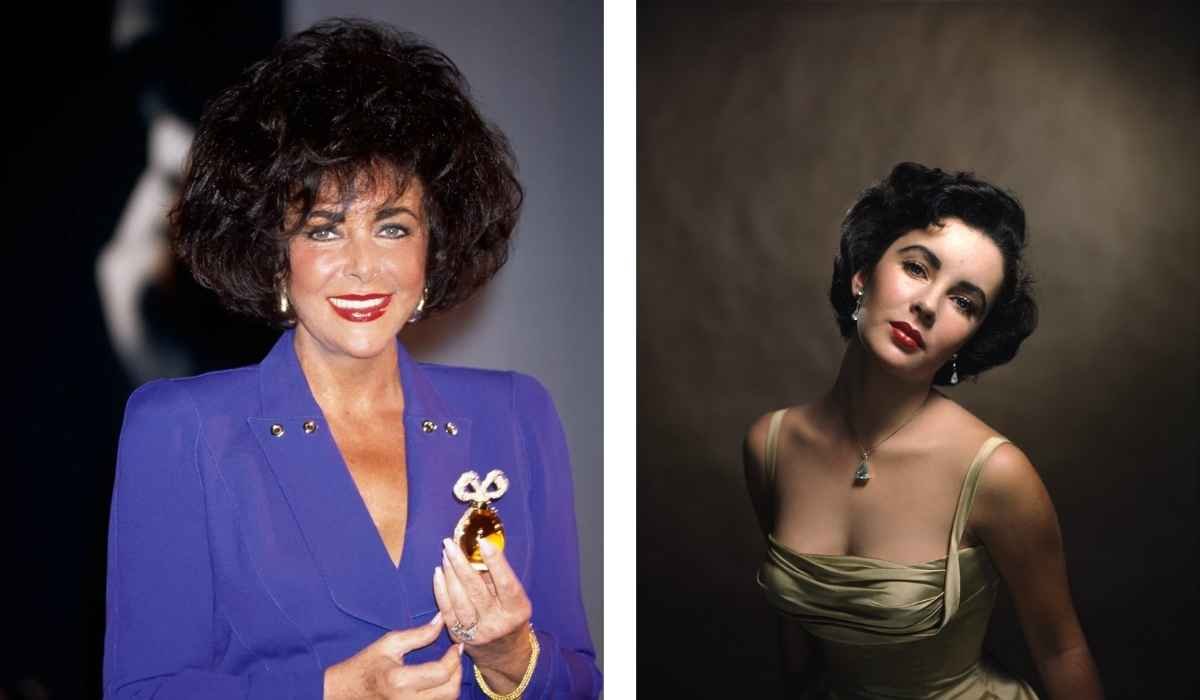
Elizabeth Taylor stands as an enduring legend whose mesmerizing violet eyes and exceptional acting talent captured the hearts of millions across generations. Born in London to American parents, she transitioned effortlessly from a talented child star into one of the most powerful and glamorous cinematic icons of the twentieth century. Her compelling performances on the silver screen earned her multiple Academy Awards, while her tumultuous personal life and groundbreaking philanthropic efforts cemented her permanent place in global pop culture history. Beyond her undeniable beauty, she was a fierce businesswoman and a dedicated pioneer in humanitarian advocacy. Her remarkable journey continues to inspire aspiring artists, fashion enthusiasts, and charitable organizations worldwide today.
Quick Bio
| Feature | Description |
| Full Name | Dame Elizabeth Rosemond Taylor |
| Birth Date | February 27, 1932 |
| Birthplace | London, United Kingdom |
| Passed Away | March 23, 2011 |
| Profession | Actress and Philanthropist |
| Spouses | Conrad Hilton Jr., Michael Wilding, Mike Todd, Eddie Fisher, Richard Burton, John Warner, Larry Fortensky |
Early Childhood and London Beginnings
Elizabeth Taylor spent her formative early years in the vibrant cultural landscape of London surrounded by art and supportive family members. Her parents, who worked as American art dealers, nurtured an environment that appreciated creativity and public expression from a very young age. Even as a small child, her striking appearance and unique facial features immediately drew attention from everyone who happened to cross her path. World events eventually prompted her family to relocate across the Atlantic Ocean, seeking safety and new professional horizons in sunny southern California. This monumental geographical shift completely altered her destiny, placing her directly on the path toward unprecedented international cinematic stardom and legendary fame.
Arrival in Hollywood and Initial Screen Tests
Upon arriving in the United States, Elizabeth Taylor quickly caught the attention of influential talent scouts who recognized her rare star quality immediately. Studio executives were captivated by her expressive violet eyes and composed demeanor, leading to her very first major studio screen testing opportunities. Universal Pictures offered her an initial contract, allowing her to make a modest cinematic debut in a charming family film production. Although that initial studio relationship proved relatively short-lived, it served as an invaluable introduction to the demanding and fast-paced environment of classical Hollywood filmmaking. Industry veterans knew immediately that this young newcomer possessed something truly extraordinary that would soon take the entertainment world completely by storm.
The Breakthrough Success of National Velvet
The year 1944 marked a definitive turning point in the professional life of Elizabeth Taylor when she secured the lead role in National Velvet. Playing a dedicated young equestrian who trains a spirited horse for a legendary race, she displayed remarkable emotional depth and athletic dedication. The film became an absolute blockbuster hit at box offices worldwide, instantly transforming her into a globally recognized child celebrity. Metro-Goldwyn-Mayer promptly signed her to a long-term exclusive contract, securing her services for numerous upcoming high-profile cinematic projects. Critics and audiences alike marveled at how effortlessly she commanded the screen alongside seasoned adult actors, proving her immense natural talent beyond any doubt whatsoever.
Transitioning From Child Star to Mature Roles
Navigating the difficult transition from juvenile actor to sophisticated adult lead is a challenge that historically derailed many promising Hollywood careers. Elizabeth Taylor achieved this delicate career evolution with breathtaking grace, starring in critically acclaimed romantic comedies and dramatic masterpieces. Films such as Father of the Bride showcased her comedic timing and relatable charm, while darker dramas revealed hidden layers of emotional vulnerability. Directors eagerly vied for her participation, knowing she could elevate any script through her intense commitment to character authenticity. Her radiant presence on screen solidified her reputation as the premier leading lady of her generation, beloved by millions of dedicated fans everywhere.
Critical Acclaim in A Place in the Sun
Working alongside Montgomery Clift in the haunting romantic drama A Place in the Sun elevated Elizabeth Taylor into an elite tier of serious dramatic actresses. Her poignant portrayal of a wealthy socialite caught in a tragic web of forbidden love mesmerized critics and mainstream audiences alike. The film demonstrated her capability to handle complex psychological nuances and devastating emotional heartbreak with remarkable maturity. Reviewers across the nation praised her performance as a masterclass in subtlety, proving she was far more than just a pretty face. This milestone project permanently silenced any remaining skeptics who doubted her ability to carry heavy, prestige cinematic productions.
Epic Cinema and the Monumental Role in Giant
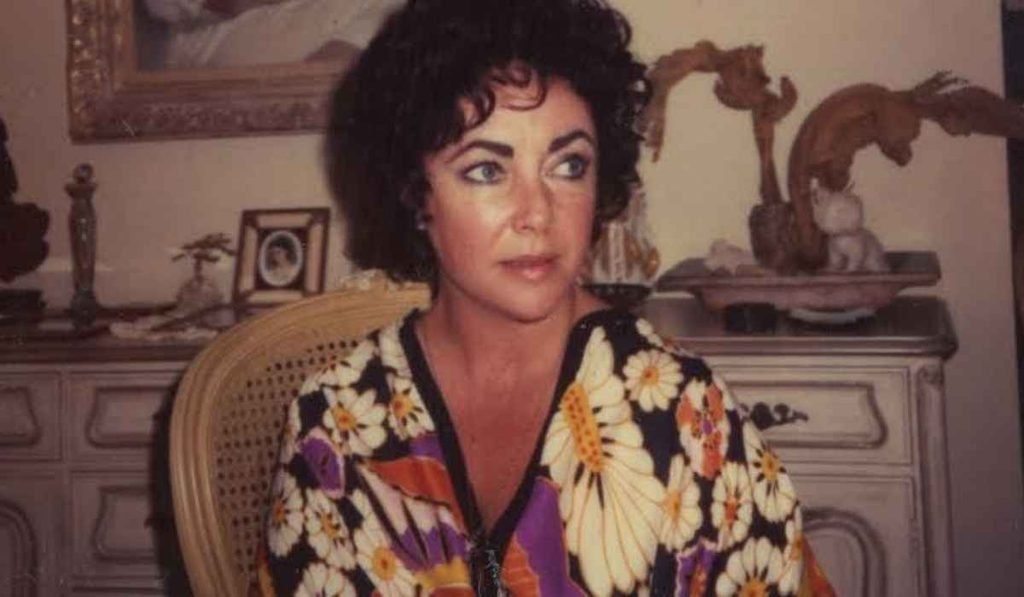
Director George Stevens cast Elizabeth Taylor in the sweeping Texas epic Giant, placing her opposite screen giants Rock Hudson and James Dean. Portraying a spirited Virginia woman adapting to the harsh realities of a massive cattle ranching dynasty presented unique physical and emotional challenges. She immersed herself completely in the demanding role, weathering extreme weather conditions and intense shooting schedules without a single complaint. The resulting film achieved legendary status, earning rave reviews and cementing her status as a powerhouse performer capable of holding her own. Her brilliant work in this cinematic masterpiece remains a shining example of mid-century Hollywood storytelling at its absolute finest.
Winning Her First Academy Award for Butterfield 8
After receiving multiple previous nominations without securing a win, Elizabeth Taylor finally claimed her first Academy Award for her searing performance in Butterfield 8. Portraying a troubled fashion model leading a complex double life, she brought raw honesty and tragic dignity to a deeply flawed character. Although she famously expressed personal dissatisfaction with the quality of the script itself, her acting performance was universally hailed as magnificent. The accolade validated decades of hard work and perseverance within a notoriously competitive and often unforgiving entertainment industry. Accepting the prestigious golden statuette marked a triumphant high point in her glittering cinematic career.
Negotiating Historic Contracts During Cleopatra
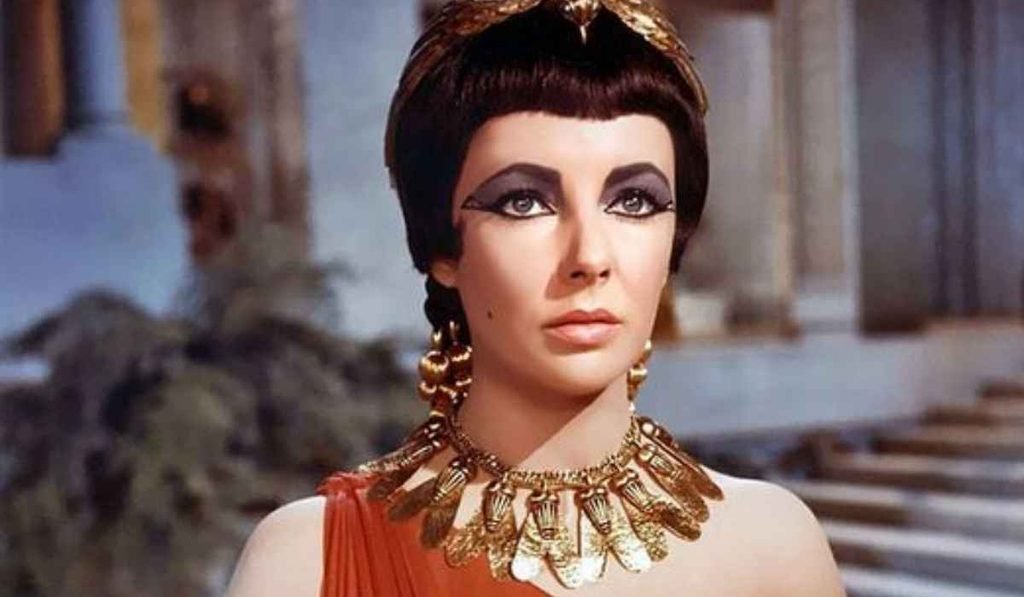
The extravagant historical production of Cleopatra brought unprecedented media scrutiny and established Elizabeth Taylor as a savvy financial negotiator. She made entertainment history by demanding and receiving an astonishing one-million-dollar salary, becoming the highest-paid movie star in the world. Beyond the financial milestone, the production set the stage for one of the most sensational and heavily publicized real-life romances in history. Her stormy on-set and off-screen relationship with co-star Richard Burton transfixed global tabloids and altered celebrity culture forever. Despite massive production hurdles, her regal portrayal of the Egyptian queen remains an iconic visual touchstone of classic cinema.
The Legendary Romance and Marriages to Richard Burton
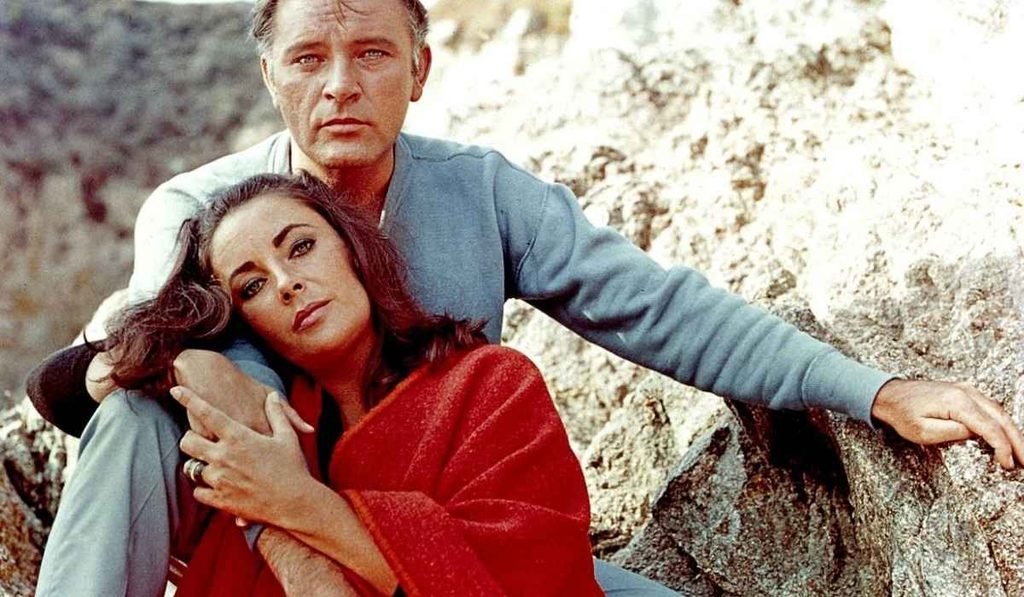
Few partnerships in entertainment history captured the public imagination quite like the tempestuous union between Elizabeth Taylor and actor Richard Burton. Their passionate love affair, multiple marriages, high-profile divorces, and shared artistic collaborations became permanent fixtures of international front-page news. Together, they starred in numerous memorable films, channeling their intense personal chemistry directly into complex characters on the silver screen. Their relationship was marked by extreme wealth, lavish jewelry acquisitions, intellectual matching wits, and deeply emotional dramatic outbursts. Even after their final legal separation, the fascinating bond they shared remained a defining narrative of mid-century Hollywood folklore.
Delivering a Masterpiece in Who is Afraid of Virginia Woolf
Teaming up once again with Richard Burton, Elizabeth Taylor delivered arguably the finest dramatic performance of her entire career in Who Is Afraid of Virginia Woolf? Transforming her physical appearance to portray the bitter and acidic middle-aged faculty wife Martha, she shocked viewers with her unflinching intensity. Her brilliant work under the astute direction of Mike Nichols earned her a second well-deserved Academy Award for Best Actress. The film showcased her fearless dedication to artistic truth, stripping away all glamorous vanity to reveal raw emotional torment. Critics continue to study this remarkable cinematic achievement as a textbook example of transformative method acting at its peak.
Transitioning to Television and Stage Performances
As classical Hollywood studio systems evolved, Elizabeth Taylor successfully expanded her incredible artistic range into legitimate theatrical stage productions and television movies. She made a triumphant Broadway debut starring in Lillian Hellman’s classic play, earning prestigious Tony Award nominations for her commanding stage presence. Audiences thrilled at the opportunity to witness her magnetic charisma live in an intimate theater environment rather than solely through a movie projector. Her willingness to embrace new mediums later in life demonstrated that she was a versatile actress committed to lifelong professional growth. These ventures introduced her legendary talents to an entirely new generation of enthusiastic theater patrons and television viewers.
Venturing Into Entrepreneurship and Fragrance Empires
Proving her incredible business acumen long before modern influencer culture existed, Elizabeth Taylor launched a revolutionary celebrity perfume brand. Fragrances such as White Diamonds shattered industry expectations, generating billions of dollars in global sales and establishing a completely new commercial blueprint. Rather than merely lending her famous name to a product, she actively participated in the development, marketing, and design processes. This visionary entrepreneurial venture turned out to be even more financially lucrative than many of her most successful feature film acting roles. Her brilliant commercial instincts transformed celebrity branding into a legitimate, highly profitable corporate empire that endures strongly today.
Pioneering HIV and AIDS Philanthropic Activism
Following the tragic passing of her close friend Rock Hudson, Elizabeth Taylor redirected her immense global fame toward championing HIV and AIDS research. She courageously used her prominent public platform to fight widespread societal stigma, raise critical funding, and comfort afflicted patients personally. Co-founding organizations like amfAR and establishing her own dedicated foundation, she worked tirelessly as a passionate health advocate. Her fearless activism during a time of intense public fear saved countless lives and shifted governmental health policies significantly. This profound humanitarian legacy remains her most important contribution to human society, overshadowing even her cinematic achievements.
Receiving Prestigious Honors and Humanitarian Awards
Governments, film institutions, and charitable foundations around the world showered Elizabeth Taylor with prestigious lifetime achievement awards and high civilian honors. The Academy of Motion Picture Arts and Sciences recognized her exceptional charitable dedication by presenting her with the coveted Jean Hersholt Humanitarian Award. Queen Elizabeth II formally appointed her a Dame Commander of the Order of the British Empire for her decades of charitable service. Additionally, she received the Presidential Citizens Medal from the United States government for her tireless public health advocacy. These distinguished accolades reflected deep global respect for a woman who dedicated her latter decades to helping vulnerable people.
Collecting Iconic Jewelry and Fine Art Pieces
Throughout her remarkable life, Elizabeth Taylor maintained a world-famous passion for exquisite jewelry, rare gemstones, and high-end fine art pieces. Richard Burton and her other wealthy spouses frequently gifted her legendary diamonds and emeralds, which she wore with supreme elegance and style. Her legendary collection included priceless historical artifacts that later commanded record-breaking sums at international charity auction houses following her passing. She viewed these glittering treasures not merely as status symbols, but as wearable pieces of art that brought genuine joy and beauty. Her exquisite taste in fashion and accessories established her permanently as one of history’s ultimate style icons.
Navigating Tabloid Scrutiny and Public Fame
Living virtually her entire life under intense public inspection, Elizabeth Taylor mastered the art of maintaining personal dignity amidst relentless media pressure. Tabloids frequently sensationalized her multiple marriages, health struggles, and fluctuating weight, turning her private life into global entertainment. Rather than retreating into permanent seclusion, she faced public scrutiny with characteristic humor, resilience, and unapologetic self-confidence. She authored candid memoirs addressing her personal challenges with remarkable honesty, endearing her even further to an empathetic public. Her ability to survive personal storms without losing her generous spirit remains an inspiration to modern public figures.
Lasting Cultural Impact on Modern Cinema
The cinematic footprint left behind by Elizabeth Taylor continues to influence contemporary actresses, filmmakers, and pop culture tastemakers around the globe. Her ability to convey complex psychological inner turmoil while maintaining dazzling screen presence set a high gold standard for dramatic performance. Film historians consistently rank her among the greatest female screen legends in the history of motion picture arts. Her face, immortalized by legendary photographers and Andy Warhol silkscreens, remains a universal symbol of classic Hollywood glamour. Modern cinema owes a massive debt of gratitude to her pioneering artistry, trailblazing contract negotiations, and unforgettable screen portrayals.
Later Years, Health Struggles, and Peaceful Passing
During her final decades, Elizabeth Taylor faced severe physical health challenges, including chronic back pain, heart conditions, and successful brain surgery. Despite utilizing a wheelchair and reducing public appearances, she remained fiercely dedicated to her AIDS foundation work until her final days. She passed away peacefully in Los Angeles surrounded by her loving children, grandchildren, and great-grandchildren at the age of seventy-nine. Tributes poured in from world leaders, fellow actors, and adoring fans mourning the loss of the last true superstar of Hollywood’s golden age. Her extraordinary spirit lives on through her cinematic masterworks and her enduring philanthropic institutions.
Remembering the Eternal Queen of Hollywood
Reflecting upon the multifaceted life of Elizabeth Taylor reveals a woman of immense strength, profound compassion, and unparalleled natural beauty. She conquered the silver screen, revolutionized celebrity business branding, and saved thousands of lives through her fearless health advocacy. Her story is a testament to what can be achieved when raw talent meets relentless determination and a generous heart. Though she is no longer with us physically, her radiant violet gaze and indomitable legacy continue to illuminate the cultural landscape. She remains forever the undisputed queen of cinema whose legendary status will never fade away.
FAQs
- When was Elizabeth Taylor born and when did she pass away?
- Elizabeth Taylor was born on February 27, 1932, and passed away on March 23, 2011.
- How many times was Elizabeth Taylor married during her lifetime?
- She was married eight times to seven different husbands, including two marriages to Richard Burton.
- For which films did Elizabeth Taylor win her two Academy Awards?
- She won her two Oscars for her stellar lead performances in Butterfield 8 (1960) and Who’s Afraid of Virginia Woolf? (1966).
- What major philanthropic cause did Elizabeth Taylor champion later in life?
- She was a pioneering activist who co-founded amfAR and established her own foundation to fight the HIV/AIDS epidemic.
- What was the name of her highly successful signature fragrance line?
- Her record-breaking perfume empire featured iconic scents led by the immensely popular fragrance White Diamonds.