
 admin
admin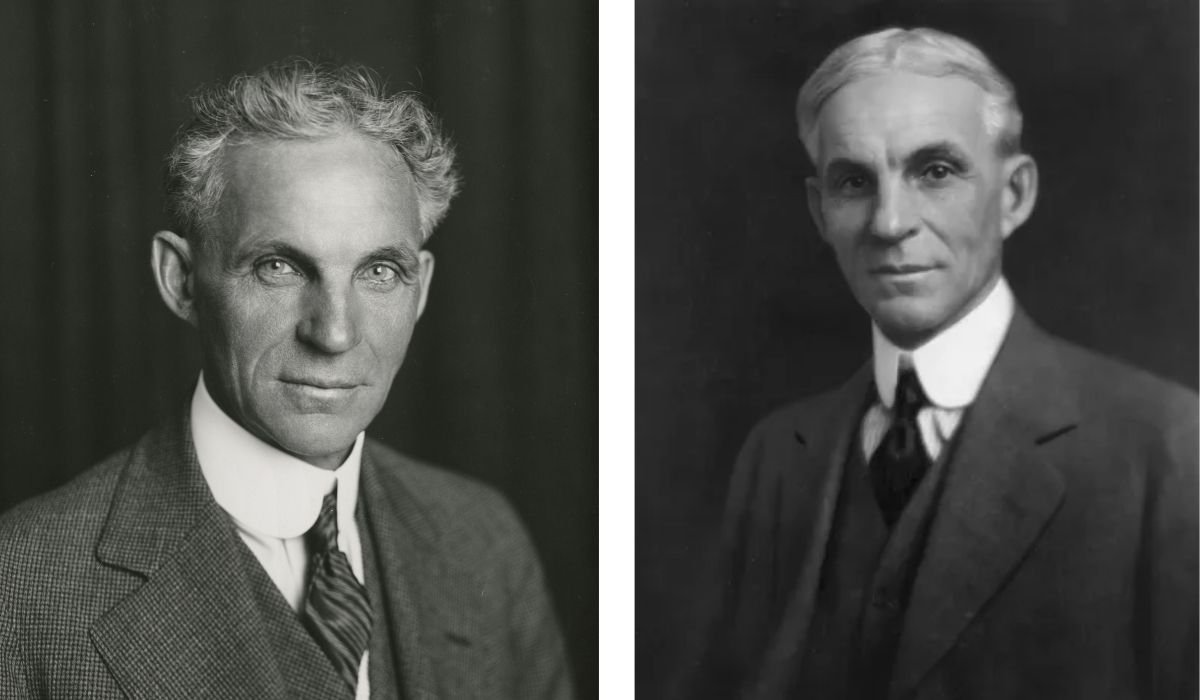
The history of modern industrial manufacturing and global transportation fundamentally changed when Henry Ford entered the world stage with a vision to motorize the globe. Born on a modest family farm in Michigan, he displayed an extraordinary mechanical aptitude from his early childhood years. Instead of following traditional agrarian paths, he pursued technical innovation relentlessly, eventually establishing the legendary Ford Motor Company. His revolutionary assembly line techniques transformed personal travel from a luxury of the elite into an everyday reality for average working citizens, forever reshaping the economic and cultural landscape of human society.
Quick Bio
| Attribute | Detail |
| Full Name | Henry Ford |
| Birth Date | July 30, 1863 |
| Death Date | April 7, 1947 |
| Birthplace | Greenfield Township, Michigan |
| Spouse | Clara Jane Bryant |
| Children | Edsel Ford |
| Key Innovation | Moving Assembly Line |
| Company | Ford Motor Company |
Early Life and Childhood Years on the Family Farm
Growing up in rural Michigan during the nineteenth century, young Henry Ford spent his formative days assisting with heavy agricultural chores. However, his true passion lay in taking apart mechanical devices and watches to understand their inner workings. Long before he built global empires, Henry Ford dedicated every spare moment to studying tools, gears, and steam engines. This relentless curiosity eventually drove him to leave his family farm as a teenager, setting off on a transformative journey toward the bustling industrial machine shops of nearby Detroit to pursue professional mechanical engineering.
Apprenticeship and Early Engineering Career in Detroit
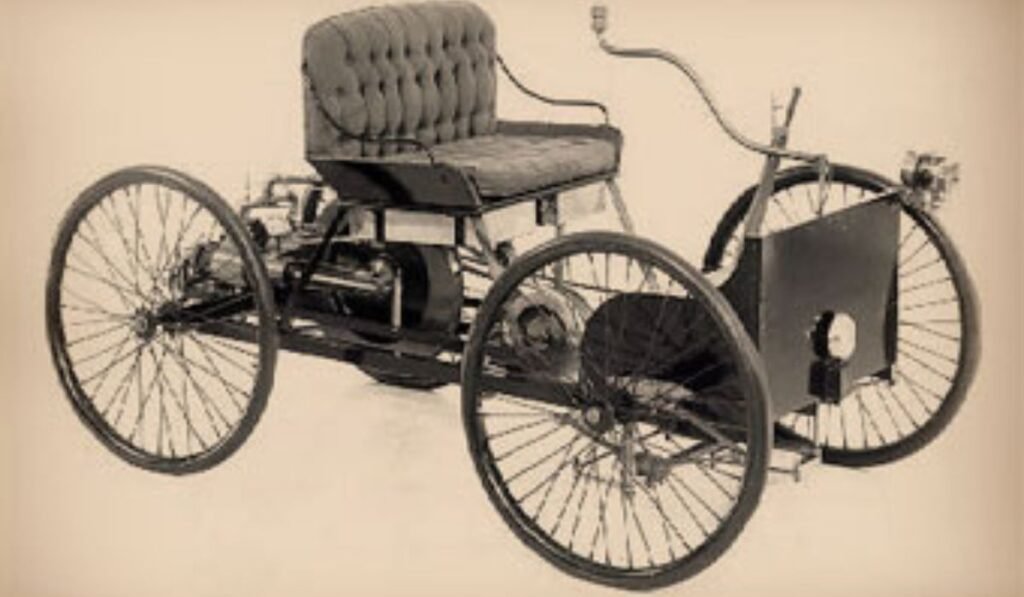
Arriving in Detroit with little more than raw ambition, Henry Ford secured apprenticeships that tested his technical limits and expanded his practical knowledge. He mastered the handling of complex tools while working long hours for local machine shops and repair businesses. These crucial developmental years provided Henry Ford with deep insights into efficient mechanical assembly and tool design. His exceptional talent did not go unnoticed, as industrial leaders quickly recognized his ability to diagnose and solve difficult engineering challenges, setting the stage for his eventual rise within the prominent Edison Illuminating Company.
Rising Through the Ranks at Edison Illuminating Company
Joining the esteemed Edison Illuminating Company marked a major turning point in the professional trajectory of Henry Ford. Starting as a competent machinist, his dedication and sharp problem-solving capabilities quickly propelled him upward to the role of chief engineer. This demanding position required constant vigilance, yet it granted Henry Ford flexible hours and access to electricity resources. Working late into the night inside his workshop, Henry Ford began conducting intense private experiments focused on internal combustion engines, laying the critical groundwork for his future automotive inventions and daring commercial enterprises.
Building the First Experimental Gasoline Powered Quadricycle
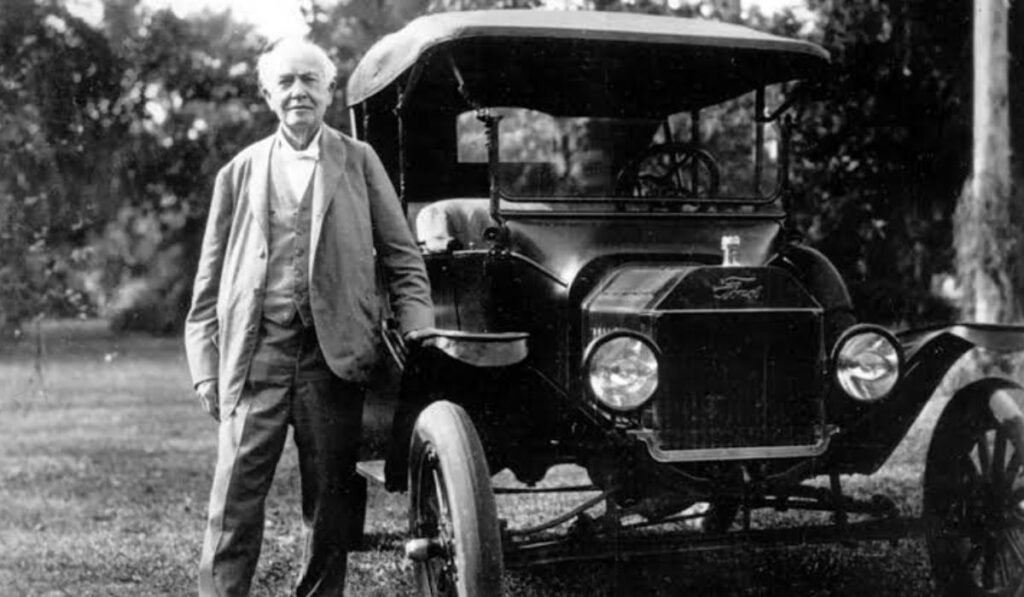
Fuelled by sheer determination and late-night experiments, the mechanical tinkering of Henry Ford finally materialized into a working vehicle known as the Quadricycle. Built using a lightweight frame and four bicycle wheels, this primitive machine proved that gasoline propulsion was entirely feasible. Test driving this contraption through city streets brought immediate local fame to Henry Ford, who realized that personal transportation was ready for a massive leap forward. To fund his next round of larger designs, Henry Ford courageously sold his very first creation, channeling every penny back into his growing automotive research projects.
Early Business Ventures and the Detroit Automobile Company
The path to commercial manufacturing proved difficult, marked by initial setbacks and disagreements with early financial backers. When establishing his first manufacturing firm, Henry Ford clashed with investors who wanted immediate market profits rather than continuous engineering improvements. Despite this early dissolution, the visionary persistence of Henry Ford remained completely unshaken. He chose to focus heavily on designing high-speed racing prototypes to prove the durability of his engines, successfully breaking records and rebuilding his professional reputation among wealthy backers throughout the competitive Detroit industrial community.
Founding the Ford Motor Company in Nineteen Hundred Three
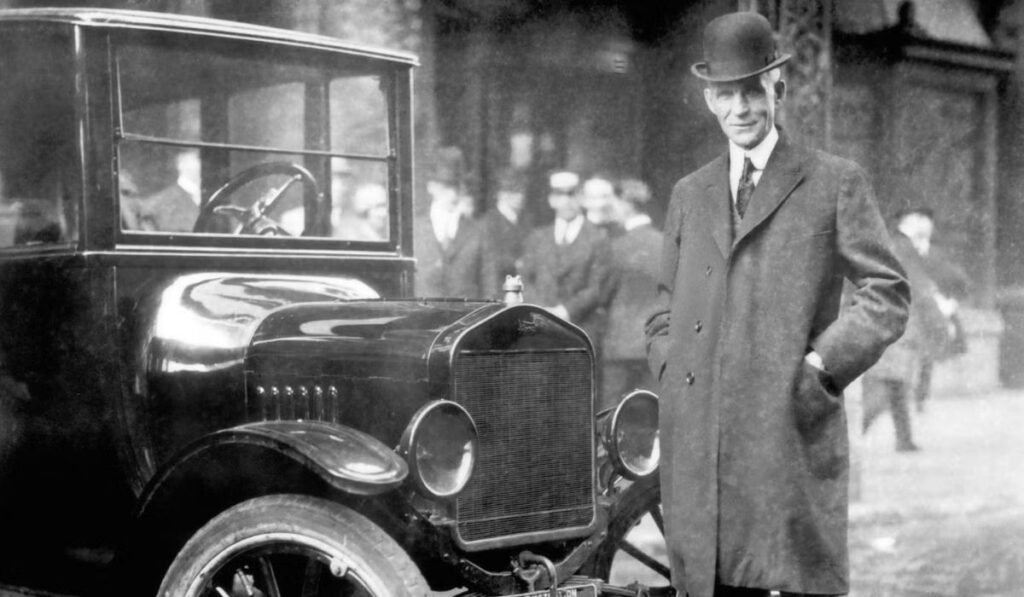
A defining moment in global commerce arrived when partners gathered to officially incorporate the legendary Ford Motor Company. Backed by a modest group of local investors, Henry Ford established a firm where he could finally direct production according to his own strict technical standards. Operations started in a modest converted factory, turning out a small number of vehicles daily. Even during these humble beginnings, the primary ambition of Henry Ford was clear: to build reliable, simple, and affordable machines that ordinary working families could comfortably purchase without exhausting their life savings.
Introduction of the Iconic Ford Model T Vehicle
The unveiling of the legendary Model T vehicle completely revolutionized personal mobility across North America and beyond. Designed to be sturdy, simple to operate, and easy to repair on rural roads, this automobile caught the imagination of the public. Demand quickly outpaced traditional manufacturing methods, forcing Henry Ford to rethink how factories constructed mechanical parts. By standardizing components and keeping the initial aesthetic simple, Henry Ford turned the automobile from an expensive toy for the wealthy elite into an indispensable tool for farmers, merchants, and average urban workers alike.
Revolutionizing Manufacturing with the Moving Assembly Line
To meet skyrocketing consumer demand, the brilliant industrial team led by Henry Ford introduced the concept of the moving assembly line. Instead of workers walking around stationary vehicles, mechanical conveyor belts brought parts directly to each station. This radical innovation slashed production hours from days down to mere minutes. The unprecedented efficiency pioneered by Henry Ford drastically lowered manufacturing overhead expenses, allowing the company to drop retail prices continuously while simultaneously increasing overall volume, transforming industrial manufacturing operations across the entire globe forever.
Implementing the Five Dollar Daily Wage for Workers
Beyond technical production metrics, corporate leadership under Henry Ford made a shocking move by introducing the five-dollar daily wage for factory workers. This generous pay rate was double the prevailing industry average at the time, stunning economic observers worldwide. By paying his employees higher wages, Henry Ford ensured that his own workforce could easily afford to buy the very cars they built on the assembly line. This forward-thinking strategy by Henry Ford successfully reduced high employee turnover rates while simultaneously helping to establish a stable, prosperous American middle class.
Expanding Industrial Footprint with Highland Park and Rouge Plants
As demand for affordable cars surged to historic heights, the original production facilities quickly became too small for continuous growth. To solve this bottleneck, Henry Ford oversaw the construction of the massive Highland Park plant, followed later by the colossal River Rouge complex. These sprawling industrial marvels practiced complete vertical integration, turning raw iron ore, rubber, and coal directly into finished automobiles under one unified roof. The operational scale achieved by Henry Ford set a new global gold standard for heavy manufacturing efficiency, logistical coordination, and large-scale industrial output.
Pioneering Vertical Integration Across Industrial Supply Chains
Controlling every single phase of the manufacturing process from raw material extraction to final delivery became a core obsession for Henry Ford. He acquired timberlands, iron mines, glass factories, and cargo fleets to eliminate external supplier delays and price hikes. This comprehensive vertical integration strategy ensured that Henry Ford maintained total control over production quality and component costs. By cutting out middleman markups, the business model created by Henry Ford generated extraordinary profit margins while protecting corporate operations against unexpected supply chain disruptions during turbulent economic cycles.
Societal Impact and the Global Phenomenon of Fordism
The sweeping economic philosophies and manufacturing systems put into practice came to be globally recognized under the banner of Fordism. Nations across Europe and Asia rushed to study the mass-production methodologies championed by Henry Ford to modernize their own lagging domestic industries. Society underwent a profound structural transformation as cities built paved roads, suburbs expanded outward, and travel times shrank dramatically. The cultural footprint left by Henry Ford extended far beyond business balance sheets, permanently altering how modern human beings live, work, commute, and interact across vast geographical distances.
Diversification into Aviation and the Ford Trimotor Airplane
Industrial ambitions soon stretched beyond ground transportation, leading the company to explore the exciting frontier of commercial aviation. Recognizing the future potential of flight, Henry Ford directed engineering teams to design and build reliable all-metal transport airplanes. The famous Ford Trimotor aircraft became a dependable workhorse for early commercial airlines and postal delivery routes. Although aviation was never his primary lifelong focus, the temporary venture into airplanes proved that the engineering principles championed by Henry Ford could successfully conquer multiple distinct technological domains with remarkable precision and safety.
Agricultural Innovation with the Development of Fordson Tractors
Farming communities remained close to the heart of the automotive tycoon, inspiring him to design affordable machinery for agricultural fields. Recognizing the heavy physical toll of manual labor on family farms, Henry Ford introduced the sturdy Fordson tractor. Mass-produced with the same efficient assembly line techniques, these tractors drastically reduced crop harvesting times worldwide. By making mechanized farming equipment economically accessible to ordinary growers, Henry Ford helped boost global food production efficiency while easing the daily physical burdens of millions of agricultural laborers operating across diverse international landscapes.
Philanthropic Endeavors and the Creation of the Ford Foundation
Later stages of life brought significant focus toward large-scale philanthropy, scientific research, and educational support systems. Alongside his son Edsel, the industrialist established a major charitable organization aimed at advancing human welfare, public education, and scientific research. The enduring assets and grants provided by Henry Ford funded numerous hospitals, educational institutions, and community programs. Through these strategic philanthropic gifts, the legacy of Henry Ford extended deeply into public health and social development, ensuring that accumulated industrial wealth continued to benefit future generations of citizens globally.
Controversial Perspectives and Social Views of the Industrialist
While celebrated for technical genius, the personal ideology and public commentary of Henry Ford also generated substantial historical controversy. His published articles and involvement with political commentary during the interwar period drew sharp criticism from civil rights groups and historians alike. Despite these complex and widely debated societal views, the commercial impact of Henry Ford on global manufacturing remained entirely unmatched. Modern biographers continue to examine the duality of Henry Ford, balancing his unprecedented industrial achievements against his more polarizing public stances and controversial socio-political opinions.
Succession Planning and Leadership Transitions Within the Corporation
As advancing age began to slow his daily involvement, managing the massive corporate empire required careful family succession planning. Power eventually transitioned to his capable grandson, who modernized corporate structures to help the firm navigate competitive postwar markets. Even during periods of intense corporate restructuring, the foundational principles established by Henry Ford guided executive decision-making. The ability of the family enterprise to adapt to changing consumer preferences proved that the structural foundations built by Henry Ford possessed long-term resilience against shifting global economic trends and emerging corporate rivals.
Final Years, Passing, and Eternal Industrial Legacy
The long and remarkable life of the pioneer came to a peaceful end at his Dearborn estate, concluding an era of monumental industrial transformation. Tributes poured in from international leaders, business titans, and grateful workers who recognized how deeply Henry Ford had altered modern civilization. His pioneering vision turned the automobile from an expensive luxury into an everyday utility. Today, the lasting influence of Henry Ford remains visible everywhere, cemented permanently within global manufacturing textbooks, economic history, and the FRIENDLY.
FAQs
- When was Henry Ford born?
- Henry Ford was born on July 30, 1863, in Greenfield Township, Michigan.
- What was Henry Ford’s most famous invention?
- He is best known for developing the moving assembly line and mass-producing the iconic Model T automobile.
- When did Henry Ford establish his motor company?
- He officially incorporated the Ford Motor Company on June 16, 1903.
- Why did he introduce the five-dollar daily wage?
- He increased wages to reduce worker turnover and ensure his employees could afford to buy the cars they produced.
- When did Henry Ford pass away?
- He died following a cerebral hemorrhage on April 7, 1947, at the age of 83.