 Wild Rise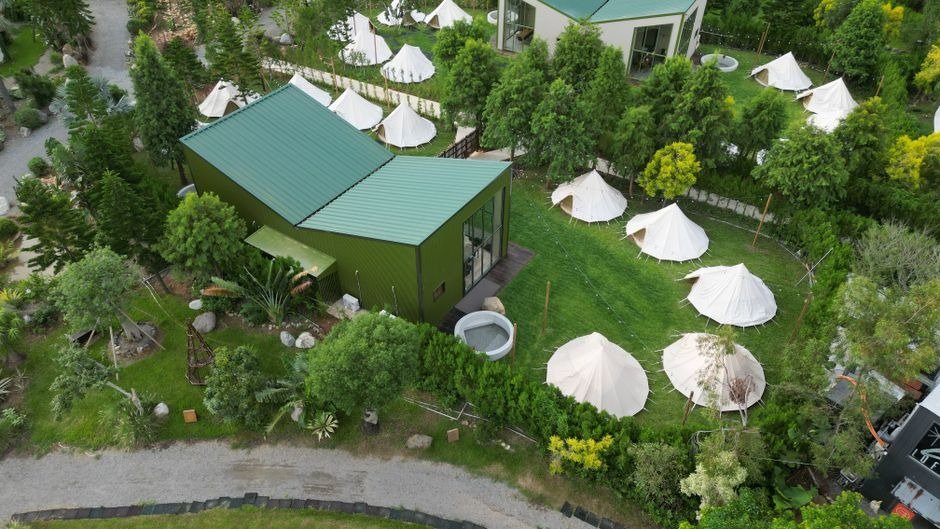
If you love the outdoors but don’t love waking up with a sore back, glamping probably already sounds tempting. It sits right between rugged camping and boutique travel, giving you fresh air, scenery, and a lot less struggle. Across nature and tourism spaces, glamping has become a smart way to enjoy forests, parks, and remote views without treating comfort like an optional upgrade. A tent can still feel adventurous without acting like a survival test.
What Makes Glamping Different From Regular Camping
Traditional camping often asks you to trade comfort for experience. You pack light, set up fast, and accept that your tent is mainly there to keep the bugs from filing a formal complaint. Glamping changes the deal.
You still get the outdoor setting, but the stay feels more intentional. Think solid flooring, better insulation, standing room, proper beds, storage, lighting, and room for decor that doesn’t look like it came from the bottom of a bargain bin.
That extra comfort matters whether you’re planning a family trip, a couples’ getaway, or a hospitality business. People want nature, but they also want sleep, convenience, and a space that feels welcoming. Glamping delivers that mix without turning the experience into a generic hotel stay.
Why Glamping Tents Are Getting So Popular
Part of the appeal comes from how travel habits have shifted. A lot of people want memorable trips that feel personal, scenic, and a little less crowded than major tourist hotspots. Glamping fits that mood perfectly.
Instead of booking another standard room, you can stay somewhere that feels tied to the landscape. Lakeside mornings, desert sunsets, mountain air, and stargazing all hit differently when your accommodation is part of the environment.
There’s also a business angle. Campgrounds, ranches, resorts, and landowners see strong demand for upscale outdoor stays. Investing in glamping tents can help create rentable spaces that stand out in a packed travel market. You’re not just offering shelter. You’re offering an experience people will photograph before they even unpack.
Features You Should Look For Before You Buy
Not every glamping tent is built the same, and that detail can make or break the whole setup. A tent that looks great in photos but struggles in wind or rain is a headache wearing nice fabric.
Focus on practical features first:
– Durable canvas or high-quality weather-resistant material
– Strong frame construction
– Good ventilation and window placement
– Enough height for standing and moving comfortably
– Space for beds, seating, and storage
– Stove jack compatibility if cold-weather use matters
– Easy access points and reliable closures
If you’re buying for personal use, think about how often you’ll use it and in what climate. If it’s for guests, think one step further. Maintenance, cleaning, durability, and user comfort all matter. A stylish tent earns attention. A functional one earns repeat bookings.
How Glamping Improves Nature and Tourism Experiences
Nature tourism works best when people can enjoy a destination without feeling disconnected from it. Glamping helps bridge that gap. You’re still immersed in the setting, but you’re not distracted by every little discomfort.
That can make outdoor travel more accessible to people who wouldn’t normally camp. Some travelers want trails, wildlife, and quiet mornings, but they’re not interested in sleeping on rocky ground or improvising a whole campsite in the dark. Fair enough.
For tourism operators, glamping can open doors to broader audiences. Couples celebrating anniversaries, parents traveling with kids, solo travelers, and small retreat groups often want outdoor experiences with fewer rough edges. A well-designed glamping setup supports local tourism by giving visitors another reason to stay longer, spend more locally, and come back in a different season.
Real-World Uses Beyond Weekend Getaways
Glamping tents aren’t only for leisure travelers chasing aesthetic campfire photos. They can serve a lot of practical uses across hospitality and event planning.
You’ll see them used for:
– Eco-resorts and private campgrounds
– Wedding guest accommodations
– Wellness retreats and yoga events
– Hunting lodges and ranch stays
– Festival lodging
– Seasonal tourism businesses
– Backyard guest spaces on larger properties
That flexibility is a major strength. You can create a premium stay without constructing a permanent building, which may help with cost, speed, and land use planning depending on local rules.
Still, don’t assume a tent setup means zero logistics. You may need permits, utility planning, drainage solutions, cleaning systems, and weather prep. The glamorous side of glamping gets the attention, but the operational side keeps the experience from turning into organized chaos.
Design Choices That Actually Affect Guest Comfort
A glamping tent can look beautiful online and still feel awkward in person if the layout is poorly planned. Design isn’t only about style. It affects how people move, relax, store their stuff, and sleep.
Start with the essentials. Put the bed where airflow is best. Leave enough walking space so guests don’t have to shuffle sideways like they’re sneaking past a sleeping dog. Add rugs, lighting, side tables, and seating that fit the footprint instead of crowding it.
Texture matters too. Canvas, wood, metal, and soft fabrics can create a warm look without feeling overdone. If your site gets hot days or cold nights, insulation choices, ventilation, and heating options matter even more than decor. A lantern and a throw blanket look nice, but temperature control does the real heavy lifting.
Things You Should Consider Before Setting One Up
Before you commit, look at the site itself. Terrain, weather patterns, drainage, sun exposure, and accessibility all affect how well a glamping tent performs over time.
Ask practical questions:
– Will the site flood after heavy rain?
– Is the ground level enough for a stable setup?
– How far is it from water, power, or bathroom access?
– Will guests be comfortable reaching it with luggage?
– Does the climate require seasonal adjustments?
You should also think about upkeep. Canvas care, mildew prevention, pest control, and routine inspections all come with the territory. None of this is complicated if you plan for it, but neglect tends to show up fast outdoors.
Glamping works best when comfort meets preparation. A tent in a gorgeous location is a great start. A tent in a gorgeous location that’s thoughtfully set up, weather-ready, and easy to use is what keeps the whole idea from feeling like a trend with good marketing.
Why Glamping Has Staying Power
Glamping isn’t just camping with prettier furniture. It reflects how people want to travel now: closer to nature, more comfortably, and with a stronger sense of place. You get the sounds, views, and calm that make outdoor stays memorable, without signing up for every inconvenience in the camping playbook.
For travelers, that means a more enjoyable trip. For tourism businesses, it creates room for higher-value stays and distinctive branding. For landowners, it offers a way to make outdoor space more useful without going fully permanent.
If you want an outdoor experience that feels immersive but still livable, glamping tents hit a very smart middle ground. Nature stays the main event. You just get a better seat for it.