 admin
admin
Finding your favorite tracks lacking intensity can be incredibly frustrating, especially when you are craving a more immersive and powerful audio experience. Many users often look for ways to make Apple Music Louder to get the most out of their high-quality playlists, whether they are using headphones, external speakers, or their device’s built-in output. Fortunately, there are several simple settings and audio enhancements built into the ecosystem that can significantly boost your output without sacrificing clarity. This guide will walk you through every effective method to optimize your settings, ensuring that your library always sounds as bold and vibrant as you intended.
| Feature | Details |
| Primary Goal | How to make Apple Music Louder |
| Quick Fix | Disable Sound Check in settings |
| EQ Setting | Switch to “Late Night” or “Rock” |
| Hardware Tip | Use a dedicated external DAC/Amp |
| Audio Quality | Set to Lossless for depth |
Disabling Sound Check to Boost Volume
The most common reason for quiet audio is a feature called “Sound Check,” which automatically levels out the volume of different songs. While this prevents sudden jumps in intensity, it often lowers the overall peak output. To make Apple Music Louder, navigate to your device’s Settings, scroll down to the app section, and toggle “Sound Check” to the off position. By disabling this feature, your tracks will play at their intended volume levels without the software artificially dampening the loudest parts of your favorite songs, allowing you to experience the full impact of your music instantly.
The Secret of the Late Night EQ Setting
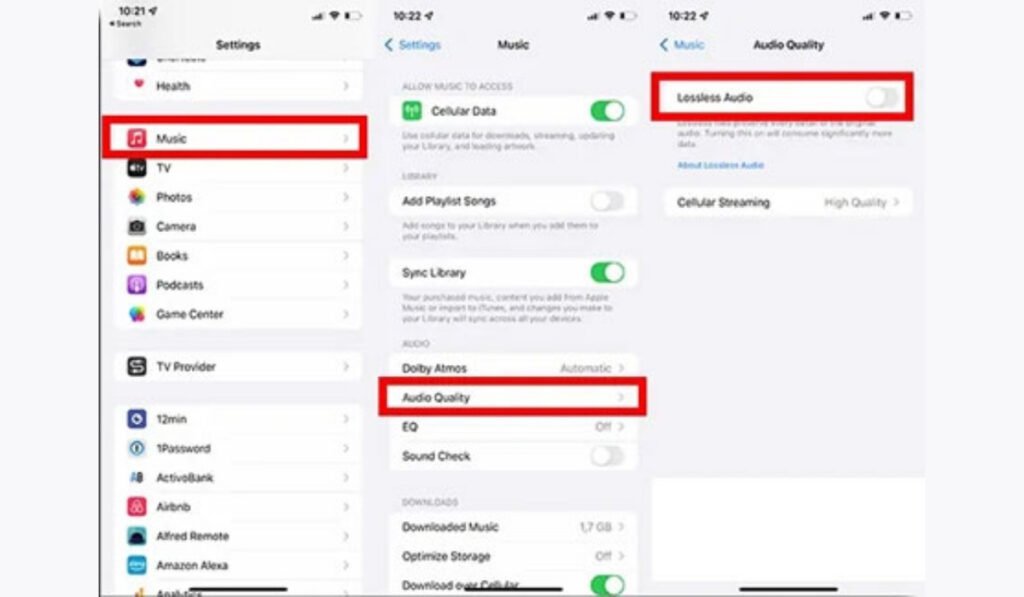
The built-in Equalizer (EQ) is a powerful tool designed to make Apple Music Louder by compressing the dynamic range. Specifically, the “Late Night” setting is a favorite among audiophiles for its ability to bring quieter sounds up and tame the extremely loud peaks, resulting in a perceived increase in overall volume. You can access this by going to Settings > Music > EQ and selecting “Late Night” from the list. This setting effectively acts as a boost for your audio, making your library feel much more present and punchy, regardless of the headphones or speakers you are currently using.
Boosting Output with Lossless Audio
Setting your stream to high-quality can change how you perceive intensity. To make Apple Music Louder and more detailed, ensure your stream quality is set to “Lossless.” Go to Settings > Music > Audio Quality and enable “Lossless Audio” for both Wi-Fi and Cellular. While this doesn’t change the actual decibel level, the increased clarity and depth of lossless files make the audio feel significantly more robust and substantial to the human ear. It prevents the compression artifacts that can make music sound thin or distant, providing a much richer foundation for your listening sessions.
Optimizing Volume Limit Settings
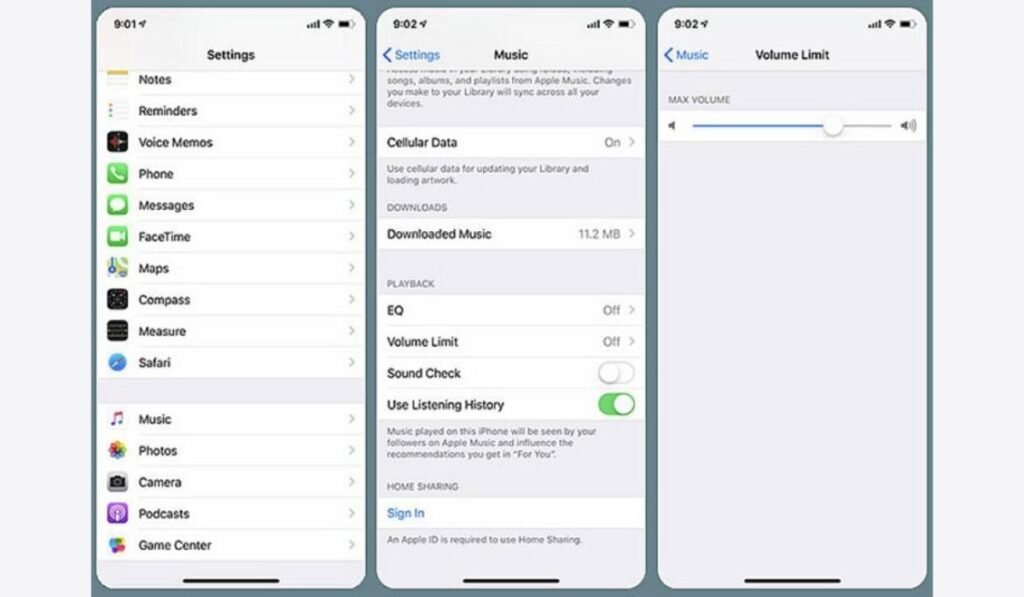
Sometimes the restriction is purely administrative. If you are struggling to make Apple Music Louder, check your system’s volume limits. Go to Settings > Sounds & Haptics > Headphone Safety and ensure that “Reduce Loud Sounds” is disabled or set to a higher decibel threshold. This feature is intended to protect your hearing, but if it is configured too aggressively, it may be automatically capping your output. Adjusting these safety parameters allows you to push your volume to the actual maximum level supported by your hardware, giving you the control you need for those energetic tracks.
Using External Amplifiers for Power
If you are using high-impedance headphones, your device might not have enough power to make Apple Music Louder on its own. In this case, consider investing in a portable DAC and amplifier. These devices act as a bridge between your phone and your headphones, providing a much cleaner and stronger signal. By bypassing your phone’s internal hardware, an external amp can easily push your headphones to their full potential, resulting in significantly higher volume and a vastly improved soundstage that software adjustments alone simply cannot provide for premium audiophile gear.
Checking Your Bluetooth Device Settings
If you are using Bluetooth speakers, they often have their own volume controls that act independently of your phone’s slider. To make Apple Music Louder, verify that both your phone and the external speaker are set to their respective maximums. Additionally, some Bluetooth devices have dedicated apps that allow you to adjust the internal gain or EQ presets. It is common for users to forget that the speaker’s hardware limit can override the phone’s volume, so always check the physical device or its associated app if your music still feels too quiet.
The Role of Audio Normalization
Audio normalization is similar to Sound Check but is handled by the streaming service itself to provide a consistent experience across all platforms. If you are wondering how to make Apple Music Louder, remember that this normalization is applied to all tracks to ensure that one song isn’t blasting while the next is a whisper. Since you cannot manually override the server-side normalization for every track, your best bet remains disabling your device’s internal Sound Check and using an EQ setting that boosts the mid-range frequencies, which effectively increases the perceived loudness for the human ear.
Cleaning Your Speaker Grills
This sounds simple, but it is highly effective. If you are using your phone’s built-in speakers to make Apple Music Louder, check for debris or dust buildup in the speaker grills. Over time, pocket lint and oil can significantly muffle the sound output. Gently cleaning the grills with a soft, dry brush or a small amount of adhesive putty can restore the original clarity and volume of the speakers. It is a neglected maintenance step that can immediately improve your listening experience without changing any software settings at all, especially if your phone is used daily.
Balancing the Stereo Output
You can also adjust the balance settings to help your music feel more direct. To make Apple Music Louder, go to Settings > Accessibility > Audio/Visual and ensure the balance slider is set exactly in the middle. If the slider is shifted to the left or right, you will lose overall volume and depth. Sometimes, minor imbalances occur due to software glitches or accidental touches. Keeping this slider perfectly centered ensures that both speakers or headphone channels are firing at full capacity, maximizing the total acoustic power reaching your ears during your favorite tracks.
Update Your Device Firmware
Software bugs can sometimes interfere with audio drivers, making it impossible to make Apple Music Louder regardless of your settings. Always keep your device updated to the latest version of iOS or macOS. Apple frequently releases firmware updates that fix audio-related issues, improve driver stability, and optimize how apps communicate with hardware. If you are experiencing strange volume fluctuations or a capped sound output, a simple OS update can often resolve the glitch, restoring your ability to control the volume correctly and ensuring that all audio hardware is working exactly as the manufacturer intended.
Understanding Dynamic Range
Many modern songs are mixed with a very wide dynamic range, which can lead to quiet verses and loud choruses. When you want to make Apple Music Louder, the goal is to reduce this dynamic range so that the volume stays consistent. As mentioned earlier, using an EQ like “Rock” or “Late Night” is the fastest way to achieve this. These settings boost the quieter parts of the song relative to the loudest parts. By flattening the dynamic range, you remove the “breathing” effect of the music, creating a constant, intense sound that keeps your energy levels high.
Trying Different Streaming Quality Presets
If you are currently streaming over cellular data, your device might be defaulting to a lower quality to save bandwidth, which can sound thinner. To make Apple Music Louder and more dynamic, ensure your cellular streaming quality is set to the highest possible option. Go to Settings > Music > Mobile Data and select “High Quality” or “Lossless.” While this consumes more data, it ensures that your device receives the full-fidelity signal. A richer signal often leads to a “fuller” sound profile, which can be perceived as louder and more satisfying than a heavily compressed, low-bitrate stream.
Calibrating Your Hearing Profiles
If your device supports it, check your headphone audio accessibility settings. Apple allows you to create custom hearing profiles that can make Apple Music Louder by boosting specific frequency ranges that you might have difficulty hearing clearly. Go to Settings > Accessibility > Audio/Visual > Headphone Accommodations. You can select “Vocal Range” or “Brightness” to emphasize different parts of the audio spectrum. By tailoring the output to your specific hearing needs, you make the music feel more present and punchy, effectively increasing your perceived volume and improving the overall clarity of the vocals and instruments.
Closing Background Apps
Sometimes, high CPU usage can impact how your device handles audio processing, potentially leading to volume drops. If you want to make Apple Music Louder, try closing resource-heavy background apps before starting your playlist. This clears up RAM and processing power, ensuring that the music streaming service has full access to the resources it needs to provide a seamless, un-throttled audio signal. While this is less of a concern on modern, high-end devices, it is a very good habit for older hardware that might struggle to manage multiple intensive applications simultaneously while trying to process high-fidelity audio streams.
The Impact of Case Interference
If you use a protective case, it might be partially obstructing the speakers. To make Apple Music Louder, check if your case design is muffling the sound output from the bottom or the front-facing speakers. Some rugged cases are designed to direct sound toward the user, but others are simply poorly fitted and block the grill. If you suspect your case is the issue, test your volume without the case on. If the sound is clearer and louder, it is time to invest in a slim-profile case that doesn’t interfere with your device’s acoustic design.
Resetting All Audio Settings
If nothing else works and you still cannot make Apple Music Louder, you might want to reset your settings to factory defaults. Go to Settings > General > Transfer or Reset > Reset > Reset All Settings. This will not delete your data, but it will revert your sound and equalizer settings to their original state. This is often the quickest way to fix hidden configuration conflicts that may be capping your volume. After the reset, you can re-apply the “Late Night” EQ and disable Sound Check to regain the volume levels you desire.
Considering the Song Mixing
Sometimes, the issue isn’t your phone, but the song itself. Older tracks are often mixed at a much lower volume than modern, highly compressed tracks. When you try to make Apple Music Louder for an older, classic song, it simply won’t reach the same decibel levels as a modern pop song. This is an intentional artistic choice from the studio. In these cases, your only real option is to use an EQ preset or an external amplifier to compensate. Don’t be surprised if some songs sound inherently quieter than others—this is just a part of the history of recording.
Using Audio Processing Apps
There are third-party audio apps that can act as pre-processors for your library. These apps often allow for more advanced customization than the built-in EQ, including pre-amp gains that can make Apple Music Louder before the signal even reaches your headphones. Be careful with these, as extreme settings can lead to distortion. Make Apple Music Louder However, a light increase in pre-amp gain can give you that extra volume “headroom” you need for quiet recordings. Always test these settings at lower volumes first to ensure you aren’t damaging your hardware or your hearing through sudden, loud spikes.
Troubleshooting Hardware Connectivity
If you are using a wired connection, ensure your cable is fully plugged in. A loose connector can cause audio to sound distant, thin, or even mono instead of stereo. If you are trying to make Apple Music Louder, a bad connection might be the hidden culprit. Try using a different cable or adapter to see if the volume increases. Wired connections should always provide a solid, consistent signal. If the cable is the problem, no amount of software tweaking will fix the volume, so start by ruling out the physical connection first.
Final Thoughts on Volume Optimization
Achieving the perfect audio level is a mix of the right hardware and smart software tweaks. By disabling Sound Check, using the “Late Night” EQ, and ensuring your streaming quality is high, you can easily make Apple Music Louder and improve your overall listening enjoyment. Remember that protecting your hearing is also vital, so be mindful of how long you listen at maximum volume. With these adjustments, you can turn your device into a powerful portable audio station that delivers the deep, vibrant, and immersive sound that you deserve every single day.
- Why does my music automatically get quieter?
- It is likely the “Sound Check” feature, which levels the volume of tracks to prevent loud jumps, or a volume limit setting in your device.
- Does the EQ setting actually increase volume?
- Yes, specifically the “Late Night” setting compresses the audio dynamic range, which makes quieter sounds louder and increases the perceived volume.
- Will high-quality lossless audio make music louder?
- Not technically louder in decibels, but the increased clarity and depth make the audio feel significantly more powerful and substantial.
- Why do some songs sound much quieter than others?
- This depends on how the song was originally recorded and mixed in the studio; older tracks typically have less compression than modern ones.
- Is it safe to listen to music at max volume?
- Always be cautious; listening at extreme volumes for extended periods can cause permanent hearing damage, so use your device’s safety limits wisely.