
 admin
admin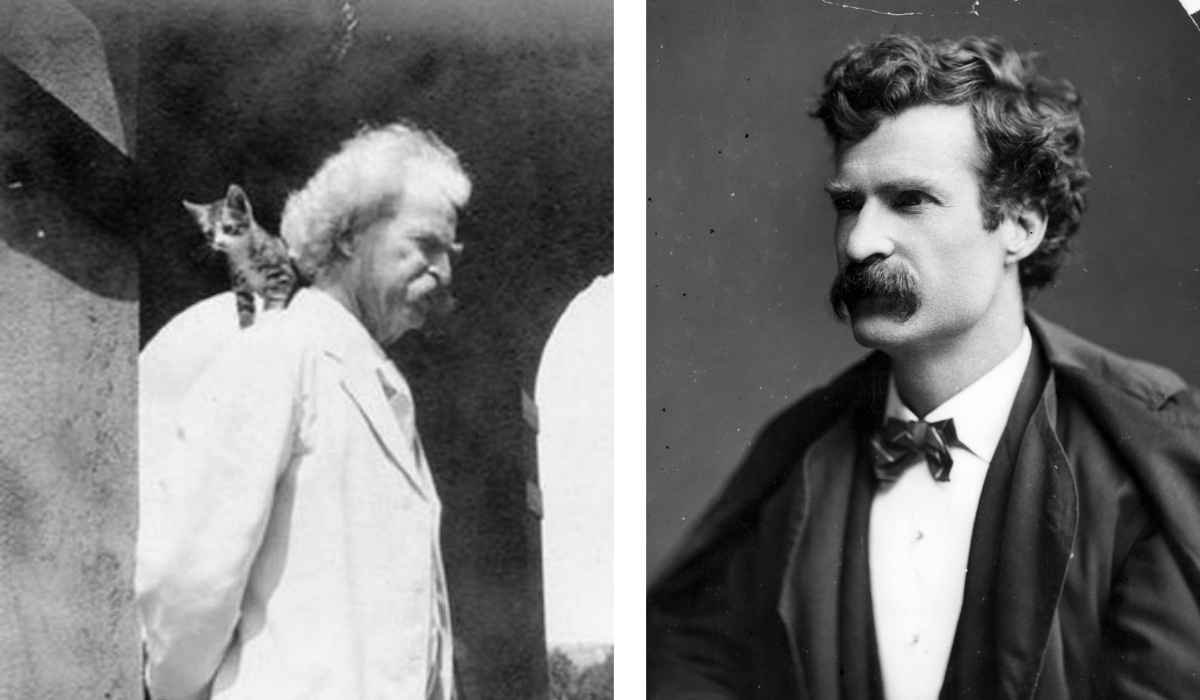
The literary landscape of America remains deeply shaped by the brilliant wit and exceptional storytelling of Mark Twain, whose profound influence continues to resonate through generations of readers. Born as Samuel Langhorne Clemens, this iconic author captured the intricate essence of the human spirit while chronicling the dynamic evolution of nineteenth-century society. His unique ability to blend sharp satire with deep social commentary transformed how literature addressed complex moral dilemmas. Readers across the globe still find themselves drawn to his unforgettable characters, vivid regional settings, and timeless adventures that brilliantly mirror human nature. This comprehensive exploration delves deep into his remarkable background, his celebrated bibliography, and his lasting impact on global culture.
Quick Bio
| Attribute | Detail |
| Birth Name | Samuel Langhorne Clemens |
| Pen Name | Mark Twain |
| Date of Birth | November 30, 1835 |
| Date of Death | April 21, 1910 |
| Birthplace | Florida, Missouri, United States |
| Occupation | Writer, Humorist, Lecturer, Riverboat Pilot |
| Notable Works | Adventures of Huckleberry Finn, The Adventures of Tom Sawyer |
Early Beginnings and Childhood in Missouri
Growing up along the banks of the mighty river deeply shaped the imagination of Mark Twain during his formative youth. Hannibal, Missouri served as a vibrant playground and a profound source of inspiration for his future literary masterpieces. Young Samuel experienced a world filled with diverse characters, dramatic steamboat arrivals, and the rustic charm of antebellum river life. These early observations planted the fertile seeds for stories that would later captivate millions of eager readers around the world. The cultural backdrop of his hometown provided an authentic foundation for the vivid fictional worlds he later constructed with brilliant artistic mastery.
Steamboat Pilot Years on the Mississippi
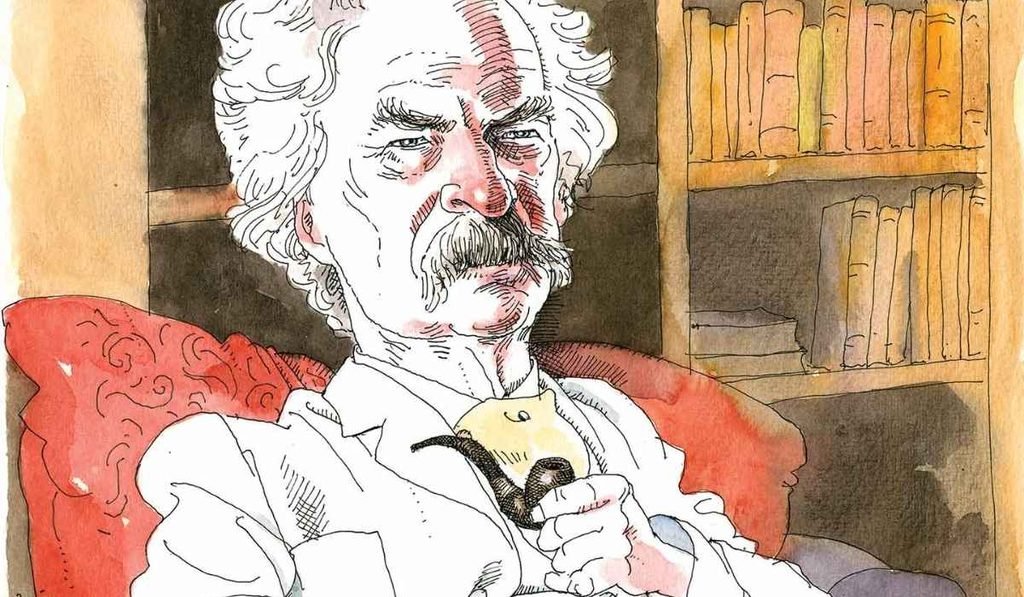
Navigating the treacherous waters of the great waterway gave Mark Twain a unique perspective on American expansion and commerce. Working as a licensed riverboat pilot required immense concentration, courage, and an intimate familiarity with ever-shifting channel depths and hidden sandbars. This adventurous chapter of his life directly inspired some of his most vivid descriptive writing and provided his iconic pen name. The rhythmic cry of safe water soundings echoed through his memories, forever binding his personal identity to the majestic flow of the river. These formative experiences instilled a lifelong appreciation for practical knowledge, observation, and the unpredictable nature of human existence.
Transition to Journalism and Western Adventures
Moving westward toward Nevada and California opened up thrilling new horizons for Mark Twain during a period of rapid social change. Trying his hand at silver mining proved largely unsuccessful, which naturally pushed him toward the thriving world of regional journalism. Writing for local publications allowed him to refine his distinctive comedic voice, sharp storytelling style, and satirical perspective on contemporary politics. Reporting on frontier life offered endless material that amused readers and established his growing reputation as a formidable humorist. This transitional phase successfully bridged his early regional roots with the broader national audience he was destined to conquer.
The Breakthrough Success of Jumping Frog
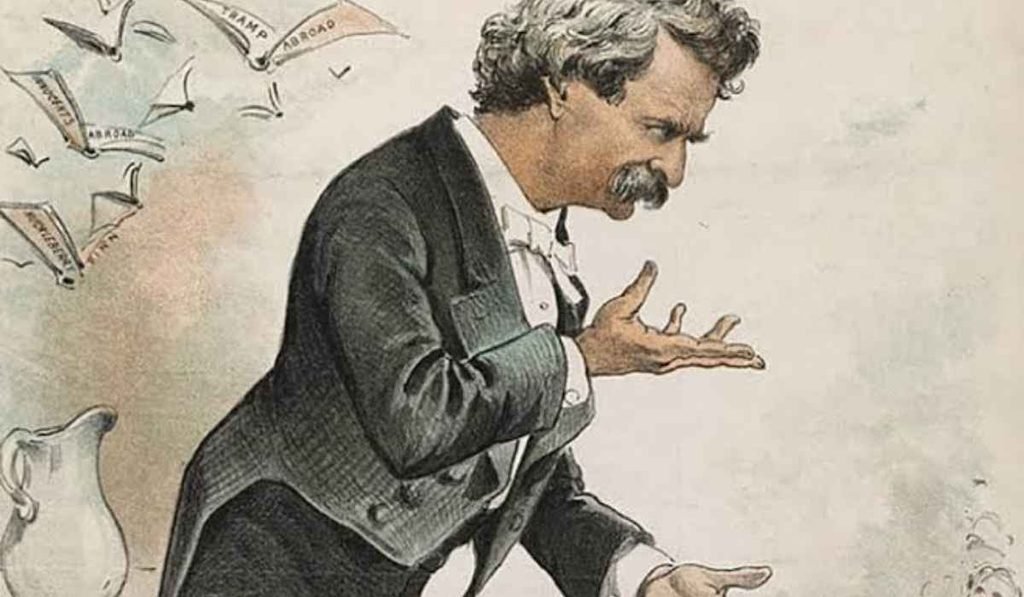
Achieving widespread national recognition began when Mark Twain published his brilliantly humorous tale about a celebrated amphibian in California. The story quickly captured the public imagination, spreading rapidly across newspapers and establishing his signature blend of deadpan humor. Readers delighted in the clever framing of tall tales and the colorful depiction of local characters gathered in dusty mining camps. This critical literary milestone transformed his career trajectory, turning a struggling regional reporter into a nationally celebrated comedic voice. From that moment onward, his writing career gained unstoppable momentum, leading toward legendary literary achievements.
Exploring Innocence Through Tom Sawyer
Capturing the essence of boyhood rebellion and small-town mischief became the hallmark of Mark Twain when he published his iconic novel. The adventures of an imaginative youth navigating moral boundaries along the river charmed readers of all ages with universal appeal. Every whitewashed fence, hidden cave, and Sunday school prank reflected authentic childhood experiences drawn from his own memories. The book brilliantly balanced lighthearted humor with subtle critiques of rigid social conventions and hypocritical adult behaviors. This timeless classic secured his status as a premier architect of American fiction and a master chronicler of youth.
Masterpiece of Freedom in Huckleberry Finn
Deep moral exploration and social critique reached their absolute peak when Mark Twain released his most celebrated literary masterpiece. The journey down the river on a makeshift raft challenged prevailing racial prejudices and exposed the dark institutional realities of slavery. Through the eyes of a resilient outcast, the narrative dismantled conventional morality in favor of genuine human empathy and compassion. Prominent critics have long hailed this profound novel as a cornerstone of national literature due to its daring honesty. The complex relationship between the protagonists remains one of the most powerful explorations of friendship in written history.
International Travels and Travel Writing
Embarking on extensive global voyages provided Mark Twain with endless opportunities to observe foreign cultures and critique institutional hypocrisy. His sharp observations abroad resulted in bestselling travel books that entertained readers while challenging romanticized notions of European history. Whether touring Mediterranean historical sites or visiting distant lands, he maintained a wonderfully skeptical eye toward pretension and artificial grandeur. These journeys expanded his worldview, enriching his lectures and deepening the philosophical undertones of his later satirical essays. His travel writing successfully combined sharp wit with vivid landscape descriptions that transported readers instantly.
Financial Trials and Global Lecturing Tours
Facing severe economic hardships late in life forced Mark Twain into a grueling series of international public speaking engagements. Bad business investments and failed publishing ventures left him drowning in massive debts that weighed heavily upon his conscience. Demonstrating remarkable integrity, he embarked on a massive global tour to honor every financial obligation owed to his creditors. Audiences worldwide flocked to his lectures, captivated by his charismatic stage presence, brilliant delivery, and spontaneous wit. Successfully clearing his debts restored his peace of mind and cemented his reputation as a man of exceptional personal honor.
Embracing Satire and Social Critique
Targeting human greed, political corruption, and religious hypocrisy became a central focus for Mark Twain in his mature writings. His biting essays and dark satires stripped away romantic illusions to expose the harsher truths governing human civilization. Works like his medieval time-travel satire questioned absolute monarchy and technological progress while entertaining audiences with clever comedic setups. He fearlessly utilized his massive platform to advocate for justice, civil rights, and international peace during turbulent eras. This evolution from simple humorist to profound social philosopher deepened the enduring legacy of his extensive literary contributions.
Family Life and Personal Tragedies
Balancing immense public adulation with profound personal heartbreak defined the private world of Mark Twain behind closed doors. His deep devotion to his wife and daughters provided immense joy, yet family losses cast long shadows over his later years. The untimely deaths of close family members shifted his writing tone toward a more cynical and introspective philosophical outlook. Despite these crushing sorrows, he maintained a fierce dedication to his craft, channeling grief into profound artistic expression. His ability to endure personal tragedy while continuing to entertain the world highlights his extraordinary emotional resilience and strength.
Innovative Approaches to Narrative Structure
Pioneering vernacular speech patterns revolutionized how Mark Twain crafted authentic dialogue in nineteenth-century American fiction. He adamantly rejected overly formal British literary traditions in favor of regional dialects that reflected actual human conversation. This democratic approach to language gave voice to marginalized characters, ensuring their stories felt genuine and deeply relatable. His meticulous attention to pacing, timing, and comic delivery set a brand new standard for narrative storytelling and humor. Future generations of writers continuously studied his structural innovations to master the delicate art of engaging regional fiction.
Historical Perspectives and Cultural Commentary
Examining historical eras through a critical lens allowed Mark Twain to comment intelligently on modern political corruption and injustice. Whether exploring Arthurian legends or Renaissance politics, he used historical settings to mirror contemporary societal flaws. His sharp commentary dismantled romantic notions of warfare, imperialism, and social stratification with devastating comedic precision. By questioning established power structures, he encouraged readers to think critically about authority and institutional rules. This fearless commitment to truth-telling remains a vital pillar of his enduring relevance in modern literary education.
The Evolution of His Literary Style
Transforming from a writer of light sketches into a complex literary psychologist marked the career arc of Mark Twain. His early works prioritized broad physical comedy and entertaining escapades, whereas his later writings explored darker psychological depths. This stylistic maturation mirrored his growing disillusionment with human nature and political institutions across the globe. Yet, even his most pessimistic texts retained a sparkling clarity of prose and an unmatched mastery of cadence. Scholars frequently analyze this fascinating artistic evolution to understand the shifting cultural landscape of America during industrialization.
Commemorating Halley Comet Predictions
Aligning his birth and death with the appearance of a famous celestial body immortalized Mark Twain in popular folklore. He famously predicted that since he arrived with the cosmic visitor, he would logically depart when it returned. True to his uncanny prophecy, his passing coincided precisely with the celestial event in nineteen hundred and ten. This poetic final chapter added an extra layer of mystique to an already legendary life filled with dramatic flair. People worldwide still reference this remarkable coincidence when discussing his unique ability to blend reality with theatrical storytelling.
Archival Legacies and Posthumous Publications
Preserving his vast collection of personal papers, letters, and manuscripts became a massive institutional project managed by academic scholars. Mark Twain intentionally restricted the publication of his dictated memoirs until decades after his passing to ensure complete candor. These posthumous releases revealed unfiltered opinions on prominent figures, religion, and philosophy that shocked contemporary audiences. Today, research libraries meticulously maintain these historical archives to support ongoing literary scholarship and biographical studies. Such dedication ensures that future generations can continue exploring the multifaceted mind behind the famous pseudonym.
Enduring Influence on Modern Authors
Shaping the DNA of modern fiction, the literary descendants of Mark Twain span multiple genres and global creative traditions. Iconic twentieth-century novelists praised his storytelling brilliance, acknowledging him as the foundational father of American literature. His influence appears clearly in works that utilize colloquial narration, dark satire, and deep regional identity. Contemporary humorists and journalists frequently cite his style manuals and essays as essential guides for clear communication. This continuous creative inspiration proves that his artistic principles transcend temporal and geographical boundaries completely.
Memorials Museums and Cultural Tourism
Celebrating his rich heritage across multiple states, numerous museums and historic sites honor the life of Mark Twain. Visitors flock to his restored childhood home in Missouri and his grand architectural mansion in Connecticut. These cultural institutions offer immersive educational experiences that showcase his writing desk, personal artifacts, and historical manuscripts. Festivals, theatrical performances, and academic symposiums regularly celebrate his contributions to regional folklore and national identity. Such active preservation guarantees that his physical footprint remains as vibrant as his immortalized literary creations.
Educational Curriculums and Global Study
Translating his books into dozens of languages secured the status of Mark Twain as a global literary icon. Educational systems worldwide include his novels in standard curriculums to teach historical context, grammar, and ethics. Students analyze his clever use of satire to understand how literature can effectively challenge social norms and bigotry. Academic journals continually publish new interpretations of his complex characters and ambiguous moral endings. This rigorous academic engagement ensures his works remain dynamic texts rather than static historical relics.
Philosophical Reflections and Human Nature
Pondering the ultimate meaning of existence occupied the final philosophical writings produced by Mark Twain during his twilight years. His essays questioned human motives, mechanical determinism, and the ethical structures governing civilization with striking candor. While often characterized by deep skepticism, these reflections revealed a profound underlying concern for human suffering and dignity. He challenged individuals to look past comforting illusions and confront reality with clear-eyed honesty and courage. This philosophical depth elevates his status from a regional humorist to a universal thinker of profound importance.
The Eternal Monument of American Humor
Cementing his status as an immortal cultural pillar, the enduring legacy of Mark Twain continues to brighten human culture. His unforgettable stories remind readers of the power inherent in laughter, empathy, and uncompromising honesty. Generations yet unborn will undoubtedly discover the magic of his Mississippi river adventures and satirical brilliance. As long as humanity values sharp wit paired with deep moral conscience, his literary flame will burn brightly. This eternal monument stands as a testament to a extraordinary life dedicated entirely to the exploration of truth.
- What was the real birth name of Mark Twain?
- Samuel Langhorne Clemens
- Which river inspired his famous pen name and early career?
- The Mississippi River
- What was his first major literary success story?
- The Celebrated Jumping Frog of Calaveras County
- Which book is widely considered his greatest masterpiece?
- Adventures of Huckleberry Finn
- In what year did Mark Twain pass away?
- 1910