 Khizar Seo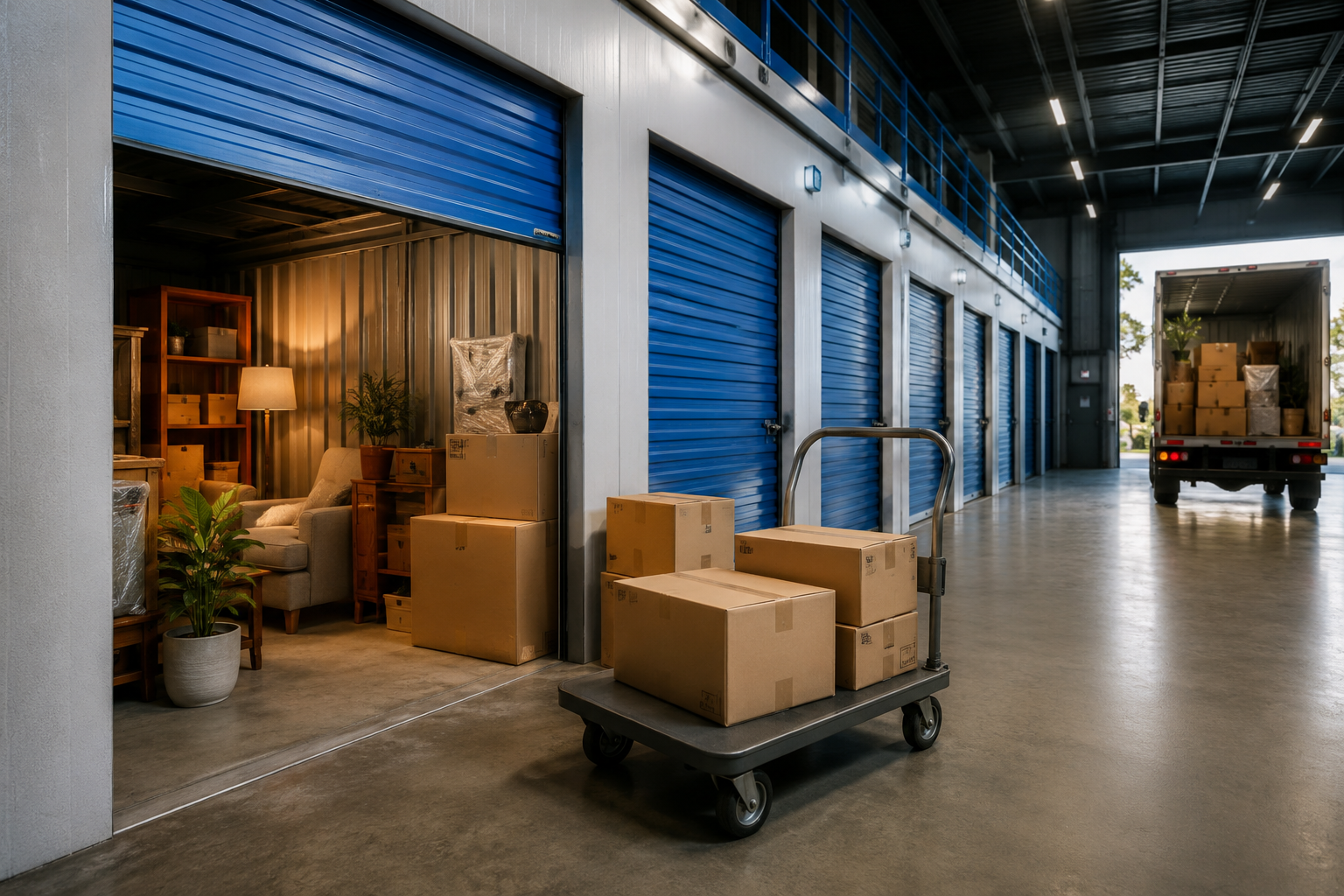
Around week two of most moves, something predictable happens. The boxes that felt so organized on packing day are now stacked three-deep in the hallway, the closing date on the new place got bumped back again, and nobody’s quite sure where the patio furniture is supposed to live until May. It’s not a sign you did anything wrong. It’s usually just the point where storage starts to look less like an extra expense and more like the thing that would actually fix the problem.
This isn’t a hard decision to get right, once you know what you’re actually trying to solve. Below is a walk-through of when storage makes sense in Ottawa, what separates a good option from a mediocre one, and a few mistakes worth skipping.
Why Ottawa Residents Need Storage During a Move
Nobody plans for storage months in advance. It usually comes up mid-situation, and the situations tend to repeat themselves across the city in pretty recognizable ways.
There’s the classic closing-date gap you’ve sold the house in Barrhaven, the new place in Kanata isn’t ready for another three weeks, and paying for a short-term rental just to park a truckload of furniture doesn’t make much sense. A lot of people skip that step entirely and put things into storage instead, then finish the move on their own schedule.
Renovations do something similar. Ripping out flooring or knocking down a wall means the furniture in that room has to go somewhere that isn’t under a tarp for two weeks straight and it’s rarely just one room by the time you account for what has to move out of the way.
Downsizing is its own category. Parents leaving a house in Orleans for a smaller condo usually aren’t ready to make every keep-or-toss decision the same weekend they’re loading the truck. Storage buys them room to sort through things properly instead of under pressure.
Work relocations create a similar bind moving to Ottawa on short notice, or leaving for a few months on assignment, without wanting to sign a lease on a new place before actually seeing the neighborhood.
Anyone who’s rented near uOttawa or Carleton knows the summer scramble too: you can’t keep the lease, but hauling a futon and a mini-fridge back to Kingston or Gatineau for three months isn’t worth it either.
Then there’s the seasonal stuff nobody talks about until it’s a problem winter tires, patio sets, snowblowers, the kayak nobody has room for in a condo storage locker. Ottawa’s climate basically guarantees two full sets of gear at any given time, and not every garage can hold both.
Businesses run into the same issue on a bigger scale. An office move where the new space isn’t quite ready means desks, filing cabinets, and equipment need somewhere to sit in the meantime.
What to Look for in Ottawa Storage Solutions
Storage options aren’t interchangeable, and the right pick depends heavily on what you’re storing and for how long. A handful of things are worth checking before signing anything.
Access matters more than people expect going in. If you’ll need to grab a box of winter clothes mid-move, limited access hours turn into a real annoyance fast. Security is the obvious one monitored entry, individual locks, some record of who’s coming and going but it’s easy to assume a facility has this covered without actually asking.
Flexibility on the storage period is another one that gets overlooked. Some situations call for two weeks, others for six months, and a provider that pushes everyone into a long-term contract regardless isn’t doing you any favors. Space is trickier to judge upfront than most people think (more on that below), and handling matters too every time your things get transferred between truck, unit, and final destination, that’s another chance for something to get scratched or dropped.
It’s also worth asking how furniture and anything fragile actually gets protected, not just whether it does. And pricing should be clear before the truck shows up, not something you find out after the invoice arrives.
Short-Term vs. Long-Term Storage
Short-term storage generally covers days up to a couple of months closing-date gaps, short renovations, the in-between period when you’re slightly ahead of your new place being ready.
Long-term makes more sense when there’s no firm end date attached: gradual downsizing, an extended work assignment, or furniture being held onto for a kid who’ll eventually need it for a first apartment. The distinction isn’t just semantic it changes what actually matters. Short-term storage is mostly about convenience and quick access. Long-term shifts the priority toward how well things hold up over time, which has more to do with climate stability inside the unit than anything else.
Moving and Storage: Why Combining Both Can Be Easier
A lot of people end up treating moving and storage as two completely separate errands book a moving company for the truck, separately track down a storage facility, then figure out how belongings actually get from one to the other. Every extra handoff in that chain is another opportunity for scheduling conflicts, damage, or something just getting misplaced.
When one provider handles both, that complexity mostly disappears. Things get loaded once, moved once, and placed into storage without changing hands repeatedly along the way. OC Movers is set up this way they handle residential and commercial moves across Ottawa and the surrounding area, with storage solutions built into the same service rather than farmed out separately, so the crew that packs and loads everything is also the one managing where it goes in between. If you’re already comparing moving and storage services in Ottawa, it’s worth asking any company you’re looking at whether they can manage both together, rather than booking two separate things and hoping the timing lines up.
How Much Storage Space Do You Actually Need?
A rough rule of thumb: a studio or one-bedroom’s worth of belongings usually fits into something around the size of a walk-in closet. A two- or three-bedroom home tends to need closer to a one-car garage. Anything bigger a full house with a finished basement and garage contents needs more than that, and it adds up faster than people expect.
The most reliable way to estimate is walking through each room and listing the large items specifically sofas, bed frames, dressers, appliances since those determine the footprint far more than the number of boxes does. If you’re unsure which way to round, go slightly bigger. Undersizing usually means stacking furniture in a way that makes it nearly impossible to reach anything without unloading half the unit first.
Tips for Preparing Your Belongings for Storage
A bit of prep before things go into storage saves a surprising amount of hassle later on:
- Clean and dry everything first moisture trapped in fabric or wood doesn’t announce itself until months later, when it’s already a problem
- Disassemble larger furniture where you reasonably can; bed frames and table legs take up far less room broken down
- Label boxes on more than one side, since you won’t always see the top once units get stacked several high
- Wrap anything fragile individually, padded with towels or blankets rather than trusting the box alone
- Set aside whatever you’ll likely need in the next few weeks, and keep it near the front or separate entirely
- Don’t overpack boxes one that’s too heavy to lift properly is one that’s more likely to get dropped
- Keep even a rough inventory list; it’s a lot easier than trying to remember six months from now what’s actually in there
Common Storage Mistakes to Avoid
The same handful of mistakes show up again and again. Renting too much space and paying for it every month is common. So is renting too little and ending up with things crammed in so tight that reaching anything means unpacking half the unit. Skipping protective wrapping is another most damage in storage doesn’t happen during the move itself, it happens from items shifting against each other over weeks or months. Poor labeling causes its own quiet frustration later, usually around the time someone’s digging through five identical boxes looking for winter boots. And transportation gets an afterthought treatment more often than it should, right up until someone realizes combining moving and storage from the start would have saved a whole separate trip.
Choosing the Right Storage Solution in Ottawa
Before settling on anything, it’s worth running through a short list of questions:
- How long do you actually need the space days, weeks, months?
- What’s the largest or most awkward item you’re storing, and does that change the size you need?
- Will you need to get to your things during the storage period, or only at the very end?
- Do you need help getting items to and from the unit, or is that on you?
- Does the pricing structure actually match how long you’ll realistically need it?
Working through those first makes it a lot easier to compare your options honestly, instead of guessing and hoping it works out.
If you’re in the middle of a move and would rather not piece moving and storage together separately, it’s worth a quick call to a local provider to talk through your timeline. A short conversation with a moving professional is usually enough to figure out whether storage makes sense for your situation — and if it does, how to size and schedule it so it actually fits around the rest of the move instead of adding another thing to manage.Contact OC Movers for more information.