
 admin
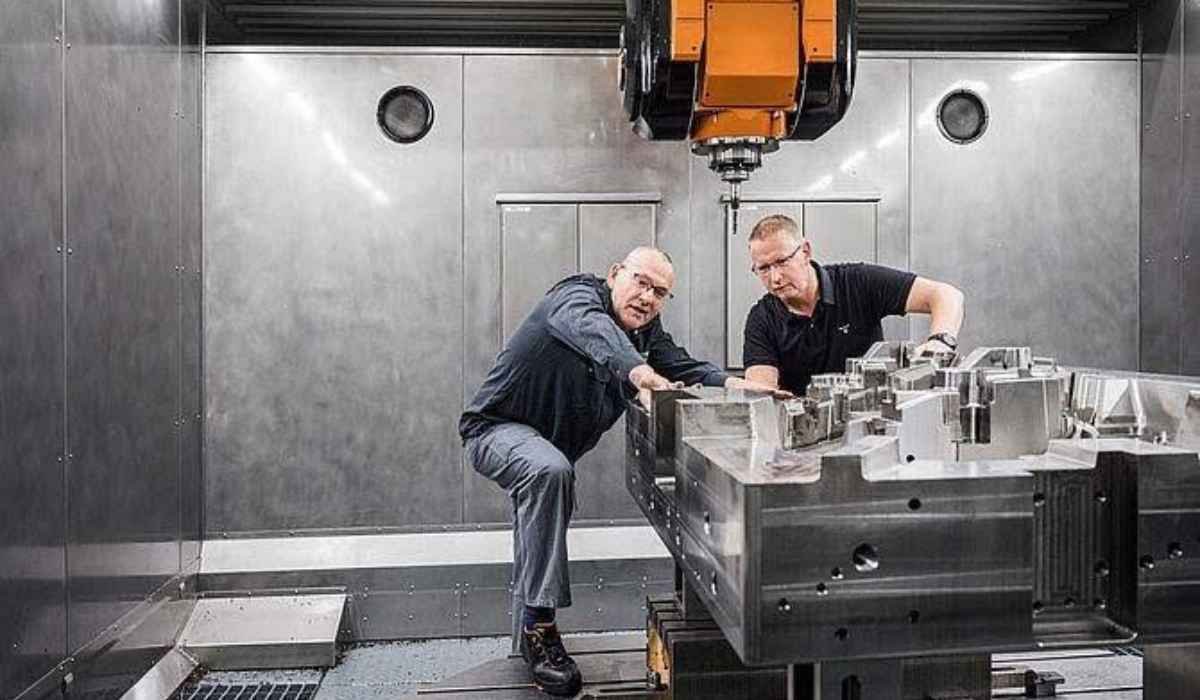
In the modern era of industrial production, achieving consistent quality while keeping manufacturing expenses low remains a primary challenge for businesses worldwide. Companies across automotive, aerospace, and consumer electronics sectors constantly seek innovative fabrication techniques that deliver superior precision without sacrificing structural integrity. Enter repmold, an advanced approach to replicative molding and component engineering that has transformed how complex parts are prototyped and mass-produced. By combining high-grade polymers, precision-machined tooling, and strict thermal controls, this methodology ensures every single unit matches exact specifications, setting a new benchmark for efficiency, repeatability, and long-term performance in contemporary manufacturing environments globally today.
Quick Bio
| Attribute | Details |
| Focus Term | Repmold |
| Primary Category | Industrial Manufacturing & Replicative Molding |
| Core Function | High-precision component replication and tooling |
| Key Industries | Automotive, Aerospace, Electronics, Medical Devices |
| Primary Materials | Thermoplastics, Elastomers, Silicone, Composite Resins |
| Main Advantage | Exceptional dimensional accuracy and cost efficiency |
| Production Scale | Rapid prototyping to high-volume mass production |
| Quality Standard | ISO-compliant tight tolerance engineering |
The Core Concept Behind Modern Replicative Molding
Replicative molding processes rely heavily on creating exact duplicates of a master pattern using specialized cavities and controlled material injection. When engineers utilize repmold methodologies, they focus on eliminating microscopic defects that commonly occur during traditional casting or stamping operations. The process begins with a master model crafted from hardened steel or high-grade aluminum, ensuring the surface finish remains pristine across thousands of cycles. Liquid polymers or molten resins are then introduced under calibrated pressure, filling every intricate contour of the cavity before curing into a solid, durable component ready for immediate assembly in demanding commercial applications worldwide.
Historical Evolution of Precision Molding Techniques
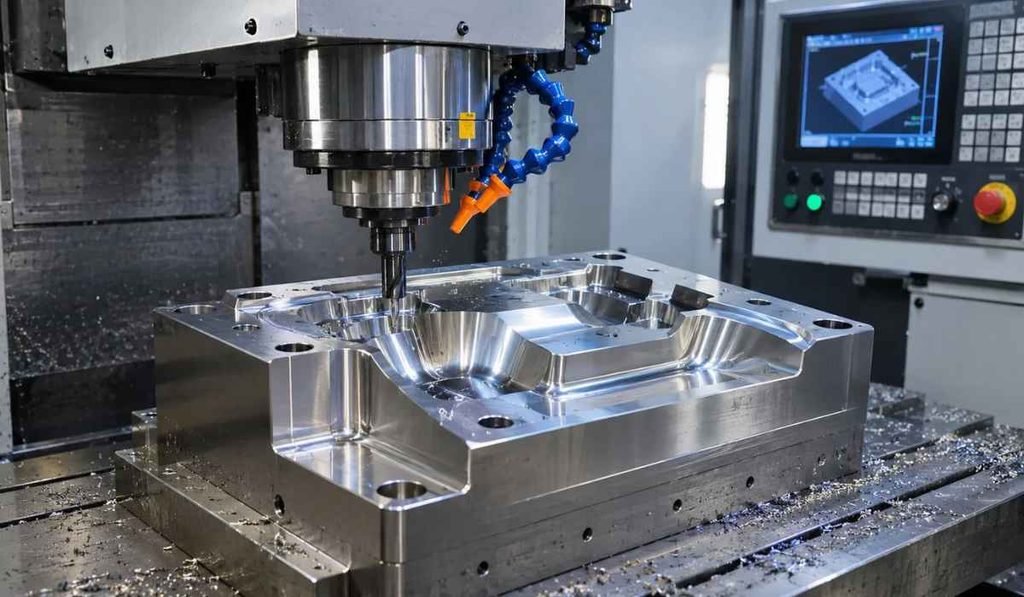
Industrial molding has evolved dramatically from simple hand-carved wooden forms to computer-controlled automated systems capable of micron-level accuracy. Early manufacturers struggled with material shrinkage, uneven cooling, and frequent mold degradation that ruined entire production batches. Over the past several decades, advancements in metallurgy and polymer chemistry paved the way for repmold systems to emerge as reliable alternatives to expensive subtractive machining. Today, computer-aided design software simulates material flow before any physical metal is cut, allowing engineers to predict thermal behavior, optimize gate placement, and achieve unprecedented consistency across millions of identical parts without costly trial-and-error tooling adjustments.
Essential Materials Used in High-Precision Tooling
Selecting the right raw material determines the ultimate strength, flexibility, and lifespan of any molded industrial component. Manufacturers working within a repmold framework evaluate numerous polymers, including polycarbonate, acrylonitrile butadiene styrene, liquid silicone rubber, and reinforced nylon composites. Each resin offers distinct mechanical properties such as heat resistance, chemical stability, and electrical insulation tailored to specific operating environments. Furthermore, the mold cavities themselves require durable tool steels like P20 or H13 to withstand extreme clamping pressures and repetitive thermal cycling, ensuring the tooling maintains sharp edges and smooth surfaces throughout extended multi-year manufacturing runs without premature wear.
Step-by-Step Workflow of the Molding Process
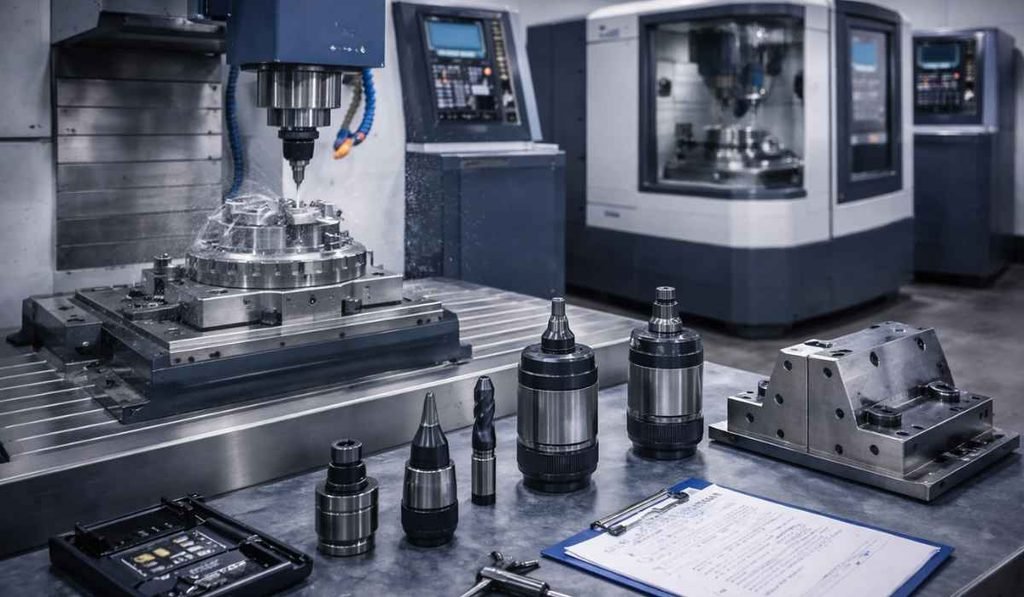
Executing a successful production run requires strict adherence to a well-defined sequence of engineering stages from initial design to final inspection. Every repmold cycle starts with clamping the two halves of the precision-machined die together under hydraulic or electric force. Next, raw polymer pellets are heated until they reach an optimal viscosity and injected rapidly into the closed cavity. Once filled, sustained packing pressure compensates for natural material shrinkage while internal cooling channels circulate temperature-controlled fluid to solidify the part. Finally, the mold opens, ejector pins release the finished component, and automated robotic arms transfer it for quality verification.
Key Advantages for High-Volume Mass Production
Businesses scaling their operations from small pilot batches to global distribution networks require manufacturing methods that balance speed with affordability. Adopting repmold technology provides massive economies of scale because the initial investment in hardened tooling spreads across hundreds of thousands of finished units. Cycle times often measure in mere seconds, enabling factories to produce vast quantities of complex parts daily with minimal manual labor. Additionally, automated material feeding and closed-loop recycling systems reduce raw material waste significantly, allowing manufacturers to maintain competitive pricing while delivering uniform quality that meets strict international regulatory standards across every single shipment.
Applications Across the Automotive and Aerospace Sectors
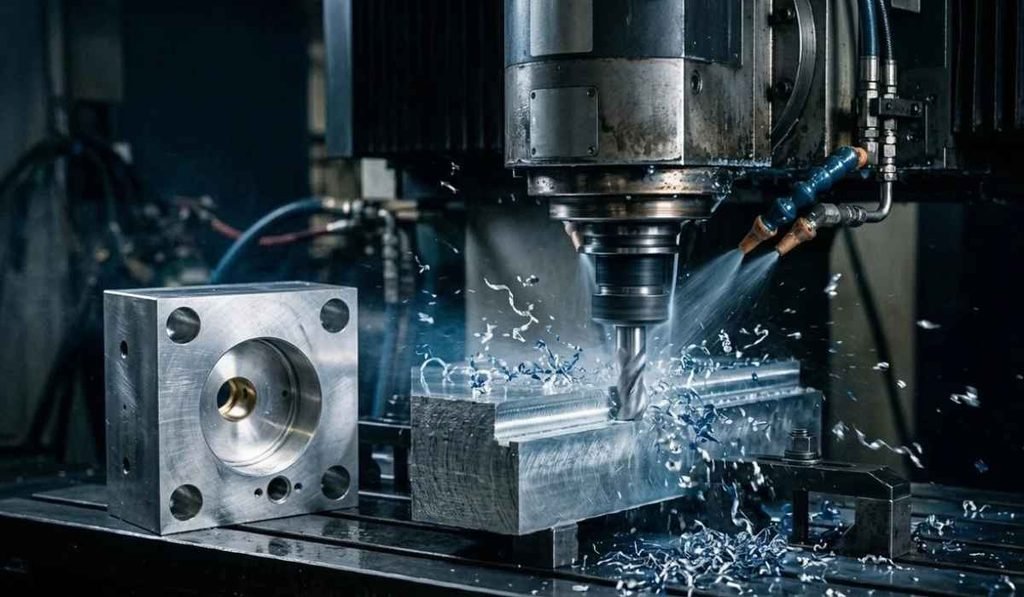
Modern vehicles and aircraft demand lightweight components capable of enduring extreme mechanical stress, vibration, and rapid temperature fluctuations without failure. Engineers frequently specify repmold parts for interior trim panels, fluid reservoirs, sensor housings, electrical connectors, and aerodynamic ducting. By replacing heavy cast-metal brackets with high-strength engineered polymers, automakers and aerospace manufacturers substantially reduce overall vehicle weight, directly improving fuel efficiency and extending electric vehicle battery range. Moreover, the ability to integrate multiple functional features—such as snap-fit clips and mounting bosses—into a single molded piece eliminates secondary assembly steps and reduces potential points of mechanical failure.
Role in Medical Device and Healthcare Manufacturing
Healthcare equipment requires extraordinary cleanliness, biocompatibility, and dimensional repeatability to guarantee patient safety during critical diagnostic and surgical procedures. Within sterile cleanroom environments, repmold processes produce precision syringe barrels, microfluidic diagnostic chips, respiratory masks, and ergonomic surgical instrument handles. Medical-grade silicones and thermoplastics undergo rigorous validation to ensure they resist harsh sterilization methods like autoclaving and gamma radiation without leaching harmful chemicals or warping. Because every cavity produces identical geometries, medical device companies can trust that critical seals, valves, and fluid pathways will function reliably every time a clinician opens a sterile package in the operating room.
Enhancing Consumer Electronics with Micro-Precision Components
Smartphones, wearable fitness trackers, and smart home appliances pack sophisticated circuitry into increasingly compact, sleek, and water-resistant enclosures. Achieving this miniaturization depends heavily on repmold capabilities that form ultra-thin walls, micro-acoustic speaker grilles, and precision gasket seals. Overmolding techniques allow manufacturers to bond soft-touch elastomers directly onto rigid polycarbonate frames, providing drop protection and comfortable ergonomics without messy adhesives. Additionally, specialized conductive polymers shield sensitive internal microchips from electromagnetic interference, ensuring reliable wireless connectivity and crisp audio performance while keeping consumer gadgets lightweight, durable, and visually appealing for everyday use by millions of people globally.
Overcoming Common Manufacturing Defects and Challenges
Even the most advanced production lines encounter technical obstacles when variables like ambient humidity, resin viscosity, or mold temperature drift out of specification. Skilled technicians monitor repmold operations continuously to prevent common flaws such as sink marks, warpage, short shots, and unsightly flash along parting lines. Utilizing cavity pressure sensors and thermal imaging cameras enables real-time process adjustments before defective parts ever leave the machine. Proper venting channels also allow trapped air to escape smoothly during high-speed injection, preventing burn marks and ensuring complete cavity fill even in areas featuring intricate ribbing or razor-thin geometric cross-sections.
Sustainability and Eco-Friendly Practices in Modern Molding
Environmental responsibility has become a top priority for industrial leaders seeking to minimize carbon footprints and reduce plastic waste in global supply chains. Contemporary repmold facilities actively integrate post-industrial recycled resins, bio-based polymers, and closed-loop water cooling systems to conserve natural resources. All-electric molding machines consume up to fifty percent less energy than older hydraulic presses while operating quieter and cleaner without hydraulic oil leaks. Furthermore, hot-runner manifold systems eliminate solid sprue and runner scrap entirely, ensuring virtually one hundred percent of melted resin goes directly into functional end-use products rather than ending up in landfills.
Quality Control and Dimensional Inspection Standards
Maintaining zero-defect output requires rigorous verification protocols at every stage of the manufacturing lifecycle from incoming raw resin testing to final shipment audits. Quality engineers overseeing repmold production utilize coordinate measuring machines, optical comparators, and automated vision systems to inspect critical dimensions down to thousandths of a millimeter. Statistical process control charts track key parameters across shifts, alerting operators immediately if measurements begin trending toward tolerance limits. Non-destructive testing methods, including ultrasonic scanning and pressure decay leak checks, confirm internal structural soundness, giving industrial clients complete confidence that every delivered batch performs flawlessly in the field.
Cost Optimization Strategies for Tooling and Production
Managing capital expenditure effectively is essential when launching new hardware products in competitive commercial markets with tight profit margins. Businesses leveraging repmold solutions can substantially lower upfront tooling costs by designing parts with uniform wall thicknesses, generous draft angles, and minimal undercuts. Avoiding unnecessary side-actions or complex lifters simplifies mold construction and reduces ongoing maintenance expenses over the tool’s operational lifespan. Partnering early with experienced mold-makers during the initial design-for-manufacturability phase allows engineers to identify cost-saving opportunities before steel cutting begins, accelerating time-to-market while maximizing return on investment across the entire product lifecycle.
Integrating Automation and Industry 4.0 Technologies
Smart factories are rapidly transforming traditional shop floors into interconnected digital ecosystems driven by real-time data analytics and autonomous robotics. Inside a modern repmold facility, six-axis robots remove freshly molded parts, trim excess gates, apply decorative labels, and pack finished goods into shipping cartons without human intervention. Internet-of-Things sensors mounted on presses stream cycle times, barrel temperatures, and energy consumption metrics directly to cloud dashboards. Predictive maintenance algorithms analyze machine vibration patterns to schedule component replacements before unexpected breakdowns occur, maximizing overall equipment effectiveness and ensuring uninterrupted delivery schedules for demanding global customers.
Comparing Replicative Molding with Additive Manufacturing
Product developers frequently weigh traditional molding against industrial three-dimensional printing when planning production runs for newly engineered components. While additive manufacturing excels at creating rapid single-unit prototypes without tooling delays, repmold processes remain unmatched once production volumes exceed a few hundred pieces. Molded parts exhibit superior isotropic strength, smoother surface finishes, and far lower per-unit costs compared to layer-by-layer printed alternatives. Many forward-thinking companies now combine both technologies seamlessly, using three-dimensional printing to validate early ergonomic concepts and produce conformal-cooled mold inserts that dramatically accelerate cycle times during subsequent high-volume molding runs.
Design Guidelines for Optimal Part Performance
Creating a manufacturable component requires engineers to respect the physical behavior of molten polymers as they flow, cool, and shrink inside metal cavities. When drafting specifications for a repmold project, designers must maintain consistent wall thickness throughout the part to prevent differential cooling rates that cause twisting or internal stress. Adding generous corner radii improves material flow and eliminates sharp stress concentrators that could crack under mechanical impact. Incorporating appropriate draft angles along vertical walls ensures parts release cleanly from the core without scuffing, preserving cosmetic textures and extending the operational longevity of expensive precision tooling.
Rapid Prototyping and Bridge Tooling Solutions
Bringing an innovative product to market quickly often requires bridging the gap between initial functional prototypes and full-scale hardened steel production molds. Utilizing repmold bridge tooling made from aircraft-grade aluminum alloys enables manufacturers to produce thousands of end-use parts within weeks rather than months. Aluminum dissipates heat much faster than steel, shortening cooling cycles while allowing easy machining modifications if market feedback requires minor geometric tweaks. This agile approach empowers startups and established enterprises alike to validate market demand, conduct field trials, and generate early revenue while final high-cavitation steel production molds are being fabricated.
Maintenance Best Practices to Extend Mold Lifespan
Precision molds represent substantial capital assets that require disciplined preventive care to deliver consistent performance across millions of production cycles. Technicians responsible for repmold equipment follow strict cleaning schedules after every run to remove polymer residue, moisture, and corrosive gases from vent channels and cavity surfaces. Applying specialized rust-preventive coatings before storing tools protects polished steel faces from ambient humidity. Regular inspection and lubrication of guide pins, bushings, and ejector systems prevent metal-on-metal galling, ensuring smooth mechanical alignment and avoiding costly unscheduled downtime that could disrupt critical customer supply commitments.
Navigating Supply Chain Logistics and Global Sourcing
Selecting the right manufacturing partner involves evaluating technical capabilities, geographic proximity, intellectual property protection, and logistical reliability. Companies sourcing repmold components increasingly favor regionalized supply chains that reduce ocean freight delays, minimize tariff exposure, and simplify on-site engineering collaboration. Auditing potential suppliers for ISO certifications, cleanroom infrastructure, and financial stability ensures long-term partnership security. Transparent communication channels and standardized digital file sharing prevent costly misunderstandings during tooling fabrication, enabling seamless coordination between product designers, resin suppliers, and production floor managers across international borders.
Safety Protocols and Operator Training Standards
Operating high-tonnage molding machinery involves intense heat, elevated hydraulic pressures, and heavy moving steel platens that demand uncompromising workplace safety standards. Every modern repmold facility enforces strict lockout-tagout procedures, interlocked safety gates, and light curtains that immediately halt machine motion if an operator enters a hazardous zone. Comprehensive training programs certify technicians in safe resin handling, proper purge procedures, and ergonomic material lifting techniques. Cultivating a proactive safety culture protects skilled workers from injury while reducing equipment damage, ensuring smooth, compliant, and productive manufacturing operations every single day of the year.
Future Trends Shaping the Next Decade of Molding
Continuous innovation in material science, artificial intelligence, and micro-fabrication promises to expand manufacturing capabilities far beyond current industrial boundaries. Next-generation repmold systems will increasingly utilize self-optimizing neural networks that automatically adjust injection profiles in milliseconds to compensate for batch-to-batch variations in recycled polymer feedstocks. Advances in nano-imprint lithography and ultra-precision micromachining are unlocking new applications in optical lenses, lab-on-a-chip diagnostics, and solid-state battery separators. As sustainability mandates tighten worldwide, biodegradable biopolymers and energy-neutral electric presses will define the gold standard for clean, intelligent, and ultra-precise component manufacturing across every major global industry.
Frequently Asked Questions
- What is the primary purpose of repmold technology in modern manufacturing?
- It enables high-precision, repeatable mass production of complex polymer and composite components with tight dimensional tolerances and minimal material waste.
- Which industries benefit most from using repmold processes?
- Automotive, aerospace, medical device manufacturing, and consumer electronics rely heavily on this method for durable, lightweight, and consistent parts.
- How does repmold differ from industrial 3D printing?
- While 3D printing builds parts layer-by-layer for low-volume prototypes, replicative molding injects material into precision cavities for superior strength and lower high-volume costs.
- What materials are commonly used in repmold production runs?
- Manufacturers frequently use thermoplastics like polycarbonate and ABS, liquid silicone rubber, elastomers, and fiber-reinforced engineering resins.
- Why is preventive maintenance critical for repmold tooling?
- Regular cleaning, lubrication, and inspection prevent surface corrosion, mechanical wear, and dimensional defects, extending mold life across millions of cycles.