 admin
admin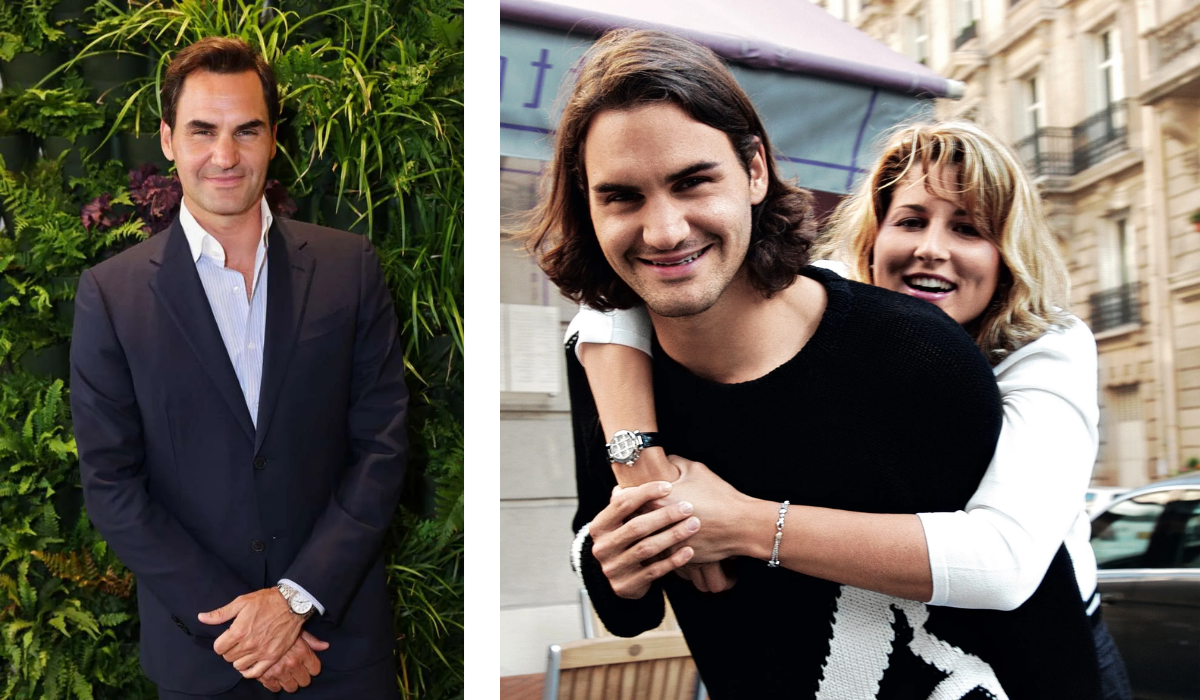
Few athletes in the history of modern sports have captured the imagination of fans quite like Roger Federer. Born in Basel, Switzerland, on August 8, 1981, this legendary tennis maestro transformed the global landscape of tennis through sheer elegance, unmatched sportsmanship, and breathtaking skill. Over a stellar professional career spanning more than two decades, he redefined what greatness looked like on the court, capturing twenty Grand Slam singles titles and holding the world number-one ranking for an astounding 310 weeks. Beyond the statistics and trophy lifts, Roger Federer remains a global cultural phenomenon whose grace under pressure inspired millions of aspiring athletes worldwide.
Quick Bio Overview
| Attribute | Details |
| Full Name | Roger Federer |
| Date of Birth | August 8, 1981 |
| Birthplace | Basel, Switzerland |
| Profession | Professional Tennis Player (Retired) |
| Grand Slam Titles | 20 |
| Career Singles Titles | 103 |
Early Childhood Beginnings in Basel
Growing up in the quiet neighborhoods near Basel, Roger Federer displayed an early and intense passion for various sports, though tennis quickly captured his primary focus. His parents supported his athletic ambitions, allowing him to join local clubs where his natural hand-eye coordination immediately stood out to youth instructors. Even as a young child, he spent countless hours practicing against walls and watching professional matches on television, absorbing tactical nuances far beyond his years. These formative years in Switzerland laid the essential groundwork for a career that would eventually alter the history books of professional sports.
Discovering a Passion for Tennis
The transition from a casual junior player to a dedicated competitor happened swiftly as Roger Federer began entering regional youth tournaments across Switzerland. He loved the individual nature of the sport, where success or failure rested entirely on his own shoulders, driving him to analyze every single match he played. Despite occasional bouts of youthful frustration when matches did not go his way, his underlying love for the game kept him anchored to the practice courts. This deep-seated passion became the engine that propelled him through grueling training sessions and early competitive setbacks, shaping his elite mindset.
Rising Through the Junior Ranks
By his early teens, Roger Federer was widely recognized as one of the most promising prospects in Swiss tennis, prompting him to move away from home to train at the national tennis center. This environment exposed him to higher competition levels, forcing him to adapt his playing style and accelerate his technical development against older players. Winning the Swiss junior championship at age fourteen marked a critical turning point that validated his immense potential to coaches and family members alike. He continued refining his aggressive all-court game, setting his sights firmly on conquering the international junior circuit.
Turning Professional in Ninety Eight
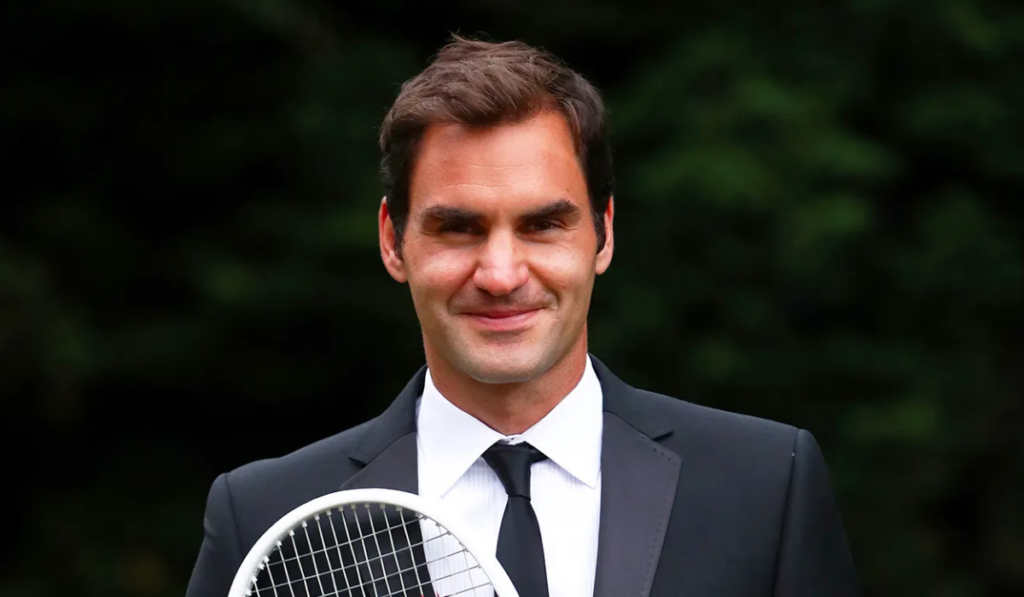
The year 1998 proved pivotal as Roger Federer officially transitioned to the professional tennis circuit, eager to test his skills against seasoned veterans. That same year, he captured the prestigious Wimbledon junior singles title and triumphed at the Orange Bowl in Miami, signaling to the global tennis community that a major new star was arriving. Transitioning from juniors to the grueling ATP tour demanded immense physical and mental adjustment, yet he embraced the challenge with characteristic optimism. Every match served as a profound learning experience, steadily hardening his competitive edge against world-class professionals.
Breaking Through on the ATP Tour
Navigating the early professional years required immense patience, but Roger Federer steadily climbed the rankings through disciplined play and breakthrough performances on various court surfaces. His maiden ATP singles title, won in Milan in 2001, served as a major psychological milestone that proved he could conquer the tour’s toughest pressure moments. During this period, he also famously defeated his childhood idol Pete Sampras on the grass courts of Wimbledon, a symbolic passing of the torch that foreshadowed his future dominance. Fans and analysts alike began noticing his effortless movement and fluid shot-making repertoire.
Conquering Wimbledon for the First Time
The defining moment of his early career arrived in 2003 when Roger Federer hoisted his very first Grand Slam trophy on the historic grass courts of Wimbledon. Playing with breathtaking creativity and laser-like focus, he navigated the fortnight with supreme confidence, defeating formidable opponents with his signature one-handed backhand and lethal serve. This monumental victory lifted a massive weight off his shoulders, validating years of grueling sacrifice and transforming him into a national hero in Switzerland. It also marked the official dawn of a historic era defined by his unprecedented tennis supremacy.
Reaching the Summit as World Number One
Following his maiden major triumph, Roger Federer embarked on a historic ascent to the summit of the ATP rankings, claiming the world number-one spot in February 2004. He dominated the tour with a level of consistency rarely seen before, winning three out of the four Grand Slam tournaments in a single calendar year and establishing an aura of invincibility. His record-breaking streak of 237 consecutive weeks at the top of the rankings demonstrated his extraordinary mental fortitude and physical durability. Opponents struggled to find tactical weaknesses against his versatile, proactive, and beautifully fluid playing style.
Mastering All Three Court Surfaces
Unlike many specialists of his era, Roger Federer achieved rare greatness by mastering hard courts, grass courts, and clay courts with equal tactical brilliance. Completing his career Grand Slam by winning the French Open in 2009 cemented his status as a complete player capable of conquering any tennis environment on earth. Whether gliding effortlessly across the lawns of SW19 or sliding smoothly on European red clay, his footwork remained a masterclass in balance and economy of motion. This supreme versatility allowed him to remain a dominant championship threat across multiple generations of tennis competitors.
Legendary Rivalries That Defined an Era
The career of Roger Federer will forever be intertwined with his epic rivalries against fellow legends Rafael Nadal and Novak Djokovic. These historic showdowns produced some of the most dramatic, high-quality tennis matches ever witnessed, captivating billions of viewers across the globe. While their battles on the court were fierce and uncompromising, their mutual respect off the court highlighted the profound sportsmanship that defined men’s tennis during their golden era. These legendary clashes elevated the sport to unprecedented global heights and pushed each champion to achieve unimaginable athletic feats.
Overcoming Injuries and Aging Defiantly
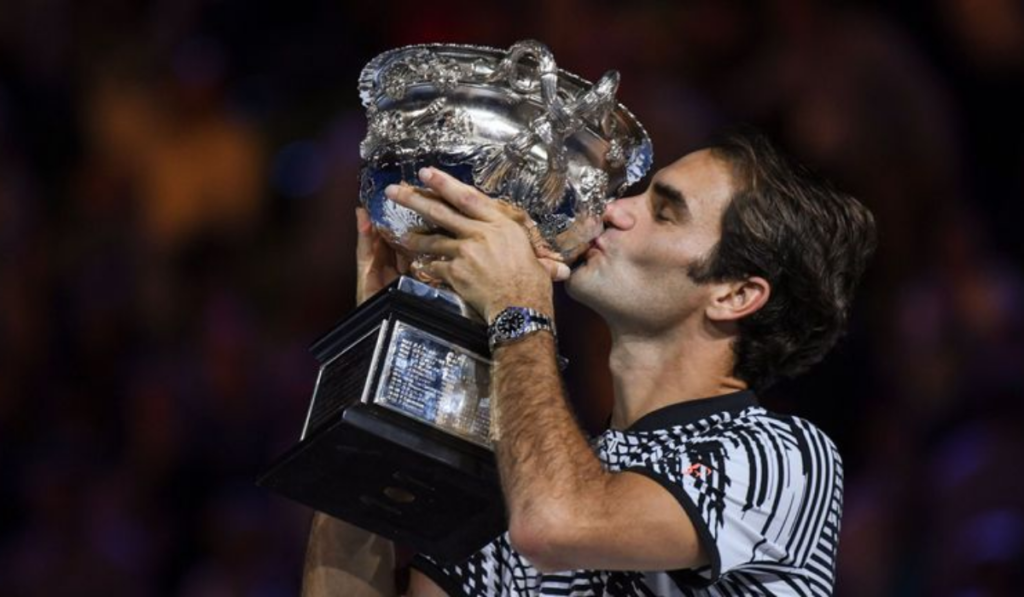
As physical wear and tear accumulated over two decades of elite competition, Roger Federer faced severe injury challenges that threatened to derail his illustrious career prematurely. Rather than accepting decline, he meticulously adapted his schedule, modified his equipment, and evolved his tactical approach to stay ahead of younger, more powerful hitters. His triumphant return to win the Australian Open in 2017 after a lengthy injury layoff stands as one of the greatest comeback stories in sports history. This remarkable resilience endeared him even more deeply to fans who appreciated his refusal to surrender to time.
Philanthropic Impact Through His Foundation
Away from the competitive pressure of professional tournaments, Roger Federer dedicated immense energy and personal wealth to charitable initiatives around the world. Established early in his career, the Roger Federer Foundation focuses on providing quality education and early childhood development opportunities for vulnerable children in southern Africa and Switzerland. His deep commitment to social causes proved that his legacy extended far beyond tennis trophies, reflecting a genuine desire to uplift underprivileged communities. Through targeted fundraising events and personal advocacy, he transformed countless young lives for the better.
Global Cultural Icon and Fashion Symbol
Beyond his athletic achievements, Roger Federer evolved into a global cultural icon, recognized universally for his impeccable taste, elegance, and understated charm. Major international brands sought his partnership, cementing his status as one of the most marketable and respected figures in the history of global athletics. Despite achieving astronomical fame and wealth, he maintained a remarkably grounded personality, treating fans, media personnel, and competitors with unfailing warmth and dignity. His unique ability to blend high-performance athleticism with timeless sophistication created a blueprint for modern sports stardom.
The Emotional Farewell at the Laver Cup
The inevitable conclusion to his legendary playing career arrived in September 2022, when Roger Federer announced his retirement from professional tennis. Surrounded by his greatest rivals and dearest friends at the Laver Cup in London, his emotional farewell match offered a poignant moment of closure for the entire sports world. Tears flowed freely as fans and fellow competitors paid tribute to an extraordinary career that had defined an entire generation of sport. Though he laid down his professional racket, his profound influence on the game remained completely undiminished.
Preserving a Peerless Record Book
The statistical legacy left behind by Roger Federer reads like a masterclass in athletic dominance, featuring marks that may stand the test of time. With 103 ATP singles titles, eight coveted Wimbledon crowns, and 310 total weeks spent perched at world number one, his name is etched permanently into sports history. Each record tells a story of relentless dedication, tactical mastery, and an unwavering commitment to excellence under immense pressure. Modern players continue to study his matches, striving to emulate the tactical fluidity and psychological poise that made him virtually unbeatable at his peak.
Mentorship and Inspiring Future Generations
In retirement, Roger Federer continues to shape the future of tennis by mentoring young talents, supporting sports development programs, and sharing his invaluable wisdom. Young players look up to his historic career as the ultimate standard of how to combine fierce competitive drive with absolute grace and humility. Whether offering advice to rising academy prospects or appearing at premier tennis championships as an honored guest, his presence remains a comforting constant for the sport. He ensures that the values of fair play and elegance continue to guide the next wave of tennis champions.
Inducted Into the Tennis Hall of Fame
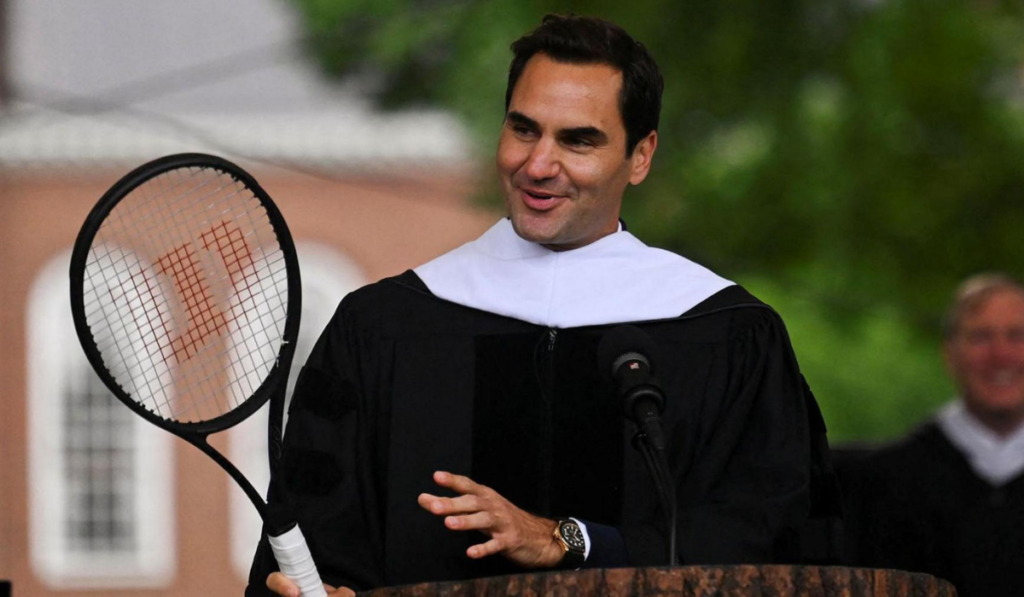
The culmination of his monumental contributions to the sport was honored with his prestigious induction into the International Tennis Hall of Fame. Standing among the immortals of the sport, Roger Federer reflected on a life completely transformed by a simple childhood dream in Switzerland. The induction ceremony brought together fans, family members, and former colleagues to celebrate a career that transcended mere statistics and touched human hearts globally. It solidified his rightful place as one of the definitive pillars upon which modern tennis history is built.
Reflections on a Timeless Legacy
Reflecting on the extraordinary journey of Roger Federer reveals a narrative built on passion, resilience, artistic expression, and unyielding character. He changed how the game is played, injecting a sense of poetry and effortless precision into every stroke he executed on the court. Long after the final tennis ball has been struck, his legacy will endure through the countless individuals inspired by his extraordinary life and career. He remains forever the Swiss Maestro, a timeless symbol of athletic perfection and human dignity.
Frequently Asked Questions
- What was the total number of Grand Slam singles titles won by Roger Federer?
- Roger Federer captured a remarkable 20 Grand Slam singles titles throughout his illustrious career.
- How many weeks did Roger Federer spend as the world number-one tennis player?
- He held the coveted ATP world number-one ranking for a total of 310 weeks.
- How many Wimbledon singles titles did Roger Federer win?
- He secured an all-time record of 8 men’s singles titles at Wimbledon.
- In which year did Roger Federer officially retire from professional tennis?
- He officially retired from the professional tennis tour in September 2022.
- What is the name of the charitable organization founded by Roger Federer?
- He established the Roger Federer Foundation to support educational projects for children.