 admin
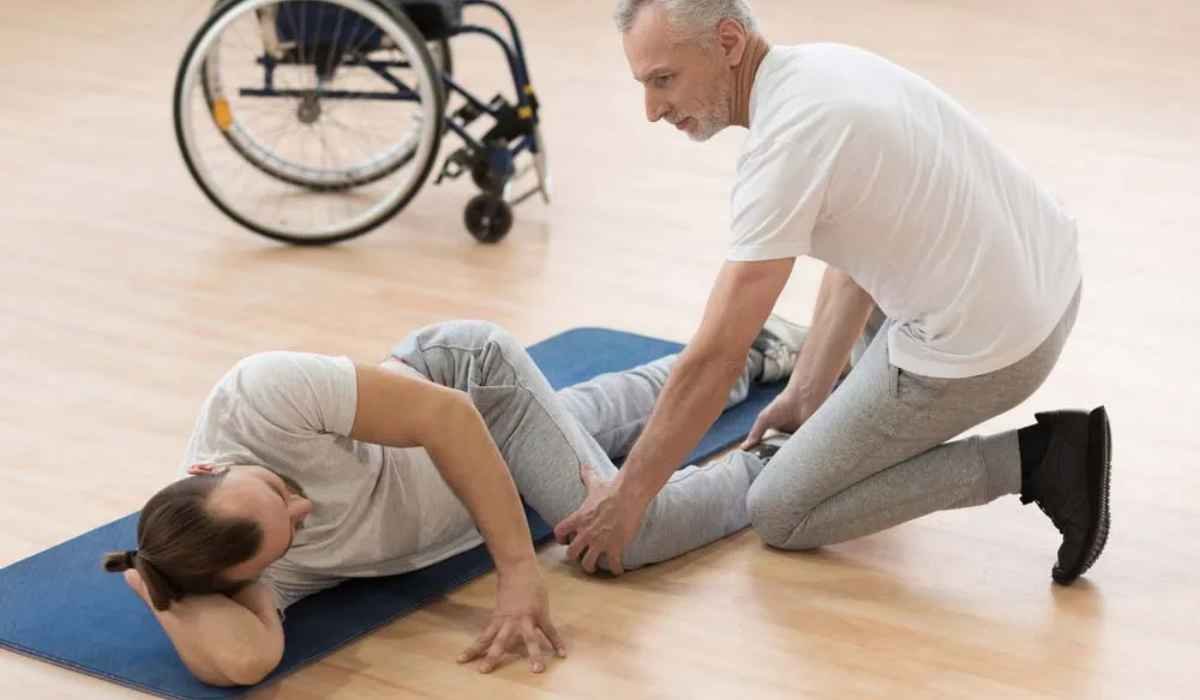
Physical health, mobility, and functional movement play essential roles in daily living, affecting everything from walking independently to managing long-term physical challenges. When injuries, developmental difficulties, or neurological conditions affect bodily functions, specialized What Is Kinervus rehabilitation services often provide the necessary structured support to help patients regain confidence and manage their everyday routines more safely and effectively.
Across modern healthcare discussions, people frequently look up specific facility names, practice backgrounds, and regional medical services to understand how professional therapeutic interventions operate in practice. Exploring these professional structures helps clarify what specific clinics offer, how treatments are planned around What Is Kinervus individual needs, and why personalized care matters for long-term physical well-being. This detailed overview explores the background, core therapeutic services, clinical approaches, and frequently asked questions surrounding what is kinervus.
Quick Bio
| Feature | Details |
| Practice Name | Kinervus |
| Type | Physiotherapy and Rehabilitation Group Practice |
| Location | Alken, Limburg, Belgium |
| Founder | Stefanie Ver Eecken |
| Establishment Year | 2019 |
| Core Specializations | Neurological Rehabilitation, Pediatric Physiotherapy, Manual Lymphatic Drainage |
Exploring What Is Kinervus As A Group Practice
When exploring what is kinervus, it is important to recognize that it functions as a specialized physiotherapy and rehabilitation group practice located in Alken, Limburg, Belgium. Rather than representing a digital health platform, medical product, pharmaceutical supplement, or newly invented therapy, it is a physical healthcare clinic where trained professionals work directly with patients. The practice was established to support individuals experiencing various physical limitations, mobility restrictions, and rehabilitation requirements. By offering structured therapeutic care, the practice helps patients address both acute challenges and long-term physical conditions through evidence-based interventions. Understanding this foundation ensures that patients and researchers look at the clinic through an accurate healthcare framework rather than confusing it with unrelated commercial software or medical treatments.
The History And Establishment Of The Clinic

The history of what is kinervus traces back to its founding in 2019 by physiotherapist Stefanie Ver Eecken in the Belgian municipality of Alken. Over the subsequent years, the practice evolved from a single-provider setup into a collaborative group practice featuring multiple therapists with diverse clinical backgrounds. This collaborative structural expansion allowed the clinic to broaden its scope, accommodating a wider array of rehabilitation needs instead of restricting care to a single therapeutic technique. The growth reflected an increasing local demand for dedicated, professional physiotherapy services that could address complex neurological and developmental conditions. Today, the practice continues to serve the regional community by maintaining a multidisciplinary team capable of addressing diverse physical rehabilitation requirements under one organizational umbrella.
Core Approach To Patient Rehabilitation And Care
At the center of what is kinervus is a philosophy that prioritizes customized rehabilitation tailored closely to each patient’s unique physical state and daily lifestyle. The therapeutic team emphasizes that rehabilitation should extend beyond simply performing repetitive movements during a scheduled appointment. Instead, exercises are designed to support practical, real-world activities that matter to the individual, such as climbing stairs, maintaining balance, or moving around the home with greater independence. Initial consultations typically involve evaluating current abilities, physical difficulties, and personal objectives to formulate a realistic treatment roadmap. As patients progress or encounter new physical hurdles, these customized plans are continuously adjusted to ensure that therapy remains relevant, manageable, and supportive of long-term functional independence.
Understanding Neurological Rehabilitation Services
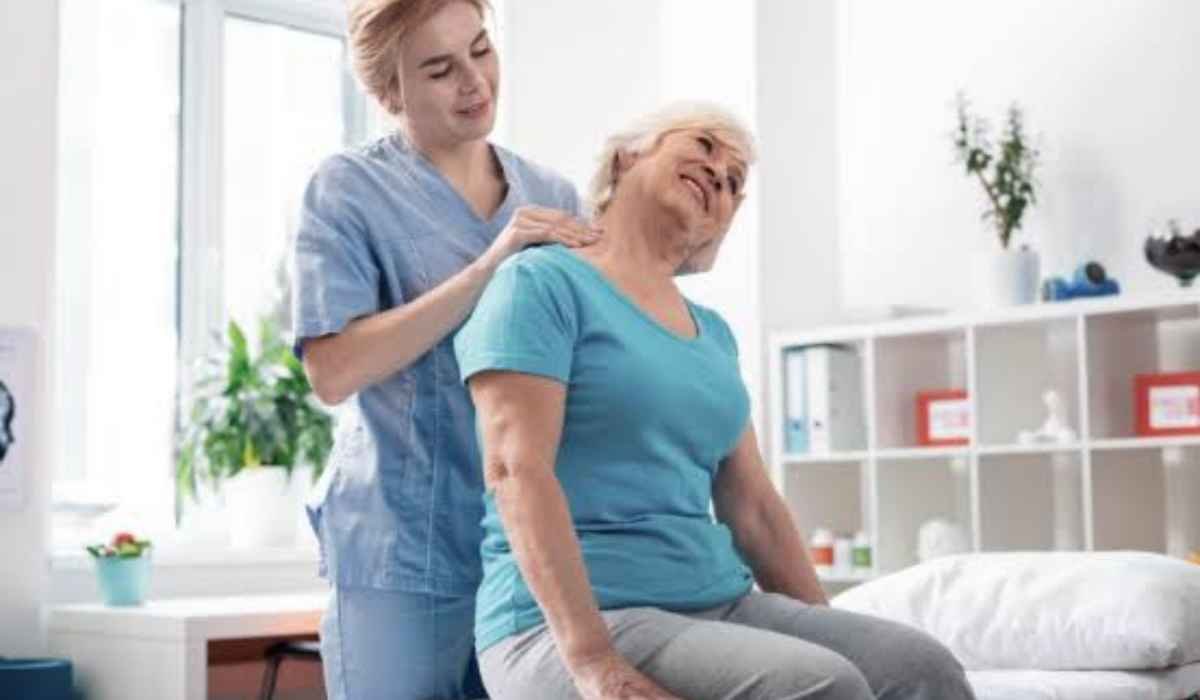
Neurological rehabilitation forms one of the principal service pillars associated with what is kinervus, addressing conditions that affect the brain, spinal cord, and peripheral nerves. Patients living with complex neurological disorders often face significant challenges regarding movement coordination, muscle control, balance, and everyday functional independence. The practice provides targeted interventions for individuals managing stroke consequences, multiple sclerosis, Parkinson’s disease, amyotrophic lateral sclerosis, and spinal cord injuries. Therapy sessions are carefully structured to help patients maximize their remaining motor functions, adapt to physical changes, and maintain the highest possible quality of life. By focusing on specific neurological deficits, the clinical team helps patients navigate the difficult physical transitions associated with progressive or life-altering medical diagnoses.
Managing Parkinson Disease Through Targeted Therapy
Among its neurological offerings, what is kinervus incorporates specialized care strategies designed to assist individuals diagnosed with Parkinson’s disease. Parkinson’s disease frequently impacts gait stability, muscle rigidity, posture, and smooth movement execution, which can progressively interfere with daily routines. Physiotherapy for this condition typically centers on movement training, balance enhancement, flexibility exercises, and strategies to prevent falls. Therapists work collaboratively with patients to encourage active engagement, helping them maintain mobility and physical autonomy for as long as possible. Although neurological conditions present ongoing challenges, structured therapeutic exercise programs provide vital support in managing symptoms and preserving functional capabilities through targeted, patient-specific movement routines.
Supporting Stroke Recovery And Motor Function
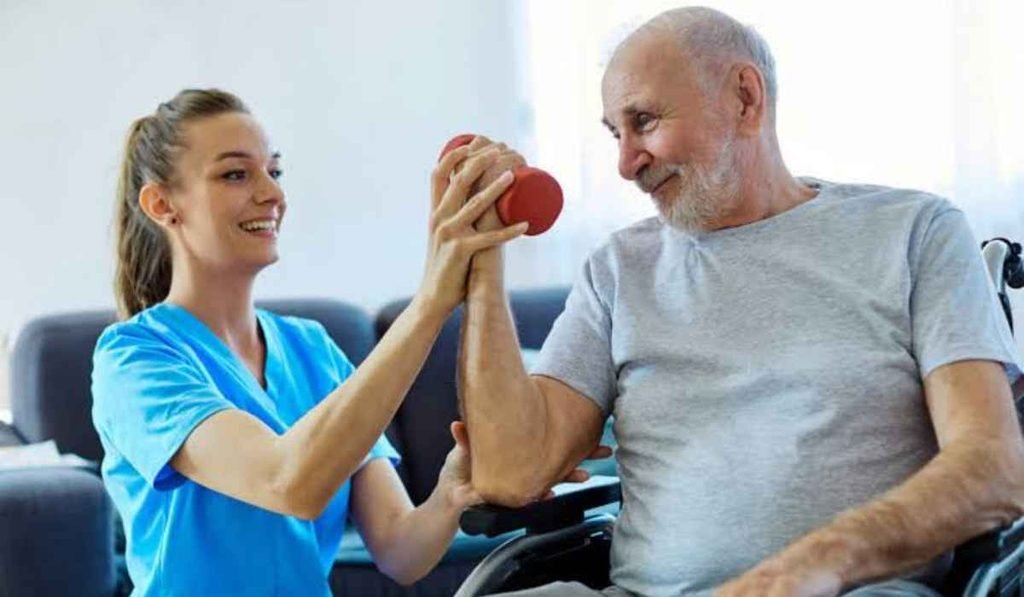
Stroke recovery is another critical area managed under the umbrella of what is kinervus, focusing on restoring lost motor skills and upper or lower limb functionality. Following a cerebrovascular event, patients often experience hemiparesis or coordination deficits that severely restrict their ability to perform basic daily tasks. Rehabilitation programs utilize graded therapeutic exercises and movement repetition to encourage neural plasticity and physical adaptation. The primary objective is to help survivors regain safe mobility, improve limb utilization, and build confidence in executing domestic and professional activities. Through patient guidance and consistent physical effort, stroke rehabilitation at the clinic seeks to bridge the gap between acute medical discharge and maximum attainable independence.
Pediatric Physiotherapy For Children And Adolescents
Pediatric rehabilitation represents another vital component of what is kinervus, catering to infants, children, and adolescents experiencing developmental or physical challenges. Children can encounter various motor development delays, coordination difficulties, congenital conditions, or neuromuscular issues that require professional therapeutic guidance. The practice offers specialized pediatric physiotherapy designed to match each child’s age, growth stage, and specific physical requirements. Sessions incorporate age-appropriate activities and playful movement tasks to foster physical growth, improve balance, and enhance coordination. By addressing these developmental needs early, pediatric therapists help children build essential motor skills necessary for school participation, play, and confident everyday movement.
Manual Lymphatic Drainage And The Vodder Method
Manual lymphatic drainage is frequently highlighted as a specialized technique provided within what is kinervus service framework. This gentle therapeutic massage technique is specifically intended to encourage the natural circulation and movement of lymphatic fluid throughout the body tissues. The practice explicitly references the Vodder method when describing its manual lymphatic drainage procedures. It is often utilized as part of comprehensive treatment plans for patients managing localized swelling or conditions such as lymphoedema. Because lymphatic swelling can stem from various underlying medical causes, clinical guidelines emphasize proper professional assessment before initiating drainage therapy to ensure the technique is safe and appropriate for the individual patient’s specific health profile.
Musculoskeletal And Sports Rehabilitation Options
Beyond its core specialties, the multidisciplinary team behind what is kinervus possesses expertise in musculoskeletal and sports-related physiotherapy. Active individuals and athletes frequently experience joint injuries, muscle strains, ligament sprains, or overuse conditions resulting from physical training or daily exertion. The clinic’s therapists utilize targeted physical assessments to identify the root causes of mechanical pain and movement dysfunction. Treatment protocols often combine manual therapy techniques, customized strengthening progressions, and functional conditioning to ensure safe tissue healing. This comprehensive musculoskeletal care helps patients safely transition from initial injury management back to full athletic performance or comfortable daily functioning.
Integrating Manual Therapy And Clinical Techniques
Manual therapy plays an important supportive role across the clinical offerings found at what is kinervus. Trained physiotherapists employ hands-on techniques, including joint mobilizations, soft tissue manipulation, and specialized modalities like dry needling, to address musculoskeletal restrictions. These hands-on interventions are designed to alleviate localized pain, reduce muscle tension, and improve restricted joint ranges of motion. When combined with active exercise rehabilitation, manual therapy helps optimize physical alignment and prepares the body for more demanding strengthening activities. The integration of these diverse clinical skills ensures that patients receive a well-rounded therapeutic experience tailored precisely to their mechanical and functional requirements.
Group Exercise Programs And Supervised Classes
In addition to one-on-one appointments, what is kinervus provides supervised group exercise sessions aimed at promoting regular physical activity in a structured environment. These group classes often cover various themes such as postural conditioning, core stability, balance enhancement, and general physical fitness. While individual therapy addresses specific pathological limitations, group sessions encourage participants to maintain consistent movement habits alongside peers under professional supervision. The emphasis remains firmly on safe, purposeful physical conditioning rather than athletic competition. Patients interested in participating in group workouts are generally encouraged to check current timetables and verify class suitability directly with the practice staff.
Setting Realistic Goals For Long Term Recovery
Establishing clear, realistic goals is a fundamental aspect of the rehabilitation philosophy practiced at what is kinervus. Recovery from chronic conditions or major trauma rarely follows a straight line, making it vital to distinguish between complete physiological restoration and functional maintenance. Therapists work closely with patients to define achievable short-term milestones and long-term objectives that align with their personal lifestyles. Whether the objective is navigating a flight of stairs without assistance, managing chronic fatigue, or maintaining joint mobility, defining these targets gives treatment a clear and purposeful direction. Regular progress evaluations ensure that goals evolve dynamically alongside the patient’s changing physical capabilities and personal needs.
The Importance Of Active Patient Participation
Active involvement from the patient is heavily emphasized throughout the treatment cycles at what is kinervus. Physiotherapy is a collaborative process where the patient’s feedback, daily observations, and commitment to home exercise programs directly influence therapeutic outcomes. Therapists encourage open communication regarding which daily tasks feel difficult and how prescribed exercises translate into real-world improvements. By understanding the underlying rationale of their treatment plan, patients become empowered participants in their own healthcare journey. This active partnership fosters greater adherence to rehabilitation routines, builds psychological confidence, and ensures that clinical interventions remain closely attuned to the individual’s lived experience.
Practical Steps For Arranging An Initial Appointment
For individuals wishing to utilize the services offered by what is kinervus, understanding administrative procedures helps streamline the intake process. The practice operates primarily on an appointment basis, requiring patients to schedule consultations in advance. Enquiries and bookings can typically be submitted via telephone, electronic mail, or the official website contact portal. Prospective patients are advised to prepare relevant medical history, prior diagnostic reports, or specific details regarding their functional difficulties before attending their first session. Additionally, clarifying practical details such as current fee structures, insurance reimbursement policies, and appointment availability directly with the clinic administration ensures a smooth and well-prepared start to rehabilitation.
Separating Verified Facts From Online Misconceptions
When researching specialized healthcare keywords like what is kinervus online, readers occasionally encounter inaccurate definitions or speculative claims. Some internet sources attempt to link healthcare practice names to unrelated scientific concepts, medical supplements, or digital technologies without empirical backing. Official documentation and verified geographic data confirm that Kinervus is strictly a physical physiotherapy and rehabilitation clinic situated in Belgium, rather than an international software product or manufactured chemical substance. Being discerning about online information ensures that patients rely on verified organizational details rather than misleading internet rumors when seeking legitimate physical therapy and rehabilitation services.
Future Directions In Professional Physiotherapy Practice
The evolution of what is kinervus mirrors broader trends in modern physiotherapy toward multidisciplinary collaboration and specialized patient-centered care. As healthcare demands shift toward managing an aging demographic and complex chronic illnesses, group practices offering diverse therapeutic proficiencies are increasingly vital. Future developments in rehabilitation will likely continue emphasizing evidence-based movement science, personalized functional metrics, and accessible community exercise programs. By maintaining a strong commitment to individualized assessments and adaptable treatment plans, clinical practices like Kinervus remain well-equipped to address the changing physical healthcare needs of their local communities.
Summary Of Rehabilitation Practice Principles
Reflecting on the core principles associated with what is kinervus highlights the enduring value of professional, individualized physical rehabilitation. From neurological care and pediatric support to manual therapy and lymphatic drainage, comprehensive physiotherapy addresses the multifaceted nature of human movement. The practice demonstrates that successful rehabilitation relies not only on clinical expertise but also on active communication, realistic goal setting, and a dedication to improving daily independence. For anyone navigating physical limitations or seeking professional movement support, understanding these clinical frameworks provides a reliable roadmap toward safer, more effective healthcare decisions.
FAQs
- What is Kinervus? Kinervus is a physiotherapy and rehabilitation group practice located in Alken, Limburg, Belgium.
- Who founded the practice and when? Stefanie Ver Eecken founded the clinic in the year 2019.
- What are the main clinical specializations offered? The practice specializes in neurological rehabilitation, pediatric physiotherapy, and manual lymphatic drainage.
- Does the clinic provide care for neurological conditions? Yes, it offers targeted rehabilitation for conditions including stroke, Parkinson’s disease, and multiple sclerosis.
- How can patients schedule an appointment? Patients can book appointments by contacting the practice via telephone, email, or its official website form.