
 Wild Rise
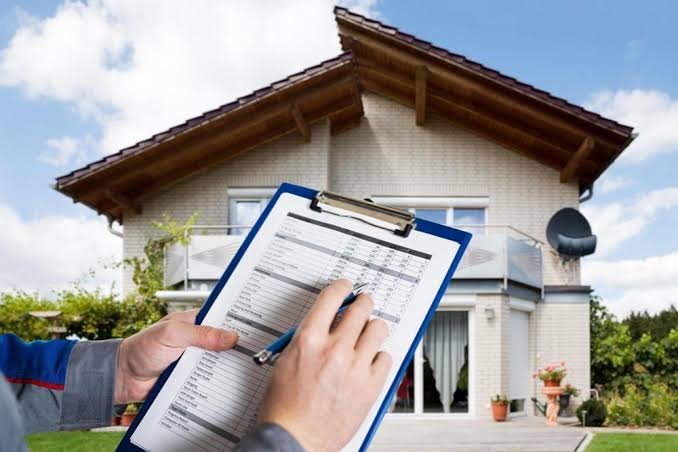
Buying a home is an exciting milestone, but it is also a significant financial commitment. Beyond choosing a convenient location and an attractive design, buyers need to understand the property’s actual condition. A full home inspection can help identify potential concerns, clarify maintenance needs, and provide valuable information before making a final purchasing decision.
Look Beyond First Impressions
A house may look perfect during a viewing, with freshly painted walls, polished floors, and a beautifully maintained garden. However, cosmetic improvements do not always reveal what is happening beneath the surface. Hidden plumbing leaks, electrical issues, roof damage, or drainage problems can affect a property’s safety and long-term value.
A thorough property evaluation helps buyers look beyond appearances. It provides a clearer picture of the home’s major systems and structural components, making it easier to determine whether the property meets their expectations.
Instead of relying entirely on what can be seen during a quick visit, buyers can use an inspection report to make a more informed decision.
Identify Potential Problems Before Closing
One of the most important benefits of evaluating a property is discovering issues before completing the purchase. Some problems may be relatively simple to address, while others could require substantial repairs.
Common areas that deserve attention include:
- Roofing: Missing shingles, damaged flashing, and signs of water intrusion.
- Foundation: Visible cracks, uneven floors, or other signs of possible structural movement.
- Plumbing: Leaking pipes, slow drains, and signs of moisture around fixtures.
- Electrical systems: Damaged outlets, exposed wiring, or outdated components.
- Heating and cooling: Equipment condition, airflow, and signs of poor maintenance.
- Windows and doors: Difficulty opening them, damaged frames, or gaps that affect insulation.
Identifying these concerns early gives buyers an opportunity to seek professional advice, understand possible repair expenses, and decide how to proceed. An inspection cannot uncover every hidden defect, but it can reduce uncertainty and highlight areas that may need further investigation.
Understand the True Cost of Homeownership
The purchase price is only one part of owning a home. Buyers must also consider ongoing maintenance, utility bills, insurance, and unexpected repairs. A property that initially seems affordable may require additional spending if important systems are nearing the end of their useful lives.
For example, an aging water heater might need replacement sooner than expected, while roof repairs could become a significant expense. Understanding these possibilities before purchasing helps buyers prepare a realistic budget.
Inspection findings can also help distinguish urgent repairs from improvements that can be completed later. This information is particularly useful for first-time buyers who may be unfamiliar with the costs associated with maintaining a property.
Make Better Decisions During Negotiations
A professional evaluation can provide useful information when negotiating with a seller. If the inspection identifies significant defects, buyers may discuss repairs, request a price adjustment, or consider other options permitted by their purchase agreement.
For instance, evidence of persistent moisture or a deteriorating roof may justify obtaining specialist assessments and repair estimates. These details can make negotiations more practical because discussions are based on documented concerns rather than assumptions.
Not every issue should become a reason to abandon a purchase. Minor maintenance needs are common in many homes. The goal is to understand the property’s condition and decide whether the costs, risks, and benefits align with the buyer’s priorities.
Buyers should also review inspection deadlines and other contractual requirements carefully, as their options depend on the agreement and applicable local rules.
Choose Qualified Professionals
The quality of a property evaluation depends partly on the experience and care of the professional conducting it. Buyers should look for inspectors with appropriate qualifications, relevant experience, and a clear explanation of what their services include.
Before booking an inspection, consider asking:
- What areas and systems are included in the assessment?
- Will the report include photographs and explanations of significant findings?
- Are there limitations or inaccessible areas that buyers should know about?
- Can the inspector recommend when a specialist assessment may be necessary?
- When will the final report be available?
A good report should explain findings in understandable language rather than overwhelm buyers with technical terminology. It should also make clear that a standard inspection is a visual assessment, not a guarantee that every defect will be discovered.
Pay Attention to Local Property Conditions
Location can influence the types of concerns buyers should investigate. Climate, soil conditions, building age, local construction practices, and environmental factors may affect how a property performs over time.
In areas with warm weather and seasonal rainfall, for example, buyers may want to pay particular attention to roof condition, drainage, ventilation, and signs of moisture. Older properties may require additional scrutiny of electrical systems, plumbing materials, or previous renovations.
Buyers researching Los Angeles Home Inspections can use local expertise to better understand regional property considerations and determine whether additional assessments may be appropriate. Depending on the property, further evaluations for pests, sewer lines, or other specific concerns may be worth considering.
The right approach is to assess each home individually rather than assume that every property in the same neighborhood has identical needs.
Review the Report and Plan Your Next Steps
Receiving an inspection report is only the beginning. Buyers should read it carefully, ask questions about unfamiliar findings, and identify which concerns require immediate attention.
It can help to organize recommendations into three categories:
- Immediate concerns: Issues involving safety, active leaks, or potentially serious damage.
- Near-term maintenance: Repairs or replacements that may be needed soon.
- Long-term improvements: Optional upgrades that can be planned according to budget and priorities.
When a finding suggests a serious or specialized problem, a qualified contractor or relevant specialist can provide a more detailed assessment and cost estimate. Buyers should avoid making major decisions based solely on assumptions about repair costs.
This process helps transform the report into a practical plan for managing the property after purchase.
Conclusion
A thorough property evaluation gives buyers a clearer understanding of a home’s condition, potential expenses, and maintenance needs. By identifying concerns early, consulting qualified professionals, and reviewing findings carefully, buyers can make more confident decisions. Taking time before closing can help protect their investment and support a more manageable homeownership experience.