 BlitZ
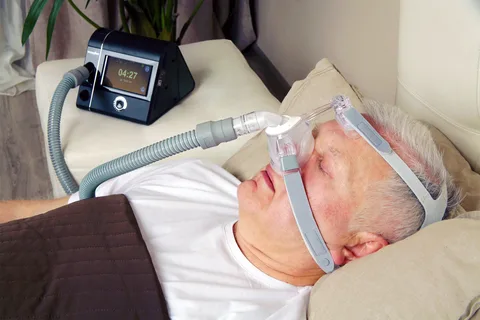
Sleep apnea affects breathing patterns throughout the night. It interrupts rest, and it reduces oxygen flow to the body. CPAP therapy addresses this by delivering a steady stream of air through a mask, which keeps the airway open during sleep. Patients who start CPAP treatment may notice changes in energy levels, concentration, and sleep quality. Here is more information on maximizing the benefits of this therapy with the help of a CPAP clinic:
How Is CPAP Therapy Beneficial?
CPAP therapy treats obstructive sleep apnea. The device provides continuous positive airway pressure, which prevents the airway from collapsing during sleep. This reduces the frequency of breathing pauses, and the body can reach deeper, more restorative stages of sleep. After several weeks of regular use, patients may report fewer morning headaches and reduced daytime fatigue.
Working with a CPAP clinic adds structure to the treatment process. Clinics may provide several services that home setups alone cannot replicate, including:
- Equipment fitting to make sure the mask suits the patient’s facial structure
- Pressure calibration to match the prescribed therapy settings
- Ongoing support through follow-up appointments and usage monitoring
When staff identify issues early, they can adjust the treatment plan accordingly. Medical oversight supports better long-term results.
How Are Benefits Maximized?
Nightly use helps improve treatment outcomes. Skipping even a few nights can cause symptoms such as fatigue and poor concentration to return, and the benefits of therapy diminish without consistent use. Patients who wear their CPAP device for the entire sleep period, rather than only part of the night, may see more consistent improvements in oxygen levels and sleep quality.
Mask fit also affects how well therapy works; a loose or poorly positioned mask allows air to escape. This reduces pressure effectiveness and causes discomfort that can discourage continued use. Proper maintenance helps address this, so patients should replace filters and check mask cushions for wear. Regularly cleaning the mask, tubing, and humidifier chamber keeps equipment functioning as intended.
Tracking sleep data helps identify usage patterns. The device’s software may record nights with poor mask seal, and this information shows where adjustments are needed. When patients report dry mouth or skin irritation, small changes can help resolve the issue.
How Can a Specialist Help?
A sleep specialist reviews the data collected by the CPAP device to assess how well therapy is working. This review may include tracking apnea events, mask leak rates, and total hours of use per night. Specialists use this information to adjust air pressure settings, and they may also recommend equipment changes that suit a patient’s specific breathing patterns. When the data shows persistent problems, the specialist updates the treatment plan accordingly.
Specialists also address comfort concerns that may otherwise lead patients to stop treatment. Nasal congestion, claustrophobia, and skin irritation from the mask are potential issues. A specialist will recommend practical solutions. Specialists may schedule regular check-ins within the first few months of treatment and periodically afterward, which helps them catch problems before they affect adherence. Open communication gives the specialist accurate information.
Visit a CPAP Clinic
CPAP therapy can improve sleep quality, daytime energy, and overall health. Mask fit, nightly use, and equipment care all contribute to how well the therapy performs, while guidance from a CPAP clinic adds structure and support throughout treatment. If you have questions about your current CPAP setup or are experiencing discomfort with your equipment, schedule a follow-up with your sleep specialist. They will make adjustments that fit your needs.