 Wild Rise

Cosmetic surgery is discussed more openly than ever, but deciding whether to undergo a procedure remains personal, complex, and financially significant. In Charlotte, North Carolina, patients can research a range of surgical options, yet access alone does not make choosing easier. The important questions concern safety, realistic results, recovery, and the quality of the surgeon’s guidance. Before committing, look beyond polished photographs and trending procedures. A well-informed decision begins with understanding what surgery can change, what it cannot promise, and what the full process will require.
Why the Decision Deserves More Than a Quick Search
Online images and short videos can make cosmetic surgery appear straightforward. In reality, every procedure involves medical considerations as well as aesthetic goals. Rhinoplasty may affect breathing and structural support alongside facial proportions. Breast surgery can involve choices about implants, placement, scars, and future monitoring. Body contouring requires consideration of tissue quality, healing, and the limits of what surgery can safely accomplish.
Focus first on the concern you want to address and the changes that would genuinely matter to you. The aim is not to recreate someone else’s appearance, but to explore whether a specific procedure is likely to meet your own goals.
Make the Consultation a Two-Way Conversation
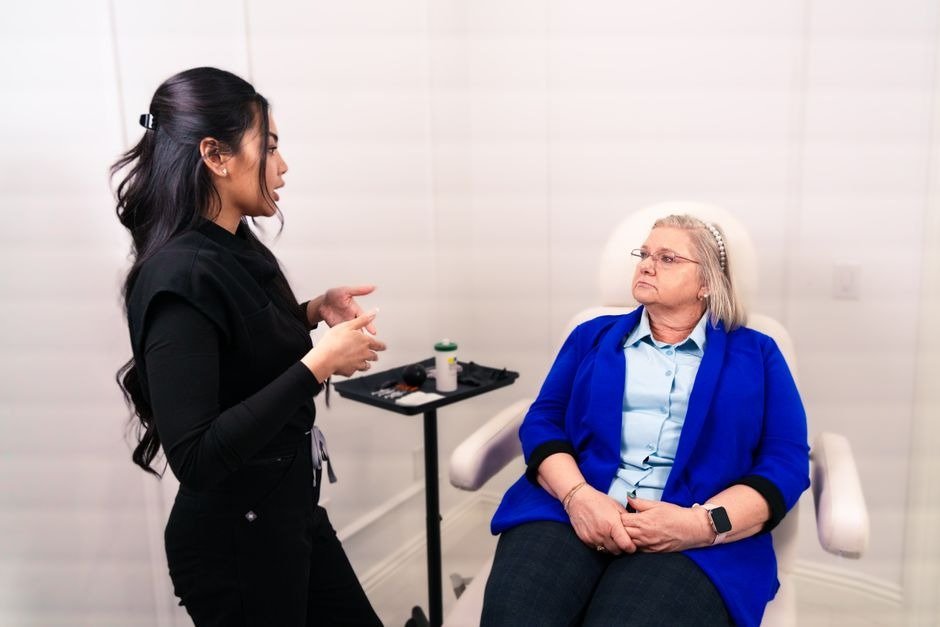
A consultation should feel collaborative, not like a sales presentation. Your surgeon should ask about your health, medications, previous procedures, healing history, and expectations before recommending an approach.
If you’re looking for a plastic surgeon Charlotte, NC, has several options to consider, but choosing the right professional requires more than comparing websites or before-and-after photos. Look for board certification, experience with your specific procedure, accredited surgical facilities, and a clear plan for follow-up care. Ask who will perform the operation, who will administer anesthesia, where the surgery will take place, and how potential complications would be handled. A trustworthy surgeon should answer your questions openly and give you time to make an informed decision without pressuring you to book.
Look at the Whole Cost, Not Just the Quote
The advertised surgical fee may not represent the total expense. Depending on the procedure, the final cost may include anesthesia, facility charges, implants or other materials, prescriptions, compression garments, follow-up appointments, and time away from work. Ask for an itemized estimate and clarify which services are included.
Healing varies, and some patients need treatment for complications or later revision surgery. Ask how revisions are assessed, what fees might apply, and whom to contact if recovery does not follow the expected course.
Consider transportation, childcare, help at home, and any lost income. Comparing the full care plan gives you a more realistic basis for deciding whether the procedure is affordable.
Plan for Recovery, Not Just Surgery Day
People often ask when they can return to normal, but recovery rarely happens all at once. You may feel ready to answer messages before you are cleared to drive, exercise, lift heavy objects, or travel. Swelling, bruising, tightness, numbness, sleep restrictions, and activity limits vary by procedure and individual.
Before scheduling, ask what the first several days and weeks are likely to involve. Find out when you can resume work, exercise, and ordinary responsibilities, and which symptoms require urgent medical attention. Arrange a responsible adult to take you home if required and help with tasks that may be difficult after anesthesia or surgery. Following your surgeon’s instructions is important; pushing through pain or resuming strenuous activity too soon can interfere with healing. Ask for written instructions and keep emergency contact information accessible, especially during the first days at home.
Use Digital Imaging as a Discussion Tool
Photography and digital simulations can help you discuss proportion, symmetry, and possible changes. They may make a consultation more specific, but they cannot predict the final result with certainty. Skin quality, anatomy, scar formation, swelling, and individual healing all influence outcomes.
Treat an image as a way to clarify your goals, not as a promise. Ask what the simulation can show, what it cannot account for, and how closely it reflects outcomes in patients with similar anatomy.
Choose Your Reasons Carefully
Cosmetic surgery is a personal choice, and motivations can be varied. You may want to address a feature that has bothered you for years or changes that followed pregnancy, aging, or weight fluctuation. What matters is that the decision is yours and your expectations are realistic.
The International Society of Aesthetic Plastic Surgery’s patient safety guidance also urges realistic expectations and careful reflection on personal motivations.
Surgery may change a physical feature, but it cannot reliably resolve broader unhappiness or guarantee changes in relationships, confidence, or social life. A surgeon may recommend waiting if your goals are unclear or circumstances are not right. If you have questions about your emotional readiness, consider discussing them with a trusted health professional before making a final commitment.
Ask Questions That Reveal the Quality of Care
The American Society of Plastic Surgeons provides a useful guide to questions for your plastic surgeon, including questions about training, facility accreditation, recovery, risks, and realistic results.
Ask how often the surgeon performs your procedure, what complications are most relevant to your situation, and how those complications would be handled. Request before-and-after examples involving patients with similar characteristics, while remembering that individual results differ. You should also understand who will monitor your recovery and how to reach the care team if a concern develops outside office hours.
Give Yourself Time to Decide
A good consultation should leave you better informed, not obligated to pay a deposit. Take time to review the information, compare qualified opinions where appropriate, and discuss practical arrangements with the people who will support you during recovery.
Cosmetic surgery can produce changes for suitable candidates, but it remains surgery, with real risks and limitations. A strong decision balances your goals with medical advice, expectations, and a recovery plan. If you understand both the benefits and the trade-offs—and feel free to say no—you are in a better position to decide whether moving forward is right for you.