 Wild Rise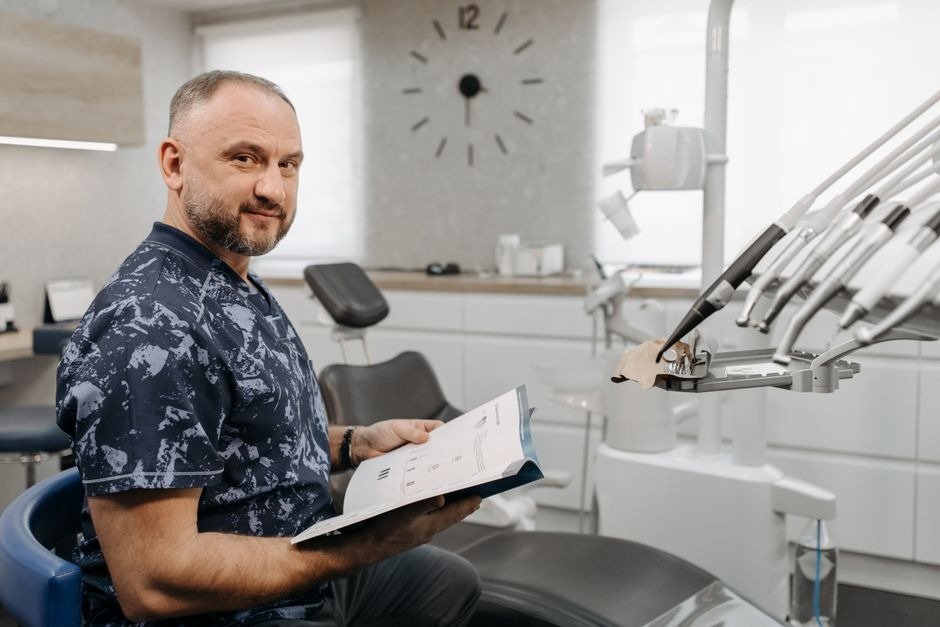
For people in Broomfield, protecting oral health is less about chasing a perfectly white smile and more about preventing small problems from becoming painful, expensive ones. Teeth and gums deal with food, drinks, bacteria, grinding, medications, and daily wear, so consistency matters more than occasional bursts of attention.
A useful routine combines effective home care with professional prevention and an awareness of changes that deserve attention. The following habits focus on what happens between dental appointments—the months when everyday choices have the greatest opportunity to protect teeth, gums, and existing dental work.
Build a Preventive Relationship Before Something Hurts
Dental care is easier to manage when the first conversation does not happen during an emergency. Regular examinations and professional cleanings give a dentist an opportunity to assess teeth and gums, discuss symptoms, and recommend care according to individual needs. If you’re searching for an experienced dentist Broomfield offers a number of good options, including practices providing preventive, restorative, emergency, and family care.
Do not wait for pain to decide whether something deserves evaluation. Cavities and gum problems can develop before they produce dramatic symptoms. A consistent dental relationship also creates a history, making it easier to discuss changes in sensitivity, bite, gum health, or previous restorations.
Brush for Coverage, Not Speed
Twice-daily brushing is familiar advice, but technique determines how useful those two minutes are. Use fluoride toothpaste and a soft-bristled toothbrush, reaching the outer, inner, and chewing surfaces of the teeth rather than repeatedly scrubbing the easiest areas.
Pay attention to the gumline, where plaque can accumulate. Aggressive pressure is not a shortcut to cleaner teeth and may irritate gums or contribute to tooth wear. An electric toothbrush can be useful for some people, but it does not replace good positioning and complete coverage.
Replace a worn brush or brush head when the bristles become frayed. A toothbrush that has lost its shape becomes less effective at doing the precise work the routine requires.
Clean Between Teeth Every Day
A toothbrush cannot effectively reach every surface between neighboring teeth. Interdental cleaning helps address the plaque and food debris that brushing leaves behind.
Traditional floss works well for many people, while interdental brushes, floss holders, or water flossers may be easier in certain situations. Dental work, braces, dexterity limitations, and the size of spaces between teeth can influence which method is practical.
The best tool is one you can use correctly and consistently. If flossing causes persistent bleeding or you are unsure how to clean around bridges, implants, or orthodontic appliances, ask a dental professional to demonstrate an appropriate technique rather than abandoning the area.
Notice What Your Gums Are Telling You
Healthy gums deserve as much attention as teeth. Redness, swelling, tenderness, persistent bleeding, recession, or ongoing bad breath can signal that the tissues around the teeth need attention.
Occasional irritation has many possible explanations, so one episode does not establish a diagnosis. A repeated pattern, however, should not simply become part of the normal routine.
Continue gentle oral hygiene and arrange an evaluation when concerning changes persist. Gum disease can progress over time and may eventually affect the structures supporting teeth. Early professional assessment creates more opportunity to manage a problem before it becomes advanced.
Reduce the Frequency of Sugar and Acid Exposure
What you eat matters, but how often teeth are exposed to certain foods and drinks matters too. Frequent sugary snacks and drinks repeatedly give oral bacteria material they can use to produce acids that contribute to tooth decay.
Acidic beverages can create a different problem by contributing to enamel erosion. Sipping soda, sports drinks, energy drinks, or other acidic beverages slowly across several hours can extend exposure.
Water is a useful everyday drink, and keeping sugary or acidic items closer to mealtimes can reduce repeated contact. After acidic foods or drinks, avoid immediately scrubbing the teeth aggressively. Give the mouth time to recover and follow professional guidance if erosion is already a concern.
Take Dry Mouth Seriously
Saliva helps wash away food particles, neutralize acids, and support the mouth’s natural defenses. When saliva production drops, the risk of oral discomfort and dental problems can increase.
Dry mouth may be associated with medications, health conditions, dehydration, or other factors. Rather than simply tolerating persistent dryness, mention it to both your dentist and appropriate healthcare provider, particularly if it began after a medication change.
Simple measures such as drinking water regularly may help some people, but treatment depends on the cause. Avoid assuming that sucking on sugary candies throughout the day is harmless relief, because frequent sugar exposure can create another problem for vulnerable teeth.
Protect Teeth From Grinding and Everyday Trauma
Teeth can be damaged without decay. Clenching, grinding, contact sports, chewing ice, and using teeth as tools can create cracks, wear, or injuries.
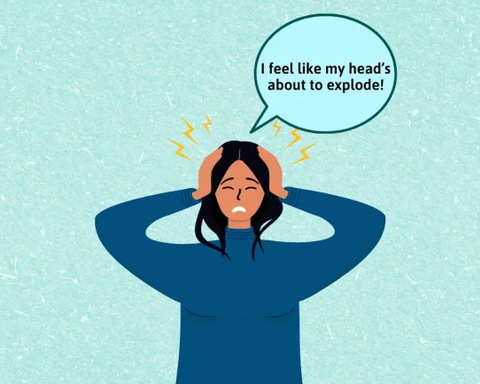
If you wake with jaw soreness, headaches, or tooth sensitivity, discuss the symptoms with a dentist. These signs do not prove that grinding is the cause, but they provide useful information for an evaluation. A professionally recommended appliance may be appropriate for some patients.
For sports with a risk of facial impact, use suitable protective equipment. And retire the habit of opening packages, cutting thread, or holding hard objects with your teeth. Enamel is strong, but it is not designed to replace scissors or bottle openers.
Respond Early to Sensitivity and Dental Damage
A brief twinge from something cold may seem easy to ignore, but recurring sensitivity deserves attention. Possible causes range from exposed root surfaces and worn enamel to decay, cracks, or problems with existing dental work.
Similarly, a chipped tooth, loose crown, broken filling, or change in the way the teeth meet should not be left indefinitely simply because it is not painful. Dental problems often become harder to manage after additional damage occurs.
Seek prompt professional advice for significant swelling, severe or persistent pain, uncontrolled bleeding, facial trauma, or other urgent symptoms. Knowing where to obtain emergency dental care before it is needed can remove one decision during an already stressful situation.
Make Oral Health Part of Whole-Body Routine
Oral care becomes easier to sustain when it is attached to routines that already happen. Brush after the same morning activity, clean between teeth at a dependable point in the evening, and keep replacement supplies available before the current ones run out.
Also tell dental professionals about relevant changes in your health, medications, pregnancy status, or treatments, because these can affect oral care needs. Likewise, persistent mouth symptoms may sometimes warrant communication with another healthcare professional.
The most effective oral-health plan is not complicated. It is a combination of thorough daily cleaning, sensible eating and drinking habits, protection from avoidable damage, regular professional care, and quick attention to meaningful changes.
Consistency is what turns those actions into prevention. Two minutes of careful brushing, daily interdental cleaning, and an appointment made before a minor concern becomes an emergency may feel ordinary. Over years, however, those ordinary decisions can do far more for a healthy smile than waiting until pain forces oral health to the top of the priority list.