
 Sky Bloom IT
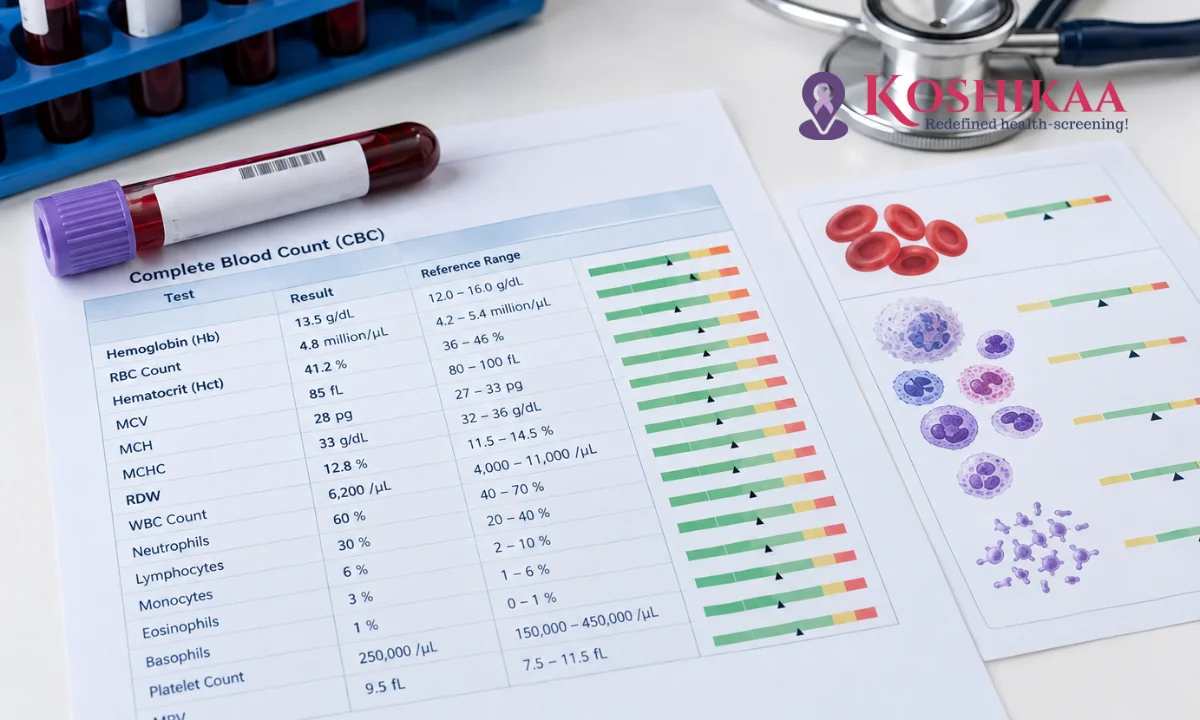
Blood tests are a fundamental part of modern healthcare, providing valuable insights into your overall health and helping to detect potential issues early. When you receive blood test results, it is common to compare them with previous results to track changes over time. However, interpreting these changes can be confusing, especially when numbers fluctuate or fall outside the reference range. Understanding what these changes mean, why they occur, and how to respond is crucial for making informed decisions about your health. This guide will help you navigate the process of making sense of changes between two blood test results.
What to Expect When Comparing Results
Understanding Blood Test Reference Ranges
Blood test results are typically reported alongside reference ranges, which represent the values expected in a healthy population. These ranges are not absolute indicators of health or disease but serve as guidelines for interpreting your results. It is important to remember that reference ranges can vary between laboratories due to differences in equipment, measurement techniques, and population demographics. When comparing two sets of blood test results, always ensure that both tests were analyzed by the same laboratory or that you are aware of any differences in reference ranges. Small fluctuations within the reference range are usually not cause for concern, as many factors such as hydration, diet, stress, and even the time of day can influence your blood values. Significant changes, especially those that move a result from within the reference range to outside it, may warrant further investigation and discussion with your healthcare provider.
Factors That Influence Blood Test Changes
Several factors can contribute to changes in your blood test results over time. Lifestyle modifications, such as changes in diet, exercise habits, or medication use, can have a direct impact on your blood chemistry. Acute illnesses, infections, or even minor injuries can temporarily alter certain blood markers. Chronic conditions like diabetes, thyroid disorders, or kidney disease may cause gradual shifts in your results. It is also important to consider the timing of your tests, as fasting status, recent physical activity, and stress levels can all affect your numbers. When you notice a change between two blood test results, try to recall any recent events or changes in your routine that could have influenced the outcome. This context can be invaluable when discussing your results with your healthcare provider, as it helps to distinguish between normal fluctuations and changes that may require further attention. If you are seeking to discover more about the specific factors affecting your results, reliable health resources and professional guidance can provide additional clarity.
When to Be Concerned About Changes
Not all changes in blood test results are significant, but certain patterns may indicate an underlying health issue that needs to be addressed. A single abnormal result is not always a cause for alarm, especially if it is only slightly outside the reference range. However, persistent or dramatic changes, especially those that are consistent across multiple tests, should be taken seriously. For example, a steady increase in blood sugar levels over several tests could signal the development of diabetes, while a sudden drop in hemoglobin might indicate anemia or another underlying condition. It is also important to pay attention to symptoms that accompany changes in your blood test results, such as fatigue, unexplained weight loss, or persistent pain. These symptoms, combined with abnormal test results, may prompt your healthcare provider to order additional tests or recommend further evaluation. Open communication with your provider is essential for understanding the significance of any changes and determining the appropriate next steps.
The Role of Trends Over Time
A single blood test provides a snapshot of your health at one moment, but trends over time offer a more comprehensive picture. Tracking your results across multiple tests can reveal patterns that may not be apparent from individual results. For instance, a gradual increase in cholesterol levels over several years may indicate a need for lifestyle changes or medical intervention, even if each individual result remains within the reference range. Conversely, a one-time spike in a particular marker may be less concerning if subsequent tests return to normal. Keeping a personal record of your blood test results can help you and your healthcare provider identify trends and make more informed decisions about your health. It is also helpful to note any changes in your lifestyle, medications, or health status that coincide with shifts in your results, as this information can provide valuable context for interpreting trends.
Communicating With Your Healthcare Provider
Discussing your blood test results with your healthcare provider is an important step in understanding what the changes mean for your health. Your provider can help interpret the results in the context of your overall health, medical history, and any symptoms you may be experiencing. Be prepared to share information about recent lifestyle changes, new medications, or any health concerns you have noticed since your last test. Ask questions about any results that are outside the reference range or have changed significantly since your previous test. Your provider may recommend additional testing, lifestyle modifications, or treatment based on the results and your individual risk factors. Remember that blood test results are just one piece of the puzzle, and your provider will consider the full picture when making recommendations for your care.
How to Track Your Blood Test Results
Keeping track of your blood test results can help you stay informed about your health and make it easier to spot trends over time. Many healthcare providers offer online patient portals where you can access your test results and view your health records. You can also create your own record by saving copies of your test reports or using a spreadsheet to log your results. Make a note of the date of each test, the laboratory that performed the analysis, and any relevant details such as fasting status or recent illnesses. Tracking your results in this way can help you prepare for discussions with your healthcare provider and ensure that you have a complete record of your health history.
The Importance of Context
Blood test results should always be interpreted in the context of your overall health and medical history. A result that is abnormal for one person may be normal for another, depending on factors such as age, sex, and underlying health conditions. Your healthcare provider will consider these factors, along with your symptoms and risk factors, when interpreting your results. It is important to avoid jumping to conclusions based on a single abnormal result, as many factors can influence your blood values. Instead, focus on the bigger picture and work with your provider to understand what your results mean for your health.
Small Changes Are Often Normal
Minor fluctuations in blood test results are common and usually not a cause for concern. Your body is constantly adapting to changes in your environment, diet, and activity level, which can lead to small variations in your blood values. These changes are often temporary and may resolve on their own without any intervention. If you notice a small change in your results, try not to worry unless it is accompanied by symptoms or persists over multiple tests. Your healthcare provider can help determine whether a change is significant and whether any further action is needed.
Conclusion
Making sense of changes between two blood test results can feel overwhelming, but understanding the factors that influence your results and the importance of trends over time can provide clarity. Reference ranges, lifestyle factors, and your overall health context all play a role in interpreting your results. Open communication with your healthcare provider is essential for understanding what changes mean for your health and determining the appropriate next steps. By tracking your results and staying informed, you can take an active role in managing your health and making decisions that support your well-being. Remember that blood test results are just one part of your health story, and working closely with your provider will help you make the most of the information they provide.