
 admin
admin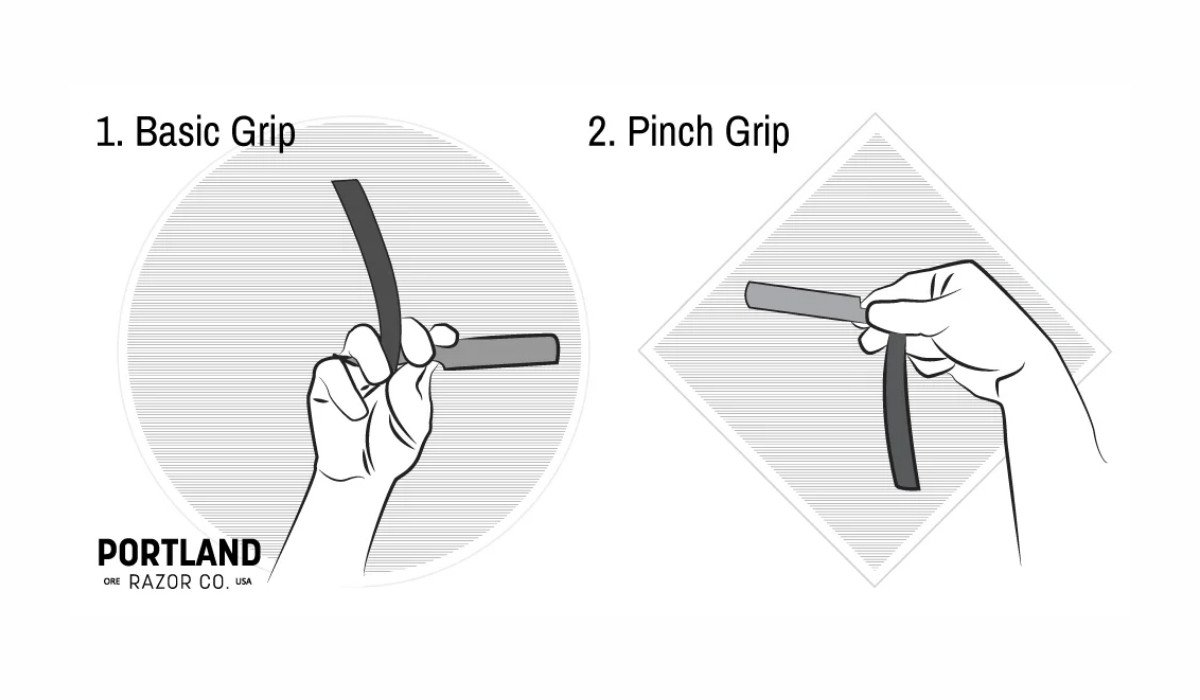
Mastering the skill to use a straight razor is a true rite of passage for any gentleman who appreciates the finer details of traditional grooming. Unlike modern multi-blade cartridge systems, the straight razor provides a level of precision, closeness, and control that simply cannot be replicated. While it requires patience and a steady hand, the process transforms a mundane daily chore into a meditative ritual. By learning the proper technique, angles, and preparation, you can achieve a shave that is not only exceptionally smooth but also significantly gentler on your skin, ultimately reducing the irritation and ingrown hairs common with modern razors.
| Feature | Details |
| Primary Goal | How to use a straight razor safely |
| Core Technique | Keep the blade at a 30-degree angle |
| Preparation | Use hot water and quality shaving soap |
| Essential Tool | Strop for maintaining the blade edge |
| Key Mindset | Slow, deliberate, and gentle strokes |
Preparing Your Skin for a Classic Shave
Before you use a straight razor, preparation is the most critical step to ensure a comfortable experience. Start by washing your face with warm water to soften the hair and open up your pores. Applying a high-quality pre-shave oil can further protect the skin by creating an extra layer of lubrication. Use a badger hair brush to work your shaving soap into a thick, creamy lather, applying it in circular motions to lift the beard hair away from the skin. A well-hydrated beard is significantly easier to cut, which reduces the chance of nicks and discomfort.
The Importance of the Blade Angle
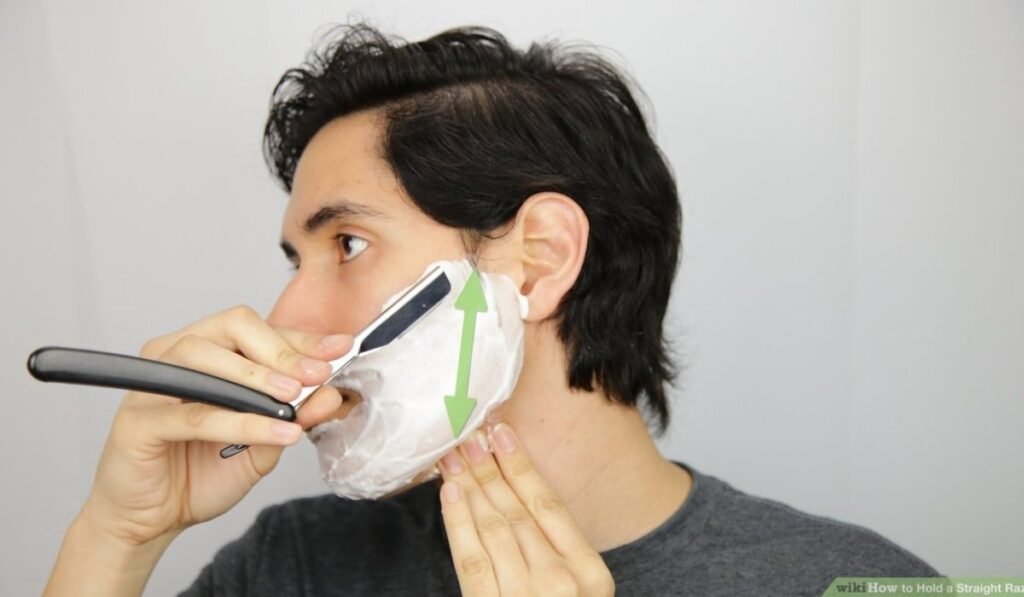
The golden rule when you use a straight razor is maintaining the correct angle, which should be approximately 30 degrees against the skin. If the angle is too steep, you risk cutting yourself; if it is too shallow, the blade will simply skip over the hair rather than cutting it. Holding the razor correctly is a matter of muscle memory and practice. As you progress, you will naturally develop the feel for the perfect angle. Start slowly, keeping the spine of the razor close to your face, and focus on maintaining consistency throughout every stroke for the best results.
Holding the Razor with Confidence
Proper grip is essential when you use a straight razor to ensure stability and maneuverability. Most experts recommend holding the razor by the tang—the part between the blade and the scales (the handle)—with your thumb and first two fingers. Your pinky finger should rest on the tang or the tail of the blade to help balance the weight. This grip allows you to rotate the blade easily as you navigate the contours of your jawline and neck. A relaxed grip is better than a tight one, as it gives you the flexibility needed to follow your facial curves.
Mastering the Art of the Strop

A sharp blade is the only way to use a straight razor effectively. Stropping is the process of realigning the microscopic edge of the steel on a leather strap. Before every shave, stroke the razor blade flat against the leather, moving away from the edge, about 15 to 20 times per side. This process maintains the keenness of the edge and keeps the blade performing smoothly. Never skip this step; a dull razor is far more dangerous than a sharp one because it forces you to use more pressure, leading to unwanted nicks, cuts, and overall skin irritation.
Mapping Your Beard Growth
To successfully use a straight razor, you must first understand the direction in which your beard grows. Hair rarely grows in a uniform direction; it often swirls and changes paths across the neck and jaw. Take a moment to feel your stubble before you begin. For the first pass, always shave with the grain—the direction the hair grows. Shaving against the grain too early is a common mistake that causes razor burn and ingrown hairs. By mapping your growth, you create a strategic plan that makes your shave more efficient, comfortable, and ultimately more successful every time.
The First Pass: With the Grain
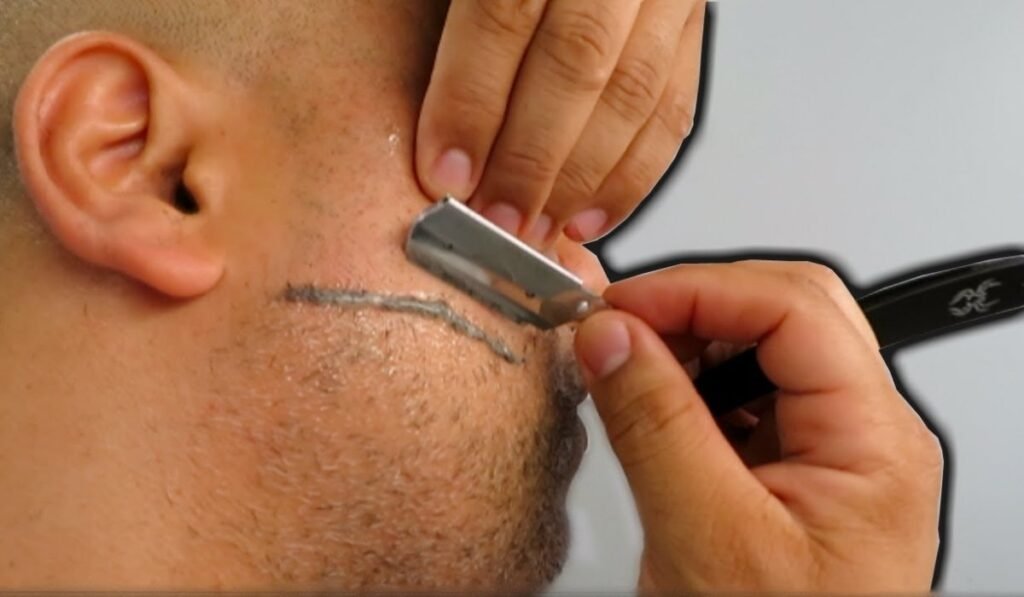
Begin your shave by following the grain of your hair. When you use a straight razor, let the weight of the blade do the work; never apply excessive pressure. Use short, controlled strokes, rinsing the blade in warm water frequently to clear away the lather and cut hair. Start with the cheeks, as these are the easiest areas to manage, and gradually work your way toward the more difficult contours of your neck and chin. Keep your skin taut with your free hand; a flat, tight surface is much easier for the sharp edge to glide across cleanly.
Keeping the Skin Taut
A fundamental technique when you use a straight razor is using your free hand to stretch the skin where you are about to shave. This is especially important around the neck and jawline, where the skin is loose and prone to folding. By pulling the skin taut, you create a flat, smooth surface for the blade, which minimizes the risk of the razor catching on a fold of skin. This simple coordination between your two hands is a skill that develops quickly and is essential for achieving that ultra-close, professional-grade finish that traditional wet shaving is famous for.
Shaving the Contours of the Chin
The chin is often the most intimidating area when you learn to use a straight razor. The bone structure makes it difficult to keep the blade flat. To handle this, tilt your head slightly and use your free hand to pull the skin of your chin up toward your nose, flattening it out. Use very short, careful strokes here. Do not try to shave the entire chin in one long motion; instead, take it one tiny section at a time. With a bit of patience and practice, you will navigate this complex area with ease and complete safety.
Tackling the Tricky Neck Area
The neck is where most people struggle when they use a straight razor because of the unpredictable growth patterns. This area requires the most attention and the lightest touch. Remember to keep the skin pulled taut and shave strictly with the grain on your first pass. If you have sensitive skin, avoid going against the grain on the neck entirely. Many traditional shavers find that a single “with the grain” pass followed by a second “across the grain” pass is more than enough to achieve a perfectly smooth look without causing any unnecessary redness or post-shave irritation.
Rinsing and Maintaining the Blade
During your shave, don’t forget to rinse the blade. As you use a straight razor, lather and hair will accumulate on the edge, which can impede the blade’s performance. Keep a bowl of warm water nearby and dip the blade after every few strokes. This keeps the edge clean and ensures that the soap is always working correctly. After you have finished your final pass, wipe the razor dry immediately with a soft cloth to prevent rust. Even stainless steel can develop spots if left wet, so a quick dry is a vital part of your post-shave care.
Post-Shave Care and Soothing
After you use a straight razor, your skin may feel slightly sensitive, even if you have mastered the technique. Splash your face with cold water to close the pores and help soothe the skin. Use an alcohol-free aftershave balm or a witch hazel splash to disinfect the area and provide hydration. Avoid heavy, scented colognes immediately after shaving, as the alcohol content can sting. Proper post-shave care helps lock in moisture, ensures the skin recovers quickly, and prevents the “tight” feeling that can occur after using even the sharpest, most well-maintained blades in your grooming kit.
Choosing Your First Razor
If you are preparing to use a straight razor for the first time, you don’t need the most expensive model, but you do need a quality one. Look for a “round point” razor, as the absence of a sharp, pointed tip makes it safer for beginners. Ensure the blade is shave-ready; many high-quality razors come honed from the manufacturer, but if yours does not, have it professionally sharpened before your first attempt. A good starter razor is an investment that, with proper care, can last you a lifetime and provide a superior grooming experience every single morning.
The Role of Shaving Soap
The quality of your soap is just as important as the tool itself when you use a straight razor. Avoid canned shaving foams; they contain chemicals that can dry out your skin and do not provide the necessary protection for a straight-edge shave. Use a traditional tallow or glycerin-based shaving soap that creates a thick, stable, and protective lather. This layer of soap is what allows the blade to glide across your skin without friction, protecting your face from the sharp edge while keeping the hairs soft and easy to cut cleanly with every single pass.
Dealing with Small Nicks
Even masters will occasionally nick themselves when they use a straight razor. If it happens, stay calm. A styptic pencil or a block of alum is an essential item for any wet shaver. These tools help stop minor bleeding instantly by constricting the skin vessels. Simply wet the end of the pencil or alum block and touch it to the nick. It may sting for a split second, but it is incredibly effective. Over time, as your technique improves, you will find yourself needing these items less and less frequently, which is a great sign of your progress.
The Mental Aspect of Shaving
Learning to use a straight razor is as much a mental practice as it is a physical one. It forces you to slow down. You cannot rush a straight razor shave, or you will pay the price. This morning ritual becomes a time to focus, reflect, and start the day with intention. The quiet concentration required to manage the blade is a welcome break from the digital noise of the modern world. Embrace the process; as you get better, you will find that this deliberate speed becomes one of the most enjoyable parts of your entire daily grooming routine.
Maintaining the Scales
The scales (the handle) also need attention when you use a straight razor regularly. If your handle is made of wood, avoid soaking it in water, as this can cause it to warp or crack. If it is made of plastic or acrylic, it is more durable, but still keep it clean. After each shave, give the scales a quick wipe with a dry cloth before you store the razor. A well-maintained razor is a beautiful object, and taking care of the handle ensures that the entire instrument stays in excellent condition for many years of reliable daily service.
Proper Storage of Your Razor
Storing your tool is important when you learn to use a straight razor at home. Use a Straight Razor Moisture is the enemy of carbon steel. After drying the blade and scales thoroughly, store the razor in a dry place, such as a medicine cabinet or a dedicated stand that allows air to circulate around the blade. Never store a straight razor in a damp bathroom environment for long periods, as rust can form quickly. If you are going on a trip, use a protective leather sheath or a travel case to keep the edge safe from knocks and scrapes during transit.
How Often to Hone
Even if you strop daily, the blade will eventually lose its edge and need professional honing. Use a Straight Razor When you use a straight razor, you might notice that it starts to “tug” at the hair rather than slicing through it smoothly. This is a sign that it is time to use a whetstone or have it professionally honed. For an average daily user, a professional honing once every six months to a year is usually sufficient. Keeping the edge keen ensures that every shave remains as comfortable and close as the day you first picked up your razor.
Patience and Progress
The most important advice for anyone who wants to use a straight razor is to be patient. Your first few shaves will likely take longer than a normal shave, and you might not get every spot perfectly smooth. This is completely normal. Focus on safety and consistency over closeness at first. As you build your skills, speed and smoothness will come naturally. Celebrate the improvement in your technique and the better condition of your skin. It is a rewarding skill to learn, and the long-term benefits for your face and your grooming routine are well worth the effort.
Final Reflections on Traditional Shaving
Transitioning to the traditional method when you use a straight razor is a commitment to quality. You are moving away from the “disposable culture” and embracing a tool that is built to last. You are also taking direct control over your grooming, creating a standard of excellence that is uniquely yours. Once you have mastered the technique, you will likely never want to go back to a cartridge razor again. It is a classic skill that connects you to generations of men who also valued the precision and simple pleasure of a perfectly executed, traditional straight razor shave.
- Is a straight razor shave really better for my skin?
- Yes, because it uses a single, sharp blade that cuts hair cleanly without the repeated tugging and irritation caused by multi-blade cartridges.
- How often should I strop the blade?
- You should strop the blade before every single shave to realign the edge and keep it performing at its best.
- Will I cut myself every time I shave?
- Not at all; once you master the technique and keep your blade sharp, nicks are very rare and easily managed with an alum block.
- How long does a straight razor last?
- A high-quality straight razor can last a lifetime if it is kept dry, stropped regularly, and honed professionally when needed.
- Why does my neck still feel irritated after shaving?
- This is usually because you are shaving against the grain; always map your beard growth first and stick to “with the grain” passes for the most sensitive areas.