 admin
admin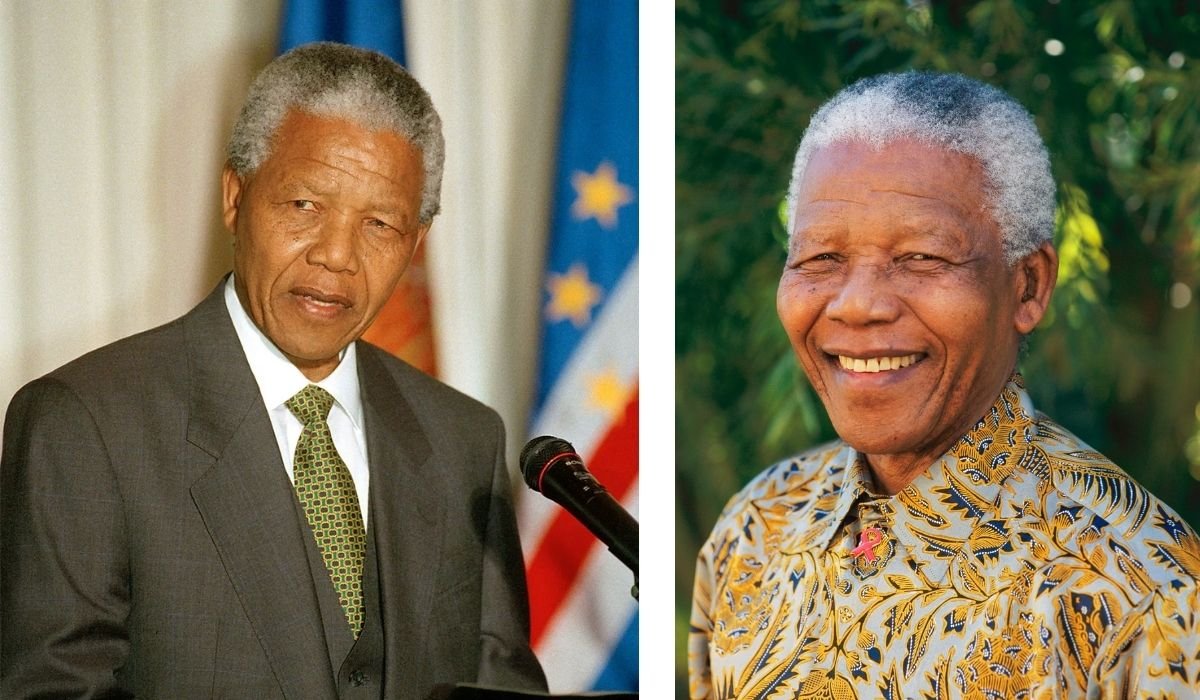
The global landscape has witnessed numerous influential leaders, yet few match the profound historical impact of Nelson Mandela, whose life remains a timeless masterclass in personal sacrifice, moral fortitude, and transformative political leadership. Born in a small rural village, his early experiences with institutionalized inequality shaped an unyielding commitment to fighting oppression and dismantling unjust systems. Over decades of intense political struggle, secret underground operations, and prolonged incarceration, he emerged not merely as a symbol of South African liberation, but as a universally revered champion of human rights and reconciliation. This comprehensive exploration delves deep into his remarkable journey, examining every major phase of his evolution from a passionate young activist into a globally celebrated statesman who fundamentally altered the course of modern history.
Quick Bio Overview
| Feature | Detail |
| Full Name | Nelson Rolihlahla Mandela |
| Date of Birth | July 18, 1918 |
| Place of Birth | Mvezo, South Africa |
| Political Party | African National Congress (ANC) |
| Key Achievement | First Black President of South Africa |
| Nobel Prize | Nobel Peace Prize (1993) |
| Date of Passing | December 5, 2013 |
Early Life and Royal Heritage
Growing up within the traditional structures of the Thembu royal family, Nelson Mandela absorbed valuable lessons in leadership, communal harmony, and public discourse from tribal elders. His formative years in the rural landscapes of Mvezo and Qunu provided him with a deep appreciation for African culture and governance, which heavily influenced his later worldview. Although destined for a traditional administrative role, young Nelson chose a different path driven by an intellectual curiosity and a growing awareness of colonial injustices. Relocating to urban centers exposed him to the harsh realities faced by marginalized populations, setting the stage for his eventual entry into radical politics and community organizing across the country.
Educational Pursuits and Legal Studies
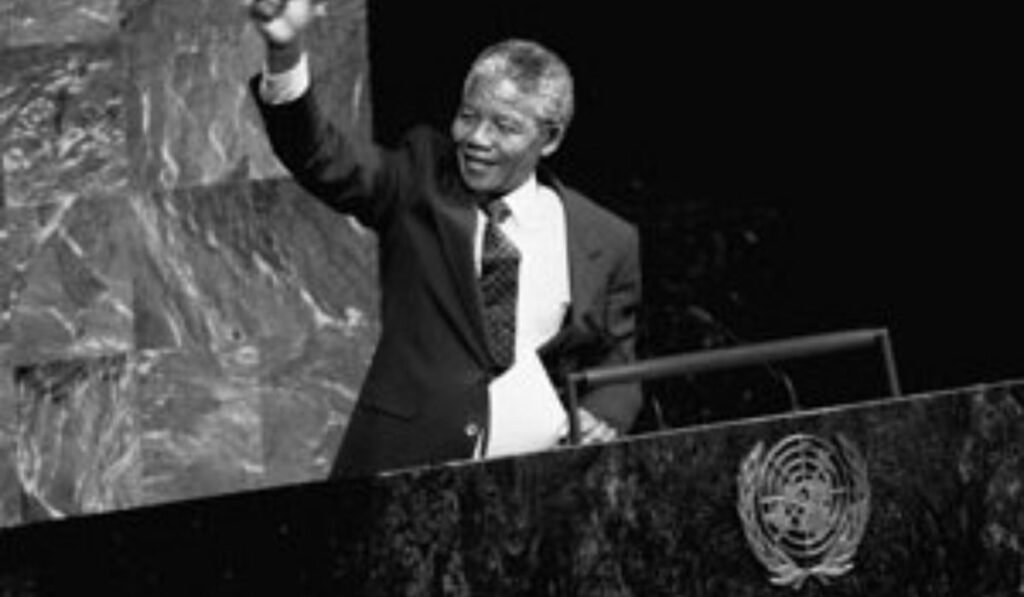
Pursuing higher education at institutions like the University of Fort Hare allowed Nelson Mandela to interact with fellow intellectuals who shared similar frustrations regarding systemic racial discrimination. His early activism manifested through student boycotts and campus politics, demonstrating a natural propensity for leadership that eventually led to disciplinary action and his departure from college. Undeterred, Nelson continued his academic journey through correspondence courses, eventually relocating to Johannesburg to study law at the University of the Witwatersrand. This legal training proved instrumental, equipping Nelson Mandela with the analytical tools needed to challenge discriminatory legislation and defend vulnerable citizens caught in the web of an oppressive judicial apparatus.
Entry into the African National Congress
Joining the African National Congress in the early nineteen-forties marked a decisive turning point where Nelson Mandela committed his entire professional life to organized political resistance. Alongside visionary contemporaries, he helped establish the ANC Youth League, injecting a militant, energetic spirit into an organization that required revitalization to combat intensifying state-sponsored segregation. Through strategic debates and grassroots mobilization, Nelson advocated for mass action, strikes, and civil disobedience as primary instruments to dismantle white minority rule. The leadership qualities displayed by Nelson Mandela during this turbulent decade cemented his status as a central figure within the broader liberation movement and national political discourse.
Establishing South Africas First Black Law Firm
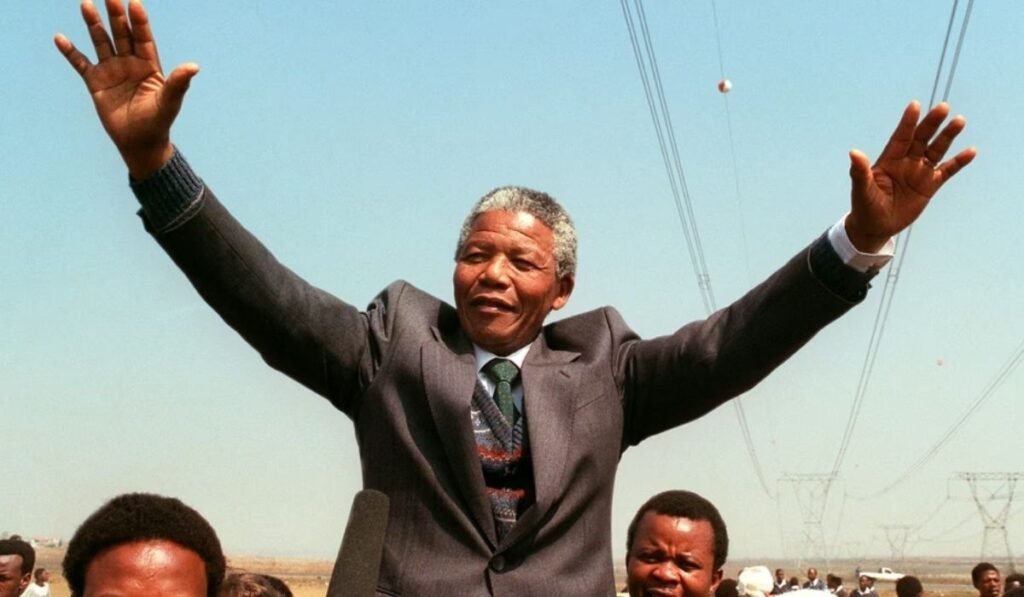
Opening the doors to legal practice alongside his colleague Oliver Tambo, Nelson Mandela provided essential, affordable representation to marginalized individuals targeted by unjust apartheid regulations. Their Johannesburg office became a beacon of hope, offering legal defense against forced removals, pass law violations, and arbitrary state arrests that plagued daily life for non-white citizens. Managing this demanding practice allowed Nelson to witness firsthand the systemic cruelty encoded into national statutes, further radicalizing his opposition to the ruling regime. Despite constant police harassment and professional obstacles, Nelson Mandela and his partners used the courtroom as an extension of their political activism, exposing state corruption and injustice.
The Defiance Campaign and Mass Mobilization
Orchestrating coordinated protests across major urban centers, Nelson Mandela served as a national volunteer-in-chief during the historic Defiance Campaign of the early nineteen-fifties. This systematic challenge against pass laws and discriminatory regulations required participants to deliberately court arrest, overwhelming the judicial system and drawing international attention. Traveling extensively to rally communities, Nelson demonstrated remarkable oratorical skill and organizational prowess, uniting diverse racial and ethnic groups against a common adversary. Although authorities responded with severe bannings and restrictive orders, the efforts led by Nelson Mandela successfully transformed the liberation struggle into a massive, highly disciplined national movement.
Drafting the Freedom Charter
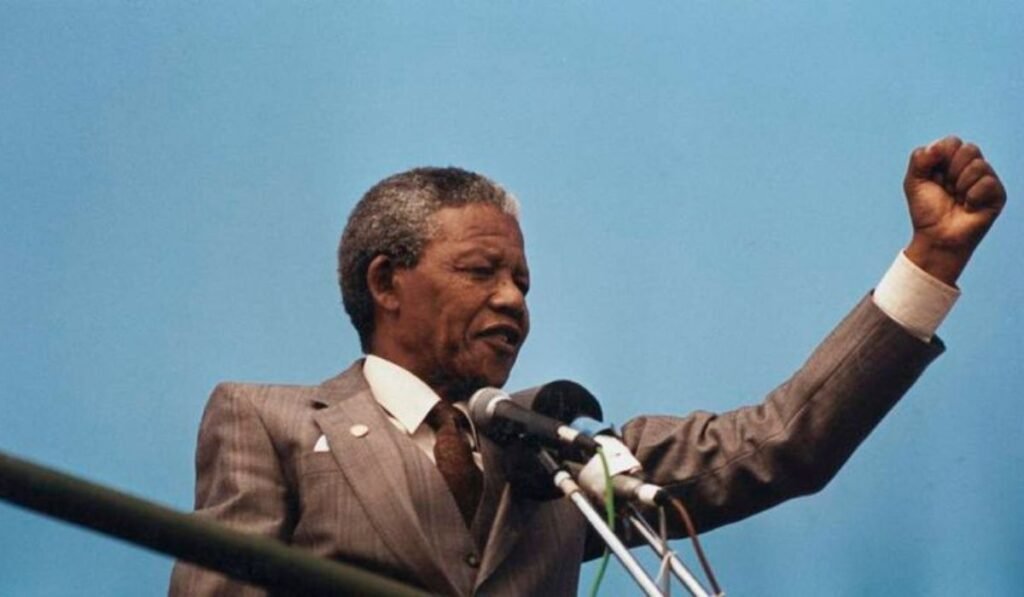
Contributing centrally to the historic Congress of the People, Nelson Mandela helped formulate the Freedom Charter, a visionary document outlining a democratic and egalitarian South Africa. This progressive manifesto declared that South Africa belongs to all who live in it, black and white, laying down foundational democratic principles that later influenced the post-apartheid constitution. The radical vision articulated in the charter terrified the ruling government, leading to widespread crackdowns and the infamous Treason Trial targeting Nelson Mandela and numerous other activists. Enduring years of grueling legal proceedings, Nelson Mandela and his co-defendants systematically dismantled the state’s accusations, ultimately securing an acquittal that energized the broader anti-apartheid resistance.
Transition to Armed Resistance
Following the tragic Sharpeville massacre in nineteen sixty, where police fired upon peaceful demonstrators, Nelson Mandela concluded that peaceful protest alone could no longer defeat the brutal apartheid regime. Recognizing the necessity of tactical diversification, Nelson Mandela co-founded Umkhonto we Sizwe, the militant wing of the African National Congress, serving as its first commander-in-chief. This organization initiated targeted sabotage campaigns against government infrastructure while strictly avoiding human casualties, aiming to force the regime to negotiate. Operating in clandestine conditions, Nelson Mandela traveled abroad for military training and diplomatic support, earning the moniker Black Pimpernel for his extraordinary ability to evade security forces.
The Rivonia Trial and Life Sentence
Captured by security police near Howick, Nelson Mandela faced prosecution in the high-profile Rivonia Trial on charges of sabotage and conspiracy to overthrow the state. Utilizing the courtroom dock as a global platform, Nelson Mandela delivered his iconic speech declaring his lifelong commitment to a democratic society where all persons live together in harmony. Despite mounting international outcry, the court handed down a sentence of life imprisonment, sending Nelson Mandela and his core comrades to the notorious maximum-security prison on Robben Island. This harsh judicial verdict attempted to silence Nelson Mandela, yet it inadvertently transformed him into a mythic figure of resistance whose name resonated across every continent.
Decades of Incarceration on Robben Island
Enduring brutal physical labor, extreme isolation, and strict censorship on Robben Island, Nelson Mandela maintained his unyielding psychological resolve and moral authority among fellow inmates. Transforming the prison into an intellectual hub known informally as Robben Island University, Nelson and senior leaders educated younger political prisoners, fostering deep political unity and discipline. Refusing numerous conditional release offers that required compromising his political principles, Nelson Mandela prioritized the collective liberation struggle over personal freedom. Throughout these dark decades, the quiet endurance of Nelson galvanized global solidarity campaigns, turning his prison cell into the moral center of the international anti-apartheid movement.
Secret Negotiations and Release from Prison
As international economic sanctions crippled South Africa and domestic unrest intensified, clandestine talks between government ministers and Nelson Mandela laid the groundwork for a peaceful political transition. Recognizing the inevitability of change, President F.W. de Klerk unbanned liberation movements and ordered the unconditional release of Nelson Mandela in February nineteen ninety. Walking out of Victor Verster Prison hand-in-hand with his wife Winnie, Nelson Mandela stepped into history, greeted by millions of ecstatic supporters cheering for the dawn of a new era. This historic liberation signaled the beginning of complex multi-party negotiations led by Nelson Mandela to dismantle minority rule and establish universal suffrage.
Winning the Nobel Peace Prize
Navigating extremely delicate negotiations amidst threats of civil conflict, Nelson Mandela demonstrated masterclass diplomacy, steering South Africa away from racial catastrophe toward democratic elections. His collaborative efforts with political adversaries to forge an interim constitution earned Nelson and F.W. de Klerk the prestigious Nobel Peace Prize in nineteen ninety-three. This global accolade recognized the extraordinary capacity for forgiveness and pragmatic statesmanship exhibited by Nelson during one of the twentieth century’s most challenging political transitions. Accepting the award, Nelson dedicated the honor to the millions of ordinary citizens who suffered under oppression yet never abandoned their hope for a free nation.
Presidency and National Reconciliation
Winning the landmark nineteen ninety-four multiracial general election, Nelson Mandela was sworn in as South Africa’s first Black president, heading a historic government of national unity. Rather than pursuing vengeance against former oppressors, Nelson championed a powerful message of racial reconciliation, famously utilizing cultural events like the nineteen ninety-five Rugby World Cup to unite a fractured nation. Establishing the Truth and Reconciliation Commission allowed Nelson Mandela to address past human rights abuses while fostering national healing through transparency and accountability. Under his visionary guidance, the administration of Nelson prioritized housing development, educational reform, and public infrastructure to uplift historically disenfranchised communities.
Post-Presidency Global Statesmanship
Stepping down voluntarily after a single presidential term, Nelson Mandela demonstrated that institutional democracy mattered more than clinging to political power, setting a rare precedent for African leaders. In retirement, Nelson Mandela transitioned into a tireless global elder statesman, mediating international conflicts in Burundi and advocating passionately for public health initiatives, particularly HIV/AIDS awareness. Establishing charitable foundations bearing his name, Nelson Mandela focused extensively on rural education, child welfare, and community development projects across underprivileged regions. The global stature of Nelson Mandela allowed him to command international attention for humanitarian causes, ensuring his moral voice remained influential on the world stage long after leaving public office.
Cultural Impact and Global Legacy
Respected globally as a universal symbol of peace, human dignity, and moral integrity, the life and philosophy of Nelson Mandela continue to inspire social justice movements worldwide. Countless educational institutions, public monuments, international art exhibits, and even celestial bodies bear his name, ensuring future generations remember his monumental sacrifices. Annual international observances dedicated to his birthday celebrate his lifelong commitment to community service, human rights, and the peaceful resolution of conflicts. The enduring cultural footprint of Nelson Mandela serves as a perpetual reminder that courage, forgiveness, and perseverance can triumph over seemingly insurmountable systemic evils.
Reflections on Leadership and Forgiveness
Examining the philosophical core of Nelson Mandela reveals a rare synthesis of strategic pragmatism and deep moral conviction that guided his approach to political conflict. He frequently emphasized that true leadership requires listening to opponents, acknowledging shared fears, and prioritizing the long-term well-being of society over short-term partisan victories. The remarkable ability of Nelson Mandela to forgive those who imprisoned him astonished the world, proving that personal magnanimity is a potent political instrument for national salvation. These timeless leadership principles practiced by Nelson Mandela offer an invaluable blueprint for modern politicians navigating polarized societies and complex governance challenges across the globe.
Family Life and Personal Sacrifices
Balancing the demands of a revolutionary life with personal relationships proved exceptionally difficult, requiring Nelson Mandela to sacrifice precious years of normal family life and fatherhood. His marriages to Evelyn Mase, Winnie Madikizela-Mandela, and later Graca Machel each coincided with different tumultuous phases of his personal and political evolution. State repression, extended bannings, and his prolonged imprisonment meant Nelson Mandela missed watching his children grow up, enduring profound personal grief when barred from attending family funerals. Despite these agonizing personal costs, the unwavering support of his family and extended clan sustained Nelson Mandela through the darkest chapters of his arduous journey toward national liberation.
Honors, Awards, and International Recognition
Accumulating hundreds of prestigious international accolades, honorary degrees, and civic freedoms, Nelson Mandela remains the most honored political prisoner and statesman in modern history. From receiving the United Nations Gandhi Peace Prize to being granted honorary citizenship in nations across every continent, the global community showered Nelson Mandela with tokens of deep admiration. Musicians, artists, poets, and writers dedicated major works to celebrate his indomitable spirit and his monumental triumph over institutionalized oppression. Yet, amidst this mountain of international praise, Nelson Mandela consistently deflected personal glory, maintaining a profound humility that endeared him even further to ordinary people everywhere.
Passing and Eternal Reminiscence
The passing of Nelson Mandela in December two thousand and thirteen triggered an unprecedented global outpouring of grief, respect, and celebration from world leaders and everyday citizens alike. Memorial services attended by international dignitaries transformed into vibrant celebrations of a life dedicated entirely to the service of humanity and the pursuit of freedom. Although his physical presence left the world, the teachings, writings, and moral framework established by Nelson Mandela continue to guide ethical governance and social activism globally. As nations grapple with ongoing injustices, the enduring spirit of Nelson Mandela remains a guiding light illuminating the path toward a more equitable, compassionate, and peaceful world.
Conclusion and Historical Significance
Summarizing the monumental impact of Nelson Mandela requires recognizing that his life was a testament to the unyielding power of the human spirit when confronted with tyranny. From his early rural upbringing to his historic presidency, he demonstrated that integrity, patience, and radical forgiveness can overthrow the most entrenched systems of oppression. The legacy left behind by Nelson Mandela challenges every generation to stand up against injustice, bridge social divides, and work tirelessly for universal human dignity. To understand the profound depth of his extraordinary global footprint and historical context, one can explore comprehensive academic entries detailing his journey on Nelson Mandela.
Frequently Asked Questions
- When was Nelson Mandela born?
- Nelson Mandela was born on July 18, 1918.
- How many years was Nelson Mandela imprisoned?
- He spent 27 years in prison for opposing apartheid.
- What major international award did he win in 1993?
- He was jointly awarded the Nobel Peace Prize.
- What was the name of the political party he led to power?
- He led the African National Congress (ANC) to victory.
- When did Nelson Mandela serve as president of South Africa?
- He served as the country’s first Black president from 1994 to 1999.