 admin
admin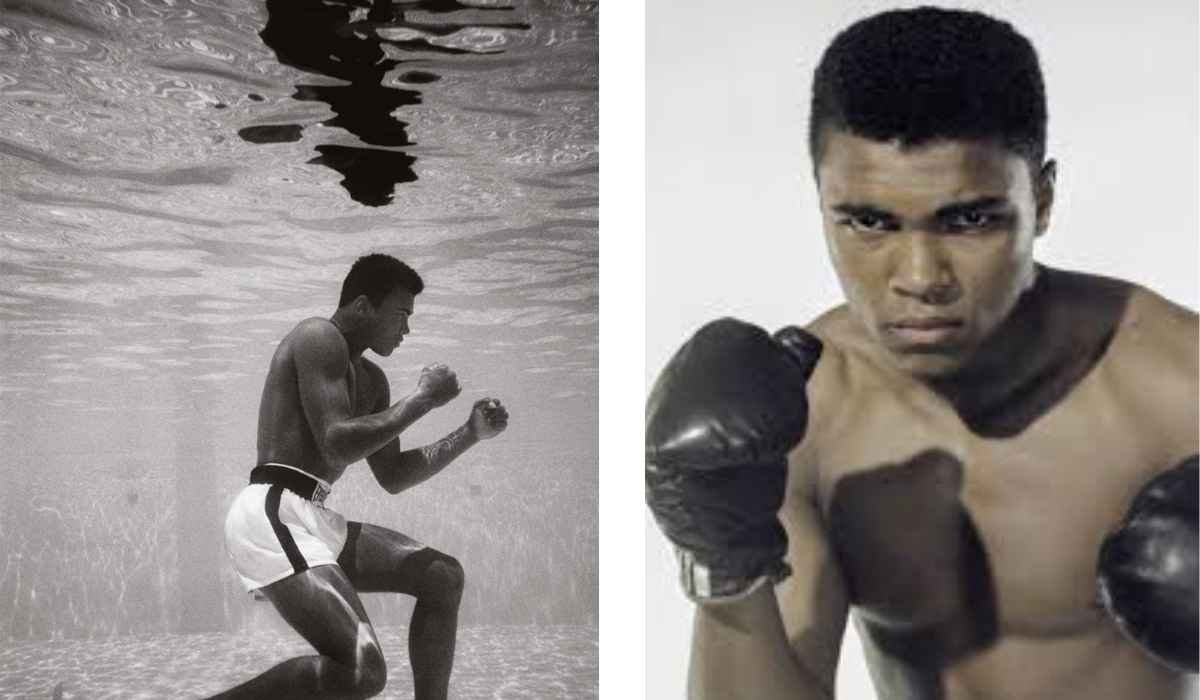
The legendary life of Mohammad Ali remains an inspiring testament to athletic brilliance, unbreakable courage, and profound global impact that continues to captivate millions of fans worldwide. Born as Cassius Marcellus Clay Jr. in Louisville, Kentucky, he transformed the sport of boxing through his unmatched speed, agility, and revolutionary fighting style inside the squared ring. Beyond his astonishing athletic achievements and historic championship reigns.
Mohammad Ali emerged as a defining cultural figure of the twentieth century by standing firmly for his personal convictions, civil rights, and social justice. His charismatic personality, sharp wit, and poetic predictions revolutionized how athletes interacted with the media, turning sports broadcasting into a grand spectacle of entertainment and psychological warfare. Even decades after hanging up his gloves, the enduring spirit of Mohammad Ali continues to inspire new generations to fight for their beliefs, overcome adversity with grace, and strive for greatness in every aspect of their personal and professional endeavors.
Quick Bio
| Attribute | Detail |
| Full Name | Cassius Marcellus Clay Jr. (Later Mohammad Ali) |
| Date of Birth | January 17, 1942 |
| Place of Birth | Louisville, Kentucky, United States |
| Profession | Professional Boxer, Activist, Philanthropist |
| Famous Moniker | The Greatest |
Early Beginnings and Childhood Roots in Louisville
Growing up in Louisville during a time of deep racial segregation profoundly shaped the worldview and fierce determination of Mohammad Ali as a young boy. Discovering his talent for boxing at the tender age of twelve after his bicycle was stolen, he began training intensely under the guidance of local police officer and trainer Joe E. Martin. Displaying natural athletic gifts and an extraordinary work ethic, Mohammad Ali quickly dominated the local amateur boxing circuits, showcasing lightning-fast footwork and defensive reflexes that baffled opponents twice his experience level. His childhood environment instilled in him a resilient spirit, teaching him how to channel societal pressures into a relentless drive for success, self-improvement, and eventual worldwide athletic dominance.
Amateur Glory and the 1960 Rome Olympic Triumph
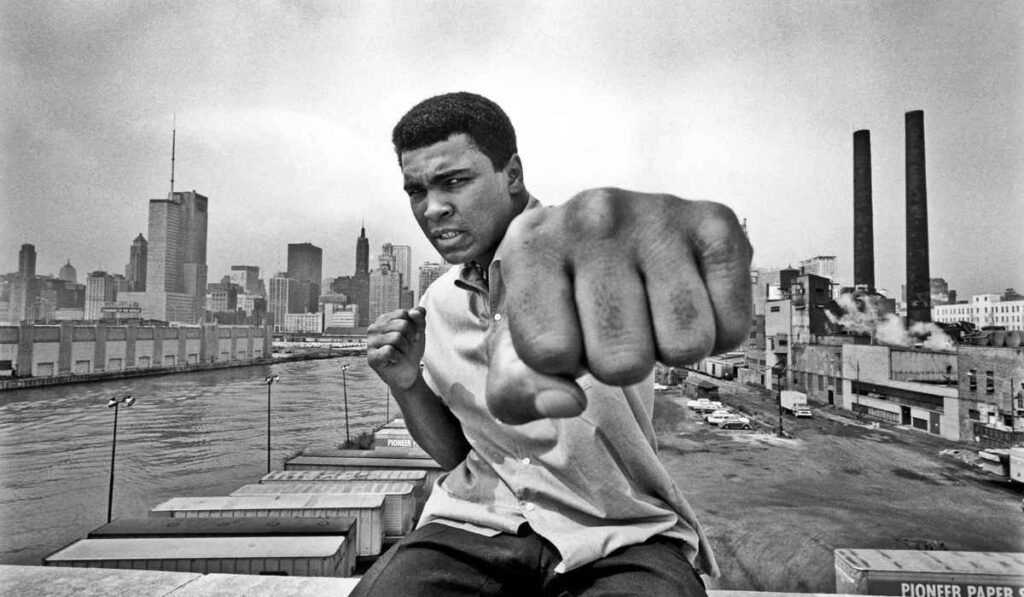
The meteoric rise of Mohammad Ali reached a monumental milestone when he traveled to Italy to compete in the 1960 Summer Olympic Games held in Rome. Fighting in the light heavyweight division, he mesmerized international judges and spectators alike with his unorthodox style, keeping his hands low while gracefully dancing around seasoned international opponents. Securing the gold medal with a dominant performance in the final match, Mohammad Ali announced his arrival on the global stage with unbridled joy and patriotic pride, proudly wearing his medal everywhere he went upon returning home. This defining amateur triumph validated years of grueling gym sessions, laying the solid psychological and physical foundation required for his impending transition into the fierce world of professional prize fighting.
Professional Debut and Rapid Ascent to Stardom
Stepping into the professional ranks in late 1960, Mohammad Ali embarked on a sensational winning streak that quickly caught the attention of the global sports media establishment. Fighting out of his hometown and training with legendary cornerman Angelo Dundee, he combined extraordinary speed with knockout power to dispatch early opponents while verbally predicting the exact round in which each fight would end. Promoters and fans were equally mesmerized by the brash young contender who refused to conform to traditional stereotypes, making Mohammad Ali the most talked-about athlete in America as he marched steadily toward a mandatory world title opportunity.
The Historic 1964 Title Win Against Sonny Liston
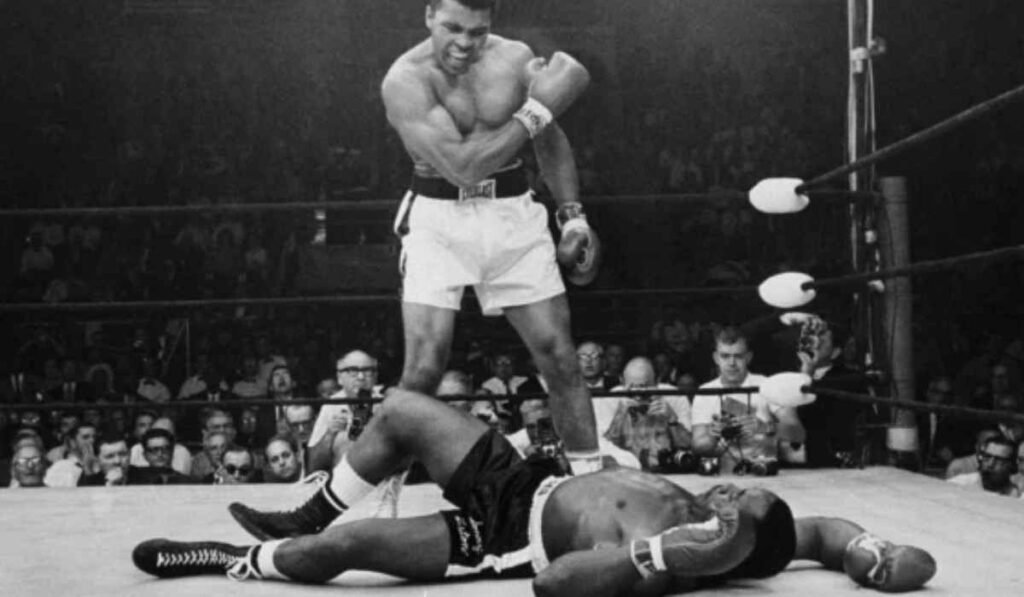
The pivotal moment of mid-century sports history occurred on February 25, 1964, when a twenty-two-year-old Mohammad Ali faced off against the fearsome and heavily favored heavyweight champion Sonny Liston. Pre-fight weigh-ins featured his famous verbal rhymes and psychological intimidation tactics, creating an electric atmosphere of anticipation inside the Miami Beach Convention Hall before the opening bell finally sounded. Utilizing superior speed and tactical brilliance, Mohammad Ali dazzled the champion before Liston shockingly failed to answer the bell for the seventh round, crowning Mohammad Ali the new undisputed heavyweight king of the world.
Embracing Faith and Changing His Name Forever
Shortly after capturing his first world title, Mohammad Ali shocked mainstream America by announcing his conversion to Islam and his association with the Nation of Islam under the spiritual guidance of Malcolm X. Abandoning what he termed his slave name, he chose to adopt the name Mohammad Ali, symbolizing a profound spiritual rebirth, cultural identity, and liberation from historical oppression. This bold religious choice alienated many traditional sports fans and conservative commentators, yet Mohammad Ali remained completely unfazed, standing tall in his newfound spiritual convictions despite immense public backlash, boycotts, and relentless scrutiny from sports organizations and media outlets.
The Rematch with Liston and the Phantom Punch
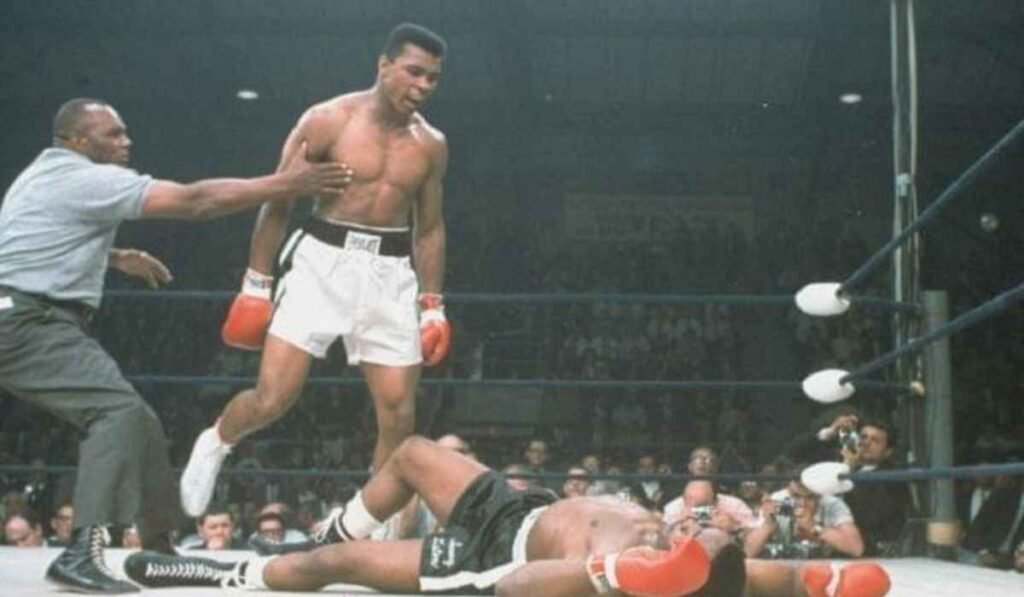
Defending his newly won crown against Sonny Liston in Lewiston, Maine, in 1965, Mohammad Ali silenced any lingering doubts regarding the legitimacy of his initial victory with a stunning performance. Barely two minutes into the first round, a lightning-fast right hand caught Liston flush on the jaw, sending the former champion crashing to the canvas in what quickly became known globally as the phantom punch. Standing over his fallen opponent and screaming at sports reporters to wake up and acknowledge his brilliance, Mohammad Ali cemented his status as a dominant force of nature whose physical capabilities transcended ordinary human athletic limitations.
Artistic Flair Verse and the Persona of The Greatest
Long before modern hip-hop culture adopted rhythmic rhyming, Mohammad Ali pioneered the art of spoken word trash talk through clever couplets that predicted fight outcomes with uncanny accuracy. Verses like float like a butterfly and sting like a bee became cultural catchphrases, showcasing a brilliant marketing mind that understood how to sell tickets while simultaneously getting inside the heads of every opponent. This theatrical persona transformed Mohammad Ali from a mere boxer into a charismatic pop culture icon, bridging the gap between sports, comedy, poetry, and social commentary in a way that had never been witnessed before in athletic history.
Moral Stand and Resistance to the Vietnam War Draft
In 1967, at the absolute peak of his athletic powers, Mohammad Ali made the courageous decision to refuse induction into the United States military during the height of the escalation of the Vietnam War. Citing his religious beliefs as a conscientious objector, he famously declared that no Vietcong ever called him a nigger, sparking a nationwide firestorm of political debate, patriotism controversies, and legal battles. This principled refusal cost Mohammad Ali his boxing license, his passport, and the prime years of his athletic career, proving that his commitment to justice, human dignity, and anti-war principles far outweighed personal wealth, fame, and championship belts.
Exile Years and the Cost of Conscience
Stripped of his heavyweight title and banned from competing within the United States, Mohammad Ali spent more than three years in forced professional exile during the prime of his athletic life. Rather than fading into obscurity, he traveled across college campuses delivering powerful lectures on civil rights, racial equality, religious freedom, and peace, winning the admiration of anti-war activists worldwide. These difficult years tested the emotional and financial resilience of Mohammad Ali, yet his unwavering refusal to compromise his ethical framework turned him into an enduring global symbol of resistance against institutional oppression and state-sponsored injustice.
Legal Triumph and the Return to the Ring
Following a landmark legal battle that culminated in the Supreme Court overturning his draft evasion conviction in 1971, Mohammad Ali finally secured the legal right to resume his professional boxing career. Stepping back into the ring for what sports writers dubbed the Fight of the Century against arch-rival Joe Frazier, Mohammad Ali experienced his first professional defeat in a brutal fifteen-round war. Despite suffering this humbling setback, the sheer courage displayed by Mohammad Ali during the grueling encounter proved to skeptical fans that the former champion had lost none of his fighting heart, setting the stage for an epic multi-year comeback journey.
The Thrilla in Manila and Epic Trilogy with Frazier
The legendary rivalry between Mohammad Ali and Joe Frazier reached its violent and emotional climax during their historic rubber match known as the Thrilla in Manila in the Philippines. Exchanging punishing blows in suffocating tropical heat, both warriors pushed their human bodies past absolute exhaustion until Frazier’s trainer mercifully pulled his fighter out before the fifteenth round began. Reflecting on the brutal contest afterward, Mohammad Ali remarked that it was the closest thing to dying that he had ever experienced, etching this iconic athletic battle forever into the collective memory of sports history worldwide.
The Rumble in the Jungle and Defeating George Foreman
Perhaps the most tactically brilliant performance of his entire career occurred in Zaire in 1974, when Mohammad Ali faced the undefeated, terrifying knockout artist George Foreman for the heavyweight championship. Inventing the revolutionary rope-a-dope strategy, Mohammad Ali leaned against the padded ropes and absorbed punishing body blows while letting Foreman punch himself into complete exhaustion during the stifling African night. Capitalizing on Foreman’s fatigue in the eighth round, Mohammad Ali unleashed a sudden flurry of punches that sent the champion crashing to the mat, reclaiming the world crown and stunning the entire global sporting community.
Third Reign as Champion and Later Career Challenges
Securing the heavyweight title for a historic third time later in his career, Mohammad Ali demonstrated remarkable tactical adaptation as his lightning-fast physical speed naturally began to wane with advancing age. Fights against formidable contenders like Ken Norton and Earnie Shavers proved his unmatched ring intelligence, though punishing bouts against Larry Holmes and Trevor Berbick later highlighted the toll that boxing took on his physical body. Announcing his permanent retirement from professional boxing in 1981, Mohammad Ali closed the curtain on an unmatched athletic career filled with legendary triumphs, global drama, and unforgettable moments of raw human courage.
Transition to Global Humanitarianism and Philanthropy
Upon stepping away from the squared ring, Mohammad Ali redirected his boundless energy toward global humanitarian efforts, grassroots diplomacy, and charitable philanthropy across multiple continents. Acting as a goodwill ambassador, he traveled on diplomatic missions to negotiate the release of American hostages in Lebanon and deliver critical medical supplies to impoverished communities in developing nations. His gentle demeanor, infectious smile, and unwavering compassion endeared him to world leaders, orphans, and ordinary citizens alike, proving that the true greatness of Mohammad Ali extended far beyond athletic championships into the realm of universal human kindness.
Battling Parkinson Syndrome with Grace and Dignity
In the early 1980s, Mohammad Ali publicly announced his diagnosis of Parkinson syndrome, a neurological condition that slowly impaired his physical movements and speech patterns. Rather than retreating from public view, he faced this debilitating health challenge with extraordinary grace, humor, and resilience, continuing to travel the world and inspire millions of individuals facing their own personal adversities. His courage in the face of chronic illness transformed public perception of neurological disorders, raising crucial global awareness while proving that dignity, strength of character, and a warm spirit remain independent of physical health.
Iconic Olympic Torch Lighting at Atlanta 1996
One of the most emotionally resonant moments in modern sports history occurred when a trembling Mohammad Ali emerged to light the Olympic flame at the opening ceremony of the 1996 Atlanta Summer Games. Holding the torch with visible physical tremors while displaying his unmistakable inner radiance, he captured the hearts of billions of television viewers watching from every corner of the globe. This breathtaking surprise tribute honored his enduring legacy as a global ambassador of peace, unifying diverse cultures and reminding humanity of the unbreakable power of perseverance, athletic excellence, and unyielding human spirit.
Global Honors Awards and Sportsman of the Century
Throughout his lifetime and following his passing, Mohammad Ali received an overwhelming multitude of prestigious international awards, civil honors, and lifetime achievement recognitions from esteemed institutions worldwide. Reputable publications such as Sports Illustrated named him Sportsman of the Century, while the BBC honored Mohammad Ali as Sports Personality of the Century for his unmatched contributions to global athletics and society. Monuments, museums, boulevards, and cultural centers bearing his name continue to welcome millions of annual visitors in Louisville and across international borders, ensuring his remarkable name and historical impact endure forever.
Enduring Cultural Impact on Modern Sports and Society
The cultural footprint left behind by Mohammad Ali extends deeply into modern professional sports, contemporary music, civil rights activism, and global social justice movements practiced today. He paved the absolute path for modern athletes to express political opinions, negotiate lucrative independent contracts, and control their personal public brands without fear of institutional reprisal. By demonstrating that a sports champion could use athletic fame as a powerful platform for positive social change, Mohammad Ali permanently altered the intersection of entertainment, politics, and culture, cementing his status as an immortal historical figure.
Final Reflections on the Immortal Legacy of The Greatest
Reflecting upon the extraordinary life journey of Mohammad Ali reveals a complex, courageous, and deeply compassionate human being who redefined the limits of physical and moral excellence. From his humble beginnings boxing in Louisville to lighting the Olympic flame in Atlanta, his narrative remains an eternal source of inspiration for anyone striving to overcome impossible odds. The timeless ideals championed by Mohammad Ali regarding peace, equality, and self-respect continue to resonate across generations, ensuring that his legendary spirit will forever echo down the corridors of human history as the greatest of all time.
FAQs
- When was Mohammad Ali born?
- Mohammad Ali was born on January 17, 1942.
- What was the original birth name of Mohammad Ali?
- His original birth name was Cassius Marcellus Clay Jr.
- How many times did Mohammad Ali win the world heavyweight championship?
- He won the world heavyweight championship three times during his professional boxing career.
- Why did Mohammad Ali refuse the military draft in 1967?
- He refused the military draft due to his religious beliefs as a Muslim and his principled opposition to the Vietnam War.
- When did Mohammad Ali pass away?
- He passed away on June 3, 2016.