 admin
admin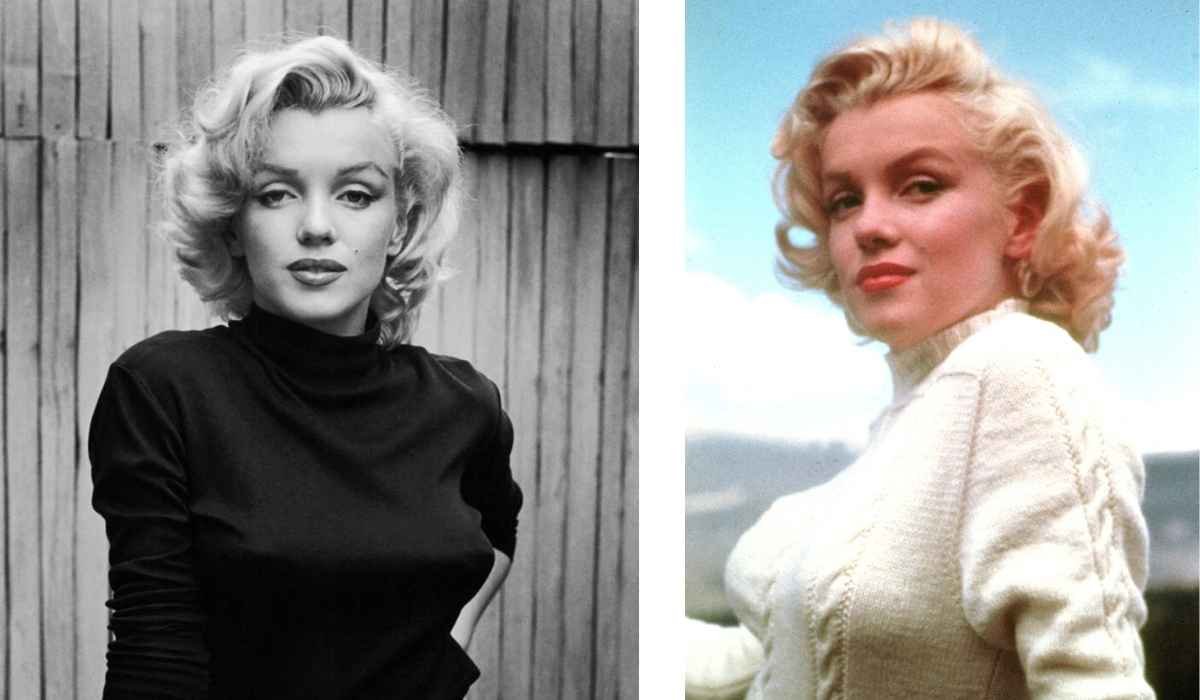
The cultural legacy of Marilyn Monroe remains one of the most powerful and fascinating studies in the history of global entertainment and cinema. Born as Norma Jeane Mortenson in Los Angeles, California, she transformed herself against all odds to capture the collective imagination of millions worldwide. Her journey from a difficult and unstable childhood to becoming the ultimate symbol of Hollywood glamour is a story of immense resilience, artistic ambition, and deep vulnerability. Throughout her extraordinary career, she starred in some of the most iconic films ever produced, forever altering the landscape of popular culture. This article explores her multifaceted life.
Quick Bio
| Attribute | Detail |
| Birth Name | Norma Jeane Mortenson |
| Stage Name | Marilyn Monroe |
| Born | June 1, 1926 |
| Died | August 4, 1962 |
| Profession | Actress, Model, Singer |
| Years Active | 1945–1962 |
Early Childhood and Humble Beginnings in Los Angeles
The early life of Marilyn Monroe was defined by profound instability, frequent changes, and a desperate search for security and affection. Born in a local Los Angeles hospital during the summer of 1926, she spent her formative years navigating a fragmented foster care system. Her mother struggled heavily with severe mental health issues, making it completely impossible to provide a stable home environment for her young daughter. Despite these challenging circumstances, young Norma Jeane developed a vivid imagination and an early fascination with the magical world of motion pictures that flourished just down the street.
Transitioning Into the Modeling World and Discovering Ambition
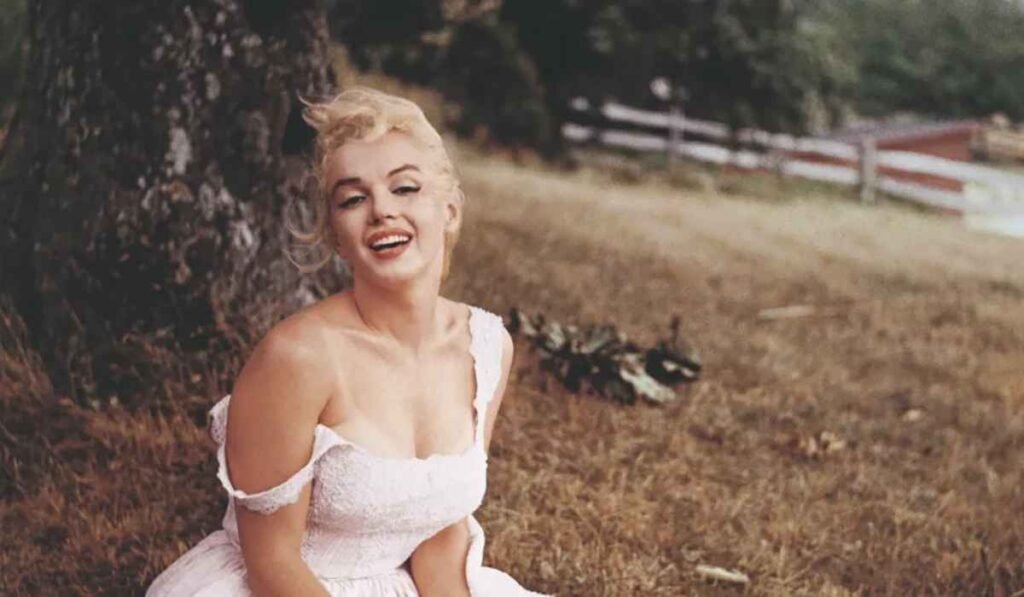
Working at a local munitions factory during wartime proved to be a turning point when a talented army photographer spotted her natural photogenic qualities. This unexpected discovery launched Marilyn Monroe into a thriving career as a highly sought-after pin-up model for various magazines. She quickly learned how to work effortlessly in front of the camera, understanding angles, lighting, and expression in a way that set her apart from her peers. Modeling gave her financial independence and a taste of public recognition, planting the crucial seeds for her ultimate transition into the competitive arena of professional acting.
Signing With Major Studios and Adopting Her Iconic Stage Name
Entering the gates of Hollywood required a complete reinvention, leading her to dye her naturally brown hair into a striking platinum blonde shade. Studio executives and agents helped her select a memorable pseudonym, and thus Marilyn Monroe was officially born to the entertainment world. Her initial studio contracts brought small, fleeting parts that barely showcased her true potential, yet she remained utterly determined to make a lasting impression. Learning the intricate mechanics of filmmaking from behind the scenes, she studied every aspect of performance with an intense, quiet dedication that many casual observers completely failed to notice.
Breakthrough Performances That Captivated Global Audiences
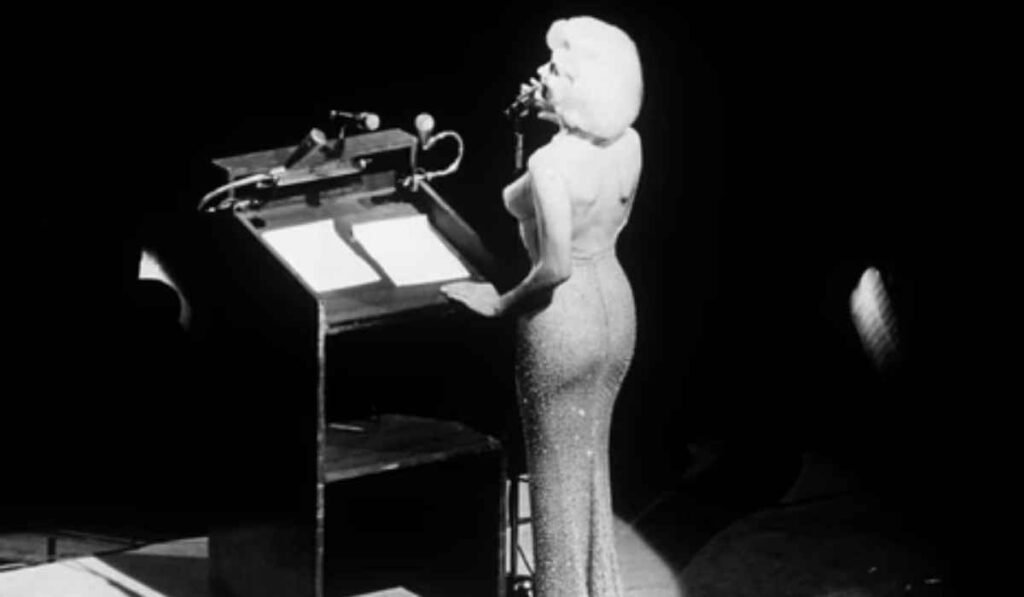
The early nineteen-fifties brought critical breakthroughs through unforgettable supporting roles in acclaimed dramas like The Asphalt Jungle and All About Eve. These sophisticated performances proved that Marilyn Monroe possessed genuine dramatic depth that extended far beyond simple glamour and visual appeal. Audiences immediately responded to her magnetic screen presence, catapulting her into international stardom virtually overnight. Critics began to take notice of her unique ability to combine raw emotional vulnerability with sparkling comedic timing, establishing a brand-new archetype for leading women in mainstream cinema.
Mastering the Art of Comedy and Becoming a Box Office Giant
Establishing herself as a premier box office draw, Marilyn Monroe starred in a string of legendary comedic masterpieces that cemented her legendary status. Her unforgettable work in pictures like Gentlemen Prefer Blondes and How to Marry a Millionaire showcased her exceptional talent for musical performance and lighthearted satire. She commanded the screen with a delightful, self-aware charm that completely subverted the traditional expectations of female characters during that era. Ticket sales soared into the millions, making her the undisputed queen of Twentieth Century-Fox and a cultural phenomenon of unmatched global proportions.
The Iconic Subway Grate Scene and Global Pop Culture Immortality
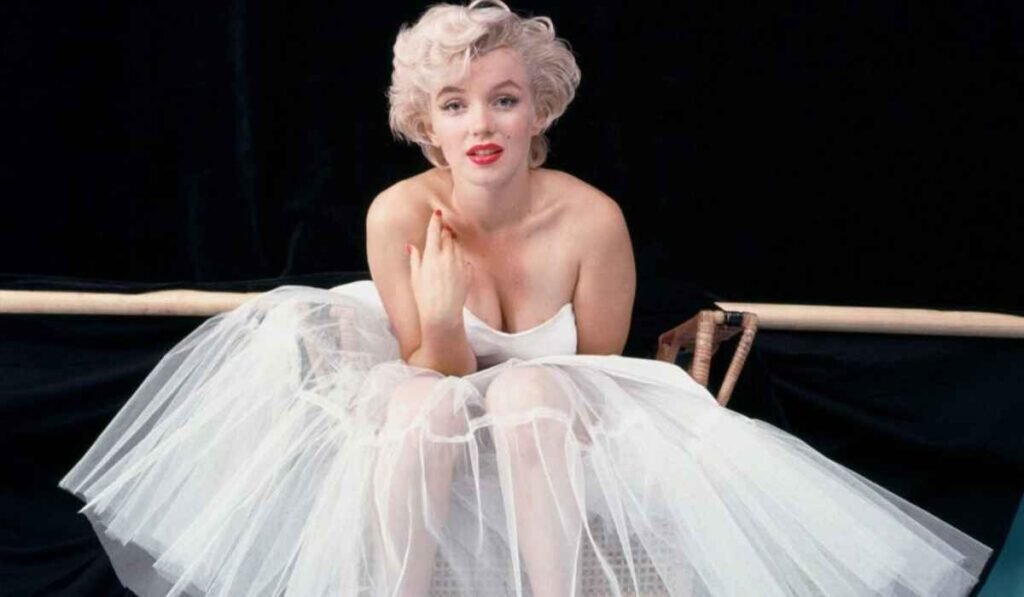
Few cinematic moments match the sheer cultural saturation of the famous subway vent sequence from the hit comedy The Seven Year Itch. Filmed on location in New York City amidst massive crowds of cheering fans and flashing cameras, Marilyn Monroe created an immortal pop culture image. Her billowing white dress and radiant smile became instantly recognizable across every corner of the planet, defining the visual aesthetic of the entire decade. This specific sequence transformed her from a standard movie star into a timeless mythological figure of modern beauty and mass media attraction.
Challenging Typecasting Through Dedicated Acting Studies in New York
Frustrated by Hollywood studios repeatedly offering her identical, superficial roles, Marilyn Monroe made the bold decision to leave California temporarily for New York. There, she enrolled at the prestigious Actors Studio to study under Lee Strasberg, immersing herself completely in the rigorous techniques of method acting. This intense training helped her conquer deep-seated stage fright and emotional insecurities, allowing her to tap into authentic psychological depths for future performances. She yearned for serious artistic respect, proving that her commitment to her craft was far more profound than studio executives ever cared to acknowledge.
Founding Marilyn Monroe Productions for Greater Creative Control
Taking her career into her own hands, Marilyn Monroe took the unprecedented step of establishing her very own independent film production company. By forming Marilyn Monroe Productions, she successfully fought the major studio system for better financial compensation and creative autonomy over her scripts. This pioneering business move placed her among a tiny handful of women in Hollywood history to exert direct control over their professional destinies. Her courageous legal and professional battles paved the way for future generations of actresses demanding equal power and respect within the entertainment industry.
Critical Acclaim and International Recognition Overseas
Collaborating with legendary British actor and director Laurence Olivier on the transatlantic production The Prince and the Showgirl brought fresh artistic validation. Although working conditions on the set were notoriously tense and complicated, Marilyn Monroe delivered a nuanced performance that earned enthusiastic praise abroad. She received prestigious international accolades, including awards in Europe that acknowledged her distinct talent away from the traditional Hollywood machine. These overseas honors provided sweet vindication for an actress who had constantly fought to be taken seriously by cynical domestic critics.
Delivering the Performance of a Lifetime in Some Like It Hot
The apex of her cinematic career arrived when Marilyn Monroe starred in Billy Wilder’s timeless comedy masterpiece, Some Like It Hot. Playing the sweet and vulnerable band singer Sugar Kane Kowalczyk, she delivered a dazzling performance filled with warmth, humor, and exquisite musical numbers. Her impeccable delivery of classic lines and memorable songs won her the Golden Globe Award for Best Actress, marking a definitive career milestone. Film historians and contemporary critics alike still celebrate this specific role as the absolute finest showcase of her unique cinematic genius.
High-Profile Marriages and Intense Personal Relationships
Her romantic life was subject to relentless public scrutiny, constant media obsession, and intense personal heartbreak throughout her years in the spotlight. High-profile marriages to baseball legend Joe DiMaggio and renowned playwright Arthur Miller placed Marilyn Monroe at the absolute center of American social fascination. Each relationship brought distinct pressures, blending the worlds of high intellectual culture, sports, and Hollywood glamour into a volatile mixture. Despite seeking traditional domestic happiness, her demanding career and personal struggles ultimately contributed to the eventual dissolution of these high-profile unions.
Battling Personal Demons, Chronic Insomnia, and Severe Anxiety
Behind the glittering facade of immense wealth and global fame, Marilyn Monroe waged a daily private war against severe anxiety, depression, and insomnia. The relentless public demand that she always maintain a cheerful, perfect persona weighed heavily on her sensitive and thoughtful personality. She relied increasingly on medical prescriptions to cope with chronic exhaustion and physical ailments, leading to difficult periods during film productions. Studio executives frequently misunderstood her health battles, labeling her difficult when she was actually experiencing deep personal pain and emotional distress.
Her Final Film Project and Sudden, Tragic Passing
The final months of her life were marked by professional friction, health complications, and the challenging production of the unfinished movie Something’s Got to Give. On the fateful night of August 4, 1962, Marilyn Monroe tragically passed away at her home in Brentwood, Los Angeles, due to an acute barbiturate overdose. Her sudden and unexpected death at the young age of thirty-six sent shockwaves of grief across the entire globe, plunging millions of fans into deep mourning. The immediate outpouring of sorrow confirmed just how deeply her unique spirit had touched the hearts of people everywhere.
Lasting Cultural Impact and Posthumous Popular Culture Icon Status
In the decades following her untimely death, the legendary status of Marilyn Monroe has only continued to grow, evolving into a permanent fixture of global pop culture. Her distinct image has inspired countless artists, photographers, musicians, and fashion designers, ranging from Andy Warhol to modern pop superstars. She remains the quintessential blueprint for modern celebrity, representing both the intoxicating magic and the hidden perils of fame. Educational institutions and film archives regularly study her movies, ensuring that her artistic contributions are preserved and celebrated for future generations.
Feminist Reinterpretations and the Real Woman Behind the Myth
Modern cultural analysis has significantly shifted how scholars interpret the legacy and intelligence of Marilyn Monroe, moving past outdated stereotypes. Biographers and feminist historians now emphasize her sharp business acumen, her courageous establishment of an independent production company, and her resilience. Rather than viewing her merely as a passive victim of the studio system, contemporary observers celebrate her active agency in crafting her own iconic persona. This progressive reevaluation ensures that the complex, intelligent woman behind the glamorous screen image is finally recognized and fully appreciated.
Preservation of Her Cinematic Work and National Film Registry Honors
The cinematic achievements of Marilyn Monroe continue to receive formal institutional recognition through prestigious archival preservation projects and major retrospectives. Several of her most celebrated motion pictures, including Some Like It Hot and All About Eve, have been selected for preservation in the United States National Film Registry. These official honors highlight the enduring artistic merit and historical significance of her filmography, proving that her movies possess timeless appeal. Film preservationists work tirelessly to restore original prints so that modern audiences can experience her performances in pristine visual quality.
Global Merchandise, Advertising, and Continuous Commercial Relevance
Commercial markets across the globe continue to generate massive interest using the likeness, photographs, and signature style of Marilyn Monroe. From luxury fashion campaigns to high-end cosmetic lines and vintage memorabilia collections, her marketability remains remarkably strong even in the modern digital age. Licensing agencies manage her estate with great care, ensuring that her image is represented in ways that honor her sophisticated artistic legacy. This ongoing commercial presence demonstrates that her aesthetic influence is entirely timeless, transcending the specific era in which she lived and worked.
Tributes in Music, Literature, Fine Art, and Poetry
Artists across every conceivable creative discipline have composed countless tributes dedicated to capturing the essence of Marilyn Monroe in their work. Legendary musicians have written chart-topping melodic ballads about her life, while acclaimed poets and novelists have explored the emotional duality of her extraordinary journey. Pop art icons famously utilized her photographic prints to comment on the nature of mass media consumption and modern celebrity worship. These diverse creative expressions confirm that her cultural footprint extends far beyond traditional cinema, embedding itself deeply into the collective global consciousness.
Conclusion: The Eternal Legacy of Hollywood’s Greatest Legend
Reflecting upon the extraordinary life and career of Marilyn Monroe reveals a narrative defined by relentless ambition, artistic growth, and cultural revolution. She managed to transform personal adversity into transcendent art, leaving behind a cinematic treasury that continues to inspire and captivate audiences worldwide. Her unique combination of striking beauty, vulnerability, and sharp comedic brilliance ensures her place as an immortal icon of modern entertainment history. For deeper historical background and detailed filmography data regarding her remarkable career, you can explore the Marilyn Monroe overview.
FAQs
- What was the real birth name of Marilyn Monroe?
- She was born with the birth name Norma Jeane Mortenson on June 1, 1926.
- When and how did Marilyn Monroe pass away?
- She died on August 4, 1962, at the age of thirty-six from an acute barbiturate overdose in Los Angeles.
- Which film won her a Golden Globe Award for Best Actress?
- She earned her Golden Globe win for her unforgettable performance in the hit comedy Some Like It Hot.
- Did Marilyn Monroe start her own film production company?
- Yes, she successfully founded Marilyn Monroe Productions in 1955 to gain creative control over her movie projects.
- How many feature films did she complete during her active career?
- She completed a total of twenty-nine motion pictures throughout her prominent decade as a top-billed star.