 admin
admin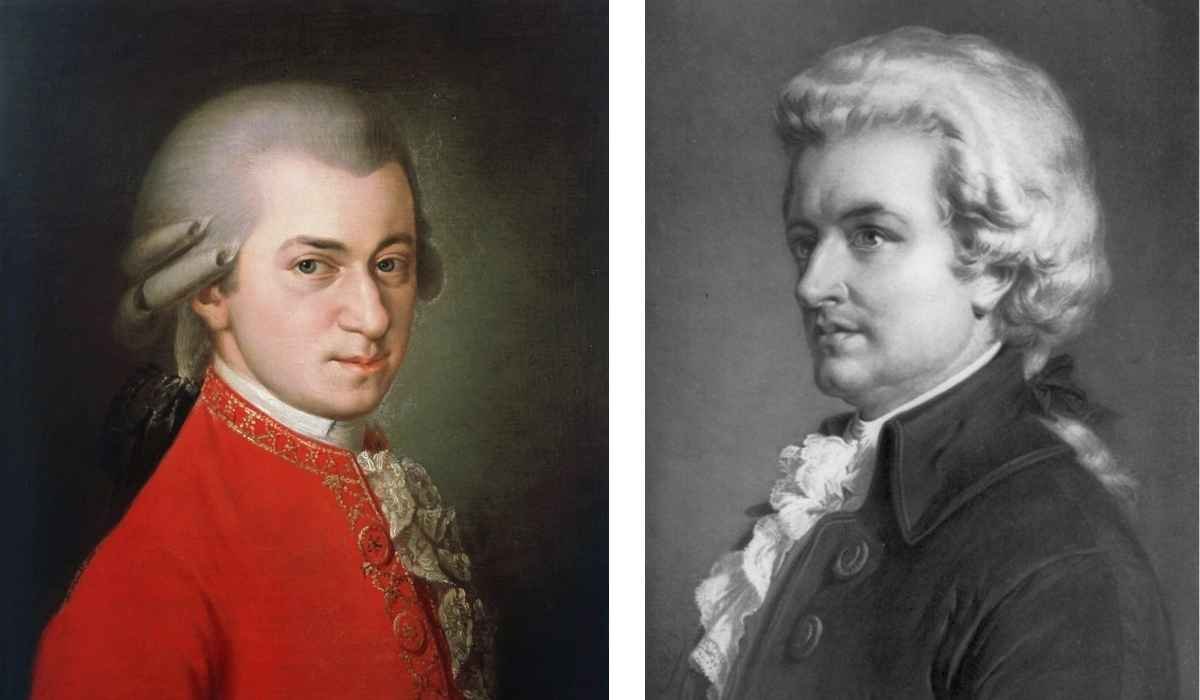
The Early Musical Prodigy and Salzburg Beginnings
Born in Salzburg in 1756, Amadeus Mozart displayed astonishing musical talent from a very tender age. Under the strict yet loving guidance of his father, Leopold, young Wolfgang learned to play the keyboard and violin before most children could read or write. His innate ability to comprehend complex harmonies astonished royal courts across Europe during extensive family tours. These formative years exposed him to diverse musical styles, shaping an eclectic foundation that would define his entire artistic career. Every melody he encountered was absorbed, analyzed, and reimagined into something uniquely his own, setting the stage for future greatness.
Quick Bio Overview
| Feature | Detail |
|---|---|
| Full Name | Wolfgang Amadeus Mozart |
| Birth Date | January 27, 1756 |
| Birthplace | Salzburg, Archbishopric of Salzburg, Holy Roman Empire |
| Death Date | December 5, 1791 (aged 35) |
| Occupation | Composer, Musician |
| Key Era | Classical Period |
Touring Europe as a Child Wonder
Traveling across the capitals of Europe transformed the young Amadeus Mozart into a legendary spectacle. Accompanied by his equally talented sister Nannerl and their ambitious father, he performed before emperors, empresses, and elite audiences who showered him with praise and gifts. These arduous journeys tested his physical stamina but provided invaluable artistic exposure to Italian, French, and German musical traditions. Playing harpsichord blindfolded or improvising fugues on command cemented his reputation as a miracle child. This cosmopolitan upbringing infused his later compositions with an effortless blend of continental styles that resonated deeply with sophisticated listeners everywhere.
Developing Mature Compositions in Salzburg
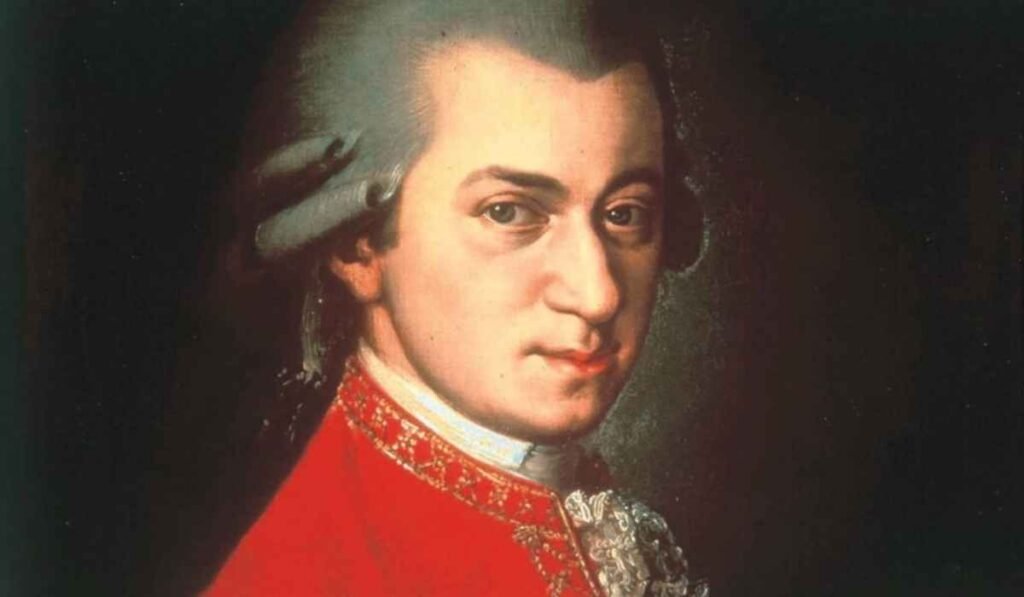
Returning to Salzburg as a young man brought professional challenges for Amadeus Mozart, who felt stifled by the provincial court environment. Despite the restrictive atmosphere imposed by the local archbishop, he composed prolifically, producing stunning sacred works, symphonies, and violin concertos. His frustration fueled a fierce desire for creative independence, which eventually led him to break away from local patronage. During this transitional phase, his musical voice matured from mimicking contemporary trends into a deeply personal, expressive medium. The constraint he experienced in Salzburg ultimately drove him toward the cultural freedom and bustling artistic community awaiting him in Vienna.
The Move to Independent Life in Vienna
Moving to Vienna in 1781 marked a bold turning point for Amadeus Mozart as he sought fortune on his own terms. Free from ecclesiastical service, he established himself as a freelance performer, piano virtuoso, and sought-after composition teacher. The vibrant Viennese public enthusiastically embraced his dazzling public academy concerts, where he premiered many of his iconic piano concertos. Although this independent lifestyle promised immense creative fulfillment, it also introduced financial volatility that would plague his remaining years. Nevertheless, this period witnessed the creation of some of the most enduring, emotionally resonant masterpieces in the entire history of Western classical music.
Collaborating with Lorenzo Da Ponte
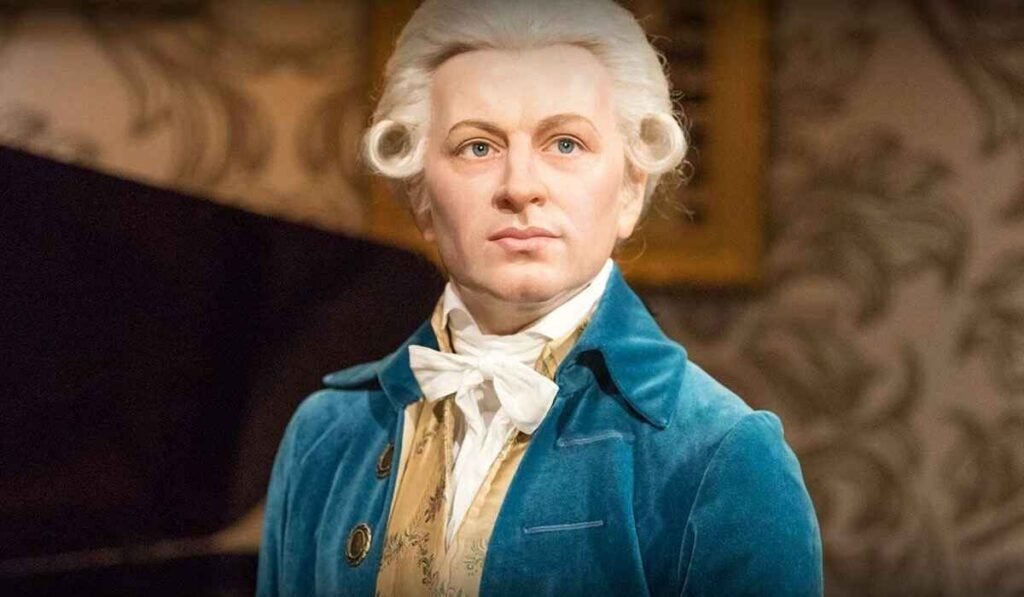
Collaborating with the brilliant librettist Lorenzo Da Ponte sparked a golden era of Italian comic opera for Amadeus Mozart. Together, they revolutionized the genre by infusing witty social commentary and profound psychological depth into unforgettable characters. Works like The Marriage of Figaro and Don Giovanni transcended mere entertainment, offering biting critiques of aristocratic privilege while celebrating human resilience. Their creative partnership redefined operatic storytelling, demanding singers who were also skilled actors capable of complex emotional expression. This fruitful alliance remains one of the most celebrated collaborations in theatrical history, capturing the brilliant theatrical spirit of late eighteenth-century Europe.
Exploring Symphonic Heights in His Later Years
Reaching the pinnacle of his orchestral writing, Amadeus Mozart composed his final three symphonies during a remarkably brief summer in 1788. The Thirty-ninth, Fortieth, and Jupiter symphonies represent a monumental leap forward in structural complexity, emotional intensity, and thematic integration. Without a specific commission prompting their creation, these works reflected his relentless internal drive to push orchestral boundaries further. Each movement balances intellectual rigor with soaring lyrical beauty, showcasing an absolute mastery of counterpoint and form. These symphonies continue to mesmerize modern audiences, standing as everlasting monuments to the limitless creative capacity of the human mind.
Mastering the Piano Concerto Genre
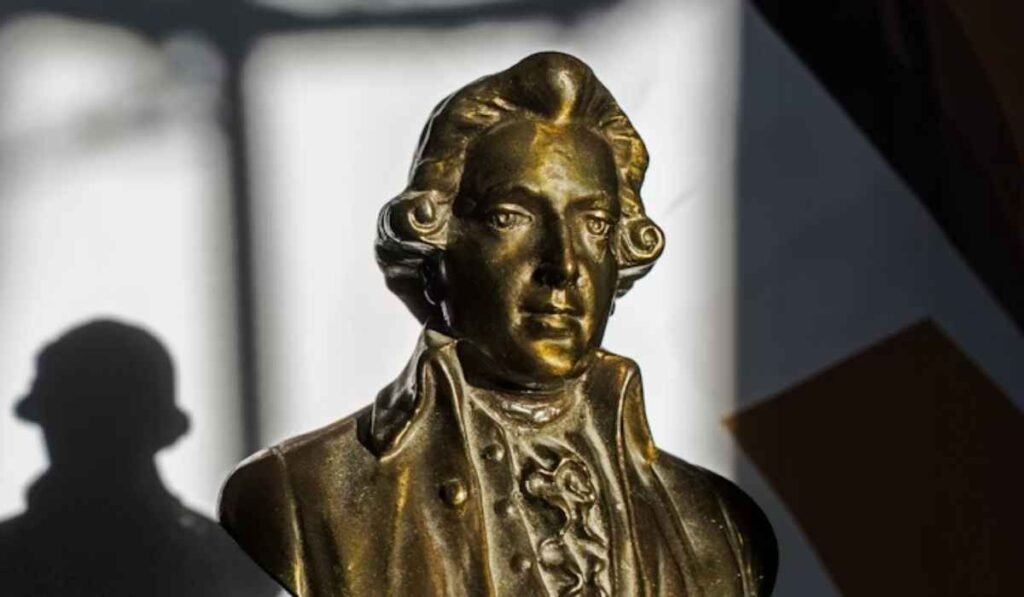
Transforming the piano concerto into a dramatic dialogue, Amadeus Mozart elevated the form to unprecedented artistic heights. He wrote these twenty-some masterpieces primarily to showcase his own brilliant performance skills at seasonal Vienna subscription concerts. The interplay between the solo instrument and the full orchestra creates a dynamic conversation filled with tension, release, and profound beauty. Every concerto explores a unique emotional landscape, ranging from sparkling joy to dark, introspective melancholy. By integrating symphonic richness with virtuosic display, he ensured that these enduring compositions would forever remain benchmarks for aspiring pianists and orchestral conductors around the world.
Innovations in Chamber Music Formats
Redefining the boundaries of intimate ensemble performance, Amadeus Mozart crafted breathtaking string quartets, quintets, and piano chamber works. Dedicated to his friend and mentor Joseph Haydn, his set of six string quartets demonstrated a revolutionary democratic interplay among all four instruments. Instead of relegating the cello and viola to mere accompanying roles, he gave every voice an equal, melodic conversation. This sophisticated approach required attentive listening from performers and rewarded audiences with rich, intricate textures. Through these masterpieces, he demonstrated that chamber music could achieve the emotional depth and structural grandeur traditionally reserved for massive orchestral symphonies.
The Magic Flute and Singspiel Tradition
Embracing popular German theater, Amadeus Mozart composed The Magic Flute shortly before his untimely death in 1791. This enchanting opera combined elements of Freemasonry, fairy tale fantasy, and profound philosophical inquiry into a universally beloved masterpiece. Utilizing the accessible Singspiel format, which featured spoken dialogue alongside memorable musical numbers, he appealed to commoners and elites alike. The soaring melodies, such as the Queen of the Night’s furious aria, sit alongside touching, humane tunes sung by Papageno. This theatrical triumph proved that profound artistic expression could thrive brilliantly within popular entertainment, captivating generations of operatic theatergoers.
Crafting the Requiem in D Minor
Composing his final, unfinished masterpiece, the Requiem in D Minor, Amadeus Mozart worked under the haunting premonition of his own mortality. Commissioned anonymously by an eccentric nobleman, the sacred mass became an intense, deeply personal meditation on death and divine judgment. Despite his failing health and weak physical state, he feverishly sketched the movements, pouring his remaining life force into the score. After his passing, faithful students and colleagues completed the work based on his detailed notes, ensuring its magnificent survival. This solemn choral work stands as an immortal testament to his peerless genius and emotional depth.
Financial Struggles and Patronage Realities
Navigating the cutthroat economic landscape of Vienna presented constant challenges for Amadeus Mozart and his growing family. Despite earning substantial sums from concerts, lessons, and composition fees, his extravagant lifestyle often outpaced incoming funds. He frequently relied on emergency loans from loyal friends and fellow Freemasons to stave off mounting creditors. These monetary pressures added significant stress to his daily life, forcing him to hustle constantly for new income streams. Yet, these harsh financial realities never compromised the pristine quality of his output, proving that true inspiration transcends material hardship and worldly concerns.
The Influence of Freemasonry on His Art
Joining the secretive brotherhood of Freemasons deeply influenced the personal philosophy and artistic output of Amadeus Mozart. The core values of the Enlightenment, including liberty, equality, and brotherhood, resonated strongly with his progressive worldview. Masonic ideals echo clearly in works such as The Magic Flute and his various specialized lodge compositions written for ceremonies. This philosophical alignment provided him with a supportive community of like-minded intellectuals who valued merit over noble birth. The spiritual dimension found in these fraternal connections added a profound layer of solemnity and universal humanism to his later musical creations.
Legacy and Impact on Classical Music History
Cementing an immortal legacy, Amadeus Mozart forever altered the trajectory of Western classical music through his innovative compositions. Generations of subsequent composers, including Beethoven, Chopin, and Tchaikovsky, studied his scores with reverent admiration and awe. His ability to balance absolute formal perfection with deeply human emotional expression remains an unmatched achievement in cultural history. He transformed music from a functional courtly craft into a universal language of the human soul. This enduring influence ensures that his timeless masterpieces continue to inspire contemporary musicians and enchant listeners across every corner of the modern globe.
Reassessing Myth Versus Historical Reality
Separating romanticized myths from historical facts reveals the true, hardworking nature of Amadeus Mozart as a professional musician. Popular culture often portrays him as an erratic, frivolous child, yet historical letters paint a picture of a dedicated craftsman. He spent countless hours studying counterpoint, practicing keyboard techniques, and managing his demanding career in a competitive city. Understanding his genuine human struggles makes his extraordinary artistic output even more miraculous and worthy of profound respect. History remembers him not as a mythical creature, but as a deeply committed genius who mastered his craft through tireless dedication.
Pedagogical Contributions and Teaching Methods
Guiding aspiring musicians through private instruction was another vital aspect of the professional life of Amadeus Mozart. Although he often found teaching tedious compared to composing, his pedagogical insights were remarkably advanced for his era. He emphasized natural hand positioning, emotional interpretation, and structural understanding over mechanical drills for his students. Many of his pupils went on to become prominent performers and teachers who preserved his performance traditions for future generations. These educational efforts ensured that his rigorous standards of musical excellence would ripple outward and influence classical pedagogy for decades to come.
Orchestral Instrumentation and Timbral Innovation
Pioneering subtle yet powerful innovations in orchestration, Amadeus Mozart expanded the expressive palette of the classical orchestra. He recognized the unique expressive potential of woodwinds like the clarinet, integrating them seamlessly into symphonic and operatic textures. By treating instruments as individual characters within a drama, he created rich, multicolored soundscapes that anticipated Romantic sensibilities. His clever use of mutes, horns, and percussion added dramatic suspense and atmospheric depth to his most famous dramatic works. This mastery of instrumentation guaranteed that every symphonic phrase sounded remarkably fresh, vibrant, and alive to listeners.
Personal Relationships and Family Dynamics
Balancing a demanding public career with family life brought both immense joy and heartache to Amadeus Mozart. His affectionate marriage to Constanze Weber provided emotional stability amidst the chaos of touring and freelance financial pressures. Although tragedy touched their lives with the early loss of several children, their bond remained a central pillar of his existence. Heartfelt letters exchanged during his travels reveal a tender, playful husband who deeply cherished domestic comfort. These intimate relationships grounded his soaring imagination, providing the emotional foundation necessary to compose music of such staggering empathy and universal warmth.
The Mystery Surrounding His Early Death
Passing away at the tragically young age of thirty-five, Amadeus Mozart left behind a grieving musical world and lingering historical mysteries. Rumors of foul play and poisoning circulated widely immediately after his death, though modern historians attribute his demise to illness. Despite the modest burial common for ordinary citizens of Vienna at the time, his cultural impact exploded exponentially in the subsequent decades. Scholars and scientists continue to study his final days, hoping to decode the exact physical ailments that silenced such a brilliant voice. Ultimately, the cause of death matters far less than the eternal treasury of music he left behind.
Global Commemoration and Eternal Remembrance
Celebrating his monumental contributions across the globe, humanity continues to revere Amadeus Mozart as a peerless cultural icon. Festivals, museums, and specialized concert halls dedicated to his memory thrive in Salzburg, Vienna, and major cities worldwide. His melodies are broadcast into space, utilized in therapeutic studies, and streamed by millions of listeners daily in the digital age. This perpetual celebration proves that true artistic genius transcends temporal boundaries and speaks directly to the human heart. For further exploration of his life and comprehensive catalog of works.
Frequently Asked Questions
- When was Amadeus Mozart born?
- Amadeus Mozart was born on January 27, 1756, in Salzburg, Austria.
- What musical era is associated with his compositions?
- His works are firmly rooted in the Classical period of music history.
- Who was his most famous opera collaborator?
- He famously collaborated with the Italian librettist Lorenzo Da Ponte on several masterpieces.
- At what age did Amadeus Mozart pass away?
- He tragically passed away at the young age of thirty-five in 1791.
- What was his final, unfinished musical composition?
- His final unfinished work was the solemn and deeply moving Requiem in D Minor.