 admin
admin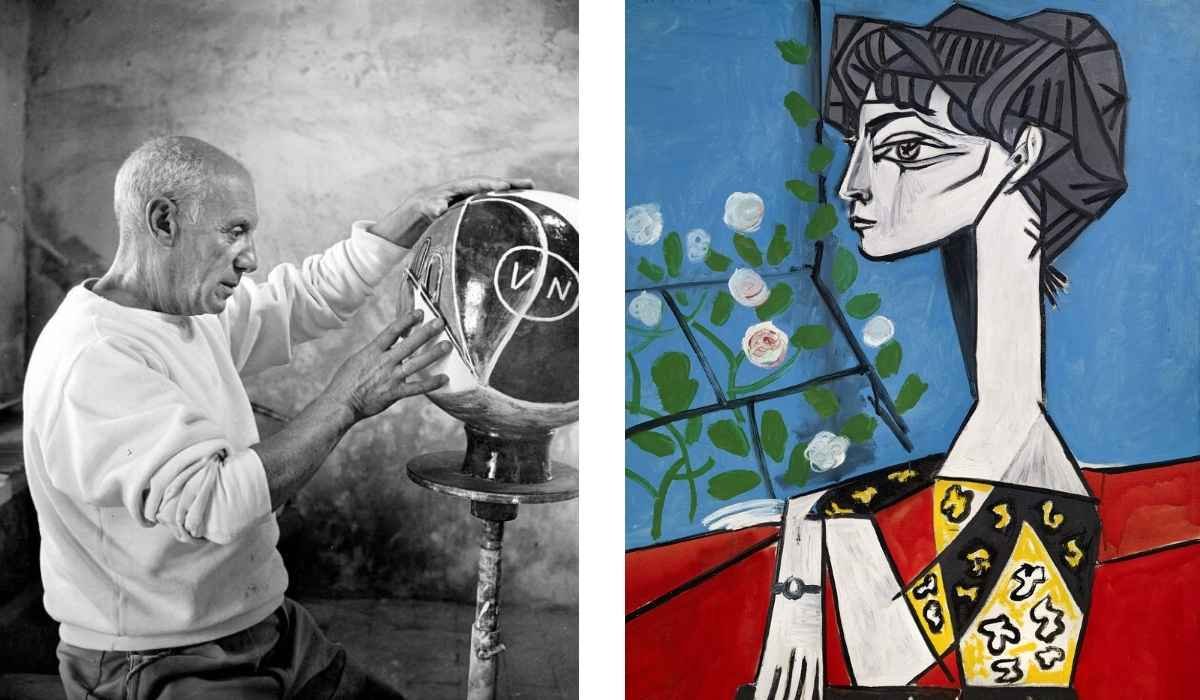
Art history shines brightly when examining the remarkable evolution of Pablo Picasso, a visionary creator whose extraordinary career spanned over seven decades. Born in Spain, this foundational master revolutionized modern creative expressions, redefining traditional boundaries through continuous reinvention. His unmatched passion for visual communication transformed global culture, leaving an indelible mark on generations of subsequent painters, sculptors, and creative thinkers. Through various stylistic periods, emotional depths, and structural experiments, Pablo Picasso established a legacy that remains deeply influential, captivating art enthusiasts, historians, and scholars across the world today.
Quick Bio
| Attribute | Detail |
| Full Name | Pablo Diego José Francisco de Paula Juan Nepomuceno María de los Remedios Cipriano de la Santísima Trinidad Ruiz y Picasso |
| Birth Date | October 25, 1881 |
| Birth Place | Málaga, Spain |
| Death Date | April 8, 1973 |
| Key Movement | Cubism, Surrealism |
| Notable Work | Guernica |
Early Beginnings in Málaga
Growing up in the sunlit coastal city of Málaga, young Pablo Picasso displayed an astonishing aptitude for drawing before reaching school age. His father, an academic art instructor, recognized this rare talent early on and provided rigorous foundational training in classical techniques. Surrounded by traditional artistic influences, the child absorbed every lesson eagerly, often sketching domestic scenes and local environments with astonishing precision. These formative years laid a sturdy technical groundwork, allowing him to master realistic representation swiftly. Such early exposure ignited an insatiable curiosity within Pablo Picasso, setting the stage for his eventual departure from conventional academic constraints toward radical innovation.
Relocation to Barcelona
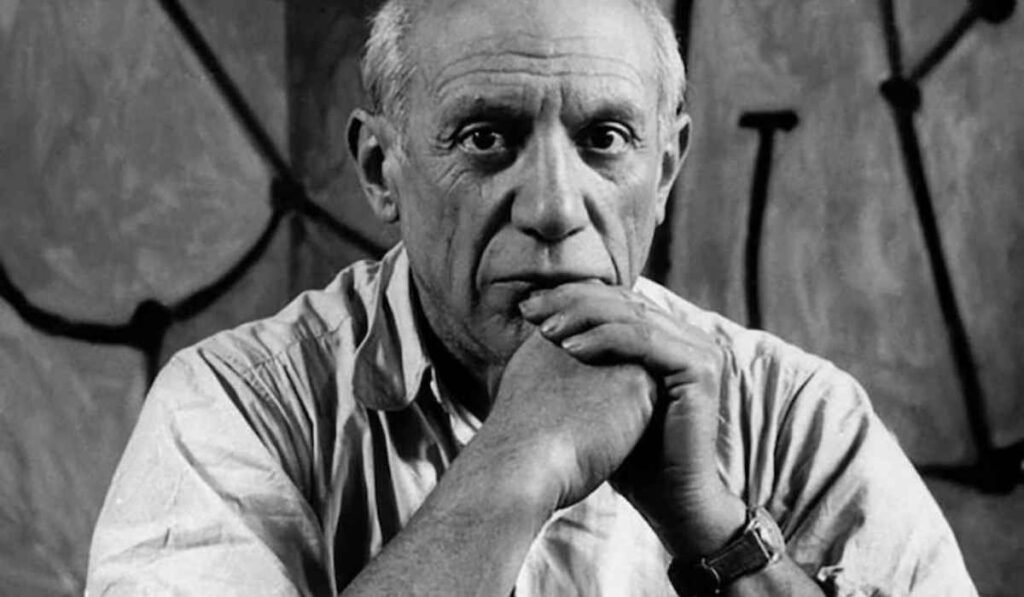
The family’s relocation to Barcelona during his early adolescence offered Pablo Picasso a vibrant urban landscape filled with modern cultural energy. Enrolling in the local fine arts academy, he quickly surpassed his peers and even stunned his instructors with mature compositions that defied his youth. The dynamic atmosphere of Catalan modernism stimulated his creative imagination, encouraging frequent visits to famous local cafes where avant-garde thinkers gathered. Immersed in these intellectual circles, Pablo Picasso expanded his worldview, bridging classical Spanish traditions with emerging European trends, ultimately preparing himself for the international art capital waiting in France.
Academic Training in Madrid
Seeking further refinement, Pablo Picasso briefly attended the prestigious San Fernando Academy in Madrid, though he frequently skipped formal classes to study masterworks at the Prado Museum. Examining canvases painted by Velázquez, Goya, and El Greco profoundly shaped his understanding of light, shadow, and psychological depth. Rather than following rigid institutional rules, he chose self-directed study, analyzing brushstrokes and composition techniques directly from history’s greatest painters. This independent streak proved essential for Pablo Picasso, reinforcing his belief that true artistic mastery required personal exploration, relentless dedication, and a willingness to challenge established pedagogical boundaries without hesitation.
First Encounters with Paris
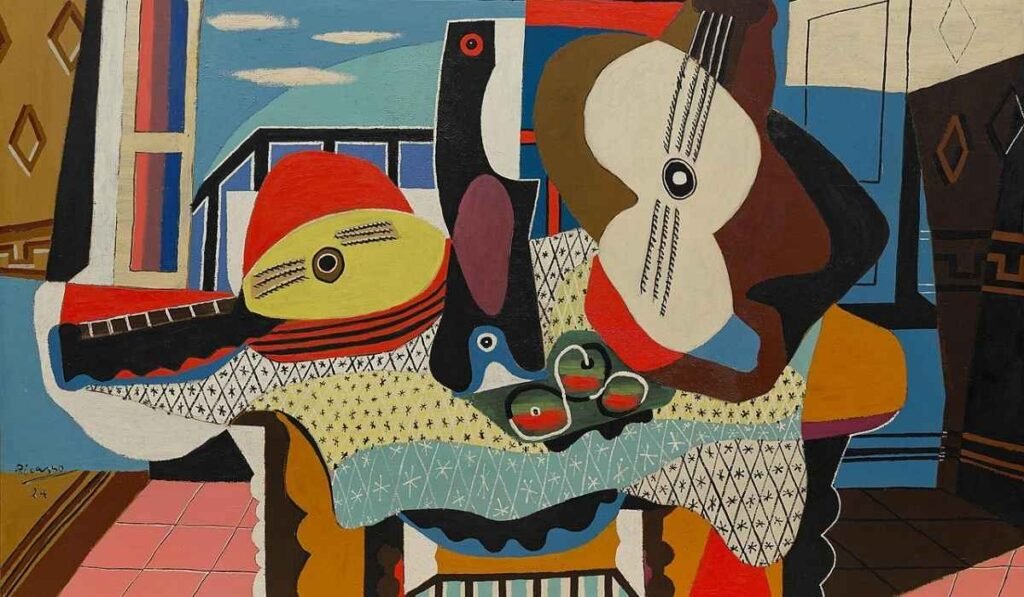
Traveling to Paris at the turn of the century exposed Pablo Picasso to the beating heart of the global avant-garde movement. The French capital buzzed with bohemian creativity, radical philosophies, and experimental exhibitions that challenged everything he had learned in Spain. Living in modest conditions alongside fellow struggling poets and writers, he absorbed the vibrant street life and night scenes of Montmartre. These initial impressions seeped directly into his evolving palette, shifting his artistic focus toward urban isolation and human vulnerability. For Pablo Picasso, this French migration marked a critical turning point, opening doors to lifelong friendships and groundbreaking stylistic transformations that changed modern art history forever.
The Melancholic Blue Period
Tragedy struck when a close friend committed suicide, plunging Pablo Picasso into a profound emotional depression that heavily influenced his artistic output. During this somber phase, known as the Blue Period, his canvases were dominated by chilling monochromatic shades of azure, indigo, and teal. He painted impoverished outcasts, blind beggars, and solitary figures with elongated proportions, evoking deep empathy and melancholy. These haunting compositions reflected his internal grief while demonstrating remarkable emotional resonance through restricted color choices. Through the Blue Period, Pablo Picasso proved that visual art could express raw psychological pain, transforming personal sorrow into universal statements about human suffering and endurance.
Transition to the Rose Period
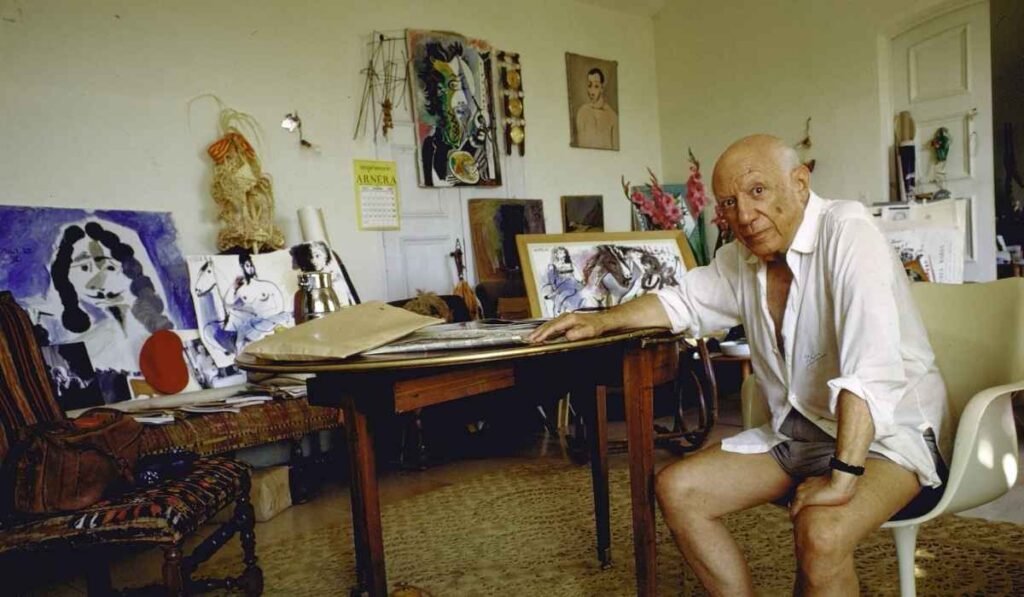
As time healed his emotional wounds, the atmosphere of his paintings shifted toward warmer, more tender expressions during the Rose Period. Relocating permanently to Montmartre, Pablo Picasso found inspiration within circus performers, traveling acrobats, and gentle harlequins who populated Parisian entertainment circles. Hues of delicate pink, earthy beige, and soft red replaced the cold blues, bringing a renewed sense of gentle optimism to his studio work. This phase highlighted his fascination with marginalized entertainers whose public joy contrasted with private struggles. Pablo Picasso used these recurring figures to explore identity and performance, bridging his earlier melancholic explorations with a lighter, more lyrical visual vocabulary.
Birth of Cubism and Primitivism
Fascinated by African tribal artifacts and ancient Iberian sculptures, Pablo Picasso embarked on a radical departure from traditional perspective and realistic representation. Collaborating closely with fellow innovators, he deconstructed three-dimensional forms into geometric planes, fragmenting space to show multiple viewpoints simultaneously. This revolutionary breakthrough culminated in groundbreaking compositions that completely shattered nineteenth-century aesthetic conventions. By inventing Cubism, Pablo Picasso redefined how viewers experience pictorial space, proving that an object could be understood more fully through simultaneous angles rather than a single fixed optical perspective.
Analytical and Synthetic Phases
The evolution of Cubism progressed rapidly through distinct analytical and synthetic phases under the guidance of Pablo Picasso and his close peers. Analytical cubism involved breaking down subjects into complex overlapping monochrome grids, while synthetic cubism introduced bright colors, patterned surfaces, and everyday collage elements. Newspapers, oilcloth, and ticket stubs found their way onto canvases, blurring the line between high art and mundane reality. This inventive spirit allowed Pablo Picasso to question the very definition of representation, demonstrating that texture, shape, and signifiers could construct entirely new visual languages independent of literal optical imitation.
Exploring Classical Neoclassicism
Following the turbulence of the First World War, Pablo Picasso surprised the international art community by turning toward monumental figurative painting and neoclassical forms. Inspired by travels to Italy and ancient Greco-Roman antiquities, he rendered heavy, sculptural human bodies that exuded timeless strength and sculptural gravity. These calm, majestic figures contrasted sharply with his previous fractured cubist experiments, showcasing his remarkable technical versatility and respect for historical tradition. Pablo Picasso demonstrated that modern creators did not need to abandon the past entirely, but could reinterpret classical beauty through a contemporary lens with immense confidence and authority.
Engagement with Surrealism
During the turbulent socio-political climate of the nineteen-twenties and thirties, Pablo Picasso aligned closely with avant-garde surrealist poets and visual creators. His work took on a dreamlike, often nightmarish quality, characterized by distorted anatomies, biomorphic shapes, and intense psychological tension. He explored subconscious desires, fears, and erotic passions through violently expressive brushwork and unexpected symbolic juxtapositions. This deep dive into irrational mental landscapes revealed the darker corners of human nature. Pablo Picasso utilized surrealist freedom to vent internal anxieties, creating unsettling yet deeply captivating imagery that mirrored a rapidly destabilizing twentieth-century European society.
The Monumental Impact of Guernica
When the Spanish Civil War erupted, the brutal bombing of a Basque town devastated Pablo Picasso, prompting him to create his most famous anti-war masterpiece. Using a stark palette of black, white, and gray, Guernica captured the chaotic horror, agony, and destruction inflicted upon innocent civilian populations. Distorted human figures, screaming mothers, and gored animals conveyed universal anguish, transforming the canvas into a timeless symbol of political protest. Refusing to let the painting enter Spain while a dictatorship ruled, Pablo Picasso ensured that his artistic voice served as an unyielding weapon against fascism, injustice, and state-sponsored violence.
Post-War Ceramic Innovations
Later in life, Pablo Picasso relocated to the south of France, where he discovered a passionate new medium within local pottery workshops. Experimenting with clay, glazes, and firing techniques, he transformed utilitarian plates, pitchers, and vases into whimsical sculptural faces and mythical creatures. This playful exploration revitalized his creative energy, proving that fine art could merge seamlessly with traditional craft traditions. Working alongside skilled artisans, Pablo Picasso produced thousands of unique ceramic pieces, demonstrating that his boundless imagination could elevate humble materials into extraordinary expressions of wit, color, and tactile beauty.
Prolific Printmaking and Etching
Throughout his extraordinarily long career, Pablo Picasso maintained a relentless passion for printmaking, producing lithographs, linocuts, and detailed etchings in astonishing quantities. Working late into the night, he experimented continuously with acid baths, engraving tools, and block-printing methods to push graphic arts into new territories. His print portfolios frequently reinterpreted classical myths, bullfighting scenes, and intimate domestic portraits with effortless mastery. This graphic output ensured that his ideas reached wide audiences beyond elite collectors. Pablo Picasso viewed printmaking not as a secondary pursuit, but as an essential arena for spontaneous experimentation and rapid visual storytelling.
Relationships and Artistic Muses
The complex romantic relationships in the life of Pablo Picasso directly fueled his creative output, serving as emotional catalysts for successive stylistic transformations. Each partner—from Fernande Olivier to Dora Maar and Jacqueline Roque—inspired distinct phases of portraiture, ranging from tender romantic idealization to intense psychological drama. He documented his passions and heartbreaks directly on canvas, treating his relationships as living components of his ongoing aesthetic diary. Although these intense dynamics often involved personal turbulence, Pablo Picasso channeled every emotional high and low into creating some of the most emotionally charged portraits in modern art history.
Sculptural Inventiveness and Assemblage
Beyond painting, Pablo Picasso revolutionized modern sculpture by pioneering the technique of assemblage, using discarded objects, sheet metal, and wire to construct three-dimensional forms. Instead of carving stone or casting bronze traditionally, he welded bicycle parts, cardboard, and wooden scraps into witty representations of animals and human figures. This resourcefulness redefined sculptural materials, showing that everyday trash could possess high artistic value. Pablo Picasso approached sculpture with liberating casualness, inspiring subsequent generations of minimalist and contemporary installation creators to look differently at industrial castaways and common manufactured goods.
Global Fame and Cultural Icon
By the middle of the twentieth century, Pablo Picasso had achieved unprecedented international renown, becoming a living cultural icon adored by the public and media alike. His face, signature striped shirt, and piercing eyes were recognized across the globe, transforming him into a celebrity symbol of modern creativity itself. Retrospective exhibitions in major global capitals drew millions of enthusiastic visitors eager to witness his latest works. Despite immense fame, Pablo Picasso never slowed his working pace, maintaining an obsessive studio routine that lasted right up until his final years, driven by the belief that work sustained his life force.
Final Years in Mougins
Spending his final decades in the tranquil French countryside of Mougins, Pablo Picasso continued painting, drawing, and reflecting upon his massive lifetime output with fierce intensity. Surrounded by his final wife Jacqueline, he spent hours reviewing art history, reinterpreting old masters like Rembrandt and Delacroix through rapid, expressive brushstrokes. These late works possessed an urgent, raw energy, reflecting an aging master confronting mortality with unyielding defiance and creative vigor. Pablo Picasso remained intensely productive until the very end, proving that his artistic appetite was completely inexhaustible and eternally youthful.
Passing and Enduring Legacy
When Pablo Picasso passed away in 1973 at the age of ninety-one, he left behind tens of thousands of paintings, sculptures, ceramics, and drawings that mapped out the trajectory of modern art. Museums dedicated entirely to his memory opened in Barcelona, Paris, and Málaga, preserving his multifaceted creative output for future generations of students. His record-breaking auction prices continue to dominate global art markets today, reflecting his unmatched financial and cultural valuation. The monumental legacy of Pablo Picasso stands as an enduring testament to human imagination, courage, and the relentless pursuit of visual truth.
Reflection on Modern Influence
Reflecting upon twenty-first-century culture reveals that the revolutionary footprint of Pablo Picasso remains visible in virtually every corner of contemporary design, advertising, and fine art. His fearless destruction of academic rules gave permission for subsequent generations to invent new movements, embrace abstraction, and question established visual norms without fear. Educational institutions worldwide continue analyzing his techniques, while international galleries routinely stage blockbuster exhibitions celebrating his vast genius. Ultimately, Pablo Picasso transcended the role of a mere painter to become a permanent pillar of human civilization, inspiring endless wonder and creative exploration.
FAQs
- When was Pablo Picasso born?
- Pablo Picasso was born on October 25, 1881.
- What major art movement did he co-create?
- He co-founded the revolutionary art movement known as Cubism.
- What is one of his most famous anti-war paintings?
- His most famous anti-war masterpiece is the mural titled Guernica.
- Where did Pablo Picasso spend most of his adult life?
- He lived and worked primarily in France throughout his adult years.
- Where can I read more about this iconic artist?
- You can learn further details by visiting the FRIENDLY.