 BlitZ
BlitZ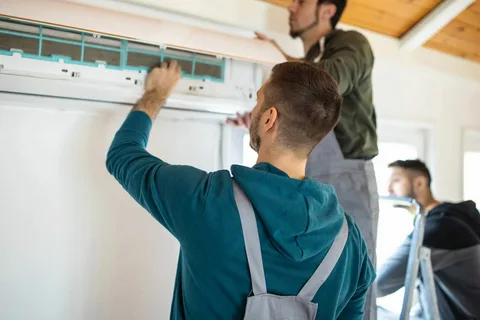
Regular maintenance after AC installation keeps the system’s components running smoothly, delivering improved performance and steady indoor comfort. Routine care also helps maintain smooth airflow and lets the system move heat more efficiently. This minimizes strain on components like the compressor and fan motors, preventing faster wear and premature breakdown. Here are a few tips for maintaining your AC after installation.
Inspecting and Cleaning Coils Periodically
Inspecting and cleaning your AC coils periodically helps eliminate debris, dust, or pollen that may have accumulated between the fins. Removing clogs opens these passages again, so the blower can move the correct volume of air without working against unnecessary resistance. For the outdoor condenser coil, professionals disconnect power, then use coil-cleaning chemicals and a gentle water rinse. This helps to remove built-up grime from top to bottom.
Because indoor condenser coils are less accessible, professional tune-ups also include inspection and cleaning. A clean condenser coil rejects heat efficiently, reducing both operating pressure and energy consumption. Periodic condenser cleaning after AC installation also helps the compressor run within its intended pressure range. This helps reduce the risk of thermal overload and frequent on–off cycling.
Scheduling Refrigerant Level Checks
Refrigerant charge directly affects your AC’s cooling capacity, efficiency, and compressor life. Low refrigerant levels typically indicate a leak, and adding refrigerant without locating and repairing it won’t resolve the underlying issue. A skilled AC technician uses gauges and diagnostic tools to measure refrigerant pressures and temperatures. Technicians then compare charge levels to expected values, which helps them identify leaks if present. Inspecting the refrigerant charge and fixing leaks help maintain a stable temperature split, keep heat transfer balanced, and minimize strain on the compressor.
Replacing Air Filters on Schedule
Clogged air filters reduce airflow, causing the AC unit to work harder and reducing cooling performance. Replacing clogged filters restores normal airflow, helping prevent the blower from working against high static pressure. It also helps protect the evaporator coil from dust buildup. This lets refrigerant absorb heat efficiently and helps prevent ice formation that can reduce cooling capacity.
An AC technician can help match the filter’s MERV rating and thickness to your blower capacity. This prevents you from accidentally installing a filter that is too dense and reduces airflow. Hiring a professional also makes sure the filter is fully seated, the housing is properly sealed, and airflow is directed correctly. This prevents gaps that allow unfiltered air with dust or pollen to enter your AC unit.
Skilled AC technicians also confirm the airflow direction before replacing the filter. They check the airflow arrow on the old filter and install the new one so the arrow points toward the air handler; this avoids bypass and maintains proper filtration. After replacing the filters, they can restart the system and evaluate airflow at vents and across the coil. This helps to confirm that the new filter does not create excessive pressure drop.
Hire AC Installation Services
A structured maintenance plan for your newly installed AC system can help minimize wear on key parts such as the electrical components, fan motors, and compressors. Regular maintenance also helps fix minor issues like loose electrical connections before they turn into major mechanical failures; this keeps the system reliable over time. Contact a trusted technician for expert installation and repair of your AC system.