 Wild Rise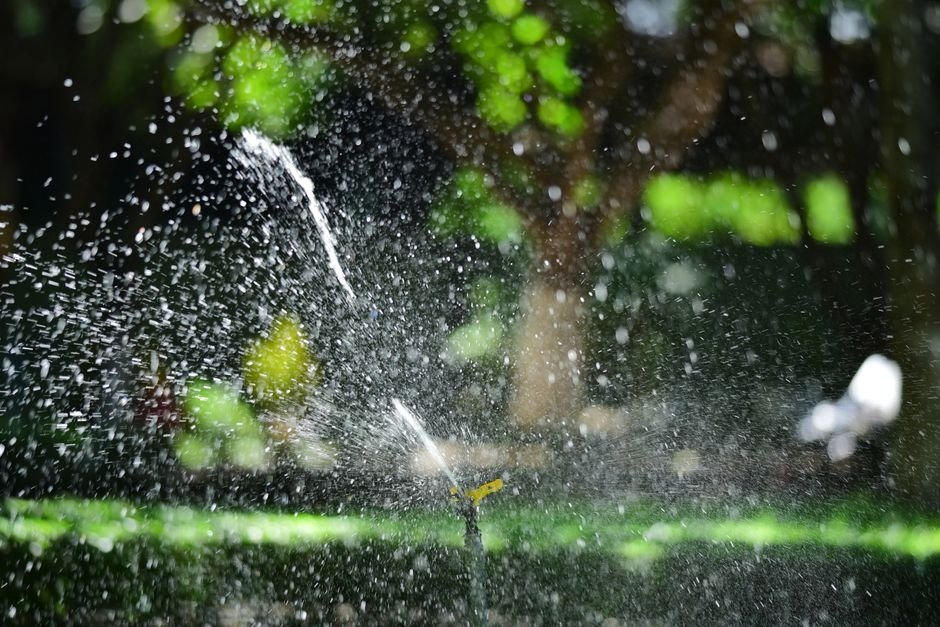
If you live in New Tampa, your lawn deals with a mix of intense sun, sudden downpours, sandy soil, and long humid stretches that can make irrigation systems work harder than they look. A few sprinkler issues can turn into dead patches, muddy spots, or a water bill that feels mildly offensive. If you want your yard to stay healthy without wasting money, it helps to know what early warning signs to watch for.
Leaks are not always dramatic, but they are expensive
A major underground leak can create standing water or a sudden drop in pressure. Smaller leaks are sneakier. They may show up as one spot that never seems to dry out, a soft patch near a valve box, or a monthly water bill that keeps creeping up even though your habits haven’t changed.
In neighborhoods with regular irrigation use, small leaks can go unnoticed for weeks. That adds up fast, especially during warm months when systems run more often. If you suspect a problem and need a closer look at sprinkler repair in New Tampa, it helps to compare what each zone should be doing with what you actually see in the yard.
Pay attention to these red flags:
– Hissing sounds near valves or pipes
– Soil erosion around heads
– One zone staying weak every cycle
– Water meter movement when irrigation is off
– Unexplained spikes in water use
Your lawn usually shows the first signs
Your grass often tells you something is off before your sprinkler controller does. Dry brown patches, soggy corners, or strips of grass that look healthier than the rest can point to uneven coverage. When one zone gets soaked and another gets barely a sip, you’re not dealing with a picky lawn. You’re dealing with a system problem.
Look closely after a watering cycle. If you notice water pooling near walkways, spray hitting the driveway, or mist blowing away in the wind, your sprinkler heads may be misaligned or damaged. In New Tampa, heat can stress turf quickly, so coverage problems tend to show up fast.
Watch for these lawn clues:
– Patchy color changes across one zone
– Soft, muddy soil hours after watering
– Weeds thriving in isolated wet areas
– Grass thinning near sprinkler heads
– Water running into the street
Pressure problems can quietly wreck coverage
Water pressure affects almost everything in an irrigation system. Low pressure can leave sprinkler heads dribbling instead of spraying. High pressure creates mist, which looks harmless but sends water into the air where heat and wind steal it before it reaches the roots.
You don’t need specialized equipment to notice the basics. If heads in the same zone spray at different distances, pulse unevenly, or fail to pop up consistently, pressure may be the issue. The cause could be a leak, a valve problem, a clogged line, or an incorrect head type for that zone.
Pressure imbalances matter because they distort your watering schedule. You may think you’re giving the yard 20 solid minutes, but the turf could be getting far less where it counts. That turns routine irrigation into guesswork, and lawns rarely reward guesswork.
Controllers and sensors cause more issues than people expect
People often assume the mechanical parts are the problem, but smart controllers, timers, and rain sensors create plenty of confusion too. A controller with outdated programming can water on the wrong days, run zones too long, or skip needed adjustments after seasonal changes.
Rain sensors deserve a quick check after storms. If yours isn’t working, the system may water during wet conditions, which is a great way to pay for rain you already got for free. Wiring faults can also knock out a zone or make schedules behave strangely.
Take five minutes to review the settings every month. Confirm start times, run times, and seasonal adjustments. If your area gets frequent afternoon rain, your programming should reflect that. An irrigation system is only as smart as its setup, and some setups are confidently wrong.
Seasonal changes in Florida make routine checks worth it
New Tampa’s climate doesn’t offer much room for neglect. Summer growth can hide sprinkler heads, tree roots can shift underground lines, and rainy stretches can mask poor performance until the weather turns dry again. A system that seemed fine in spring may struggle by late summer.
You’ll get better results by checking the system at transition points in the year. Run each zone and inspect coverage after major weather swings, after new planting, and after any lawn treatment service. Shrubs that were small six months ago may now block spray. Soil settling can also change drainage and head alignment.
A good seasonal check should include:
– Running every zone manually
– Adjusting heads for plant growth
– Clearing debris from nozzles
– Testing rain and moisture sensors
– Looking for runoff on sidewalks and curbs
These habits take less time than replacing stressed turf.
Smart maintenance saves water, money, and frustration
The goal isn’t to obsess over every sprinkler cycle. It’s to catch minor issues before they turn your yard into a patchwork experiment. Even a healthy-looking lawn can hide inefficiency, especially when overspray and underground leaks waste water out of sight.
You’ll usually get the best results by pairing observation with a simple maintenance routine. Check zones monthly, inspect after storms, and respond quickly to patchy growth or runoff. Keep a record of controller changes so you know what was adjusted and when. That makes troubleshooting much easier later.
A reliable sprinkler system should water evenly, run predictably, and support the landscape you actually have, not the one you planted three years ago. When your irrigation setup matches your yard’s real conditions, you spend less time chasing problems and more time enjoying a lawn that doesn’t look like it’s negotiating with the weather.
Final takeaway for keeping your system ahead of trouble
Most sprinkler problems start small: one clogged nozzle, one tilted head, one timer setting that no longer fits the season. Left alone, those little issues can push up your water bill, weaken your lawn, and create repairs that cost more than they should.
If you make a habit of watching how your system performs instead of assuming it’s fine, you’ll catch those problems early. Check the spray pattern, pay attention to your grass, and treat odd puddles or dry spots as clues, not random lawn drama. In a place like New Tampa, where irrigation matters almost year-round, a little attention goes a long way toward keeping your yard healthy and your system efficient.