 admin
admin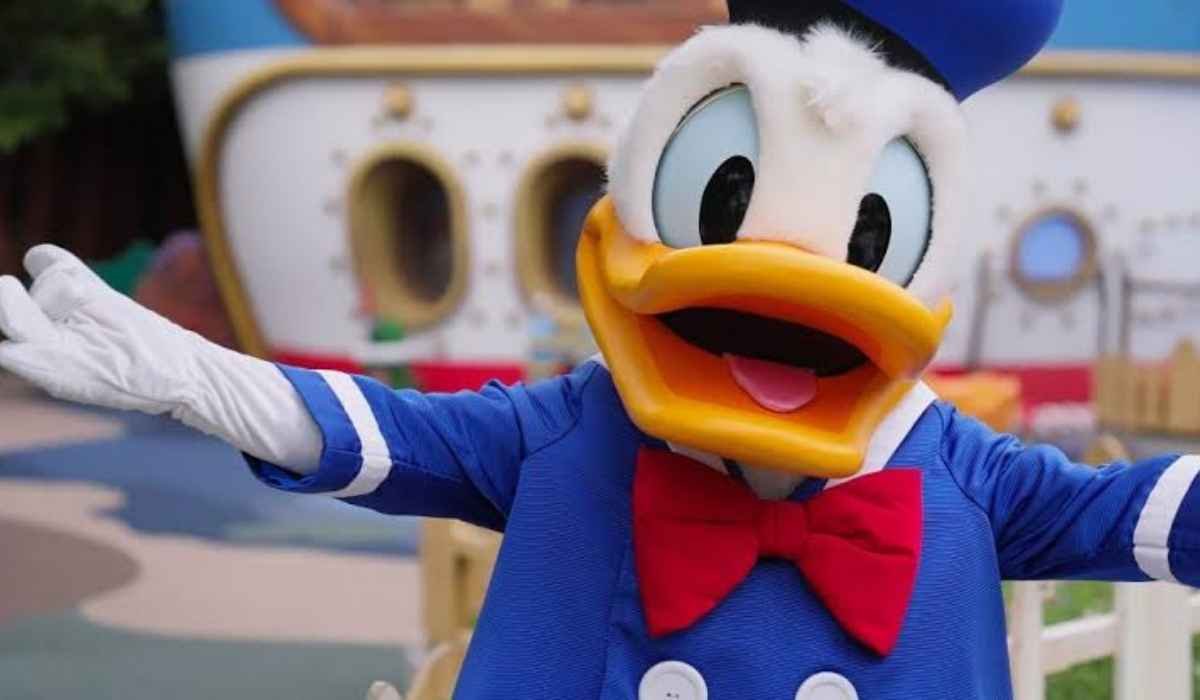
The cinematic landscape changed forever when Walt Disney introduced an endearingly flawed, sailor-suited waterfowl to the silver screen during the golden age of animation. Generations of fans across the globe grew up laughing at the hilarious misadventures, signature hot-headed outbursts, and distinctive voice of Donald Duck. From his humble beginnings as a supporting player in classic short films to headlining his own massive comic book empire and television series, this iconic character captured hearts worldwide through sheer relatability. Exploring his rich history reveals why this feathered legend remains an enduring pillar of entertainment history.
Quick Bio
| Attribute | Detail |
| Full Name | Donald Fauntleroy Duck |
| First Appearance | The Wise Little Hen (1934) |
| Creators | Walt Disney, Dick Lundy |
| Original Voice Actor | Clarence Nash |
| Notable Relatives | Scrooge McDuck, Huey, Dewey, and Louie |
| Significant Other | Daisy Duck |
The Origins Behind Donald Duck
The creation of Donald Duck began when visionary animator Walt Disney heard voice actor Clarence Nash perform a unique animal imitation on a radio program. Captivated by that strange, half-intelligible voice, Disney realized it would perfectly suit a new animated character meant to contrast with Mickey Mouse’s increasingly good-natured personality. Armed with this vocal novelty, studio artists designed a white duck wearing a traditional sailor suit, setting the stage for an unprecedented explosion of cartoon stardom that would eventually enchant millions of dedicated viewers.
The Cinematic Debut of Donald Duck
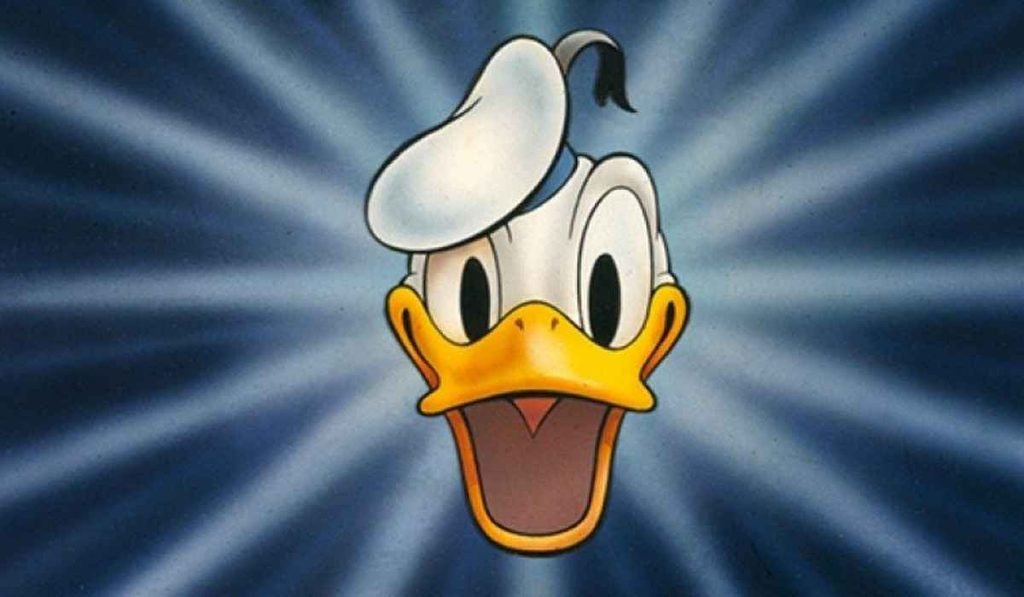
Viewers first encountered Donald Duck in the 1934 Silly Symphonies short film titled The Wise Little Hen. In this initial appearance, he played a minor role alongside a hardworking hen, showcasing lazy tendencies and a mischievous streak rather than his later explosive personality. Although his visual appearance was slightly taller and skinnier compared to his modern design, his iconic voice was already fully formed. This foundational short laid critical groundwork, proving that audiences were instantly charmed by the unique presence of Donald Duck on screen.
Developing the Signature Temper of Donald Duck
The defining characteristic of Donald Duck emerged later in 1934 during the animated short film titled Orphan’s Benefit. While performing on a stage for an unruly audience of children who relentlessly heckled him, Donald lost his composure and flew into a legendary, unbridled rage. Animator Dick Lundy brilliantly captured this frustration by having the character hop on one foot while shaking his fist in absolute fury. This hilarious temper tantrum resonated deeply with moviegoers, forever transforming Donald Duck into the ultimate comedic anti-hero of animation.
Evolution in Design and Artistry for Donald Duck
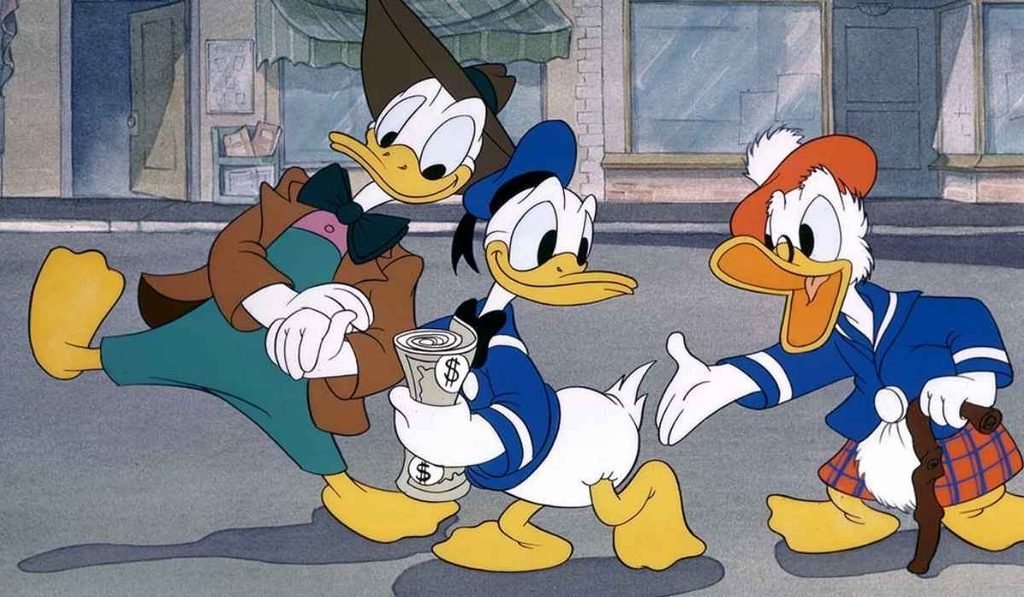
Throughout the mid-1930s, the physical appearance of Donald Duck underwent several crucial structural refinements by top studio artists. Animators gradually shortened his bill, enlarged his expressive eyes, and rounded out his body to make him more malleable and visually dynamic. These design changes allowed the character to convey complex emotional shifts ranging from utter despair to bubbling joy with incredible clarity. Such artistic dedication ensured that Donald Duck could carry narrative plots independently rather than just serving as a background comic foil.
Transitioning to Leading Roles for Donald Duck
By the year 1937, the immense popularity of Donald Duck convinced studio executives to grant him his very own theatrical cartoon series. The short film Don Donald marked his official promotion to headline star, placing him firmly in the cinematic spotlight. This transition allowed writers to craft elaborate slapstick scenarios tailored specifically to his short fuse and unfortunate luck. Fans eagerly anticipated each new release, propelling Donald Duck past many peers to become a dominant force in theatrical animation.
Expanding the Family Tree of Donald Duck
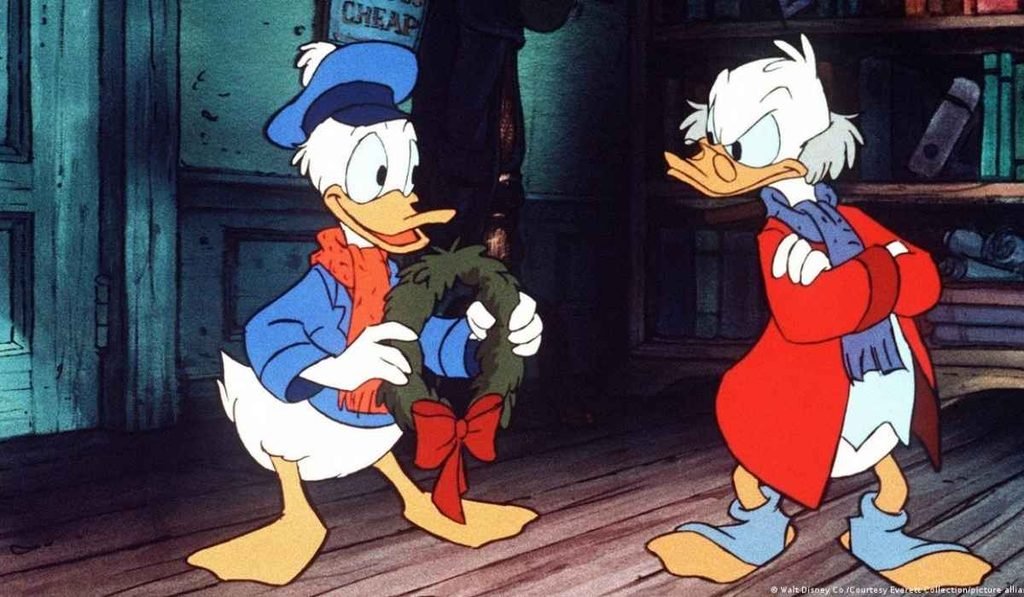
As the years progressed, creators introduced a colorful supporting cast that greatly enriched the narrative world surrounding Donald Duck. His clever and troublesome triplet nephews, Huey, Dewey, and Louie, made their unforgettable animated debut in 1938, bringing chaotic youthful energy. Later on, legendary comic writer and artist Carl Barks introduced the fabulously wealthy yet miserly Scrooge McDuck, creating an expansive universe of treasure hunting. These family dynamics gave emotional depth and endless storytelling potential to Donald Duck.
Romance and Relationships Involving Donald Duck
No discussion about Donald Duck is complete without mentioning his long-term romantic partner, the stylish and spirited Daisy Duck. Daisy made her official animated debut in the 1940 short film Mr. Duck Steps Out, quickly becoming a permanent fixture in his theatrical life. Interestingly, an early precursor named Donna Duck appeared briefly in earlier shorts, but Daisy ultimately won his heart. Their humorous romantic entanglements provided endless comedic conflict, showcasing the softer, more devoted side hidden beneath the temper of Donald Duck.
Wartime Contributions and Propaganda Films Featuring Donald Duck
During the turbulent era of World War II, the talents of Donald Duck were enlisted to support the international Allied effort. He starred in numerous patriotic shorts and propaganda films, most notably the Academy Award-winning Der Fuehrer’s Face released in 1943. These specialized cartoons ranged from humorous looks at military camp life to stark satirical nightmares illustrating the realities of totalitarian regimes. Through these projects, Donald Duck proved his versatility, connecting deeply with adult audiences during a critical period of global history.
Reaching Global Stardom as Donald Duck
By the late 1940s, merchandising data and box office receipts indicated that Donald Duck had surpassed Mickey Mouse in overall public popularity. His relatable flaws, constant financial struggles, and regular bad luck struck a chord with everyday people navigating the hardships of modern life. International audiences embraced him with open arms, particularly across European nations where weekly comic books dedicated entirely to his adventures became monumental cultural phenomena. This widespread adoration cemented the enduring global legacy of Donald Duck.
Transitioning to Print Media and Comics With Donald Duck
Beyond animated shorts, the legendary comic book work produced by master creators like Carl Barks expanded the universe of Donald Duck exponentially. Barks penned sprawling treasure-hunting epics and deeply imaginative stories that took the character to ancient temples and lost cities. These printed narratives offered sophisticated plots, environmental commentary, and rich character development that elevated comic books into respected art forms. Generations of readers eagerly collected these monthly issues featuring the global escapades of Donald Duck.
Television and Modern Media Appearances of Donald Duck
As television transformed the entertainment industry, Donald Duck successfully adapted to the small screen through various anthology series and holiday specials. Later generations experienced his timeless charm in groundbreaking animated television shows such as DuckTales, which introduced high-flying adventure to millions of children. He also became a staple presence in interactive media, starring in popular video game franchises like Kingdom Hearts alongside classic Disney and fantasy heroes. This seamless transition proved the timeless adaptability of Donald Duck.
Cultural Recognition and Honors Bestowed Upon Donald Duck
Numerous official accolades highlight the immense cultural impact achieved by Donald Duck over nearly a century of existence. In 2004, he received a coveted star on the prestigious Hollywood Walk of Fame, joining an elite group of legendary entertainers. Additionally, cultural institutions and media critics frequently rank him among the greatest cartoon characters ever created in entertainment history. Such enduring honors reflect the profound affection society holds toward the legacy of Donald Duck.
The Unique Voice Legacy Behind Donald Duck
The distinct vocal delivery pioneered by Clarence Nash remained closely tied to Donald Duck for over half a century until Nash passed away in 1985. Following this transition, master voice artist Tony Anselmo stepped into the role, having been personally trained by Nash to preserve the authentic sound. Maintaining this exact vocal style required immense physical effort and specialized skill, ensuring that every generation heard the identical, recognizable squawks associated with Donald Duck.
Theme Park Presence and Global Attractions For Donald Duck
Visitors visiting international Disney theme parks regularly encounter life-sized costumed iterations of Donald Duck greeting ecstatic families and young fans. He features prominently in seasonal parades, spectacular nighttime fireworks shows, and specialized dark rides like the Gran Fiesta Tour at Epcot. These physical attractions allow fans to interact directly with their favorite animated personality, bringing the magic of the screen into the real world through Donald Duck.
The Psychological Appeal and Flaws of Donald Duck
Psychological analyses of cartoon characters often suggest that the enduring success of Donald Duck stems entirely from his visible imperfections. Unlike polished heroes who always succeed effortlessly, Donald constantly faces frustration, impatience, and Murphy’s Law-style disasters that mirror everyday human stress. When he loses his temper, viewers see an exaggerated reflection of their own daily annoyances, making it easy to forgive his shortcomings and root for Donald Duck.
Merchandising Empire Built Around Donald Duck
Commercial success followed the character closely, resulting in a massive global merchandising empire featuring toys, apparel, watches, and household goods bearing Donald Duck. Retail items featuring his iconic sailor hat and smiling face became staples of international commerce throughout the twentieth and twenty-first centuries. This widespread commercial footprint ensured that the visual branding of Donald Duck remained omnipresent across diverse consumer markets.
Cinematic Milestones and Retrospective Collections For Donald Duck
Special film retrospectives and comprehensive archival book releases continue to celebrate the rich cinematic history accumulated by Donald Duck. Publishers frequently release multi-volume historical retrospectives containing rare storyboard sketches, layout designs, and unpublished comic panels for dedicated collectors. These definitive publications document how master animators pushed technical boundaries to refine the enduring appeal of Donald Duck.
Global Fan Communities Dedicated to Donald Duck
Dedicated international fan clubs and online digital societies continue to analyze, archive, and celebrate every single appearance of Donald Duck. Collectors trade rare vintage comic books, foreign translations, and specialized memorabilia while discussing obscure animation trivia online. This passionate grassroots support demonstrates that cultural fascination with the character spans across international borders and transcends generational divides regarding Donald Duck.
The Lasting Legacy and Future of Donald Duck
As modern entertainment continues to evolve at a rapid pace, the cultural footprint established by Donald Duck remains completely secure. His timeless template as the flawed, passionate, yet ultimately good-hearted underdog ensures continuous relevance across new digital platforms and media formats. Generations yet unborn will undoubtedly discover the joy of his classic tantrums and heartwarming adventures. Ultimately, the unmatched cultural footprint of Donald Duck guarantees he will forever remain an immortal icon of animation history.
FAQs
- When was Donald Duck created?
- Donald Duck made his official debut in the animated short film The Wise Little Hen on June 9, 1934.
- Who was the original voice actor for Donald Duck?
- Clarence Nash provided the iconic, semi-intelligible voice of the character for over fifty years until 1985.
- What is the full middle name of Donald Duck?
- The full legal name of the character includes Fauntleroy as his middle moniker.
- Who are the famous nephews of Donald Duck?
- His three mischievous and identical triplet nephews are named Huey, Dewey, and Louie.
- Does Donald Duck have a star on the Hollywood Walk of Fame?
- He received his official star on the Hollywood Walk of Fame in recognition of his film career.