 admin
admin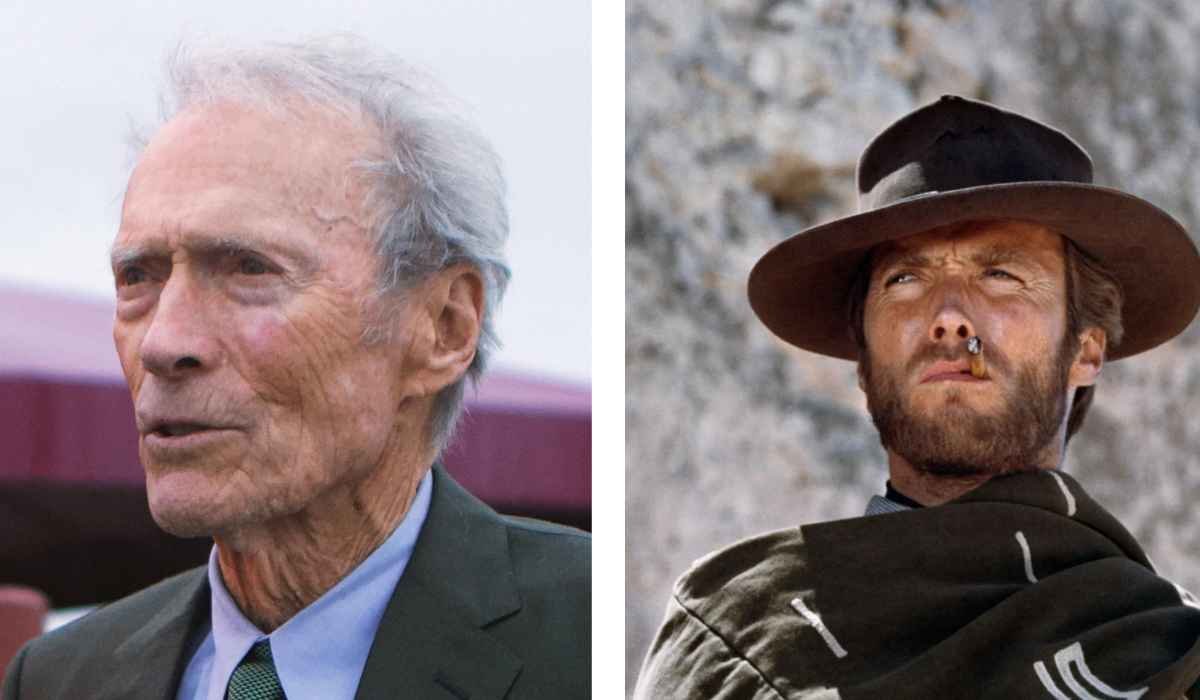
The landscape of modern cinema, international genre filmmaking, and global cultural influence during the twentieth and twenty-first centuries owes an immeasurable debt of gratitude to the extraordinary artistic evolution of Clint Eastwood, whose iconic screen presence and legendary directorial career completely transformed the global entertainment industry. During a time when classical Hollywood studio westerns were losing their cultural relevance, this remarkable performer and filmmaker rose to prominence with a talent rooted in stoic physical presence, uncompromising individualism, and unyielding personal discipline.
By defying expectations across spaghetti westerns, gritty urban crime thrillers, and deeply psychological directorial masterworks, he demonstrated that cinematic performance and direction could be effectively harnessed to create complex, multidimensional characters that revolutionized global media, production, and film art. His life remains a guiding light for anyone striving to master the art of cinematic storytelling and career longevity.
Quick Bio Snapshot
- Full Name: Clinton Eastwood Jr.
- Lifespan: Born May 31, 1930
- Key Role: American actor, filmmaker, composer, and cultural icon
- Major Achievement: Four-time Academy Award-winning director and producer, and legendary star of western and action cinema
Early Life and Childhood Roots of Clint Eastwood
The journey of Clint Eastwood began in San Francisco, California, where he was born into a working-class family during the depths of the Great Depression, moving frequently across various West Coast towns as his father searched for industrial employment. Growing up with a passion for music, sports, and the outdoors while attending high school in Oakland, he developed an early self-reliance and quiet demeanor that would later define his signature cinematic persona. Serving briefly in the United States Army as a swimming instructor during the Korean War, he laid a strong physical and disciplinary foundation that prepared him for an unexpected entry into the Hollywood film studio system.
Early Television Stardom and Rawhide Breakthrough
Professional development skyrocketed when Clint Eastwood signed a contract with Universal Studios and secured minor film roles before achieving international television stardom as the rough-and-tumble cowhand Rowdy Yates in the long-running CBS western series Rawhide beginning in 1959. Displaying a striking tall, rugged physique, minimalist acting style, and commanding screen presence, he captured the attention of international casting directors. This high-profile television exposure launched his professional career, establishing Clint Eastwood as a recognizable face in households across America and preparing him for a historic international cinematic leap.
The Spaghetti Westerns and The Man with No Name
Cultural superstardom exploded when Clint Eastwood traveled to Italy in 1964 to star in Sergio Leone’s groundbreaking spaghetti western A Fistful of Dollars, playing the iconic, poncho-wearing “Man with No Name.” Spanning the legendary “Dollars Trilogy” alongside For a Few Dollars More and The Good, the Bad and the Ugly, the films ignited an unprecedented global pop-culture phenomenon that redefined the western genre with gritty antihero morality and Morricone’s immortal musical scores. This historic commercial triumph transformed Clint Eastwood into an international box-office superstar and cemented his status as a legendary cinematic tough guy.
Establishing Malpaso Productions and Dirty Harry
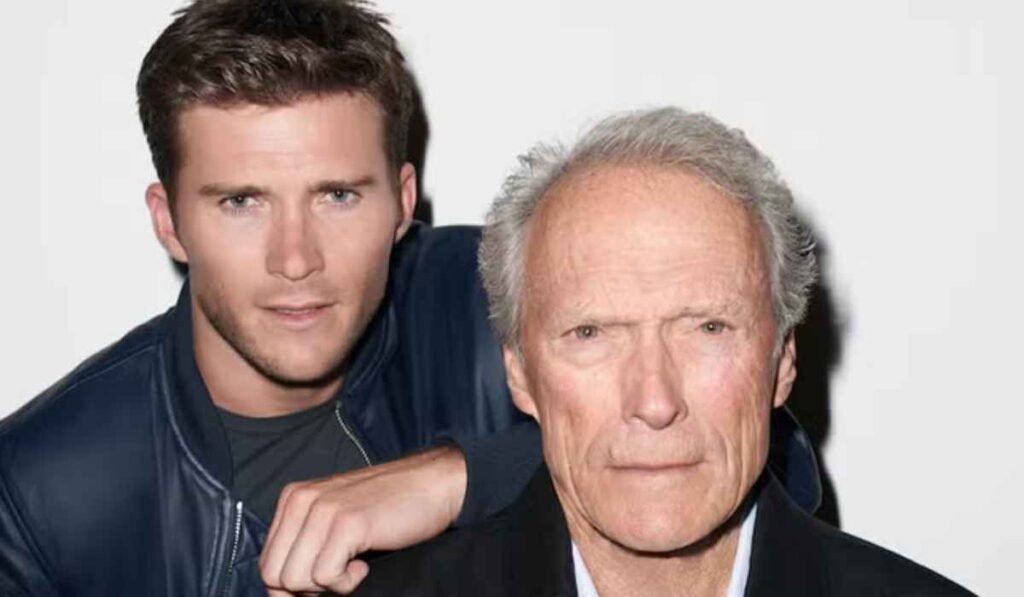
Expanding entrepreneurial horizons took Clint Eastwood into the realm of independent production when he founded Malpaso Productions in 1967, taking strict financial and creative control over his film projects. Shortly thereafter, he redefined modern action cinema by starring as the ruthless, rule-breaking San Francisco homicide detective in Don Siegel’s gritty thriller Dirty Harry in 1971. Spanning five blockbuster films, the franchise introduced immortal pop-culture catchphrases and established a new archetype for urban law enforcement characters. This courageous business and artistic evolution proved that his creative vision extended far beyond acting into powerful studio production.
Directorial Debut and Transition to Auteur Filmmaking
Creative fearlessness characterized his career strategy when Clint Eastwood stepped behind the camera to make his directorial debut with the chilling psychological thriller Play Misty for Me in 1971, proving his immense talent for suspenseful storytelling. Eschewing flashy studio trends, he cultivated an efficient, rapid-fire directing style characterized by minimal takes, natural lighting, and deep respect for cast and crew collaboration. Over the ensuing decades, he directed and starred in a diverse slate of acclaimed films, including the gripping western Outlaw Josey Wales and the introspective jazz biopic Bird, proving his absolute dedication to uncompromising artistic integrity.
Oscar Glory with Unforgiven and Masterpiece Direction
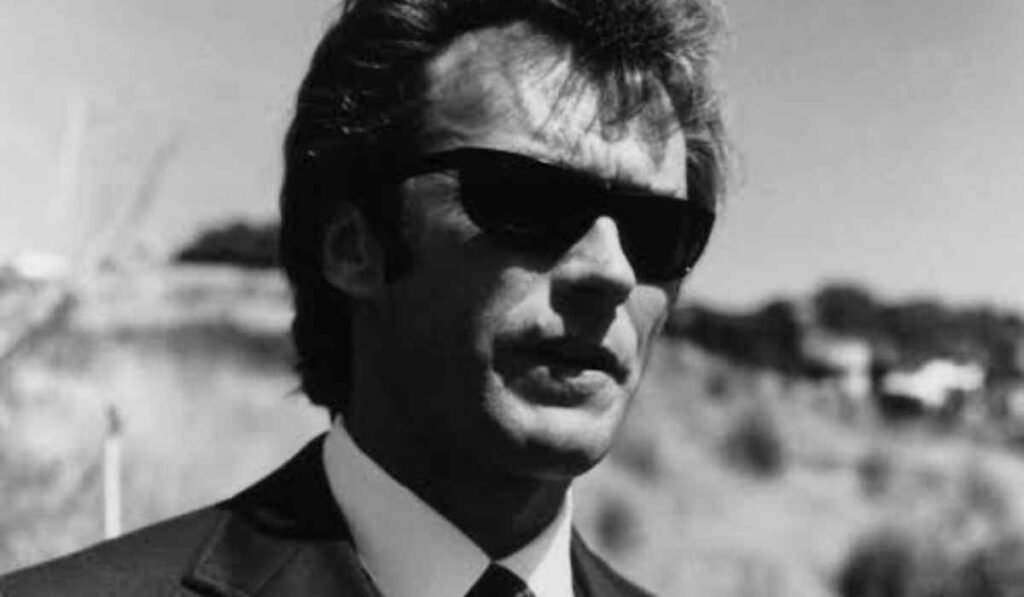
Historical cinematic triumph arrived when Clint Eastwood directed and starred in the revisionist western masterwork Unforgiven in 1992, a deeply mournful deconstruction of the violent mythology he had helped build throughout his career. Earning universal rave reviews from skeptical critics worldwide, the film swept the Academy Awards, winning four Oscars including Best Picture and Best Director for Eastwood himself. In doing so, he solidified his status as one of the greatest filmmakers in cinematic history. This monumental victory cemented the status of Clint Eastwood as an immortal artistic titan.
Critical Acclaim in Mystic River and Million Dollar Baby
Artistic expansion reached new heights when Clint Eastwood directed a succession of profound, emotionally devastating dramatic masterpieces, including the dark Boston crime tragedy Mystic River in 2003 and the poignant boxing drama Million Dollar Baby in 2004. Both films earned him consecutive Academy Award nominations for Best Director and Best Picture, winning a second set of Best Director and Best Picture Oscars for Million Dollar Baby. This demanding independent-spirited collaboration cemented the reputation of Clint Eastwood as a fearless cinematic explorer willing to push the absolute boundaries of human emotion.
Later Directorial Career and Real-Life Heroism
Unprecedented work ethic characterized his later decades as Clint Eastwood continued directing critically acclaimed films well into his nineties, exploring real-life heroism and patriotism in projects like Gran Torino, American Sniper, Sully, and Richard Jewell. Directing a film nearly every year with legendary efficiency, he defied conventional retirement age limits and maintained total creative control. This remarkable late-career productivity proved that the creative fascination of the public with Clint Eastwood endured across generations, setting an unmatched benchmark for professional longevity.
Cultural Icon Status and Global Influence
Commanding international respect through his understated demeanor, legendary cinematic contributions, and iconic contributions to American mythology, Clint Eastwood evolved into one of the most recognizable cultural icons of the modern era. From his legendary unscripted speech at the 2012 Republican National Convention to his permanent place in global film history, every public stance he took captured the world’s attention. However, his public persona remained fiercely independent and laconic. The timeless cultural legacy of Clint Eastwood continues to inspire contemporary actors, filmmakers, and western fans worldwide.
Work Ethic and Legendary Directorial Efficiency
Exerting exceptional levels of professional dedication, Clint Eastwood approached every production with legendary speed and preparation, famously shooting films ahead of schedule and under budget by relying on thorough rehearsal and decisive on-set leadership. His streamlined production discipline set an unmatched historical benchmark for cinematic efficiency. Whether composing musical scores for his films or coordinating complex dramatic sequences, Clint Eastwood viewed filmmaking as a straightforward, collaborative craft, instilling a professional standard that remains a gold standard for Hollywood directors.
Global Mourning, Tributes, and Lifetime Honors
Witnessing the widespread international celebrations surrounding his lifetime career honors—including the Irving G. Thalberg Memorial Award, the Kennedy Center Honors, and multiple Academy Awards—revealed the profound emotional connection that Clint Eastwood held with international audiences and peers whose lives he had touched through his cinematic art. Cultural institutions across the globe regularly host retrospectives of his legendary filmography. This collective global admiration demonstrated that Clint Eastwood was not just a movie star, but a globally cherished architect of modern cinema.
Cultural Impact and Global Legacy
Decades into his illustrious career, the cultural impact of Clint Eastwood remains vividly alive in global memory, film academies, western lore, and independent production spaces. Film scholarships and directing programs inspired by his minimalist style continue to guide emerging filmmakers worldwide. The professional blueprint left by his career changed how modern studios approach independent financing, efficient production schedules, and auteur control. His enduring message reminds humanity that true artistic greatness requires personal discipline, creative independence, and an unshakeable connection to classic storytelling traditions.
Modern Relevance and Timeless Directing Teachings
Contemporary performers and aspiring filmmakers frequently look back to the artistic trajectory of Clint Eastwood for inspiration when navigating studio interference, breaking industry molds, and demanding creative autonomy over their projects. As new generations discover his classic catalog of westerns and masterwork dramas through streaming media, the versatility demonstrated by his career provides a reliable roadmap for artistic longevity. Honoring his memory requires more than nostalgic remembrance; it demands active participation in film preservation, supporting traditional craftsmanship, and defending the dignity of cinematic storytelling just as he has done throughout his extraordinary life.
Inspiring Future Generations of Global Artists
The ongoing realization of the artistic ideals championed by Clint Eastwood rests heavily upon the shoulders of emerging actors, creators, and directors across the globe. Film academies and cinematic institutions continually introduce young minds to his transformative films and efficient directing methods, ensuring that the foundational values of hard work, preparation, and creative courage are passed down. Each individual who chooses practical craftsmanship over bloated studio excess helps fulfill the vision once embodied by his Malpaso productions. The journey toward cinematic evolution is continuous, requiring constant dedication and creativity from everyone who shares his passion for film.
Commemoration and Reflection on His Life and Art
Annual observances and retrospective film festivals dedicated to the cinematic career of Clint Eastwood serve as important moments for international self-reflection, encouraging artists and fans to engage in cinematic celebration and film appreciation. These traditions keep the spirit of classic filmmaking alive, transforming historical remembrance into a living movement of active artistic contribution. Through these collective efforts, his legacy transcends the history books, manifesting daily in film studios, editing rooms, and global cinemas operating across the globe.
Conclusion: The Eternal Spirit of Cinematic Excellence
Ultimately, the profound impact of Clint Eastwood defies simple categorization, representing a permanent shift in how humanity values cinematic performance, western genre evolution, and independent directing autonomy. His unwavering faith in classical storytelling and the transformative power of visual art continues to inspire millions across cultural, geographic, and generational divides. As long as people strive for cinematic enjoyment, cultural expression, and deep emotional resonance, the visionary spirit embodied by Clint Eastwood will forever illuminate the path toward a brighter, more cinematic future for all mankind.
Frequently Asked Questions
- Where was Clint Eastwood born before moving across the West during his youth?
- He was born in San Francisco, California, on May 31, 1930.
- Which hit television western series launched his career in the late 1950s?
- He starred as Rowdy Yates in the CBS series Rawhide.
- What iconic trilogy of spaghetti westerns directed by Sergio Leone made him an international star?
- He starred in the “Dollars Trilogy” beginning with A Fistful of Dollars.
- Which 1992 western masterwork earned him his first Academy Awards for Best Picture and Best Director?
- He directed and starred in the critically acclaimed film Unforgiven.
- How many Academy Awards for Best Director has he won throughout his legendary career?
- He has won two Best Director Oscars, for Unforgiven and Million Dollar Baby.