 admin
admin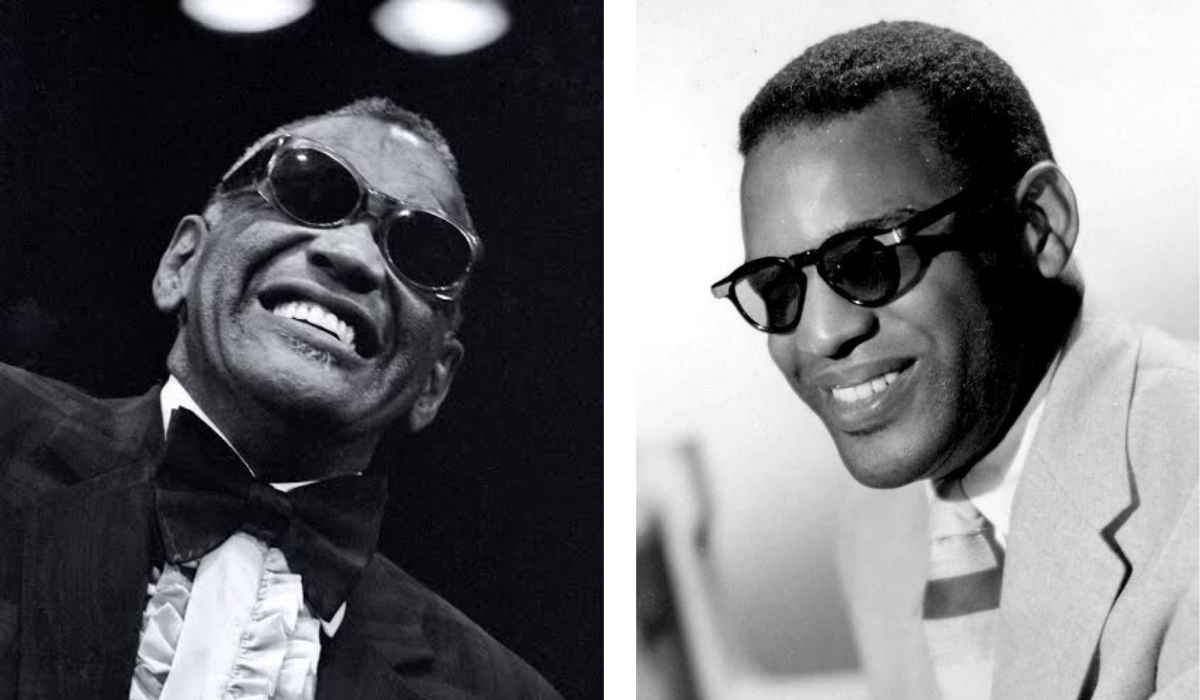
The extraordinary journey of American popular music forever changed when iconic performer Ray Charles stepped onto the global stage with his revolutionary style. Born in Albany, Georgia, he overcame severe childhood hardships, including the loss of his eyesight at a very young age, to redefine the boundaries of rhythm and blues, jazz, and gospel music. His unique ability to fuse sacred church melodies with secular rhythm patterns created an entirely fresh sound that resonated deeply with millions of listeners worldwide during an era of significant cultural transformation and artistic awakening across the entire nation.
Early Life and Childhood Background
Growing up in the rural American South during a period of economic depression shaped the resilient character of Ray Charles in profound ways. Financial struggles and tragic family losses marked his early years, yet music remained a constant source of comfort and inspiration. Listening to local blues musicians and church choirs planted the seeds for his future career, teaching him rhythm and melody long before he received any formal training or professional recognition on commercial radio stations.
Education at the Florida School

Attending a specialized institution for visually impaired students provided him with crucial academic foundations and vital music theory instruction. During these formative school years, he mastered reading and writing musical arrangements using Braille, alongside learning to play several classic instruments like the piano, clarinet, and saxophone. This disciplined educational environment allowed Ray Charles to develop extraordinary technical skills that separated him from many of his contemporary peers in the highly competitive entertainment industry.
Moving to Seattle and Early Career
Relocating to the Pacific Northwest as a teenager marked a major turning point in the professional evolution of Ray Charles. Working initially as a Nat King Cole style piano player and crooner, he absorbed the sophisticated jazz stylings popular in urban nightclubs. These early performances helped him build a dedicated regional following, establishing his reputation as a versatile musician capable of handling complex arrangements and engaging diverse audiences with smooth vocal deliveries and energetic keyboard performances.
Breakthrough Years with Atlantic Records
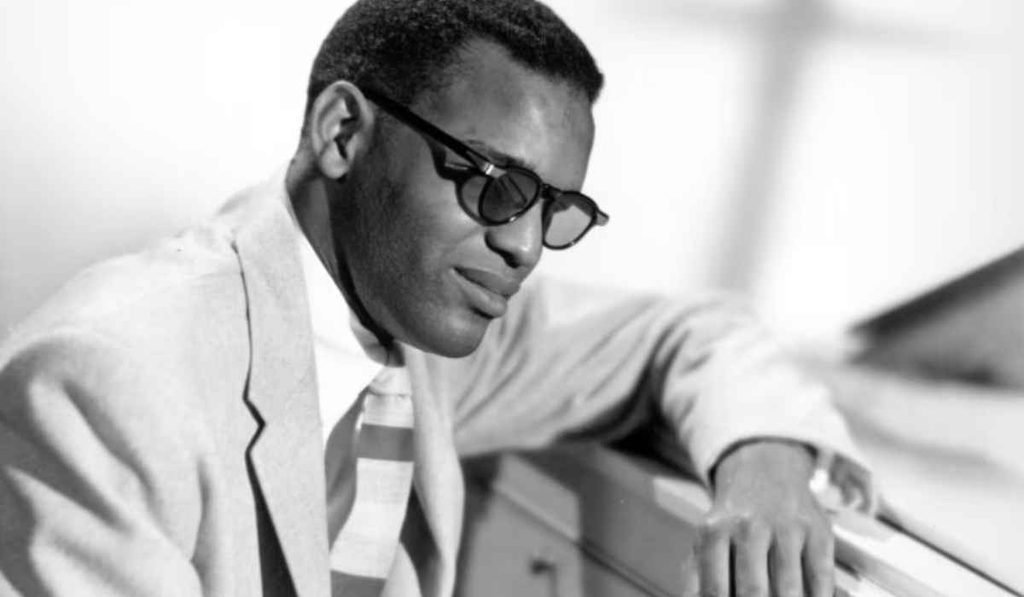
Signing a recording contract with a major independent label opened the floodgates for the groundbreaking artistic vision of Ray Charles. Freedom to experiment in the recording studio allowed him to combine raw blues feeling with uplifting gospel chord progressions, birthing the vibrant genre known globally as soul music. Chart-topping singles from this productive period showcased his distinctive voice and piano prowess, turning underground club favorites into massive national hits that dominated popular music charts across America.
Creating the Soul Music Genre
Pioneering a brand new musical movement required immense courage and creative vision that Ray Charles possessed in abundance. Traditionalists often criticized the blending of sacred church themes with secular dance rhythms, but the public embraced the emotional honesty and driving energy of these tracks. By transforming traditional spiritual songs into secular anthems, Ray Charles established a permanent blueprint that influenced generations of subsequent rock, pop, and rhythm and blues artists worldwide.
Crossing Over Into Pop Music
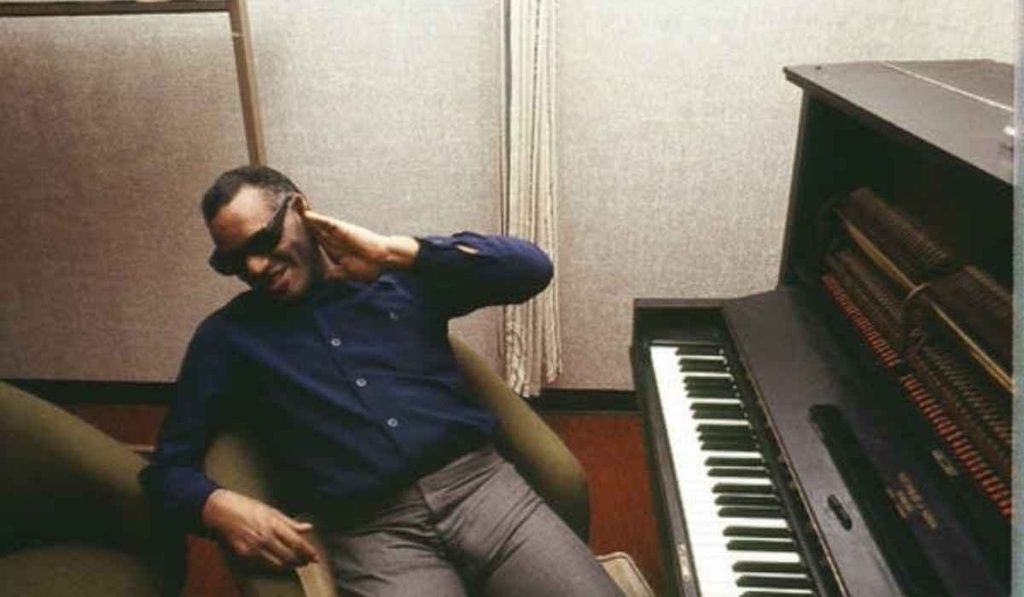
Achieving mainstream crossover success allowed Ray Charles to conquer international pop charts without abandoning his distinct musical roots. Orchestrated pop arrangements paired with his signature vocal style created timeless crossover masterpieces that appealed to listeners of every background. This strategic expansion of his artistic repertoire proved that great artistry transcends genre barriers, cementing the status of Ray Charles as a versatile entertainer capable of dominating multiple segments of the music industry simultaneously.
Iconic Hits and Signature Songs
Recording a string of legendary tracks solidified the permanent cultural footprint left by Ray Charles in the history of recorded sound. Songs characterized by infectious piano riffs, soaring background vocals, and deeply emotional storytelling became instant classics. Whether performing melancholy blues ballads or upbeat dance tunes, Ray Charles infused every single performance with an authenticity and passion that made his extensive catalog timeless treasures for music lovers of all ages.
Venturing Into Country and Western
Releasing a critically acclaimed album dedicated entirely to traditional country music stunned industry critics and fans alike. Interpreting classic narrative songs through a soulful rhythm and blues lens demonstrated the boundless artistic range possessed by Ray Charles. This bold project yielded massive commercial hits, shattered racial boundaries within the Nashville recording community, and proved that genuine musical expression can successfully unify disparate cultural traditions into cohesive masterworks.
Cinematic Collaborations and Media
Expanding his massive cultural footprint into television, film, and commercial advertising brought Ray Charles to entirely new generations of admirers. His memorable appearances in feature films and popular television commercials showcased his natural charisma and quick wit. Through these diverse media platforms, Ray Charles transitioned from being merely a successful recording artist into a beloved global pop culture icon recognized instantly by millions of households everywhere.
Receiving Prestigious Awards and Honors
Accumulating numerous accolades throughout his remarkable lifetime validated the immense cultural impact generated by Ray Charles. Prestigious awards, including multiple Grammy honors and lifetime achievement tributes, celebrated his enduring contributions to global arts and culture. Government leaders and international institutions frequently honored Ray Charles for using his immense artistic platform to promote unity, artistic excellence, and charitable philanthropic causes across the world.
Inductions Into Music Halls of Fame
Securing a coveted spot among the inaugural inductees of the Rock and Roll Hall of Fame honored the foundational role played by Ray Charles. Museum tributes and historical plaque dedications permanently inscribed his name alongside other towering figures of modern musical history. These formal recognitions ensured that future generations studying popular music history would always acknowledge the revolutionary innovations introduced by Ray Charles to the global entertainment landscape.
Humanitarian Work and Philanthropy
Establishing charitable foundations late in life allowed Ray Charles to give back generously to causes close to his heart. Focusing heavily on hearing disorders and youth education programs, his philanthropic organization funded critical medical research and community outreach initiatives. The compassionate spirit of Ray Charles extended far beyond concert stages, demonstrating a lifelong commitment to improving the lives of individuals facing physical challenges and socioeconomic hardships within society.
Performing for World Leaders
Commanding international stages by performing for presidents, prime ministers, and royalty highlighted the diplomatic power possessed by Ray Charles. His emotional renditions of patriotic standards became defining moments for national unity during times of political change. Wherever he traveled, Ray Charles used his universally beloved musical talent to bridge cultural divides and foster deep emotional connections among diverse populations gathered from every corner of the globe.
Overcoming Personal Struggles and Addiction
Navigating severe personal demons, including a long-term battle with substance abuse during his early touring years, tested the resilience of Ray Charles. Overcoming these intense personal obstacles required tremendous inner strength and determination supported by close friends and professional rehabilitation. Conquering addiction allowed Ray Charles to reclaim complete control over his life and career, inspiring countless fans struggling with their own private battles and personal adversities.
Musical Influence on Later Artists
Shaping the artistic development of countless rock, pop, and soul legends cemented the pedagogical legacy of Ray Charles in modern music. Icons from subsequent decades frequently cited his vocal phrasing, piano arrangements, and fearless genre-bending as their primary inspiration. The creative DNA of Ray Charles remains clearly visible within the work of modern performers who continue to draw from his rich blueprint of emotional honesty and technical mastery.
The Landmark Biographical Film Project
Inspiring a critically acclaimed Hollywood biographical film brought the dramatic life story of Ray Charles to massive global audiences. The cinematic masterpiece captured both his towering professional triumphs and his painful personal vulnerabilities with striking realism and artistic grace. This popular movie introduced younger demographic groups to the genius of Ray Charles, sparking renewed interest in his classic recordings and ensuring his legacy endured well into the modern era.
Cultural Legacy and Historical Impact
Representing the very best of American artistic ingenuity, the lasting cultural footprint of Ray Charles remains unmatched in modern history. He broke racial barriers within the recording industry long before the civil rights movement achieved widespread institutional changes. By refusing to let physical blindness or societal limitations dictate his potential, Ray Charles forever altered how the world experiences the powerful emotional intersection of rhythm, blues, and human soul.
Final Years and Enduring Memory
Continuing to tour and record right up until his final days demonstrated the unwavering dedication of Ray Charles to his craft. Even as health challenges mounted, his passion for live performance never faded, captivating audiences with the same electrifying energy that defined his youth. The passing of Ray Charles marked the end of an era, yet his glorious musical recordings continue to inspire, heal, and uplift listeners across every generation.
Reflections on a Musical Genius
Summarizing the extraordinary life of a true cultural titan reveals an immortal legacy built on talent, perseverance, and passion. The revolutionary sound crafted by Ray Charles bridged racial, cultural, and generational divides through the universal language of song. As long as people seek comfort, joy, and emotional truth through art, the brilliant spirit and unforgettable voice of Ray Charles will remain eternally alive in human hearts.
Frequently Asked Questions
- Q: When was Ray Charles born?
- Ray Charles was born on September 23, 1930.
- Q: How did Ray Charles lose his eyesight?
- He gradually lost his sight during early childhood, most likely due to glaucoma.
- Q: What musical genres did Ray Charles combine?
- He famously blended blues, jazz, gospel, rhythm and blues, and country music.
- Q: How many Grammy Awards did Ray Charles win?
- He won a total of 17 Grammy Awards throughout his illustrious career.
- Q: Where can you learn more about his life story?
- You can read detailed historical records and biographical data on Ray Charles.