 Khizar Seo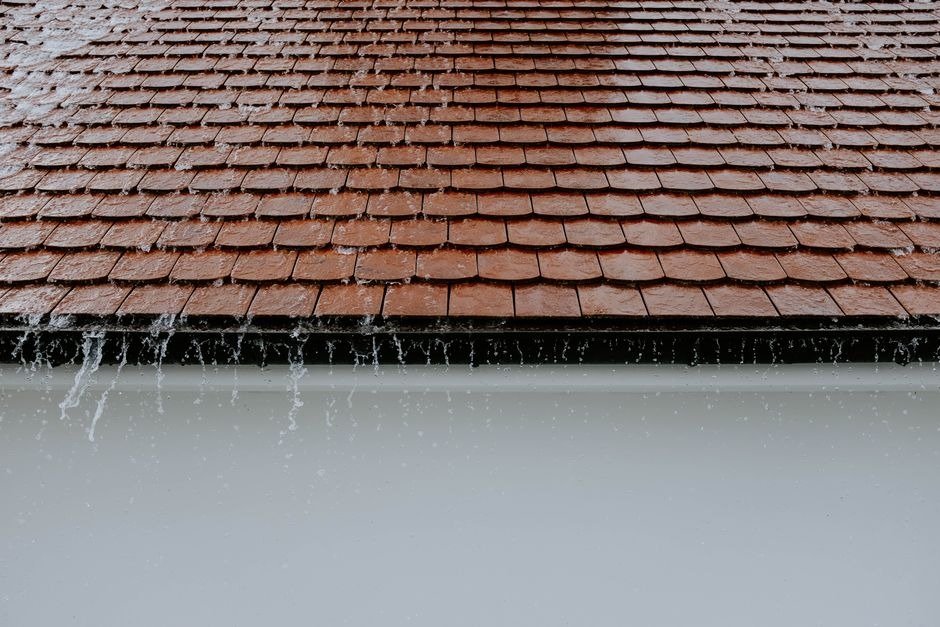
The best exterior home improvements do more than make a property look newer. They solve practical problems at the same time. Better drainage protects foundations and landscaping, updated lighting makes entrances safer, and thoughtful materials can reduce the maintenance a house demands over the years. Homeowners planning exterior work should therefore look beyond cosmetic changes alone. The smartest upgrades usually sit somewhere between appearance and performance, improving how the property handles weather while making the house more pleasant to come home to.
Turn Roof Drainage Into Part of the Landscape
Gutters and downspouts are rarely treated as design features. Their job is simply to collect roof runoff and direct it somewhere safer. Rain chains offer an alternative in locations where homeowners want drainage to contribute to the appearance of an outdoor space.
If you have wondered how do rain chains work, the basic idea is that water leaving a gutter follows a metal chain or series of linked cups toward the ground rather than traveling through an enclosed downspout. The water can then be directed toward stones, a drain, a collection basin, or another suitable drainage area.
Gutter Pro LLC provides professional gutter installation, repair, cleaning, and gutter guard services, along with decorative rain-chain options for homeowners interested in combining drainage with exterior design. The company offers rain chains in different materials and designs, allowing a functional part of the roof drainage system to become a more visible landscape feature.
Placement still matters. A decorative solution is only useful if runoff ultimately moves somewhere that will not create erosion, standing water, or foundation problems.
Fix Drainage Problems Before Making Cosmetic Changes
Fresh landscaping will not stay attractive for long if every storm sends water through the same flower bed.
Walk around the property during or shortly after heavy rain. Look for pooling near the foundation, washed-out mulch, soil erosion, overflowing gutters, and areas where water crosses walkways. These observations can reveal problems that are almost invisible on a dry afternoon.
Downspout discharge points deserve particular attention. Water should be carried far enough away that it does not simply soak into soil beside the foundation.
Grading can also affect drainage. Soil generally needs to encourage water away from the house rather than toward it.
Solve these issues before installing expensive plants, decorative stone, or new hardscaping. Otherwise, the next major storm may begin rearranging your newly finished yard without asking permission.
Upgrade the Entryway Without Rebuilding It
The front entrance occupies a relatively small portion of a home’s exterior, yet it attracts disproportionate attention.
A complete reconstruction is often unnecessary.
A worn door can sometimes be refinished or painted. New hardware, updated house numbers, a better porch light, and a clean doormat can noticeably sharpen the entrance without turning the project into a major renovation.
Look at proportions as well.
Tiny light fixtures beside a large doorway can appear undersized, while oversized decorations can make a modest porch feel crowded. Choose elements that fit the architecture rather than simply following whatever exterior style happens to be popular.
Plants can soften the space, but avoid turning the doorway into an obstacle course of pots.
The entrance should still work when someone arrives carrying groceries, luggage, or an unexpectedly large delivery box.
Use Exterior Lighting Where It Actually Helps
Outdoor lighting is most effective when it has a purpose.
Start with entrances, stairs, pathways, driveways, and other areas where people need to see clearly after dark. From there, consider subtle lighting for architectural features, trees, or landscaping.
More fixtures do not necessarily produce a better result.
Extremely bright exterior lighting can create glare, annoy neighbors, and make the property feel closer to a parking lot than a home. Layering smaller amounts of light generally creates a more comfortable effect.
Motion-activated fixtures can make sense in side yards, near garages, and around less frequently used entrances. Timers and smart controls can reduce the need to remember which lights should be switched on every evening.
Pay attention to fixture durability too. Exterior lighting lives through rain, heat, wind, insects, and seasonal temperature changes.
Refresh Siding With Maintenance in Mind
Siding covers so much visual space that even minor deterioration can make an otherwise well-kept property look neglected.
Before replacing it, determine what it actually needs.
Some siding may simply require cleaning. Painted surfaces might need localized repairs and a new finish. Damaged boards or panels can sometimes be replaced individually rather than removing an entire exterior.
If replacement is necessary, think beyond color.
Different siding materials vary in maintenance requirements, durability, moisture resistance, cost, and appearance. The right choice depends partly on climate and partly on how much future maintenance you are willing to accept.
Details around windows, corners, rooflines, and trim matter almost as much as the main siding itself. Poorly coordinated trim can make expensive new materials look unfinished.
Choose combinations that suit the house rather than trying to force an unrelated architectural personality onto it.
Make Walkways Safer Before Making Them Prettier
Cracked, uneven, or poorly lit walkways are more than cosmetic annoyances.
Inspect paths for loose pavers, raised sections, slippery surfaces, drainage problems, and awkward transitions between different materials. Tree roots and soil movement can gradually create hazards that homeowners stop noticing because they walk past them every day.
Repairs should come before decorative upgrades.
Once the route is sound, materials can be used to give the property more character. Brick, stone, concrete, gravel, and pavers each create different visual effects and maintenance requirements.
Width matters too. A front walkway should comfortably accommodate people walking toward the entrance without requiring them to step into landscaping.
Consider what happens in rain. A beautiful path that collects water or becomes dangerously slick has solved the wrong problem.
Use Landscaping to Complement the House
Good landscaping does not need to compete with the architecture for attention.
Start by preserving clear views of entrances, windows, and attractive structural features. Shrubs planted too close to the house can eventually block windows, trap moisture, and make maintenance difficult.
Plant size at maturity matters more than size at the garden center.
That charming little shrub may become considerably less charming when it reaches eight feet across.
Use plants with different heights and seasonal characteristics to keep the landscape interesting without making it overly complicated. Native or locally appropriate species may also be easier to maintain because they are better suited to regional conditions.
Hardscape elements such as edging, gravel, stone, or mulch can provide structure between planted areas.
Leave enough open space for maintenance. Landscapes change constantly, and future access is worth planning before everything grows together.
Prioritize Exterior Projects by What Protects the House
Home improvement wish lists can become expensive quickly, so prioritize work according to consequence.
Drainage failures, roof issues, deteriorated siding, unsafe steps, damaged walkways, and water intrusion generally deserve attention before purely decorative projects. These problems can become more expensive when ignored.
After essential repairs, look for upgrades that improve both function and appearance.
A better drainage feature can become part of the garden. Exterior lighting can improve safety while emphasizing architecture. New siding can address deterioration while transforming curb appeal. Landscaping can improve drainage while making the property feel more finished.
This approach also prevents exterior renovation from becoming a collection of unrelated purchases.
A well-planned exterior should work as a system. Roof runoff needs somewhere safe to go, pathways need to remain usable, materials need to withstand weather, and landscaping needs room to mature.
When those practical considerations guide the project, curb appeal tends to follow naturally. The house looks better not because every surface has been decorated, but because its exterior feels maintained, intentional, and built to handle everyday exposure to the elements.