 admin
admin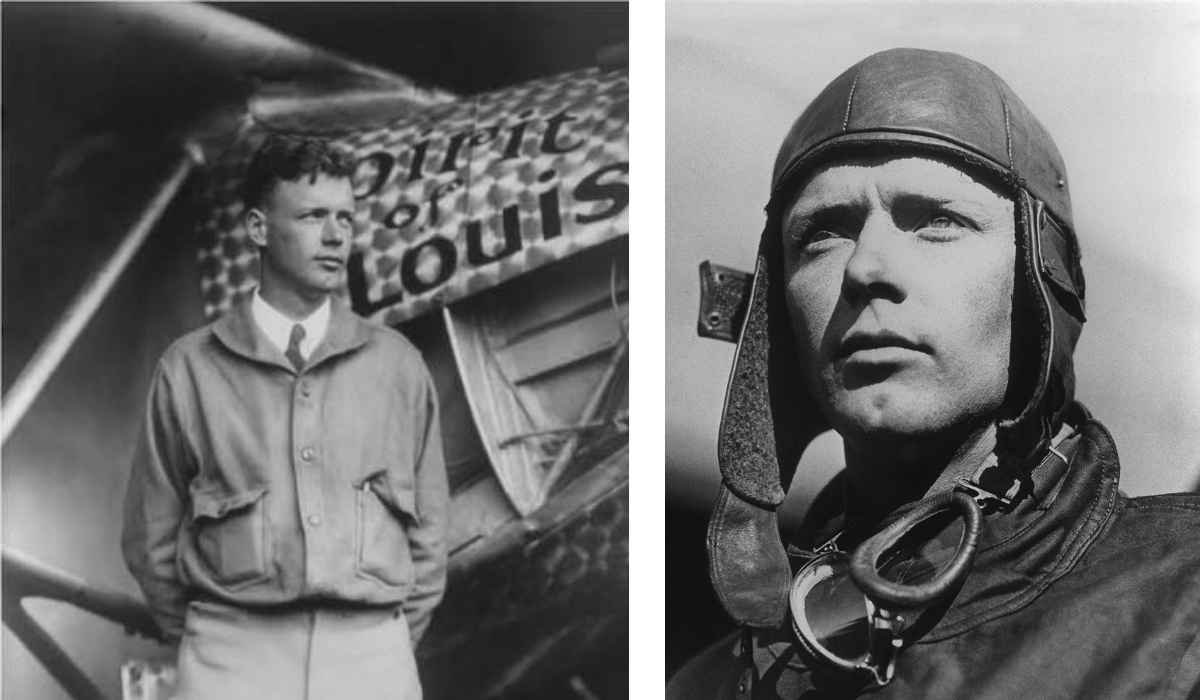
The history of modern aviation changed forever when a young and daring American mail pilot stepped into a custom-built monoplane and took off toward an uncertain horizon. This remarkable aviator captured the imagination of millions worldwide through unmatched courage, relentless determination, and an unprecedented journey across the vast expanse of the Atlantic Ocean. His legendary exploits transformed him from an obscure regional flyer into an international hero overnight, ushering in a brand-new era of global connectivity and technological advancement. Beyond his monumental flight, his life journey encompasses deep engineering pursuits, tragic personal events, and later dedication to environmental conservation efforts across the planet.
Quick Bio
| Attribute | Detail |
| Full Name | Charles Augustus Lindbergh |
| Born | February 4, 1902, Detroit, Michigan |
| Died | August 26, 1974, Kipahulu, Hawaii |
| Spouse | Anne Morrow (m. 1929) |
| Famous Feat | First solo nonstop transatlantic flight (1927) |
| Aircraft | Spirit of St. Louis |
Early Childhood Years and Family Background
Born in Detroit, Michigan, during the early twentieth century, Charles Lindbergh grew up surrounded by a disciplined and politically active household. His father served as a United States congressman, instilling a strong sense of independence and self-reliance in young Charles. Dividing his time between rural Minnesota and Washington, D.C., he developed a profound fascination with machinery, engines, and the great outdoors. These formative experiences on family farms and exploring mechanical gadgets laid a solid foundation for his future technical endeavors. Even as a young boy, Charles Lindbergh demonstrated an exceptional mechanical aptitude that quickly set him apart from his peers in school.
Transition from University to Aviation Passion
Although initially enrolled in a mechanical engineering program at the university level, formal academic classrooms could not hold his attention for long. Driven by a burning desire to conquer the skies, Charles Lindbergh chose to leave higher education behind to pursue professional flight instruction in Nebraska. This decisive career pivot thrust him straight into the thrilling yet dangerous world of early aviation, where stunt flying and risky aerial exhibitions were commonplace. Working hard to master every single aspect of aircraft mechanics, Charles Lindbergh built a reputation as a fearless adventurer willing to tackle any mechanical challenge.
The Thrilling Days of Barnstorming Adventures
The early 1920s found young aviators traveling across rural parts of America to perform jaw-dropping aerial stunts for curious crowds. Eager to gain vital flight hours and master challenging maneuvers, Charles Lindbergh joined this vibrant barnstorming circuit as a daring wing walker and parachute jumper. These high-risk exhibitions demanded absolute precision and nerves of steel, shaping the calm demeanor that would later define his historic career. Purchasing his very own surplus military biplane allowed Charles Lindbergh to operate independently, turning a dangerous hobby into a refined professional skill set.
Rigorous Training in the United States Army
Seeking structured and disciplined flying instruction, the ambitious pilot enlisted in the United States Army Air Service cadet training program in Texas. Facing intense competition and strict military regulations, Charles Lindbergh excelled brilliantly through rigorous flight routines and theoretical examinations. Graduating at the absolute top of his class earned him deep respect among military commanders and cemented his status as a premier aviator. This elite military training provided Charles Lindbergh with the advanced navigation and instrument proficiency required for more hazardous commercial aviation assignments.
Career as a Pioneer Airmail Pilot
Following his successful stint in the military, a new professional chapter opened when Charles Lindbergh accepted a position flying official postal routes. Navigating open cockpits through blinding snowstorms, heavy fog, and pitch-black nights tested the absolute limits of human endurance. Delivering the mail on strict schedules meant that Charles Lindbergh had to rely entirely on his instincts, map-reading skills, and mechanical expertise. These perilous night flights across the Midwest gave Charles Lindbergh invaluable experience that directly prepared him for his upcoming legendary oceanic voyage.
The Allure of the Famous Orteig Prize
A major financial incentive offered by a wealthy French hotel owner captured the attention of ambitious aviators hoping to bridge the North American and European continents. While other prominent flyers hesitated or argued over complex multi-engine aircraft designs, Charles Lindbergh recognized the viability of a lightweight, single-engine approach. Securing financial backers in Missouri allowed him to initiate the ambitious project that would soon capture global headlines. With unwavering focus, Charles Lindbergh rallied a dedicated team of engineers to construct a specialized long-range monoplane capable of surviving the grueling journey.
Designing and Building the Spirit of St. Louis
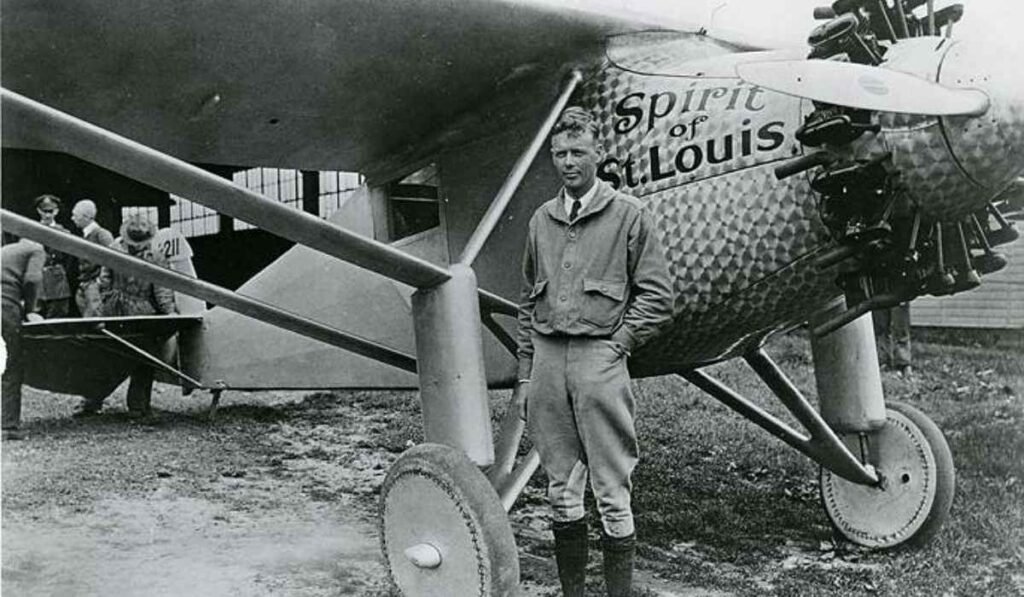
Creating a revolutionary aircraft required meticulous attention to detail, weight reduction, and aerodynamic efficiency. Working closely with builders in California, Charles Lindbergh personally oversaw the creation of the legendary monoplane that would bear the name of his adopted hometown. Every single unnecessary pound was stripped away from the cockpit to maximize fuel capacity, even forcing the installation of a periscope for forward visibility. This custom-engineered machine became an extension of Charles Lindbergh himself, built specifically to defy the seemingly impossible odds of an ocean crossing.
The Historic Takeoff from New York
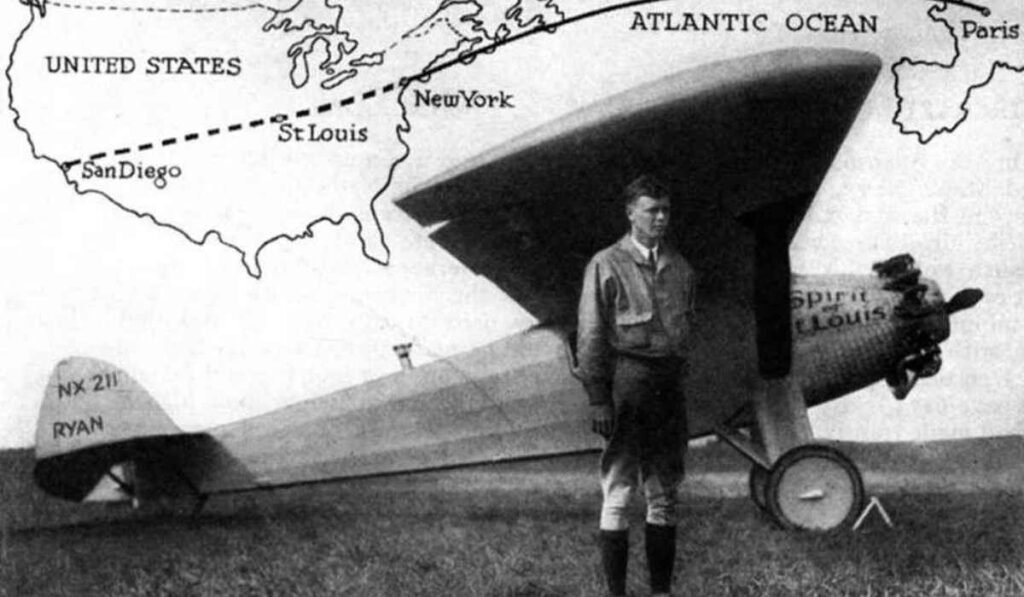
On a damp and foggy morning in May 1927, thousands gathered at a New York airfield to witness what many feared would be a tragic final flight. Heavily overloaded with thousands of pounds of high-grade gasoline, the tiny monoplane struggled sluggishly down the muddy runway before finally lifting into the air. Spectators held their breath as Charles Lindbergh cleared nearby telephone wires by mere inches, beginning his lonely journey toward the European continent. That tense departure marked the official start of an epic adventure that would forever alter the course of modern transportation history.
Surviving Thirty-Three Hours Above the Atlantic
Battling severe exhaustion, freezing temperatures, and dangerous ice accumulation on the wings, the lone aviator pushed through the darkest hours of the night. Fighting hard against sleep deprivation, Charles Lindbergh kept his eyes locked on the cockpit instruments while flying just above turbulent ocean waves and towering storm clouds. Maintaining absolute mental focus inside the cramped cabin required every ounce of his formidable willpower and physical resilience. Through sheer grit, Charles Lindbergh successfully navigated across thousands of miles of open water without any modern satellite guidance systems.
Triumphant Arrival and Global Celebration in Paris
When the faint glow of European coastline lights finally appeared, a wave of immense relief washed over the weary pilot after more than thirty-three hours aloft. Landing smoothly at Le Bourget Field outside Paris, Charles Lindbergh was instantly swarmed by an ecstatic, roaring crowd of over one hundred thousand cheering spectators. This monumental achievement instantly turned Charles Lindbergh into a global cultural icon, sparking a worldwide craze known as the aviation boom. Telegrams, awards, and formal invitations poured in from heads of state, forever changing the quiet pilot’s everyday life.
Returning Home to Unprecedented Ticker-Tape Parades
Upon returning to the United States, the celebrated hero received the grandest welcomes ever accorded to a private individual in modern history. Millions of adoring citizens lined the streets of New York City and Washington, D.C., showering confetti and loud applause upon the humble aviator. President Calvin Coolidge proudly presented him with America’s highest military honors, recognizing his profound contribution to national pride and technical progress. Despite the chaotic whirlwind of fame, Charles Lindbergh maintained his characteristic modesty and dedicated his platform to promoting civil aviation.
Marriage, Family Life, and Deep Personal Tragedy
As his public career expanded into international diplomacy and route planning, he met and married Anne Morrow, forming an intellectual and adventurous partnership. Together they flew across uncharted international airways, writing books and mapping out future commercial flight paths across the globe. However, intense media scrutiny and a horrific family tragedy soon shattered their peaceful domestic life when their infant son was kidnapped and murdered. Seeking refuge from relentless press harassment, Charles Lindbergh and his wife temporarily relocated to Europe in search of privacy and safety.
Controversies and Political Stances Prior to War
During his extended stay abroad in the late nineteen thirties, the famous aviator accepted invitations to tour foreign aviation facilities and research technological developments. His vocal opposition to American involvement in approaching European conflicts later drew sharp criticism and sparked intense political debates across the United States. Believing deeply in national non-intervention, Charles Lindbergh campaigned actively for peace committees before the outbreak of global hostilities. These controversial political stances temporarily damaged his public standing, though his technical expertise remained highly sought after by industrial leaders.
Contributions to the Allied War Effort
Following the attack on Pearl Harbor, the patriotic aviator immediately offered his extensive engineering skills to support the American military mobilization. Working as a civilian consultant for major aircraft manufacturers, Charles Lindbergh helped improve the fuel efficiency and performance of combat fighter planes. Demonstrating extraordinary courage, he even flew numerous combat missions in the Pacific Theater to evaluate aircraft behavior under actual fire conditions. Through these dangerous assignments, Charles Lindbergh proved his unwavering dedication to his country during its greatest time of international crisis.
Postwar Consulting and Commercial Aviation Expansion
With global peace restored, the veteran flyer resumed his influential role in shaping the future of international commercial air travel and route design. Advising major airline executives, Charles Lindbergh helped transition the aviation industry safely into the modern jet age. His profound insights into aerospace engineering and strategic logistics guided corporate expansion across both the Atlantic and Pacific oceans. Throughout these busy corporate years, Charles Lindbergh remained a revered elder statesman of flight, continuously pushing for safer and faster global transit.
Pioneering Medical Research and Invention
Few admirers realize that the legendary pilot also made significant contributions to the fields of experimental biology and medical technology. Collaborating closely with a Nobel Prize-winning surgeon, Charles Lindbergh helped invent an early prototype of the perfusion pump, which kept organs alive outside the body. This groundbreaking medical invention laid vital technical groundwork for later open-heart surgeries and complex human organ transplant procedures. The inventive genius of Charles Lindbergh extended far beyond airplane cockpits, showcasing a brilliant mind capable of mastering diverse scientific disciplines.
Winning the Pulitzer Prize as an Author
In addition to his technical and scientific accomplishments, the celebrated globetrotter proved to be an exceptionally gifted and reflective writer. Detailing his nerve-wracking transatlantic journey and early aviation memories, he published a deeply personal memoir that resonated strongly with readers worldwide. This literary masterpiece earned Charles Lindbergh the prestigious Pulitzer Prize for autobiography, cementing his reputation as a master of prose. Through his reflective writing, Charles Lindbergh captured the poetic essence of early flight and the spiritual isolation of the open skies.
Passionate Advocacy for Environmental Conservation
During the final decades of his eventful life, the aging explorer shifted his primary focus toward protecting endangered wildlife and natural habitats. Traveling extensively across Africa, Asia, and the Americas, Charles Lindbergh campaigned passionately for the establishment of national parks and ecological reserves. Recognizing the destructive impact of unchecked industrial expansion on nature, Charles Lindbergh became an early pioneer of modern environmentalism. His sophisticated philosophy emphasized a crucial balance between technological progress and the preservation of pristine natural ecosystems for future generations.
Lasting Historical Legacy and Enduring Impact
The multifaceted life of this extraordinary American icon concluded with his passing in the serene landscapes of Hawaii during the nineteen seventies. From setting unbreakable distance records over dark oceans to advancing medical organ preservation and environmental protection, his influence remains truly profound. While his legacy experienced complex shifts through various political and personal controversies, the sheer brilliance of his aviation milestones is undisputed. Ultimately, the name of Charles Lindbergh will always represent the peak of human courage, curiosity, and the endless pursuit of high horizons.
FAQs
- What was the exact date of the famous transatlantic flight?
- Charles Lindbergh completed his historic solo crossing from New York to Paris on May 20–21, 1927.
- What was the name of the airplane used for the journey?
- He flew a custom-built single-engine monoplane christened the Spirit of St. Louis.
- Did he win any major literary awards later in life?
- Yes, he received the Pulitzer Prize for autobiography in 1954 for his reflective book detailing his flight.
- What medical device did he help invent?
- Charles Lindbergh worked alongside Dr. Alexis Carrel to develop an early perfusion pump vital for organ transplants.
- Where can one read more about his life and accomplishments?
- You can explore comprehensive historical records and details on Charles Lindbergh.